The week behind us brought several interesting announcements, new release dates, and two industry statements that sparked discussions in the gaming community. In the second edition of our weekly roundup, we highlighted seven news items that marked the end of May 2026.
THERMOCLINE announced for almost all current platforms
The survival horror RPG THERMOCLINE has been officially announced for PlayStation 5, Xbox Series X/S, Nintendo Switch 2, PlayStation 4, Xbox One, Nintendo Switch, and PC. It is a psychological horror set in an icy wasteland, where players explore the abandoned infrastructure of planet C9 CRPSE-19 and try to survive in a hostile environment.
The game emphasizes atmosphere, exploration, fighting grotesque monsters, and managing body temperature, which should further enhance the feeling of vulnerability. THERMOCLINE visually relies on hand-drawn environments, while the narrative is described as psychological horror focusing on characters and the mystery of the abandoned world.
SPORTAL releases on June 11, 2026
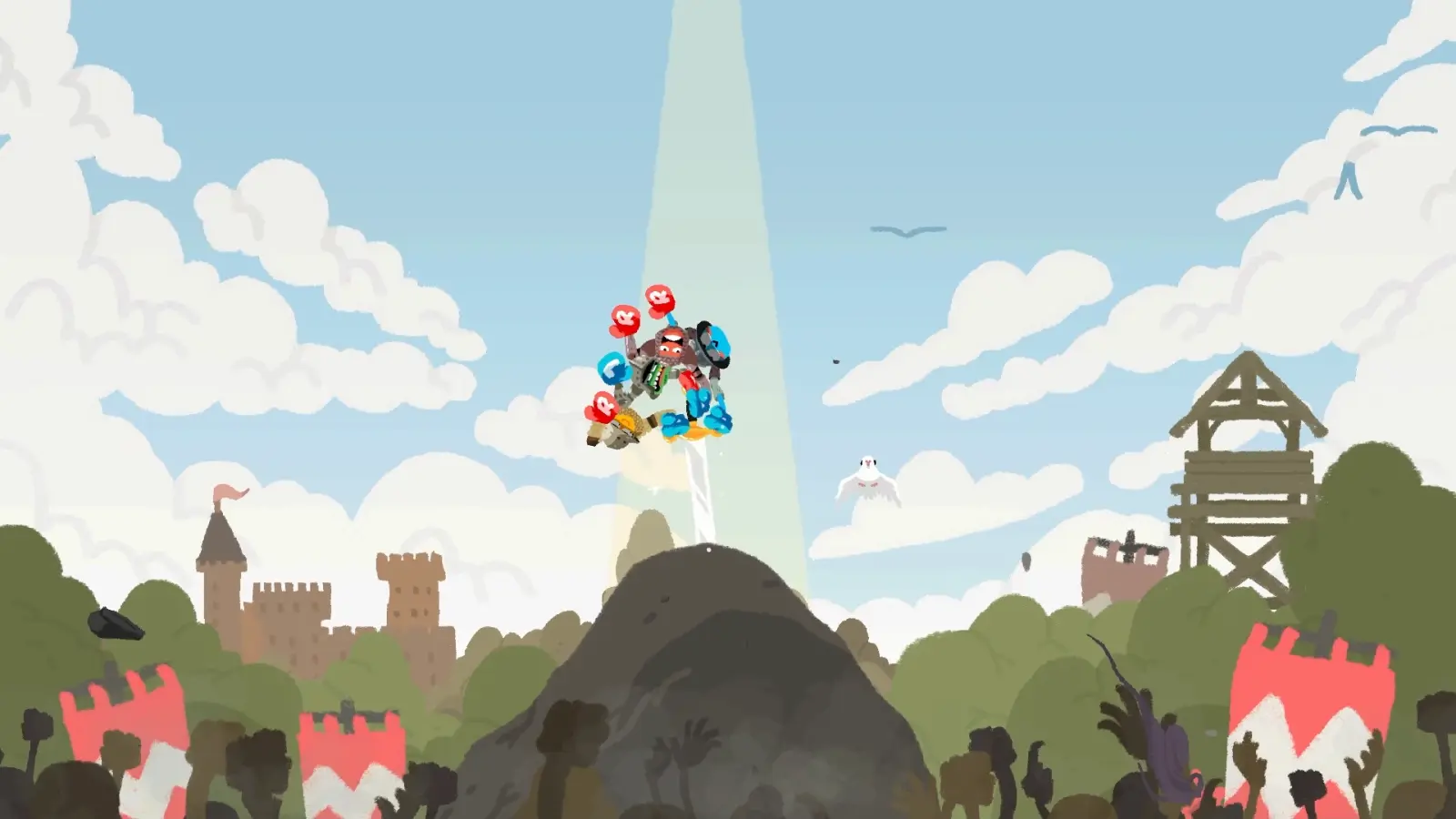
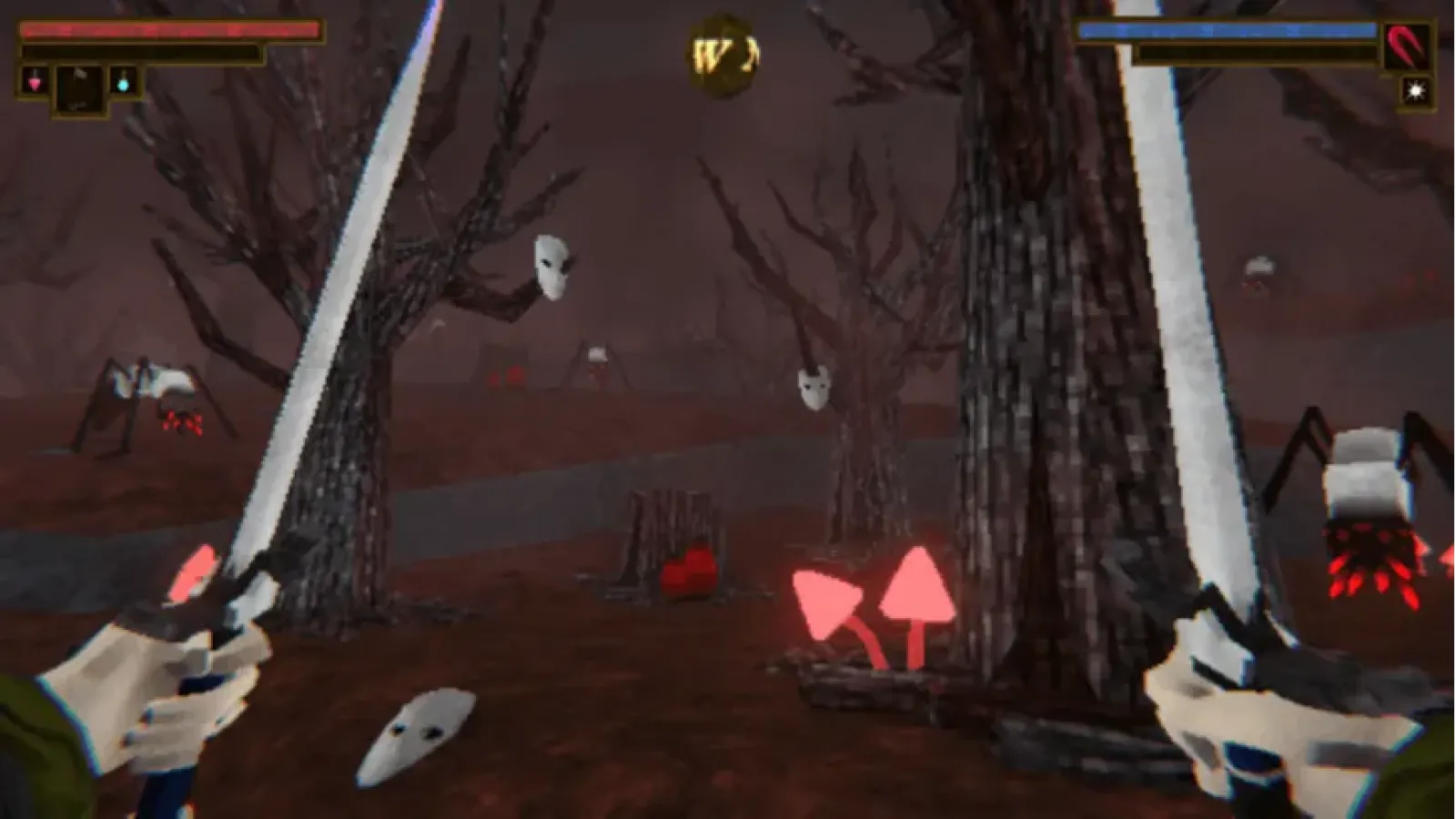
A somewhat lighter, yet equally unusual tone is brought by SPORTAL, a retro sports roguelike first-person shooter set to release on June 11, 2026, for PlayStation 5, Xbox Series X/S, PlayStation 4, Xbox One, Nintendo Switch, and PC via Steam, Epic Games Store, and GOG. The game is published by Retrovibe and developed by Sleepwalking Potatoes.
SPORTAL combines sports equipment, first-person shooting, and a retro aesthetic inspired by 1950s monster movies. Instead of classic weapons, players use bats, sticks, balls, and other sports gear transformed into an arsenal against various monsters. The game features cinematic-themed arenas, upgrades, and a pixelated visual style with a pronounced retro vibe.
Shift at Midnight brings cooperative detective horror at a gas station
Kwalee and solo developer Bun Muen have confirmed that Shift at Midnight will be released on June 17, 2026, for PC and Xbox Series X/S. The game will be available from day one to Game Pass subscribers on Xbox Series consoles, PC, and Xbox Cloud Gaming.
Shift at Midnight is an online cooperative detective horror for up to three players. At first glance, it involves managing a gas station during the night shift: stocking shelves, receiving deliveries, cleaning the store, and serving customers. The problem is that not all customers are human. Some are doppelgängers pretending to be ordinary visitors.
Players must interrogate customers, check their documents, compare data on the computer, and observe their behavior. If you make a mistake and let a creature go, it later returns as a monster. Then, a peaceful shift turns into a fight for survival, involving barricading doors, setting traps, and hiding.
Particularly interesting is the fact that shifts are procedurally generated, so no night should be exactly the same. A multiplayer demo is already available on Steam, and according to the publisher's announcement, it currently has a 99% “Overwhelmingly Positive” user rating. Proximity chat is expected to further enhance the chaos, panic, and mutual accusations in moments when everything goes wrong.
Runesmith is a dwarven tactical RPG with runes, a forge, and attic brawls
Terahard Studios has announced Runesmith, a dwarven tactical RPG for PC via Steam. The release date has not yet been announced. The game combines rune crafting, a blacksmithing system, turn-based tactical combat, humor, and the classic fantasy obsession of dwarves with gold, beer, and stubborn revenge.
In Runesmith, players take on the role of a fantasy dwarf who forges weapons, armor, and trinkets, embeds runes, and experiments with magical combinations that can have very unpredictable consequences. Combat is based on status effects and chain reactions, so seemingly simple decisions can lead to great chaos on the battlefield.
The tone of the game is clearly intentionally comedic. Instead of saving the world for noble reasons, the main motivation for the pursuit of a dangerous enemy is much simpler: someone owes the dwarf money. With exploration of cities, mines, ruins, taverns, and dungeons, Runesmith could be interesting for players who enjoy tactical RPGs but want something dirtier, louder, and less serious.
Crystal Project II announced for PC
River Running Games has announced Crystal Project II, the sequel to the indie RPG Crystal Project. The game is coming to PC via Steam, and the release date has not yet been announced. It is a metroidvania adventure RPG with an open world, tactical combat, and an emphasis on free exploration.
Crystal Project II takes players to a new land called Sycamore, where they will unlock classes, learn new abilities, find equipment, and gradually discover new ways to navigate the world. The combat system returns with the recognizable threat-based approach from the original, providing clear information about turn order, damage, and probabilities, without hidden rules.
The sequel brings new classes, revamped returning classes, additional build development options, assist and challenge settings, faster animations, new mechanics like summoning allies, more teleportation points, and even fishing. The good news for new players is that it is not necessary to have played the first Crystal Project to understand the sequel.
Normal Golf Game is a completely normal golf game. Allegedly.
Luke Muscat, known for mobile hits Fruit Ninja and Jetpack Joyride, has announced his new indie project Normal Golf Game. Behind the seemingly ordinary title lies a rather strange and self-aware golf game where the player wakes up on a massive golf course, confused, trapped, and $100,000 in debt to a disturbed game designer named Luke Muscat.
Normal Golf Game is described as a “very normal” golf simulator, but the premise itself clearly indicates that this is not a classic sports game. Players can shoot from almost any position, aim at almost anything, and try to get out of the situation that, at least according to the story, was brought about by playing golf.
The project is currently announced for PC, and a free demo is already available on Steam. Muscat is documenting the game's development on his YouTube channel, where he has gathered a large audience through devlogs and showcasing the game-making process. Judging by the tone of the announcement, Normal Golf Game could be one of those small, quirky indie games that sound like a joke on paper but easily turn into a viral hit.
Anima: Song from the Abyss arrives in 2027
The action RPG Anima: Song from the Abyss has received a new release window and is now planned for 2027. The game is set in the world of Gaia and is based on the Anima: Beyond Fantasy tabletop RPG. It is a title that combines an action RPG system, exploration of a mysterious world, and a story with two playable characters.
The plot revolves around an imperial zeppelin that falls into chaos after a large part of the crew disappears under unexplained circumstances. The remaining knight of the Heaven Order tries to protect a powerful artifact but releases a legendary witch and ends up in an area known as the Abyss. Anima: Song from the Abyss is developed and published by Anima Project and is announced for PlayStation 5, Xbox Series X/S, Nintendo Switch 2, and PC.
The head of Take-Two Interactive sent a clear message after the MindsEye case
The industry part of the week was marked by a statement from Strauss Zelnick, the CEO of Take-Two Interactive, which quickly connected in the gaming community with the failure of the game MindsEye and the studio Build a Rocket Boy. Zelnick did not directly mention the name of the game, but his message about former Rockstar employees trying to create competition for Grand Theft Auto was interpreted as a fairly clear allusion.
MindsEye attracted significant attention before its release precisely because Leslie Benzies, a former key figure at Rockstar, was behind the project. However, a strong pedigree and ambitious promises were not enough. After a poor reception, the project became an example of how difficult it is to replicate Rockstar's open-world formula without the same level of production stability, creative autonomy, and long-term development.
The new head of Remedy claims that AI cannot create Alan Wake II
The second major industry topic came from Remedy Entertainment. The new head of the studio, Jean-Charles Gaudechon, reflected on the increasingly loud claims that artificial intelligence will significantly reduce costs and speed up game development. His stance is considerably more cautious: AI tools can have a place in technical processes, but they cannot replace the authorial signature, atmosphere, and complex creative direction required by games like Alan Wake II.
According to him, Remedy will not ignore new technologies, but does not see them as a replacement for writers, designers, and creative teams. This is particularly interesting at a time when many large companies are increasingly speaking about AI tools as a way to reduce development costs. For now, Remedy clearly draws the line: technology can assist in the background, but the core of the game must remain human.







-hero.webp)


-hero.webp)