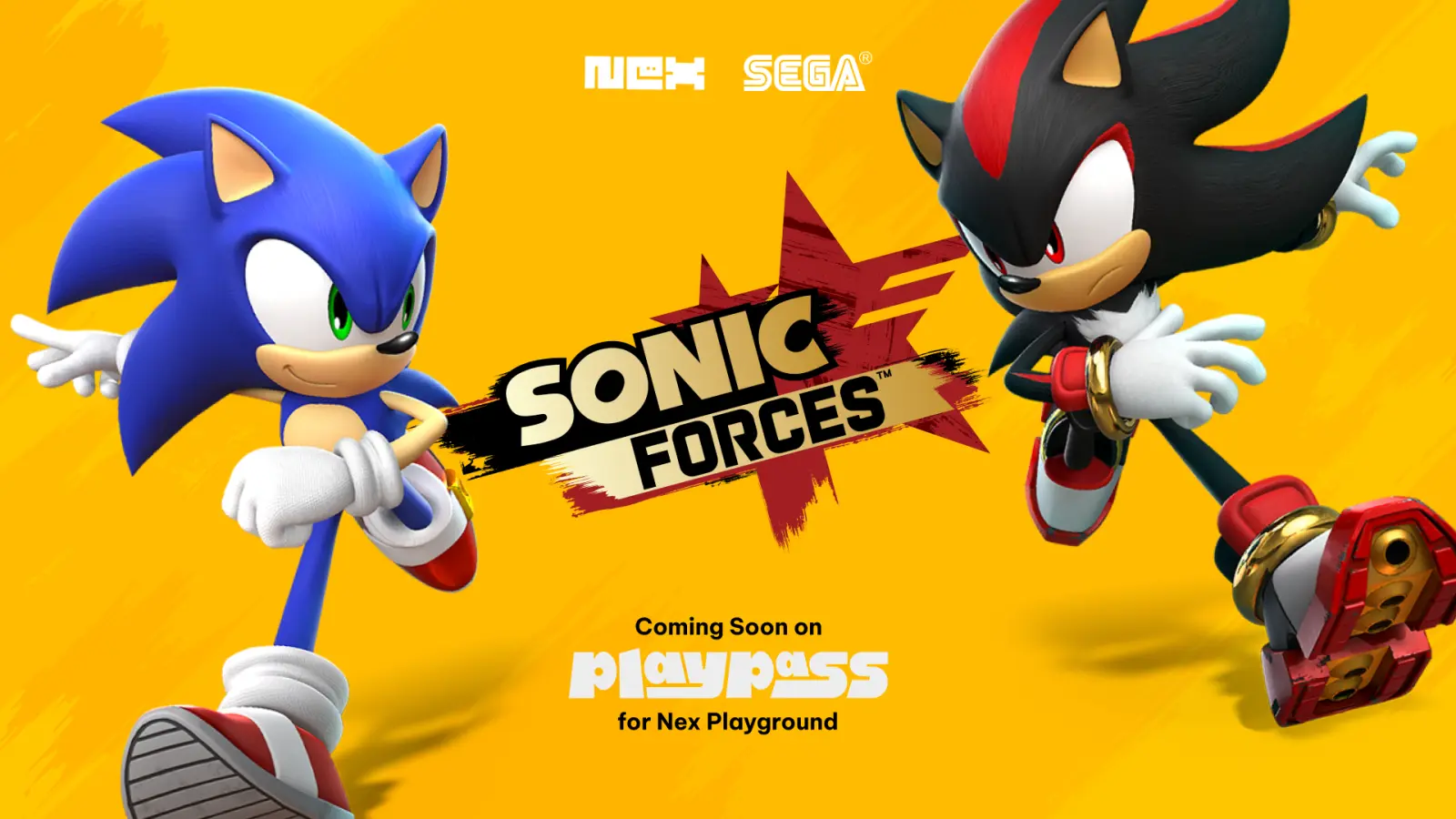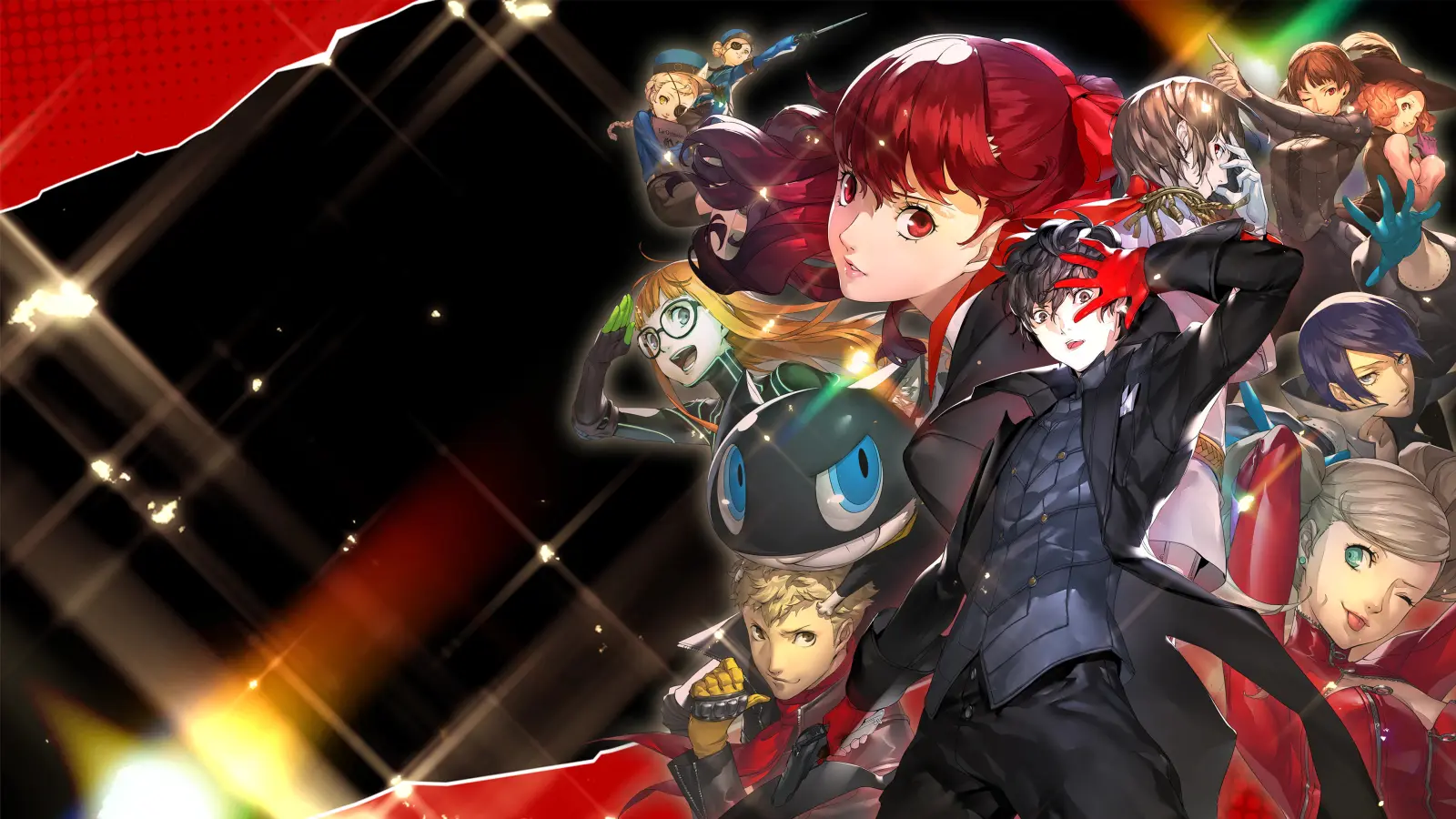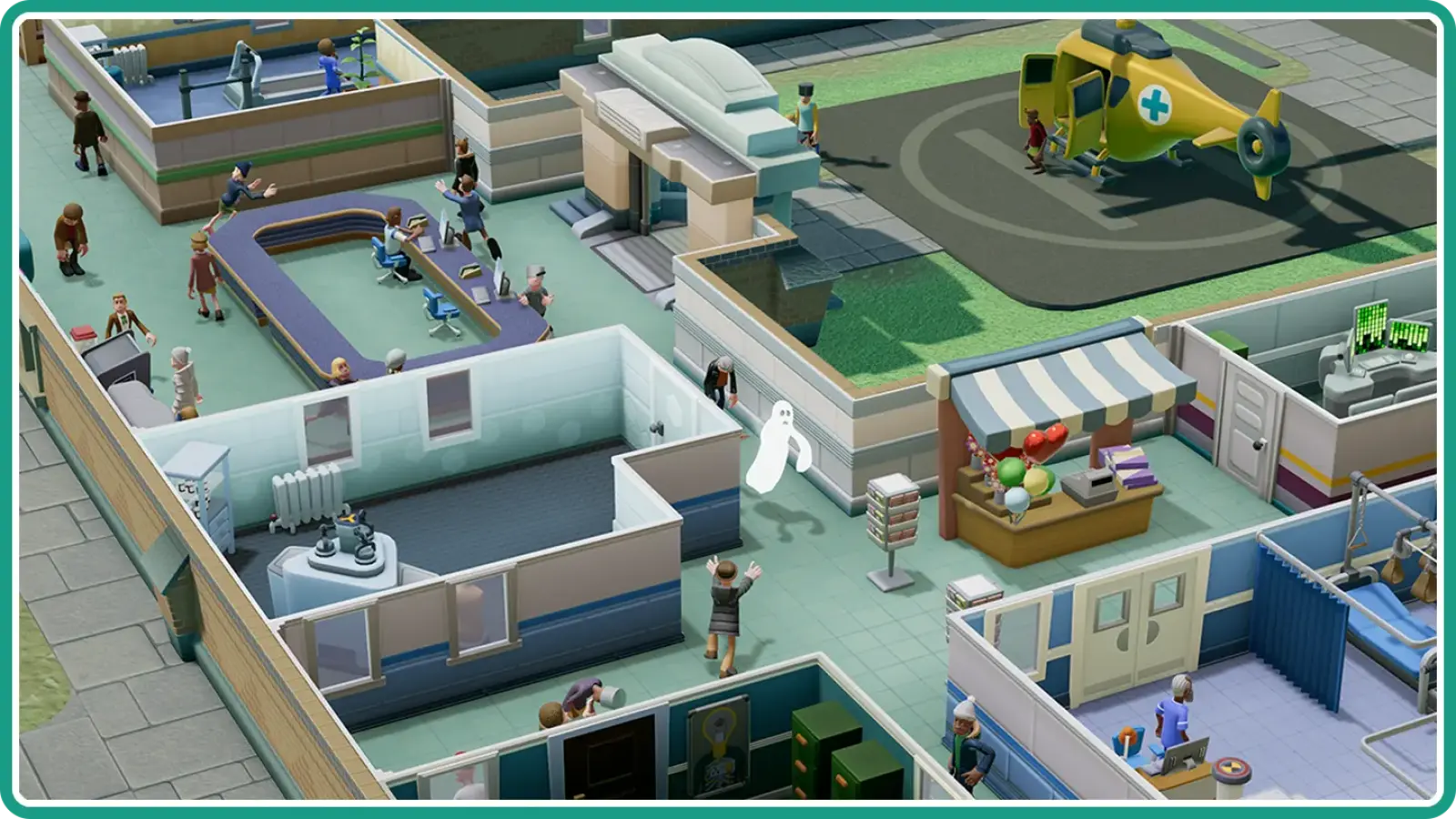
When we hear SEGA today, most gamers first think of Sonic. And that's quite fair, as Sonic is one of the most recognizable characters in the history of video games. However, SEGA is much more than Sonic. It is a company that started with arcade machines, became one of Nintendo's biggest rivals, released some of the boldest consoles of its time, spectacularly withdrew from hardware, and then rebuilt itself as one of the more interesting publishers in today's gaming scene.
In other words, SEGA has gone through almost the entire journey of the gaming industry. From arcades, through console wars, to the modern era where Sonic, Yakuza, Persona, Total War, Football Manager, Two Point, and Angry Birds all coexist under the same roof. A bit chaotic? Of course. But chaos is practically part of SEGA's identity.
In the beginning, there were arcades
SEGA's roots trace back to the world of amusement machines, jukeboxes, and arcade games. Today's SEGA connects its beginnings to Nihon Goraku Bussan, a company founded in 1960, and the name SEGA originated from the term “Service Games.” After merging with Rosen Enterprises in 1965, the company was renamed Sega Enterprises and began to take a more serious approach to the production and distribution of entertainment devices.
One of the early major moments was Periscope from 1966, an electromechanical arcade game where players shot torpedoes at ships through a periscope. Even then, SEGA demonstrated what would define it for decades: a desire to impress players with technology, movement, sound, and a sense of spectacle.
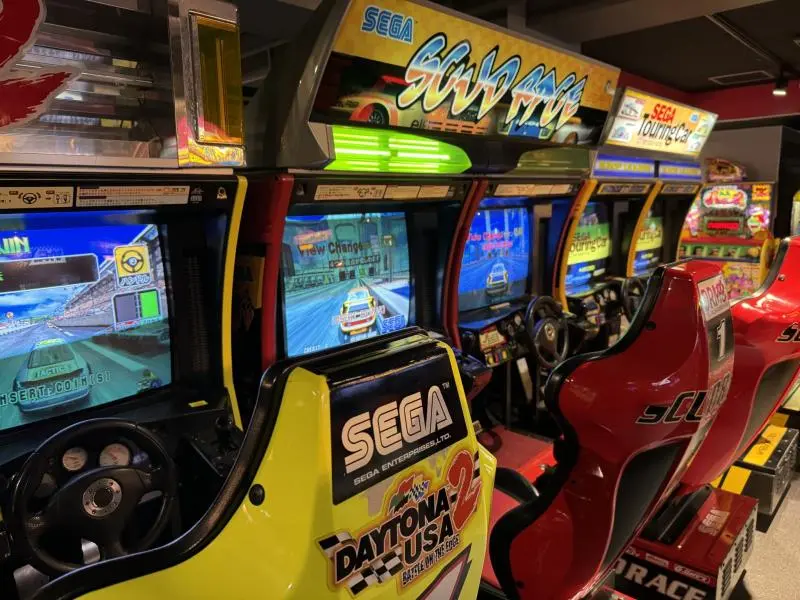
During the seventies and eighties, SEGA grew as an arcade force. Hang-On, Out Run, Space Harrier, After Burner, and similar titles invited players to sit on motorcycles, steer wheels, with the feeling that the arcade was not just a space, but an event.
Entering the living room
SEGA did not want to remain only in arcades. In the early eighties, it entered the home console market. The first major stop was the SG-1000 from 1983, SEGA's first home system. It did not have the global impact that the Mega Drive would later have, but it was an important start.
After that came the Master System, a console that struggled against Nintendo's NES in Japan and the USA but found a much stronger audience in Europe and Brazil. The Master System had great games, colorful graphics, and technically could compete with the competition in many ways, but Nintendo simply had a stronger grip on the market at that time. SEGA had to wait for the right moment.
That moment came with the Mega Drive, or Genesis in North America. The console was released in the late eighties and early nineties and became SEGA's biggest hit in the home console market. The Mega Drive had a more aggressive image, faster games, louder marketing, and a feeling that it was aimed at a slightly older, “cool” audience.
Sonic and the war with Nintendo
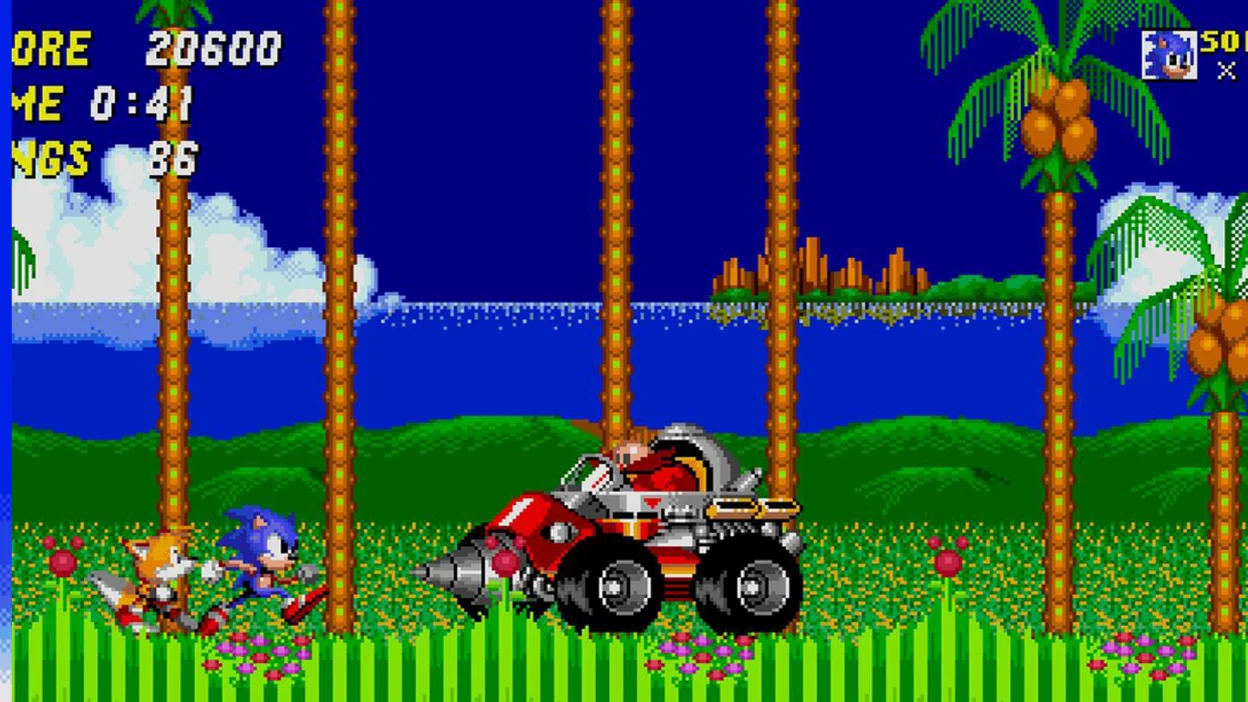
In 1991, SEGA released Sonic the Hedgehog and gained a mascot that it desperately needed. Sonic was not just an answer to Mario. He was an attitude. Mario was precise, cheerful, and classic, while Sonic was fast, brash, and modern.
Sonic the Hedgehog, Sonic 2, Sonic CD, and Sonic 3 & Knuckles marked the Mega Drive era. The games were fast, attractive, and technically impressive, and Sonic became a symbol of SEGA's identity. At that time, SEGA and Nintendo were engaged in one of the most famous wars in the history of the industry. “Genesis does what Nintendon’t” was not just a marketing slogan, but a whole philosophy. SEGA wanted to be bolder, louder, and different.
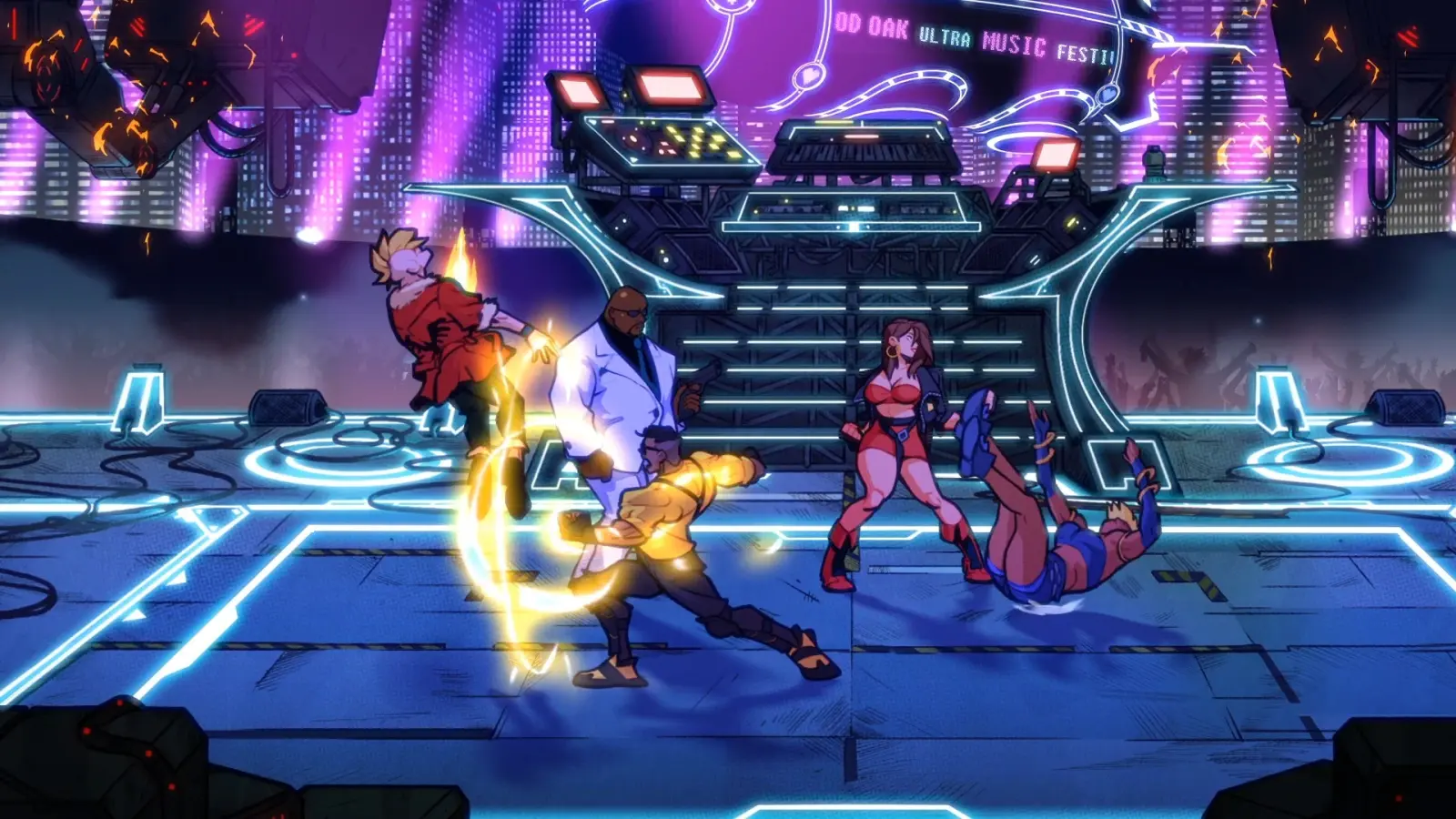
And it wasn't all about Sonic. The Mega Drive had a huge catalog: Streets of Rage, Golden Axe, Phantasy Star, Shinobi, Gunstar Heroes, Ecco the Dolphin, Altered Beast, Virtua Racing, Shining Force... Arcade energy, speed, style, and a constant feeling that the company was trying to do something no one else was doing.
Arcade genius: Virtua Fighter, Daytona, and the madness of the nineties
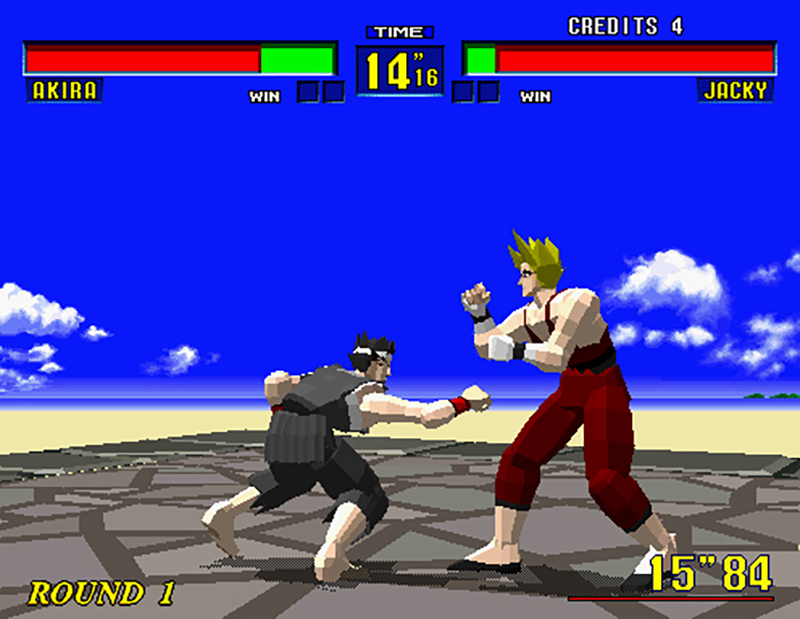
SEGA remained a monster in arcades. The nineties brought some of its most important arcade games. Virtua Fighter was one of the pioneers of 3D fighting games. Daytona USA became synonymous with arcade racing. Virtua Cop brought light gun shooters to a wider audience. House of the Dead turned zombie shooting into a ritual.
Their games had powerful hardware, attractive cabinets, and that feeling that the future had arrived early, but only if you had enough change. That arcade DNA would later be seen in their consoles, especially in the Dreamcast.
Saturn: a good console at the wrong time
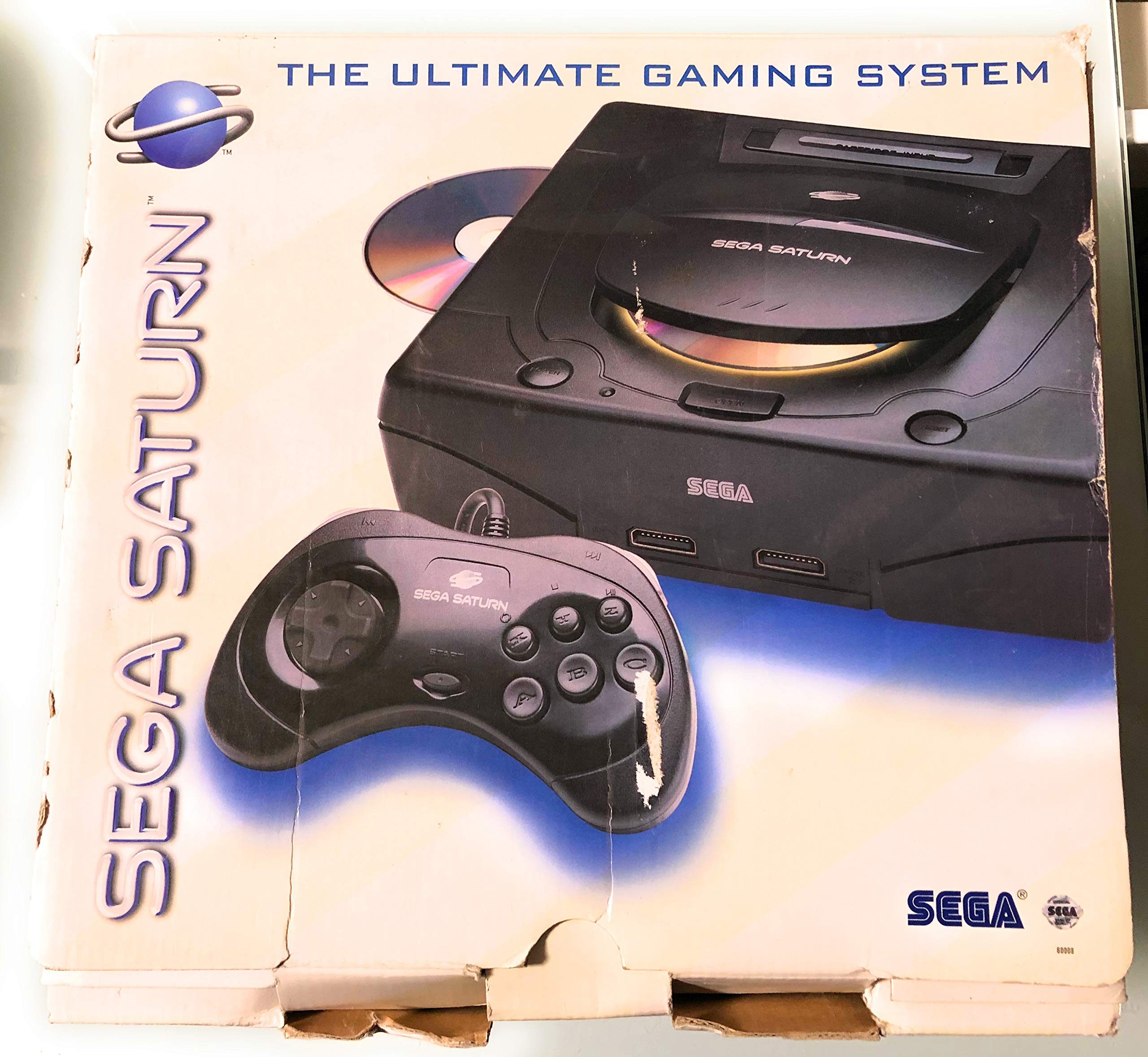
After the success of the Mega Drive, SEGA entered the 32-bit generation with the Saturn, and that's where things got complicated. The Saturn had strong hardware and great games, especially in Japan, where titles like Virtua Fighter, Sega Rally, Nights into Dreams, and Sakura Wars had a serious audience. The problem was that the industry was increasingly shifting to 3D, and Sony's PlayStation entered the market with a clearer message, lower price, and massive publisher support.
The Saturn was not a disaster because it lacked good games. The problem was that it was caught between SEGA's ambitions and Sony's brutally efficient execution.
Dreamcast: a beloved console that didn't survive
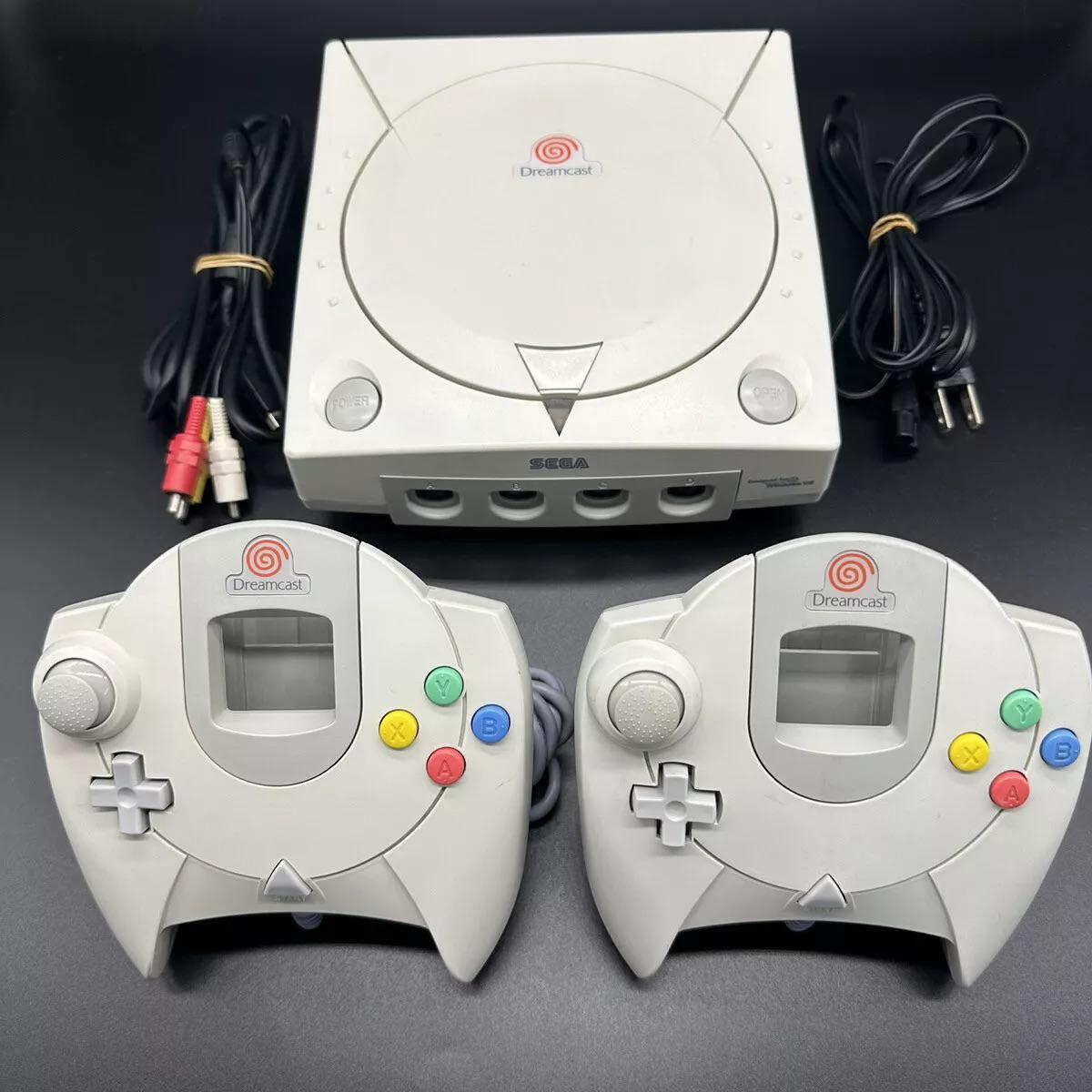
The Dreamcast was released in 1998 in Japan and in 1999 in the West. Today it has almost mythical status, and for good reason. It was a console ahead of its time: it had built-in online gaming capabilities, excellent arcade ports, a memory card with a screen, and a catalog that is still full of cult titles.
Shenmue attempted to create an open, detailed 3D world before the industry even had a clear language for such games. Jet Set Radio brought cel-shaded style, graffiti, and a musical identity that still feels fresh today. Crazy Taxi was pure arcade energy. Phantasy Star Online opened the door to online RPG experiences on consoles. Skies of Arcadia, Sonic Adventure, Soulcalibur, Power Stone, Rez, and many other titles gave the Dreamcast a catalog that deserves respect.
Unfortunately, a good console is not always enough. SEGA was already financially drained, market confidence was shaken after the Saturn and various add-ons for the Mega Drive, and the PlayStation 2 came like an industrial meteor and swept everything in its path. The Dreamcast did not survive. SEGA withdrew from console production in 2001 and became a third-party publisher.
That was the end of an era. But not the end of SEGA.
A New Life as a Publisher
After exiting hardware, SEGA found itself in an unusual position. Once a console manufacturer, it was now publishing games for PlayStation, Xbox, Nintendo, and PC. For fans, this was initially almost unimaginable. Sonic on a Nintendo console? That would have sounded like fan fiction, and then it happened.
In the new era, SEGA continued to develop and publish a variety of games. Sonic went through ups and downs, with titles ranging from excellent to those it would rather not talk about. Nevertheless, the series survived, modernized, and remained globally recognizable, especially thanks to games, animation, film, and merchandise.
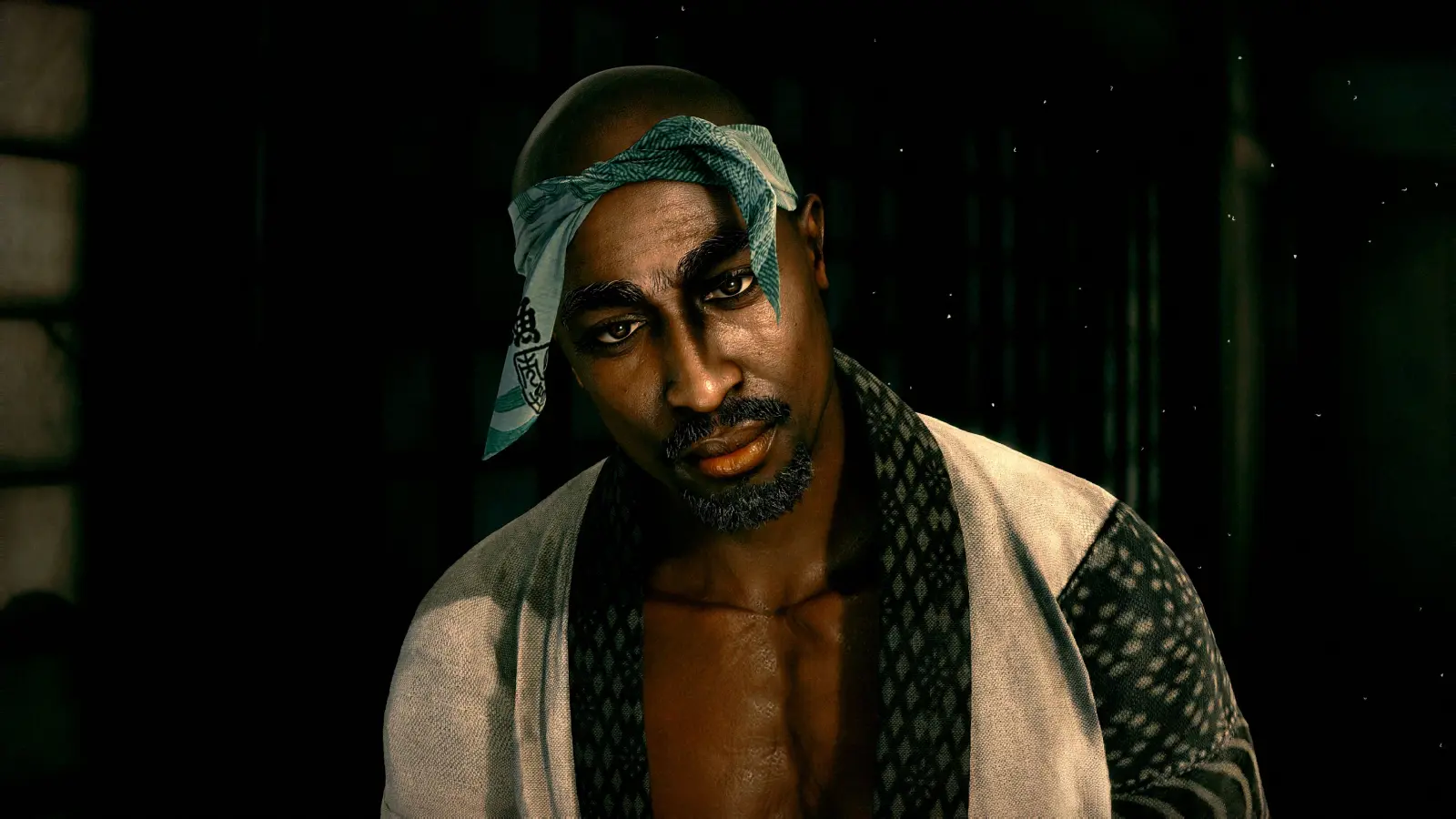
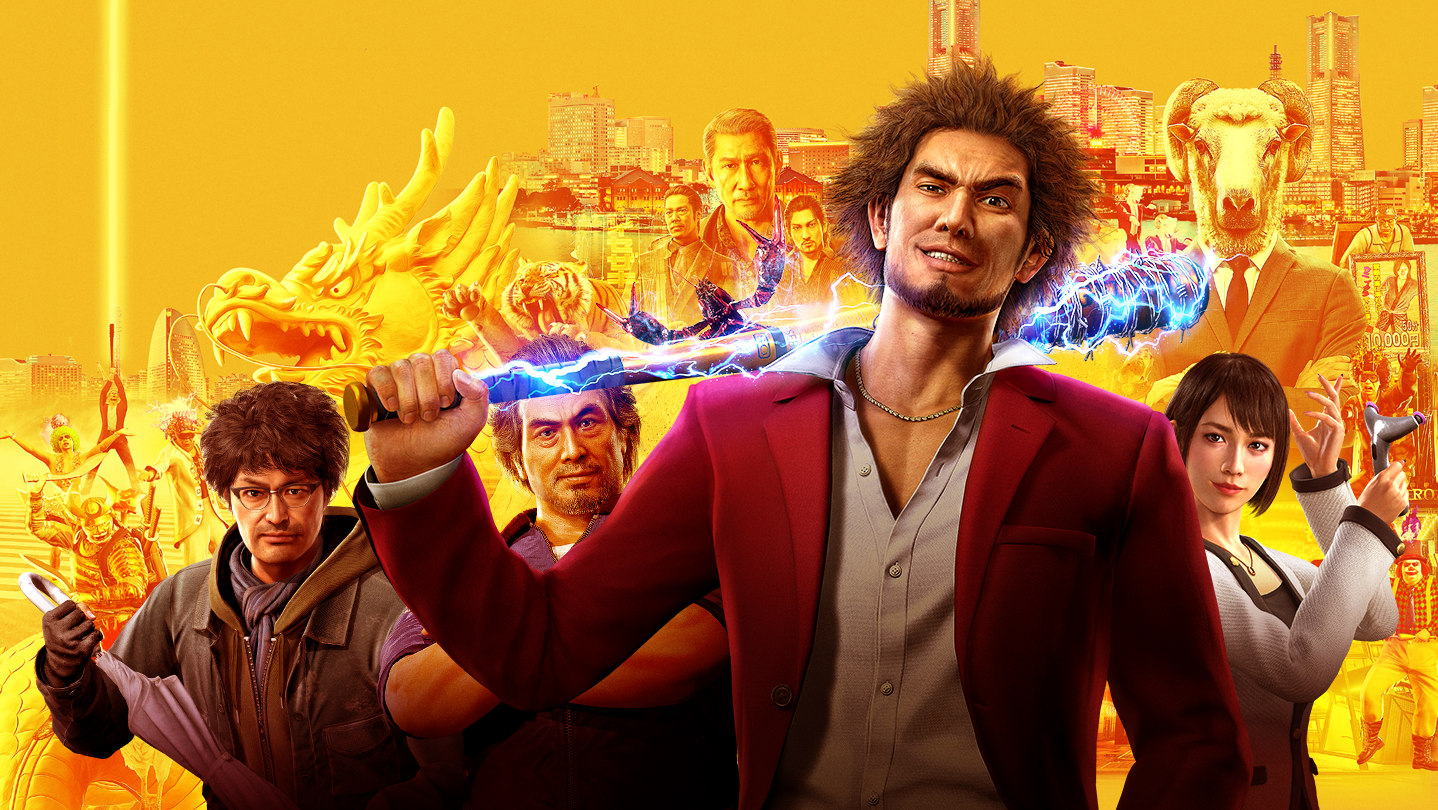
On the other hand, SEGA developed some of its strongest modern identities. Yakuza grew from a niche Japanese action series into a globally beloved franchise. The combination of crime drama, absurd humor, mini-games, brawling, and melodrama proved to be something no one else was doing quite that way. Like a Dragon is perhaps the best example of modern SEGA today: serious and silly at the same time, emotional and completely crazy, but incredibly fun and mechanically excellent.
Atlus, Persona, and Expanding Identity
One of the most important moves of modern SEGA was the acquisition of Atlus, specifically the takeover of Index Corporation in 2013. This brought Persona, Shin Megami Tensei, and other Atlus titles under SEGA's wing, which proved to be an extremely important step.
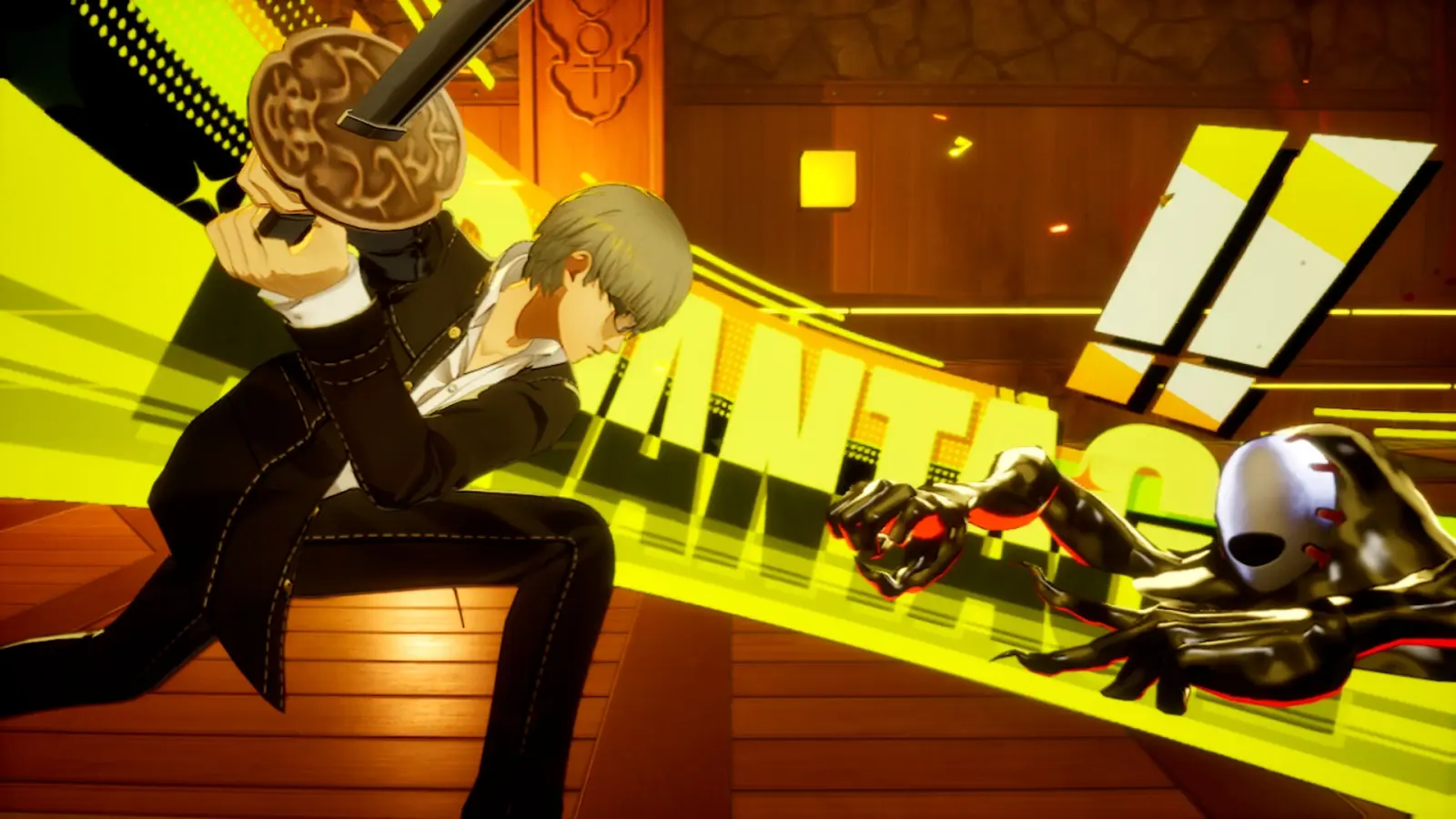
Meanwhile, Persona has become a globally recognizable JRPG brand. Persona 5, in particular, opened the doors to a much wider audience, and Atlus demonstrated with Metaphor: ReFantazio that it knows how to create a completely new major RPG. If Sonic is SEGA's symbol from the nineties, Persona is one of the symbols of its modern strength.
Atlus gave SEGA what is not easily bought: an authorial identity, a loyal audience, and games that do not try to appeal to everyone, but hit very strongly those for whom they are intended.
PC Strategy: Total War, Football Manager, and Two Point
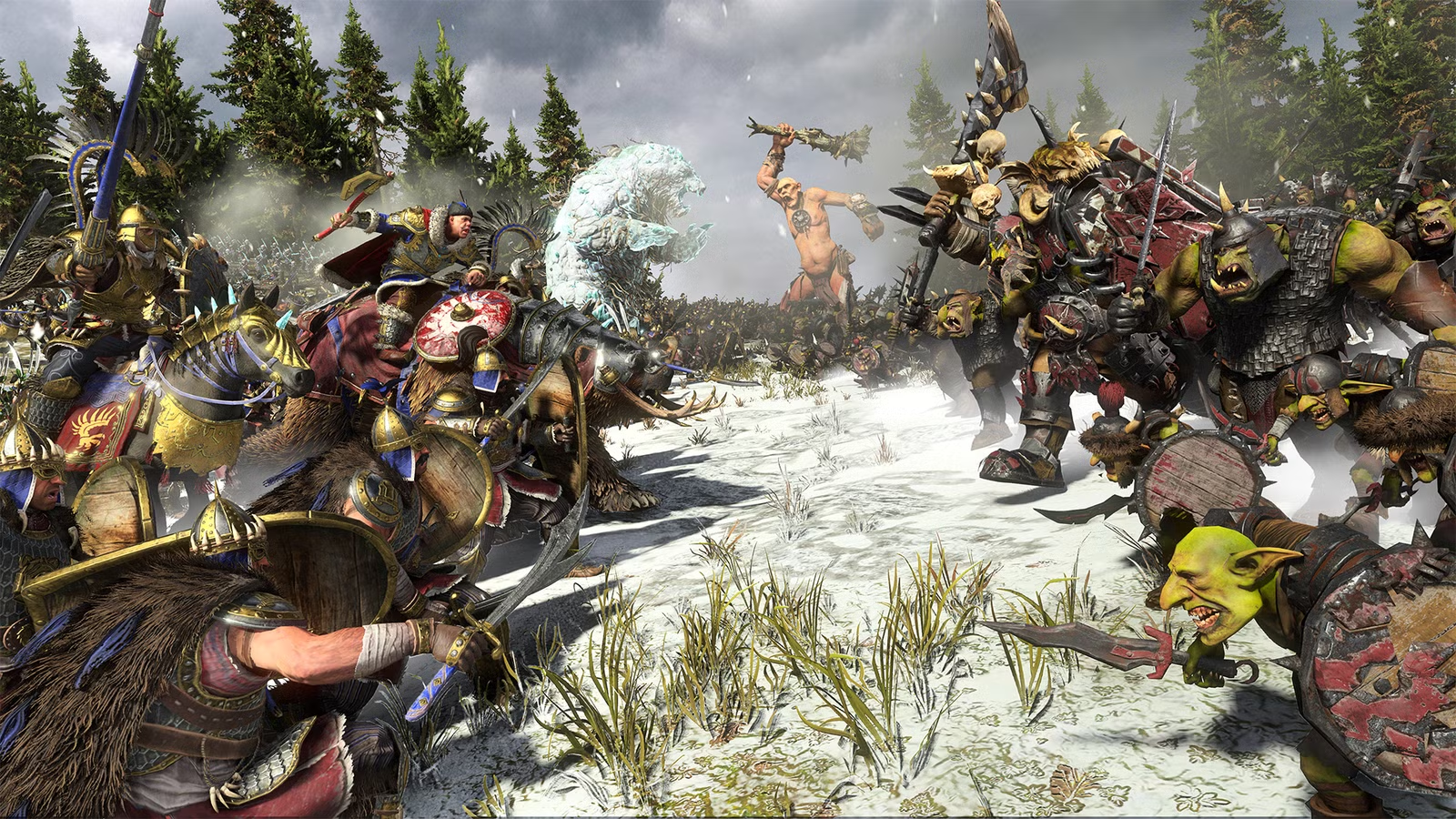
A significant step occurred in 2005 when SEGA acquired the British Creative Assembly, the studio best known for the Total War series. This brought one of the most important strategy series on PC under its wing.
Since Shogun: Total War, this series has become recognizable for its combination of large turn-based campaigns and massive real-time battles. Rome, medieval Europe, Japan, China, Troy, Warhammer fantasy worlds; Total War has covered almost everything that could be turned into epic warfare with thousands of units on screen over the years.
A year later, in 2006, SEGA acquires Sports Interactive, the studio responsible for Football Manager. This brings another PC phenomenon, but of a completely different type. Football Manager is not a game where players score goals, but a game where they manage transfers, tactics, training, scouting, the locker room, media, and all the small decisions that turn a football club into an endless table of stress.
Later, this branch is joined by Two Point Studios, which SEGA acquires in 2019. Two Point Hospital and Two Point Campus continue the tradition of charming, humorous management simulations. There are no epic wars or dramatic transfers, but rather absurd humor, organizational chaos, and that strange satisfaction when the system you've put together actually works.
Angry Birds and the mobile future
In 2023, SEGA, through SEGA Europe, acquires Rovio, the studio best known for Angry Birds. Angry Birds is a huge mobile brand, and SEGA already knows how valuable it is when characters expand beyond the games themselves. Sonic is now a film brand, a series, a toy, a t-shirt, a meme, and everything in between. Rovio is expected to help SEGA better understand the mobile market and leverage characters beyond classic consoles and PCs.
SEGA today: fewer consoles, more identity
Today, SEGA is no longer a company that produces consoles, but it remains one of the more important gaming houses. Its catalog is strange, broad, and interesting. Sonic is still running. Yakuza is growing. Persona and Atlus have increasing global weight. Total War and Football Manager hold the PC audience. Puyo Puyo, Virtua Fighter, Shinobi, Golden Axe, Crazy Taxi, Jet Set Radio, and Streets of Rage remind us that SEGA has a wealth of old franchises that still hold value.
SEGA has not always been the most successful, but over the decades it has consistently pushed the industry forward, taken risks, created cult games, and left a mark that cannot be reduced to just Sonic. It may have lost the console war, but it has not lost its identity, and in today's industry, that may be a greater victory than it seems.