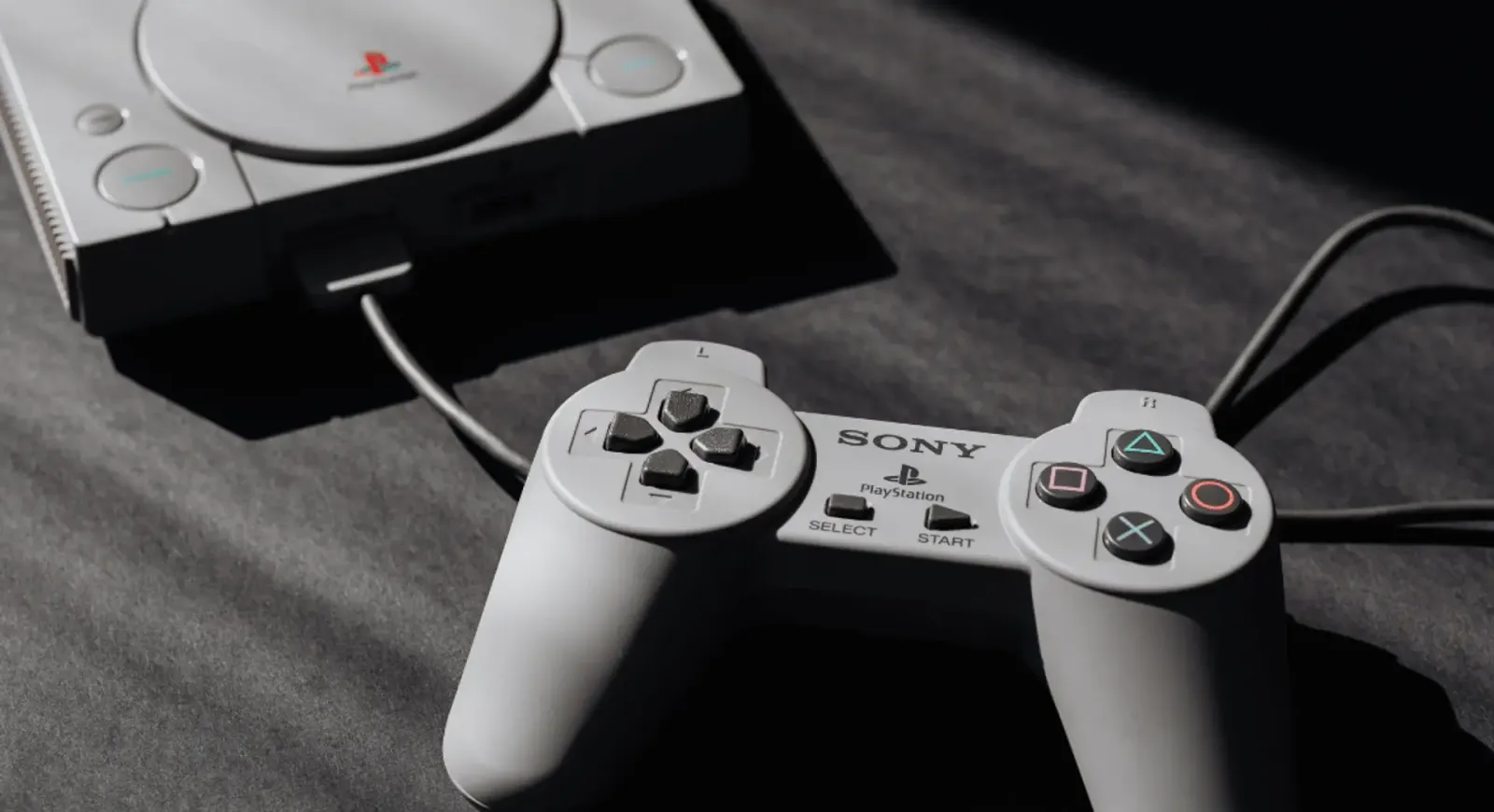
The third edition of PSX brings a major theme that marked the beginning of July 2026. Sony's plan to cease production of new physical PlayStation games from January 2028 has sparked a range of reactions – from players and indie publishers to former PlayStation leaders and even politicians. While part of the audience sees the decision as a significant blow to game preservation and ownership rights, the capital market has so far reacted positively.
Sony leaves a small space for existing physical editions
Although Sony previously announced that it would no longer produce discs for new PlayStation releases from January 2028, additional information has emerged that somewhat changes the tone of the entire story. According to a letter sent to publishers, they will still be able to order additional copies of games that have already been released on physical media even after that date. This means that physical discs will not disappear overnight, but it seems that new releases after 2028 will indeed be directed towards a digital model.
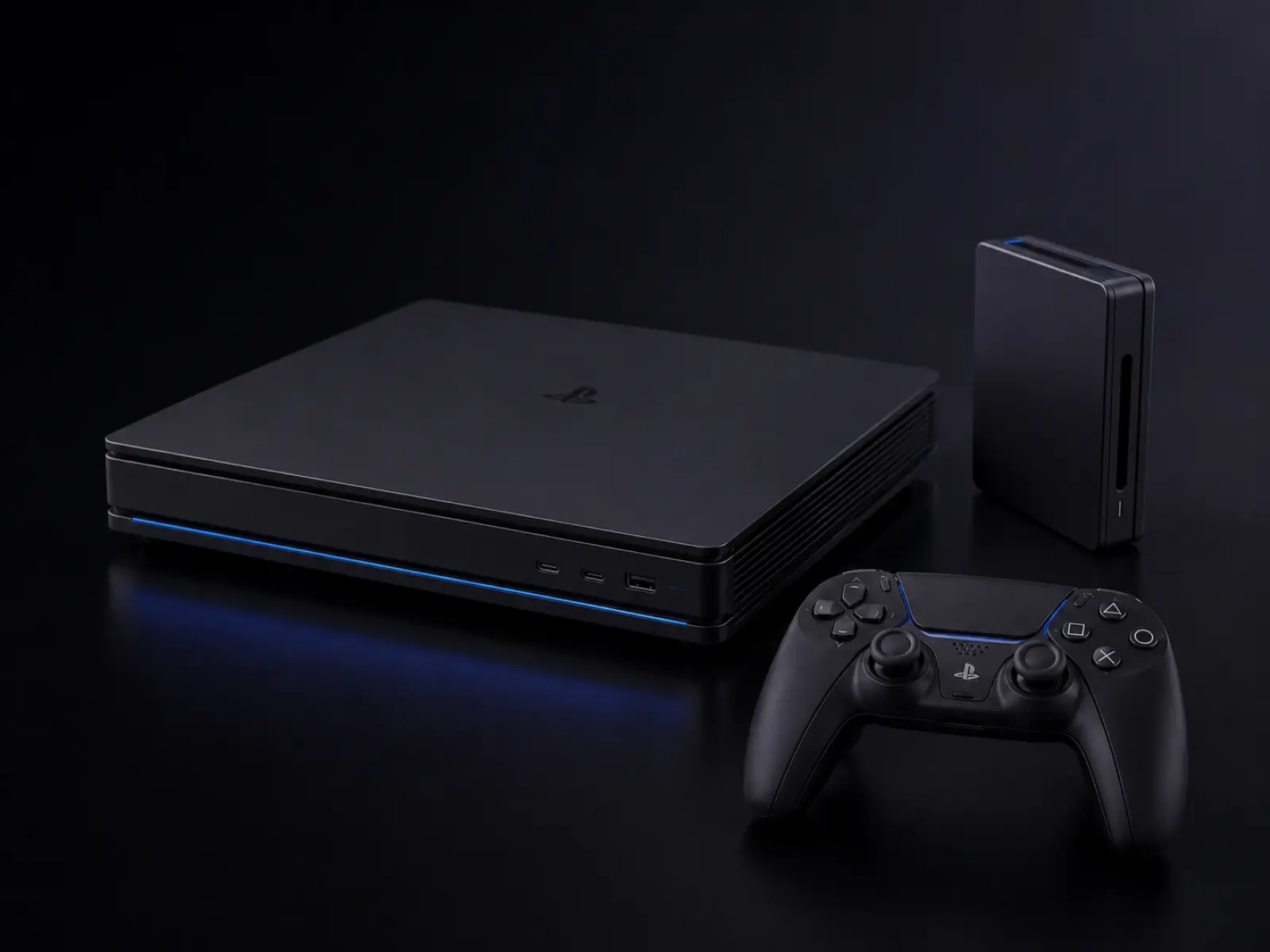
This information does not mean that Sony is giving up on a digital future. It is more about a transitional period in which existing physical games will still be able to receive additional print runs. For collectors, stores, and smaller publishers, this is at least a small assurance, but not a long-term solution. The biggest question remains the same: what will happen to physical collections when PlayStation 6, according to all indications, moves in a completely digital direction?
Additionally, reports from Austria indicate that the transition has already begun. Sony's factory in Thalgau is reportedly already preparing for a change in production, employees are being redirected to new jobs, and equipment is being adapted for the production of optical micro-lenses. According to the same report, PlayStation currently accounts for about half of the disc production in that factory, while a significantly smaller share of orders is expected for 2028.
Industry reactions are growing louder
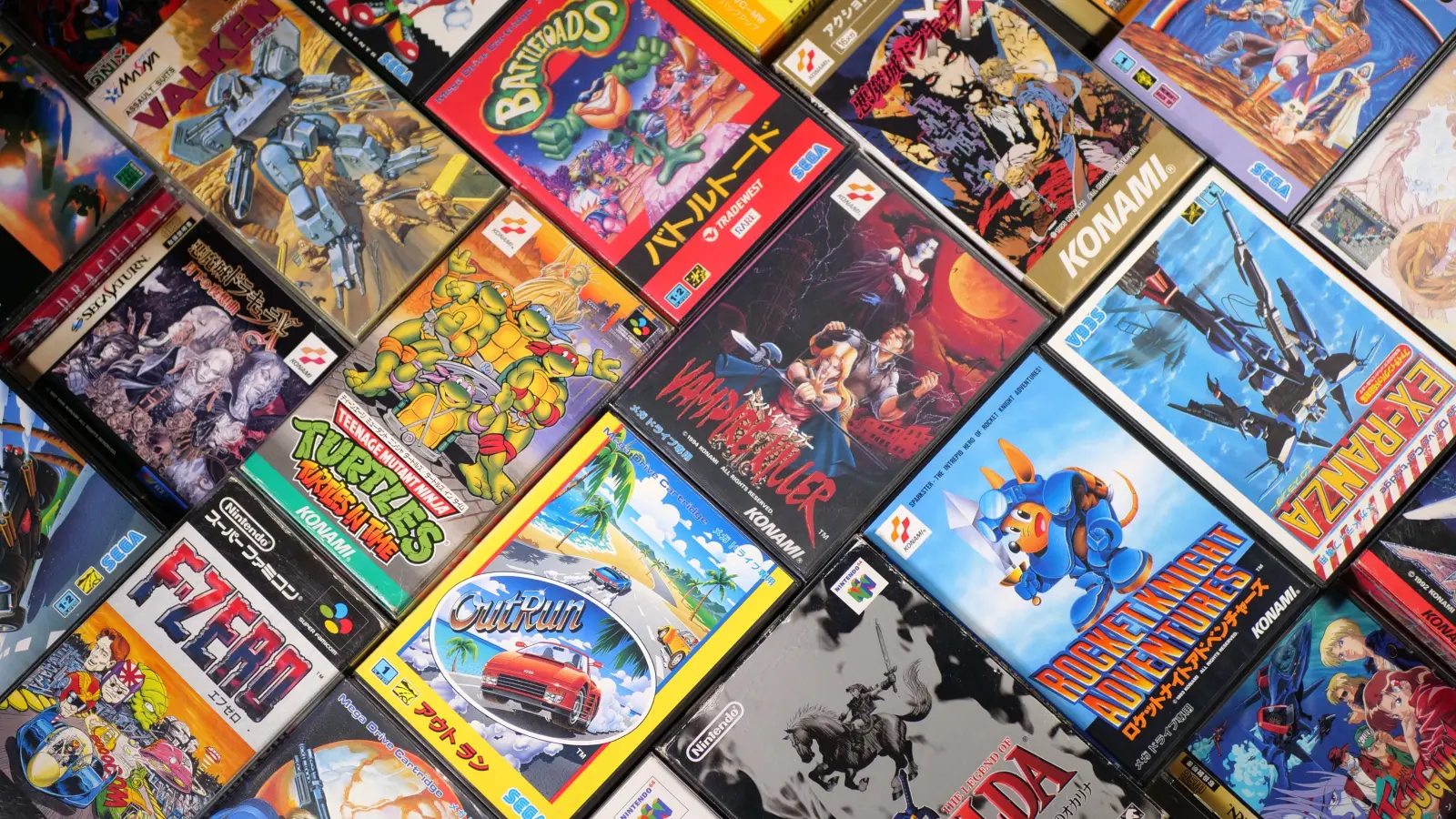
The most dissatisfaction comes from companies involved in physical game releases. Publishers like iam8bit, Fangamer, Lost In Cult, and Red Art Games have openly expressed concern over Sony's decision. For them, a physical release is not just a disc in a box, but also a part of game preservation, collecting, and the feeling of real ownership over the purchased product.
GamesIndustry.biz also notes that among the dissatisfied companies are Atari, iam8bit, Lost in Cult, and Silver Lining Interactive, which shows that the discussion is not limited to fan comments. This is a business issue for an entire smaller segment of the industry, especially for publishers who have built an audience around limited and collectible physical editions.
The discussion also included Shawn Layden, former head of PlayStation Studios. His comment was quite cool and realistic: he finds the decision dramatic, but it was likely made based on the numbers. Layden believes that digital sales have been on the rise for a long time, and the pandemic has further accelerated changes in consumer habits. However, he also reminded that there are players who still rely on physical games, for example, due to poor internet or special circumstances where the digital model is not ideal.
Investors are satisfied, players much less so
Interestingly, Sony's stock rose after the announcement. According to a report from Push Square, the stock closed 3.2 percent higher on the day of the announcement, at 3,354 yen, while the Nikkei 225 fell about one percent during the same period. Investors are clearly attracted to the idea of greater control over game sales through their own digital store, as the digital model eliminates used games, reselling, and some dependence on retail stores.
On the other hand, for some players, this is precisely the biggest problem. Digital purchase increasingly means access to a license rather than traditional ownership of the product. This was also pointed out by French politician Jean-Luc Mélenchon, who commented that players in such a model will pay without actual ownership, without lending, reselling, and the security that what they purchased will remain available forever.
With this move, Sony is likely following the direction in which the market is already heading, but the problem lies in how the change is communicated. Players still do not have clear answers on how the purchase and sharing of digital games on PlayStation consoles will work. It is also unclear what the prices of games will be, and whether they will be purchasable from independent retailers. Until we get those answers, this topic will not go away. On the contrary, it seems that Sony has just opened one of the most important discussions ahead of the next generation of consoles.


-hero.webp)