Industrial Pulse #2 this time revolves around one theme: the prices of future gaming. While the current generation is still trying to stabilize through more expensive hardware, pricier subscriptions, and increasingly cautious publishing plans, there is already more talk about how much the next generation of consoles could cost. PlayStation 6 has not been officially announced yet, but the industry discussion around it already shows how the rules of business have changed.
Sony recently stated during a Q&A session for the Game & Network Services segment that it does not intend to sell hardware at significant losses. The company indicates that it is unrealistic to expect Sony to absorb all the rising component costs, especially after certain price increases have already been implemented outside Japan. This does not mean that the price of PlayStation 6 is confirmed, but it clearly shows that Sony is relying less on the old model of aggressive console subsidization.
Some industry analysts and insider sources are already mentioning very high production costs for the next PlayStation console. Reportedly, the basic material cost for PlayStation 6 is around $960, while a figure of $760 was mentioned a few months earlier. Such estimates should be treated as unofficial for now, but they fit well into the broader narrative about rising prices of memory, SSDs, production, and logistics.
If such costs prove accurate, Sony would face a very uncomfortable calculation. A $999 console might still psychologically appear as an attempt to keep the price below the four-digit threshold, but in practice, it could still mean a significant loss per unit sold. That is why there is increasing talk that the next generation may not only be a technological leap but also a market divide between mass console hardware and increasingly expensive premium gaming.
Another important industry signal comes from Japan. Koei Tecmo is reportedly working on a completely new action IP codenamed Fuji, and the project is linked to the Japanese IP360 program, which aims to encourage the development of new globally competitive intellectual properties. According to the project description, Koei Tecmo wants to leverage its experience in action games and East Asian aesthetics, while also laying the groundwork for brand expansion beyond the game itself, potentially towards anime, manga, and other media.
This is particularly interesting as it shows how the Japanese industry is increasingly viewing video games as a strategic cultural export. Koei Tecmo already has a strong pedigree through Ninja Gaiden, Nioh, Dynasty Warriors, Wo Long: Fallen Dynasty, and Rise of the Ronin, but the Fuji project could be an attempt to create a new major brand instead of relying solely on existing franchises. At a time when major publishers are investing more cautiously in new IPs, government support could become an important tool for risk reduction.
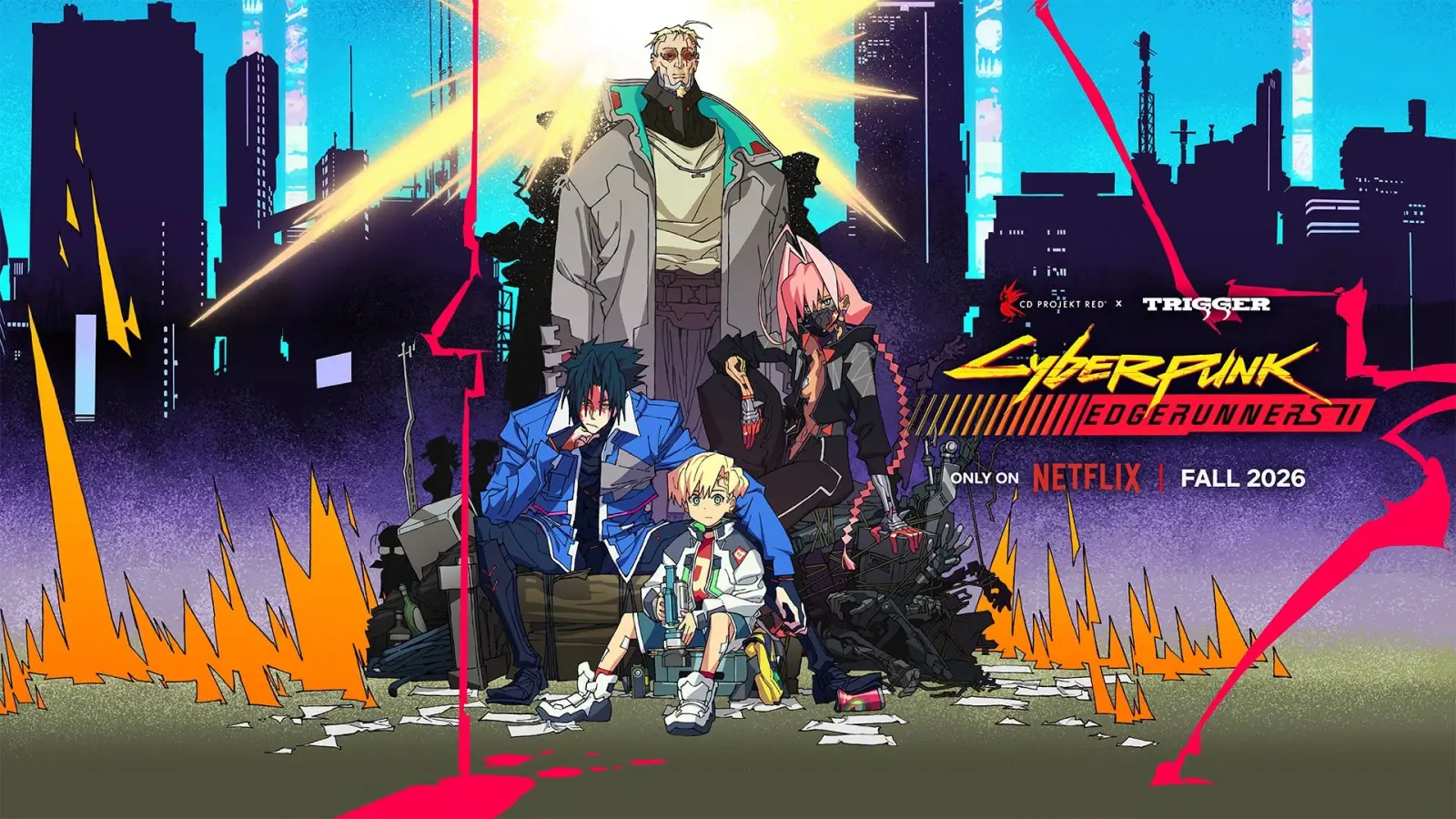
A change has also occurred in Poland. CD Projekt has voted to change its company name to CD Projekt Red after 32 years of existence, aligning the corporate identity with the name of the development studio behind The Witcher and Cyberpunk series. The goal of the change is more consistent global brand communication, especially as the company increasingly focuses on developing its own games.
Although this change initially seems more formal than dramatic, it actually summarizes the broader direction of the company well. CD Projekt has been a broader business framework for years, while CD Projekt Red has been the name most associated with major RPG titles by players. After the separation of GOG and an increasing focus on its own games, the name CD Projekt Red becomes a more logical public identity for a company that wants the market to recognize it primarily for the development of large premium projects.