✅ Prednosti
- Good focus on cooperative expeditions
- Intuitive tools and pleasant exploration
- Beautiful visual presentation
- Ambient music enhances the experience
- Core gameplay loop is fun
❌ Nedostaci
- Loss of freedom in exploration
- Occasional bugs and animation issues
- New focus may disappoint original fans
- Lack of content and balancing
- Not a revolution compared to predecessor
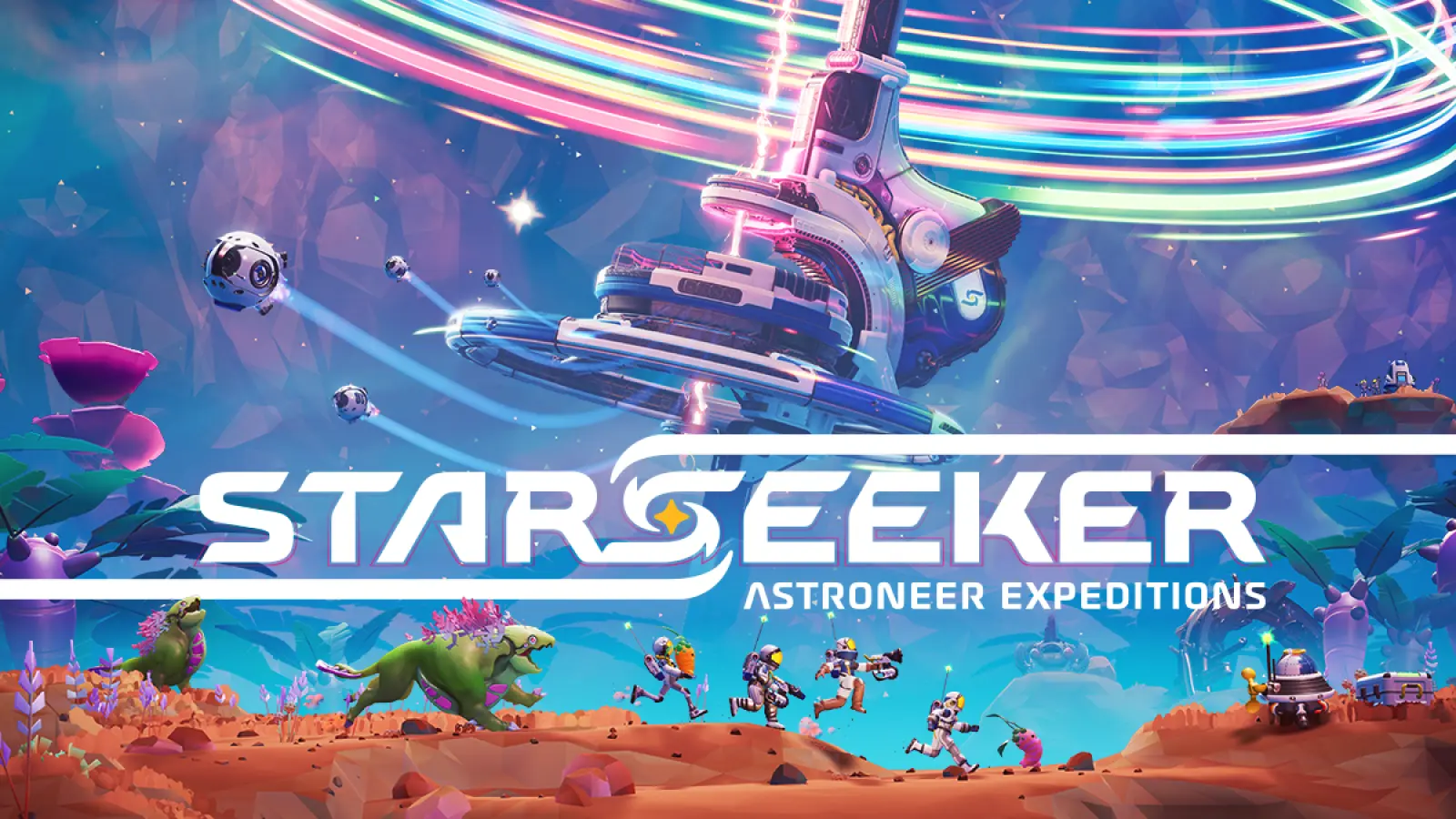
After years of exploration, building, and relaxed survival in the original Astroneer, STARSEEKER: Astroneer Expeditions has decided to take a completely different direction. Instead of a sandbox adventure where you explored planets at your own pace, the focus here is on cooperative expeditions, completing tasks, and returning with valuable resources before the universe reminds you how inhospitable it can be. The change is significant, but the question is whether it works as well as the original.
Even after the first missions, it is clear that STARSEEKER is not intended as a sequel that will copy Astroneer, but rather as a sort of spin-off. Each expedition begins with preparations at the home station, followed by landing on procedurally generated planets full of resources, dangers, and objectives to fulfill. While it can be played solo, it quickly becomes obvious that the entire game is designed around multiplayer cooperation.
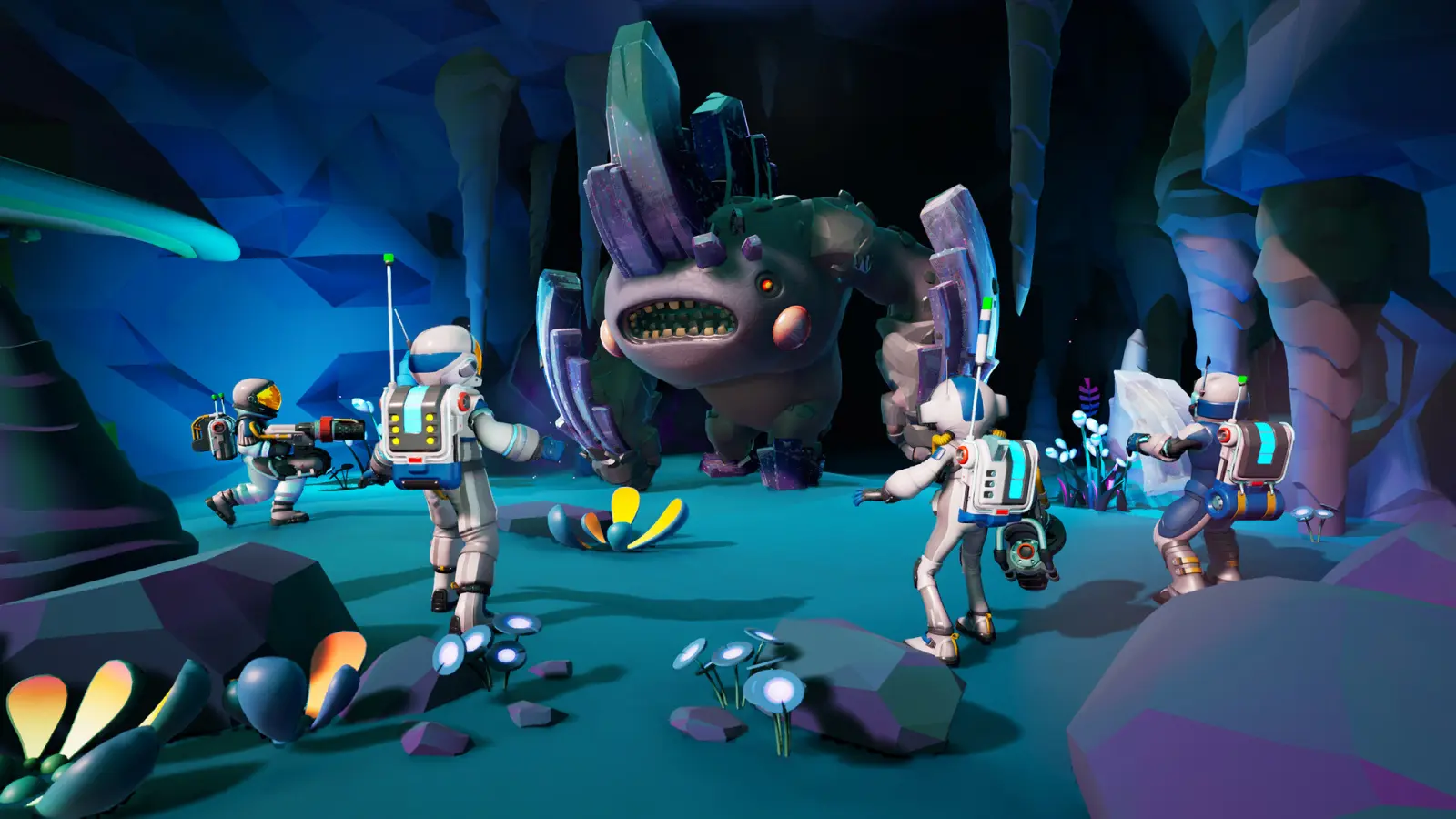
The best moments occur precisely when the team starts to function like a well-oiled machine. While one player explores the terrain, another gathers resources, a third sets up equipment, and a fourth tries to save the situation when everything inevitably goes wrong. Such situations create a natural dose of chaos that often results in funny moments, but also a sense of satisfaction when the entire expedition is successfully completed.
The gameplay retains the familiar simplicity of controls and the recognizable visual identity of the series. The tools are intuitive, exploration is enjoyable, and the feeling of discovering new locations is still present. However, due to the mission structure, the game loses some of the freedom that made the original Astroneer such a relaxing experience. Here, there is always a specific goal, time pressure, or task pushing you forward, leaving less room for carefree wandering and building your own projects.
Visually, the game looks very nice. Colorful planets, striking lighting, and minimalist design recreate an atmosphere that feels both friendly and mysterious. The sound also does a good job, especially the ambient music that unobtrusively accompanies the action during exploration and further enhances the feeling that you are just a small explorer in a vast galaxy.
From a technical standpoint, minor issues characteristic of an early development phase can still be noticed. Occasional bugs, some animation or synchronization problems are not serious enough to ruin the experience, but they clearly show that the game will continue to mature through future updates. Fortunately, the core gameplay loop is entertaining enough that any technical shortcomings can easily be overlooked for now.
What will most divide players is not the quality of execution but the very change in the philosophy of the series. Fans of the original Astroneer who enjoyed slow exploration and creative building may find themselves somewhat disappointed by the new focus on missions and cooperative task execution. On the other hand, those who enjoy games like Deep Rock Galactic or other extraction titles will find plenty of reasons for "just one more expedition," which, of course, can easily turn into several hours of gameplay.
STARSEEKER: Astroneer Expeditions is not a revolution nor does it try to surpass its predecessor. Instead, it offers a different experience that works best in the company of friends. There is still room for improvement, more content, and better balancing, but the foundations are solid enough to make it an interesting title for anyone looking for a lighter cooperative space adventure. It won't win over every fan of Astroneer, but it will certainly find its audience among players who enjoy exploration, teamwork, and the occasional chaos that arises when four astronauts try to solve the same problem in four completely different ways.
A copy of the PlayStation 5 version of the game for review purposes was provided by the publisher Devolver Digital






-hero.webp)
-hero.webp)








-hero.webp)