Tales of Arise - Beyond the Dawn Edition: A beautiful JRPG that still lacks a bit of soul.
✅ Prednosti
- Beautiful graphics and impressive visuals
- Fast and attractive combat
- Good character development through skits
- Additional expansion in Beyond the Dawn Edition
- Interesting story with themes of slavery and conflict
❌ Nedostaci
- Chemistry between characters is not always strong
- World structure feels stiff
- Generic side quests
- Longer loading times before skits
- Lack of liveliness in the world
The Tales series has a long history, a loyal audience, and a very specific charm. These are games that primarily thrive on their characters, their chemistry, casual skits, anime drama, effect-laden battles, and the feeling that you are embarking on an adventure with a team. That's why I was looking forward to Tales of Arise, especially now that it has arrived on Switch 2 in the Beyond the Dawn Edition.
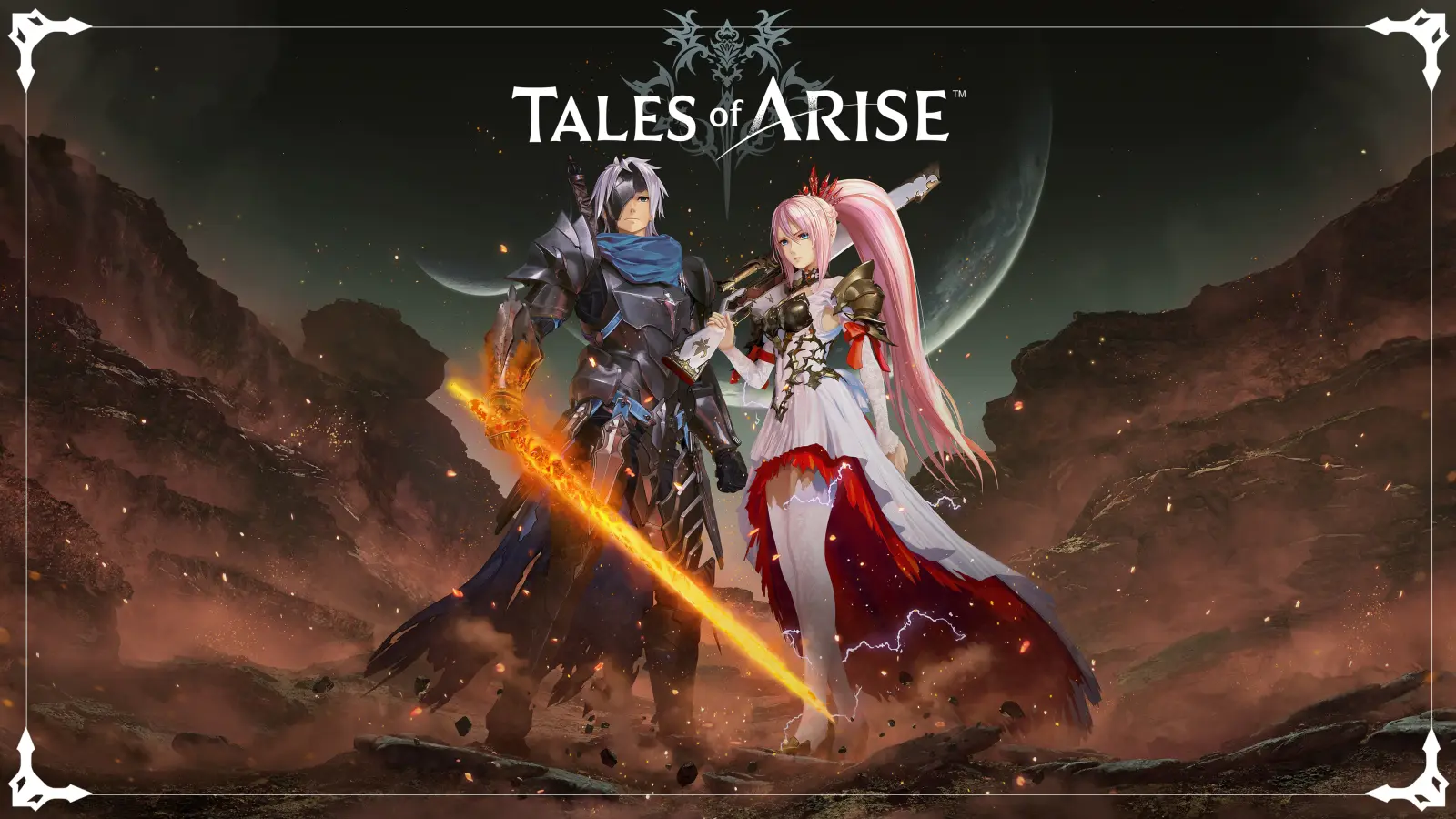
It should be said right away: Arise is a beautiful game. Really beautiful. Graphically, this is undoubtedly one of the most impressive installments in the series, with excellent art, beautiful colors, explosive battles, and characters that look modern, clean, and attractive. Compared to older installments, Arise is a significant visual step forward.
The story starts from an interesting premise, the clash of two worlds: Rena and Dahna. The world of Dahna has been under the boot of technologically and magically superior Renans for three centuries, and the game immediately opens themes of slavery, occupation, oppression, and rebellion. Alphen, a man without memory and pain, meets Shionne, a Renan whom no one can touch because her curse inflicts physical, burning pain on everyone. The two of them, of course, end up together fighting against the system, each with their own motives.
This basic idea works: the theme of slavery and the conflict of two worlds gives the game a more serious tone, and Shionne's background, especially the idea that she is literally untouchable, has potential. The problem is that Tales of Arise doesn't always manage to extract the maximum from this. Alphen is noble, just, idealistic, and so morally upright that he feels like someone designed him according to a checklist. He’s not bad, but he’s not particularly interesting either. Personally, I find Shionne to be the better character, especially because of her inner distance and defensive stance, but the chemistry between the two of them doesn’t always work as strongly as it should.
This might be the biggest difference compared to some older Tales titles. Arise is graphically superior, but it feels like part of that old charm has been left behind. The characters are neatly written, they have their problems, motives, and moments, but I rarely felt that I was truly connecting with them, and a strong party dynamic is exactly what should make a Tales game.
Of course, the team expands over time, and the game adopts the classic structure of a party that travels, comments, argues, grows, and tries to gain additional depth through skits. Alongside Alphen and Shionne, there are Rinwell, Law, Kisara, and Dohalim, each bringing a different fighting style and personality. Rinwell, as a mage, provides a good rhythm to the fight from a distance and can be very useful when you want to play it safe, Law is a faster and more aggressive close-range fighter, Kisara brings a more defensive approach and a tank-like feel, while Dohalim combines healing, magic, and a more elegant fighting style. On paper, it's a great team for experimentation.
In practice, however, I often found myself sticking to one main character while the others operated under AI control. The game allows you to switch the controlled character during battles, but the system isn’t natural and smooth enough to constantly push me to switch. It's a shame because different characters really change the feel of the combat. Alphen is the most direct and easiest to access quickly, Shionne works well as support and healer, Rinwell is useful when you want to keep your distance and cast spells from the side, while Law brings a faster, physical rhythm.
Skits are still an important part of the series' identity. There are good moments, there is useful character development, but it lacks the memorable energy found in the best installments. The voice acting is decent; I mostly played in English and the acting comes across well, but again: the Tales series used to have stronger casts and a better feeling of listening to people who truly breathe together as a team.
The combat is probably the strongest gameplay element. Tales of Arise features fast, chaotic, and visually explosive combat that at its best moments looks like a fireworks display. The system is deeper than it may seem at first. You have different arts, combinations, boost attacks, dodging, elements, weaknesses, equipment, and the ability to fine-tune your builds. For example, you can build Alphen around a more aggressive approach with his fire attacks, keep Shionne as support and a healer, go for faster combos with Law, and use Rinwell for magical pressure and interrupting enemy spells.
On the other hand, the game often allows you to simply mash your way through a good portion of battles to victory. Not completely brainless, but enough that part of the depth remains optional if you're not playing on a higher difficulty or if you don't feel like engaging with every system. When the combat clicks, it’s really fun. It’s fast, attractive, and full of effects. But it can also become overwhelming, especially when the screen explodes with attacks, numbers, lights, and anime energy.
Boss battles are a double-edged sword. They are cinematic, attractive, and have a sense of importance, but many bosses and stronger opponents have too much health, to the point where the battle becomes tedious.
The world structure is one of the weaker parts for me. Tales of Arise at times feels like it wants to be a more modern action RPG like The Witcher 3, but it still has very clearly separated maps, corridors, and zones that serve as links between battles, dialogues, and the next important location. There’s no real sense of a large, living world.
The first zone is a lot of brown, fire, and mines, which thematically makes sense, but visually it’s not the most exciting start. The second zone turns things in a completely different direction, with a cooler palette, snow, blue tones, and a city where a different form of control and repression is felt. Later locations bring more diversity, from greener and livelier spaces to more elegant cities and areas that try to show how each part of Dahna functions under a different Renan lord. The idea is good and each region has its identity, but I often missed the feeling of being in a truly living world, rather than a beautiful backdrop I pass through to get to the next battle.
NPCs often just stand around, waiting for you to activate them and say their line. After years of modern RPGs that have accustomed us to worlds with more rhythm, random interactions, and a sense of life, Arise can feel a bit stiff. I’m not asking for every villager to have a life story, but a bit more believability in the world wouldn’t hurt.
Side quests are, unfortunately, quite generic. They too often boil down to "bring this," "kill that," "return for a reward," and similar activities that exist because RPGs apparently need extra content, otherwise, an alarm goes off somewhere. Not all of them are terrible, but very few really drew me in. They are more there to fill space, provide materials, money, or a bit of additional context.
As for the Switch 2 version, Tales of Arise - Beyond the Dawn Edition runs quite solidly. The game targets a 1080p resolution in both docked and handheld modes, with gameplay at 30 fps, while some event scenes go up to 60 fps. In practice, the game looks sharp and stable, but don't expect the full fluidity you might want from such an action-oriented RPG. It's not problematic, but you can feel it, especially if you're used to higher frame rates. Performance is generally good, and I didn't encounter major technical issues, but I did notice some longer loading times, especially before skits.
Beyond the Dawn Edition also includes an additional expansion, which takes place after the main game and brings a new story arc, new quests, dungeons, and bosses. It's nice that everything is in one place, especially for players entering Arise for the first time. It's a complete edition and makes sense as a package, especially on the Switch 2, where larger JRPGs have added value due to handheld play.
What stuck with me the most is the scene where Alphen pulls the fiery sword from Shionne's core. That's the quintessential anime moment: dramatic, visually striking, a bit over the top, and fully aware of what it wants to be. This is where Tales of Arise shines the most: when it combines visual spectacle, music, combat, and emotional drama, it can be very effective.
The problem is that there are quite a few empty moments between those instances. The walking between battles isn't interesting enough, the world isn't lively enough, the side content isn't strong enough, and the characters didn't resonate with me enough to carry all of that on their backs. Combat and presentation often save the day, but not always.
Tales of Arise - Beyond the Dawn Edition is a good game, but not an excellent Tales game. Technically, it's very solid on the Switch 2, visually attractive, combat is flashy and deep when you give it space, and the main story has a good enough premise to keep things moving forward, but compared to some older entries, especially Abyss and Vesperia, it lacks a bit of soul, a bit of chemistry, and that feeling of being with a team you'll remember.
I would recommend it to fans of anime aesthetics, action JRPGs, and the Tales series in general. If this is your first Tales, you'll likely enjoy it, as the game looks modern and plays accessibly. If you grew up with the older entries, you might, like me, appreciate everything Arise does well, but at the same time, feel a bit nostalgic for the charm that the series used to have more strongly expressed.
A copy of the game for review purposes was provided by the publisher Bandai Namco
Recommendations
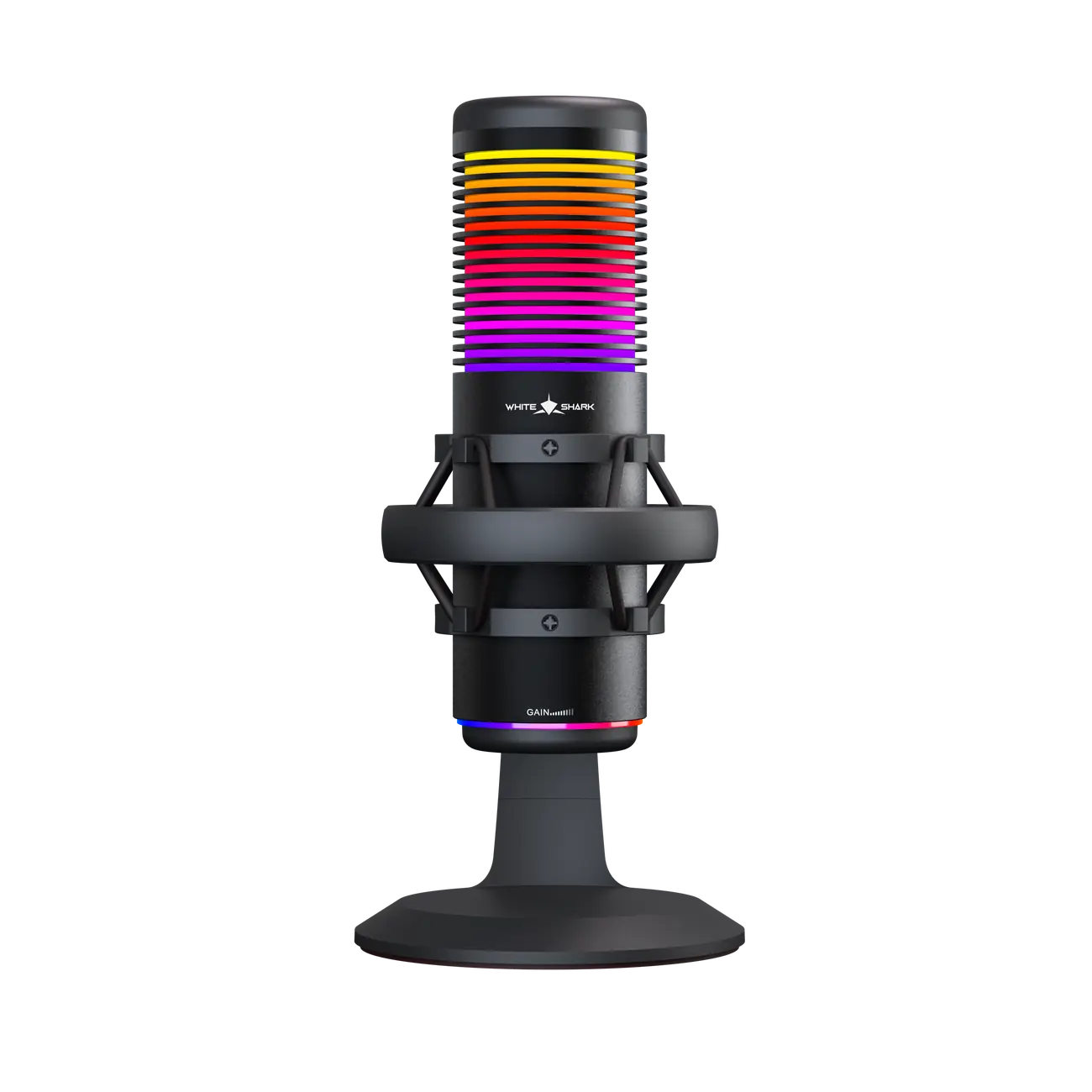
White Shark Ektara
White Shark EKTARA (DSM-07) je moderan USB kondenzatorski mikrofon dizajniran za streamere, podcastere, kreatore sadržaja i online komunikaciju.
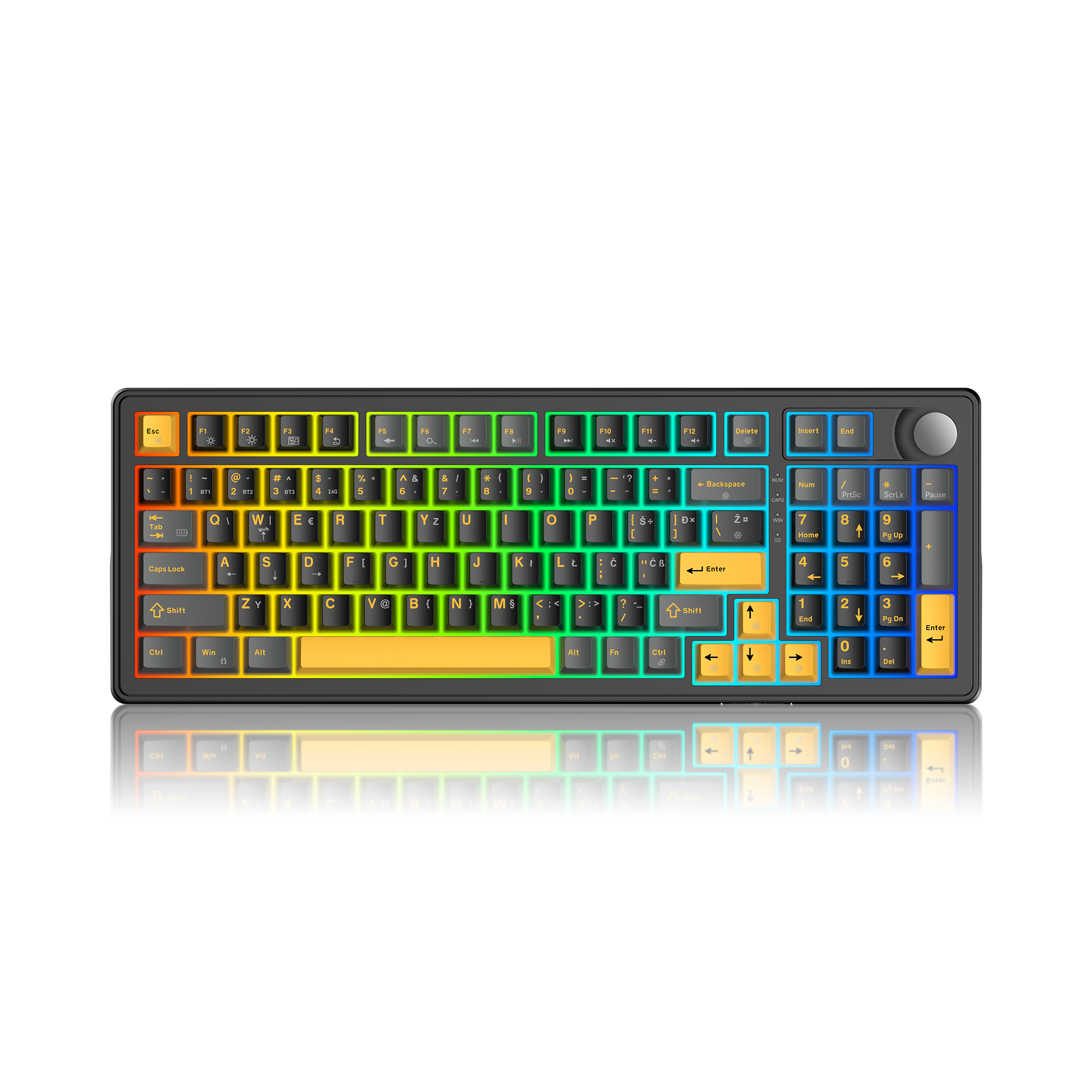
White Shark Excalibur L
Mehanička tipkovnica s 97 tipki, hot-swap prekidačima, RGB osvjetljenjem i tri načina povezivanja: USB-C, 2,4 GHz i Bluetooth.








-hero.webp)