✅ Prednosti
- Creates a sense of unease
- Main idea is original
- Technical side is solid
- Sound contributes to tension
- Encourages communication among players
❌ Nedostaci
- Gameplay becomes repetitive
- Lack of map variety
- Not a game for solo players
- Insufficient content for long-term play
- Inspiration from existing hits
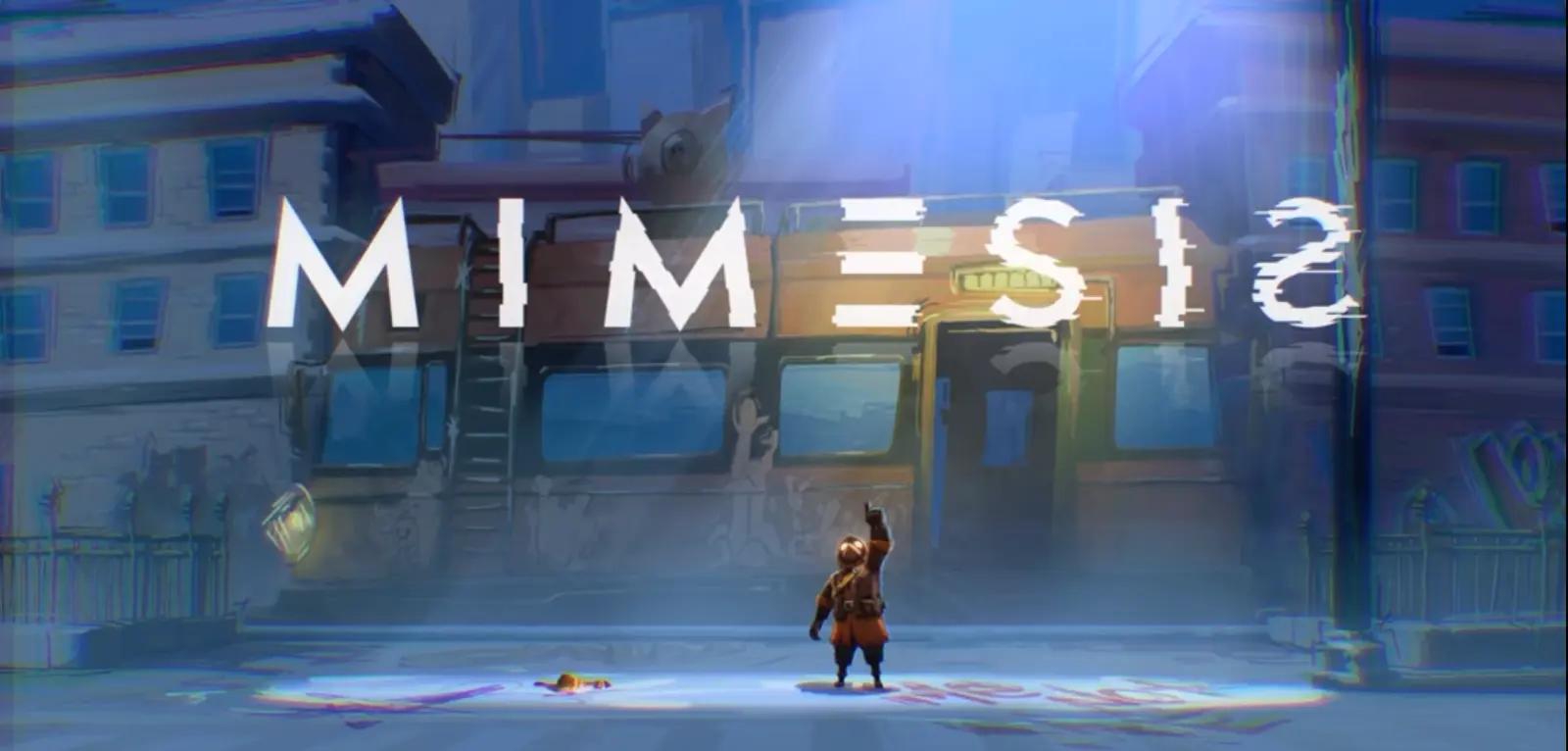
There are horror games that scare you with monsters. There are also those that scare you with darkness, sounds, or cheap jumpscares. And then there’s MIMESIS, a game that makes you doubt the person you were just having a perfectly normal conversation with on Discord ten seconds ago. If you’ve ever thought that Lethal Company and R.E.P.O. could use another dose of paranoia, ReLU Games clearly had the same idea. The result is a cooperative survival horror that finds its greatest strength in distrust.
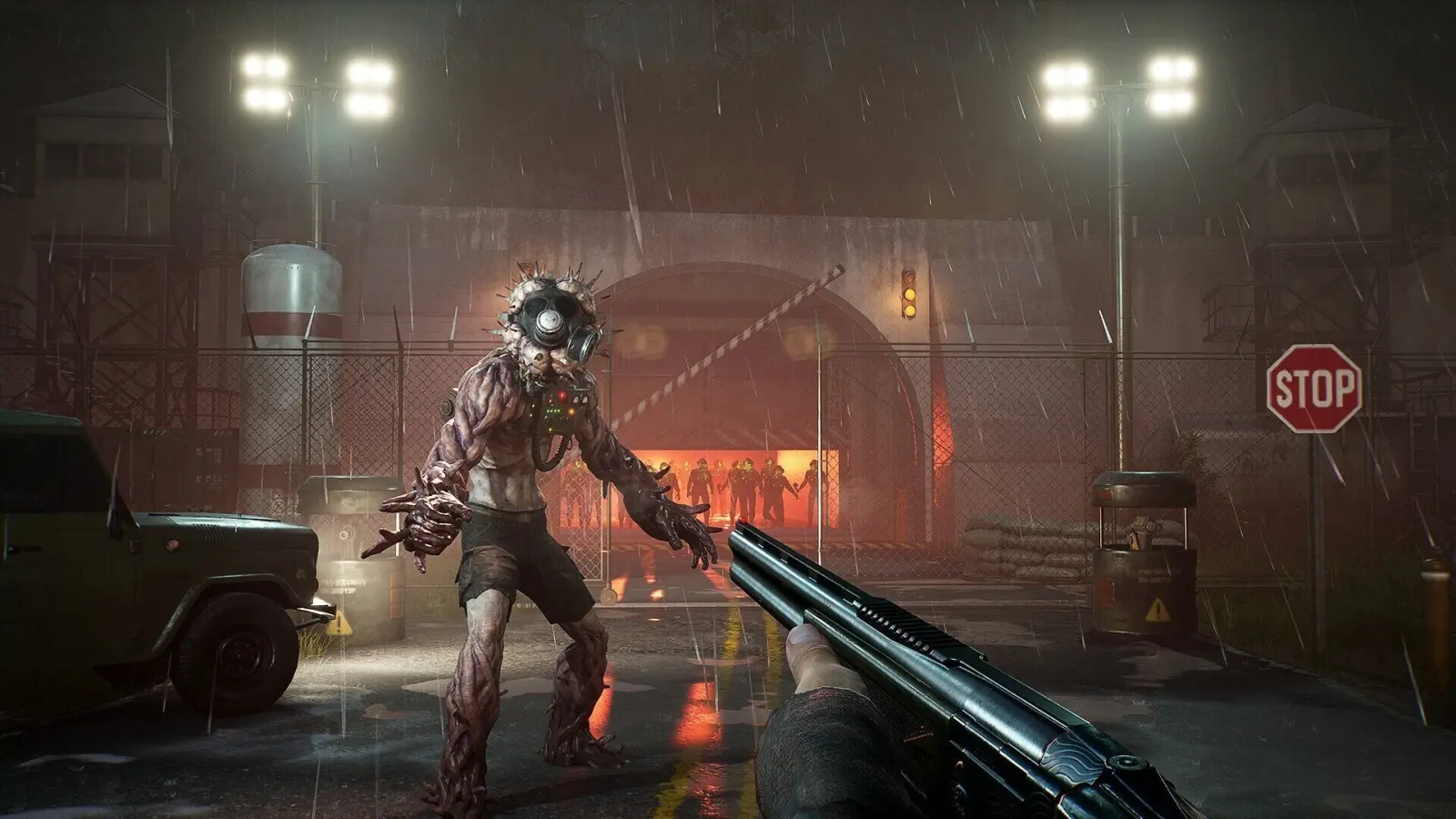
The premise is very simple. The world is struck by a mysterious rain that turns people into beings called Mimesis. The problem is not only that they are dangerous, but that they perfectly mimic the appearance, behavior, and even voice of your teammates. The goal is to explore locations, gather resources, and keep the tram moving while trying to survive yet another expedition. The story itself is never in the foreground, but it serves well as a backdrop for atmosphere and gameplay.
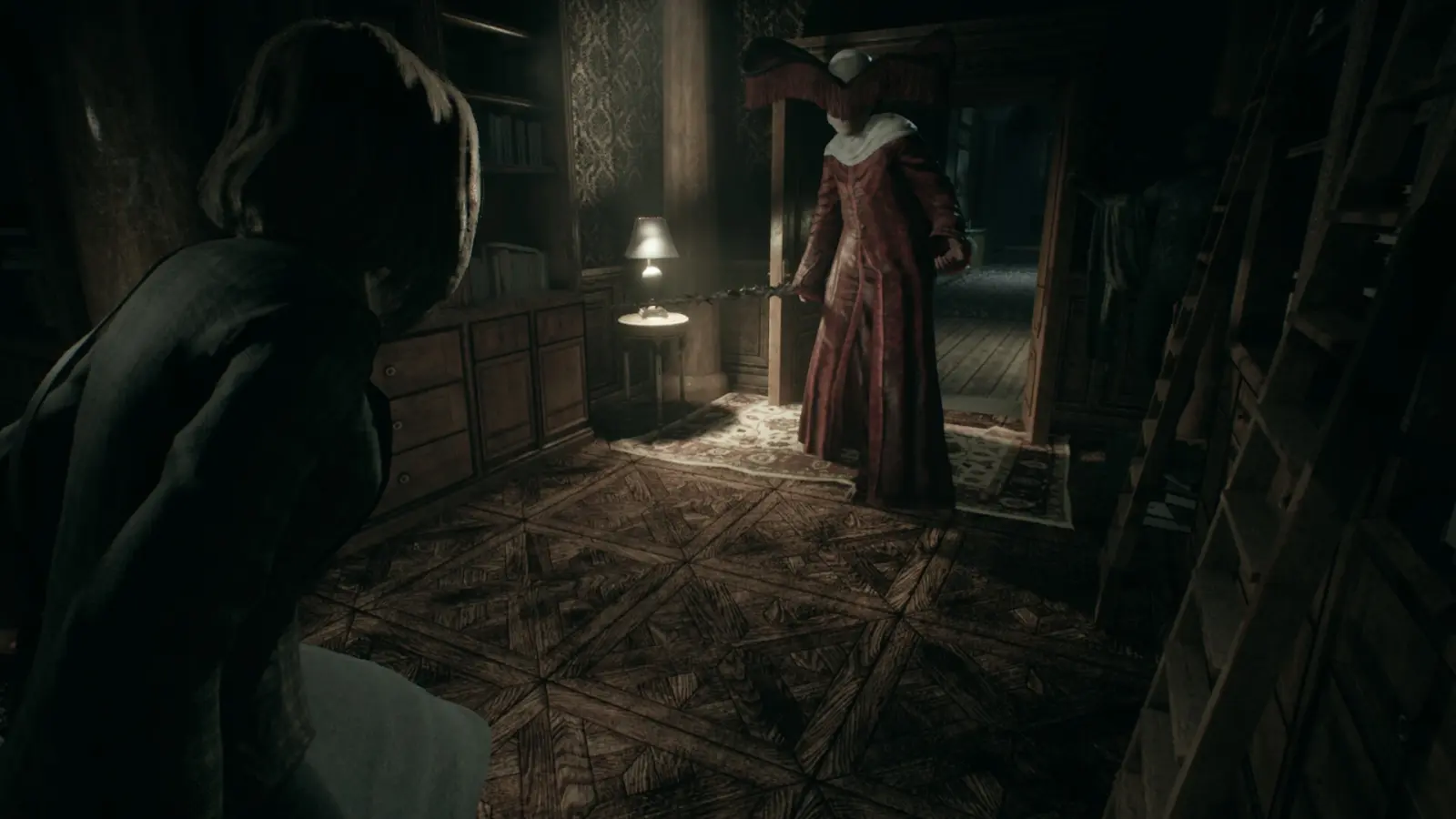
The first few sessions leave an excellent impression. MIMESIS quickly manages to create a sense of unease. Every voice you hear makes you pause, and every player coming from a dark hallway automatically becomes suspicious. The best moments are not when a monster attacks you, but when you spend five minutes debating whether a friend is really a friend or if AI is trying to lure you into certain death.
This is where the game shows how good its main idea is. The Mimesis are not ordinary enemies that just run at the player. They observe, imitate, and try to convince you that they are someone from your team. When the whole group starts accusing each other, MIMESIS achieves what few horror games manage. Fear comes from communication, not from loud music or sudden scenes.
Unfortunately, after the initial excitement, it becomes clear that the rest of the gameplay loop is still not at the same level. Exploration and resource gathering quickly become familiar, the number of maps is not large, and after a few hours, a certain repetitiveness starts to set in. If you’ve already spent dozens of hours in games like Lethal Company, some mechanics will feel very familiar. This is not necessarily bad, but it’s hard to ignore how much inspiration comes from existing hits.
The technical side leaves a solid impression for an Early Access title. Performance is mostly stable, and the visual style successfully balances between a somewhat stylized look and a creepy atmosphere. Sound is perhaps the most important element here. A good headset is almost mandatory because it’s the voices and spatial audio that create most of the tension. Without quality communication, a large part of the magic is lost.
What’s important to emphasize is that MIMESIS is not a game for lone wolves. Technically, you can start it alone, but almost the entire concept loses its meaning then. This is a title that thrives on friendly arguments, false accusations, and situations where everyone swears they are telling the truth. If you don’t have a regular group to play with, you’ll find it hard to experience the best that the game has to offer. On the other hand, if you regularly gather for evening horror sessions, it could easily become your new favorite destination for destroying mutual trust.
MIMESIS may not yet be a finished product nor does it bring a revolution to the cooperative horror genre, but its main idea is original enough to be worth trying. It needs more content, better balance, and more variety to keep players engaged in the long run, but the foundations are very solid. When the game manages to make the whole team question a single player for several minutes just because they are too quiet, it is clear that it has hit the most important aspect.
A copy of the PC version of the game for review purposes was provided by the publisher Krafton


-hero.webp)
-hero.webp)









-hero.webp)