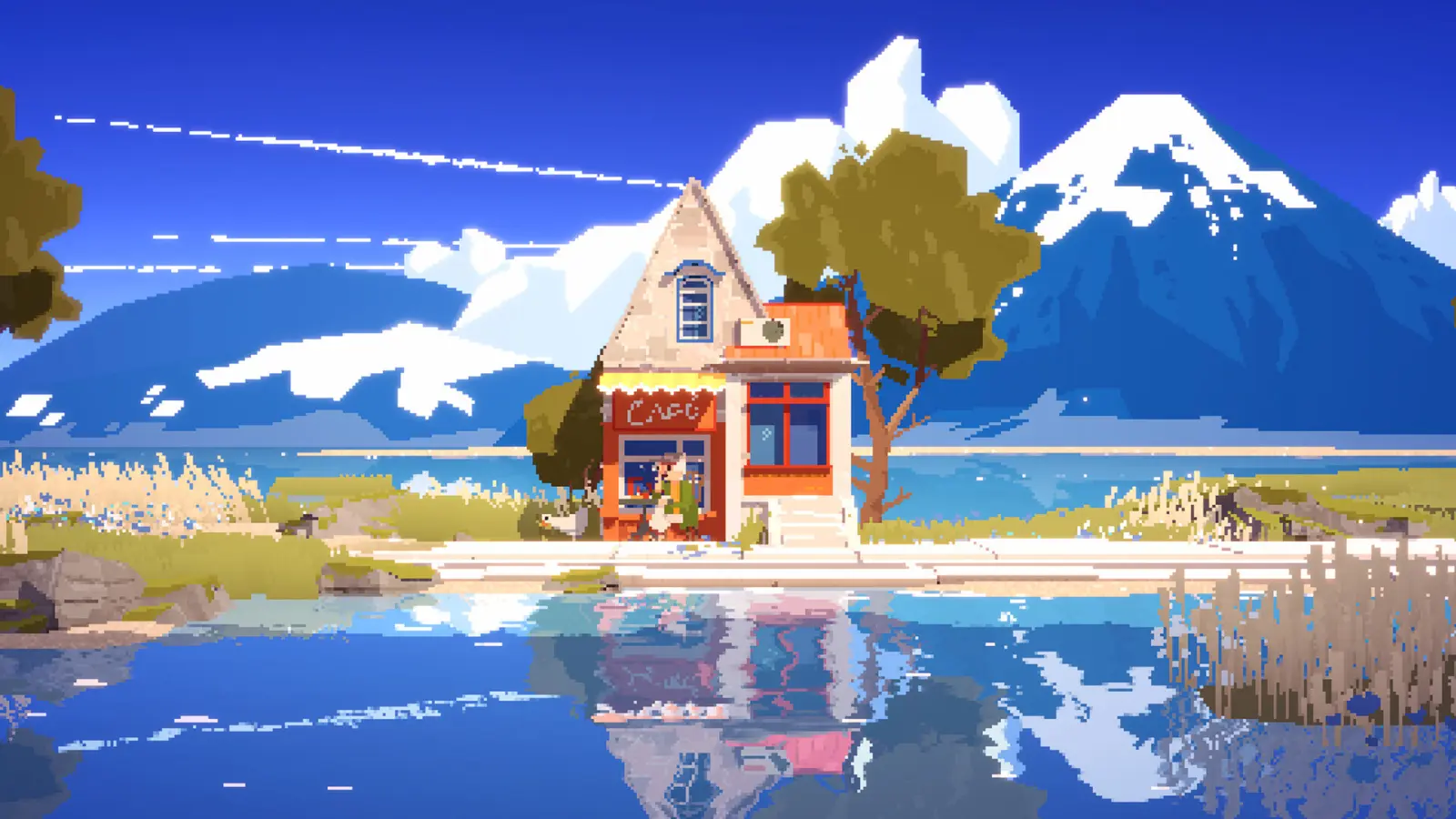
There is a whole wave of games trying to recreate a sense of peace. You know how it goes: warm light, plants on the windowsill, acoustic guitar somewhere in the background, and an atmosphere that seems to gently pat you on the shoulder all the time. The problem is that most of these games desperately want to be “cozy” that they end up feeling sterile, like a furniture catalog for people who light scented candles as soon as the temperature drops below 20 degrees. Summerhouse is much smarter than that.
It doesn’t try to impress you. It doesn’t try to keep you at any cost. It just gives you a few walls, windows, and roofs and says: here, build.
On paper, Summerhouse sounds almost laughably simple. You build small houses and improvised neighborhoods without any rules, resources, or goals. There’s no economy, no management, no “gameplay loop” that we’ve come to expect from such games. Honestly, for the first ten minutes, I wasn’t sure if there was anything here that could keep me engaged. Then I caught myself spending twenty minutes trying to assemble a balcony that reminded me of an apartment somewhere on the Italian coast where I vacationed ten years ago.
And that’s where Summerhouse wins.
This isn’t a game you “play” in the traditional sense. It feels more like a little mental break between everything else. You turn it on before bed, build two houses, add a chimney that serves no purpose other than looking nice, and suddenly forty minutes have passed. The Switch suits it perfectly because it feels like a game made for handheld, for those short moments when you want to do something with your hands, but your brain no longer has the capacity for another skill tree, crafting system, or a map full of icons.
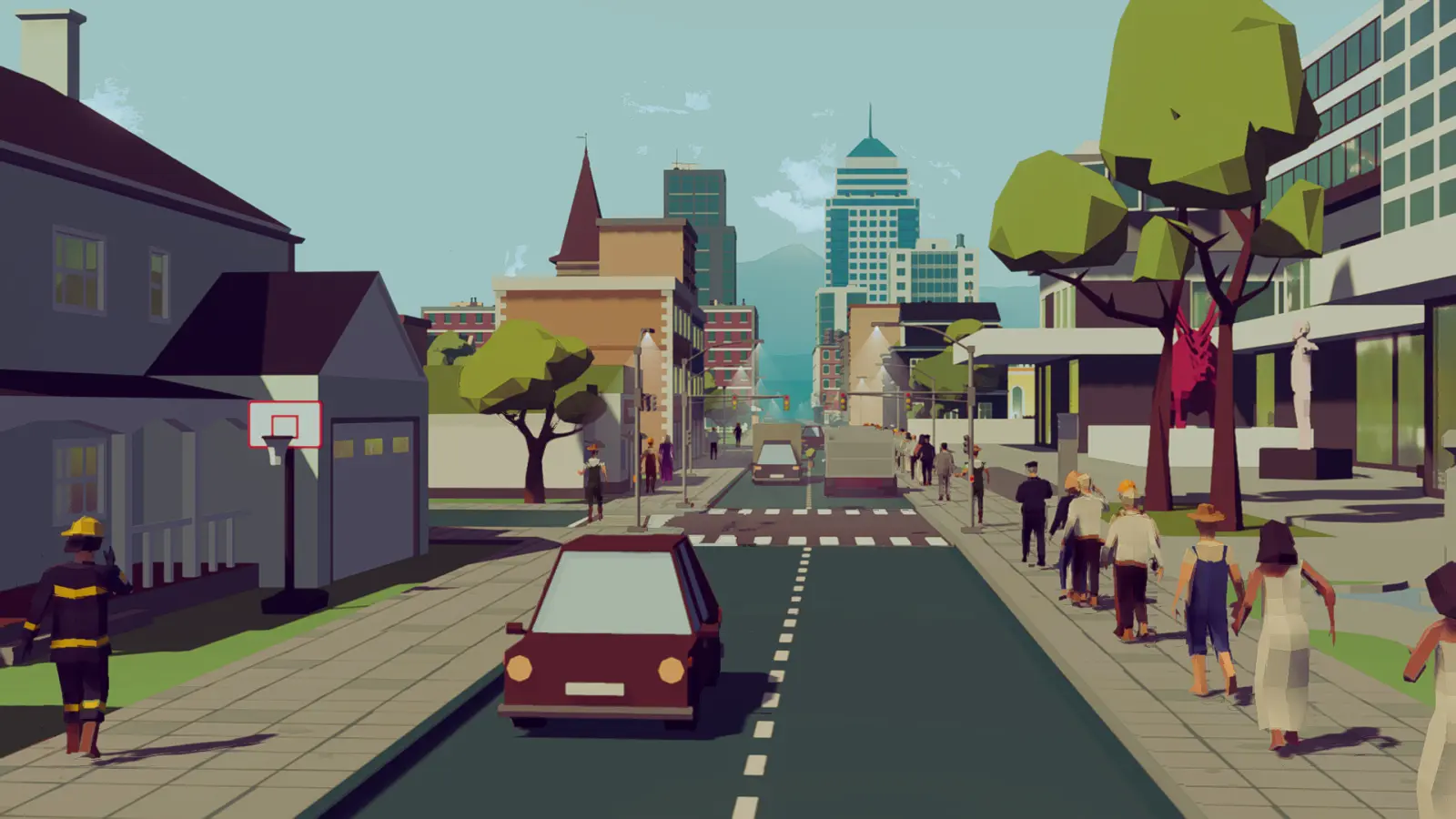
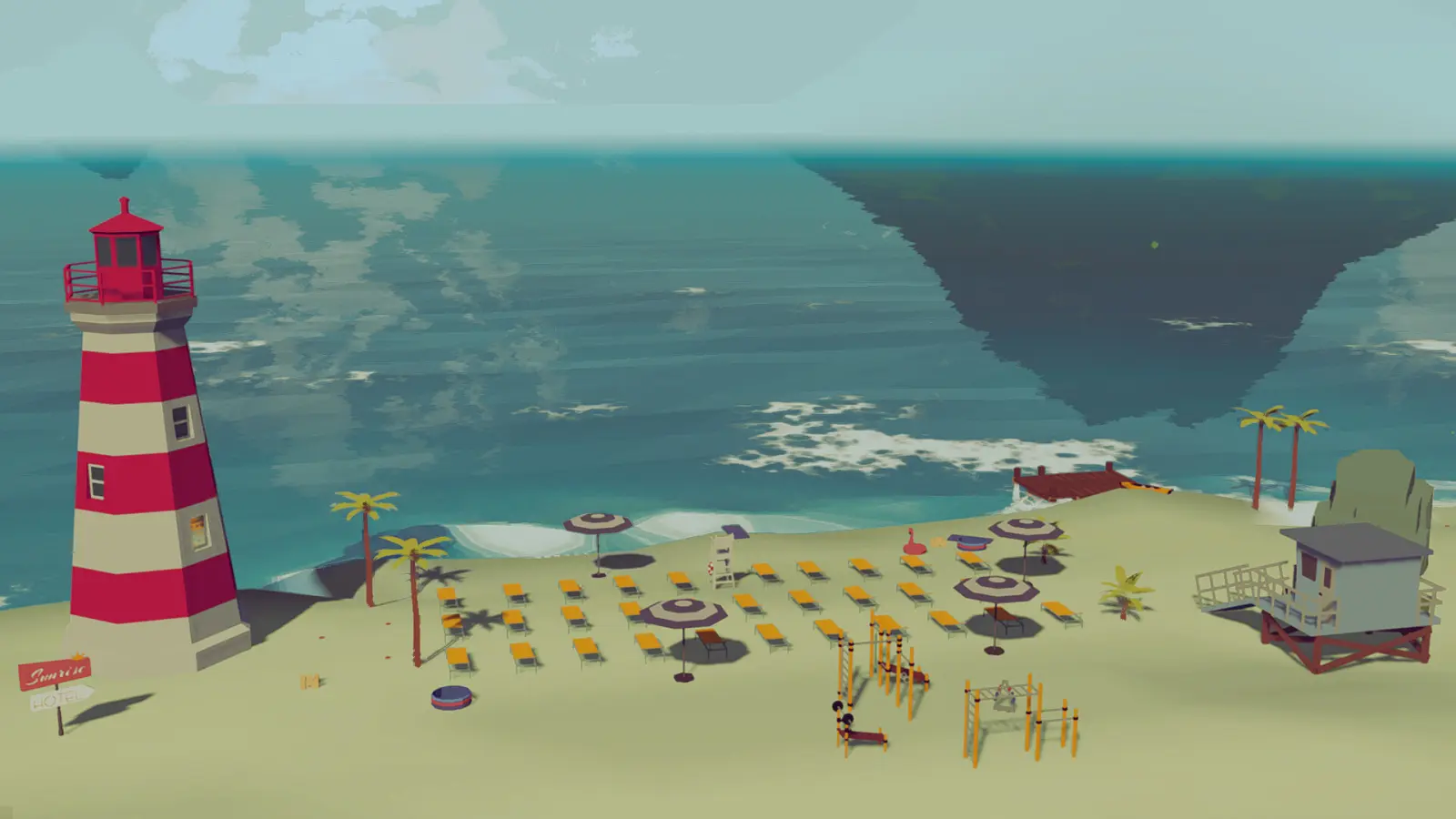
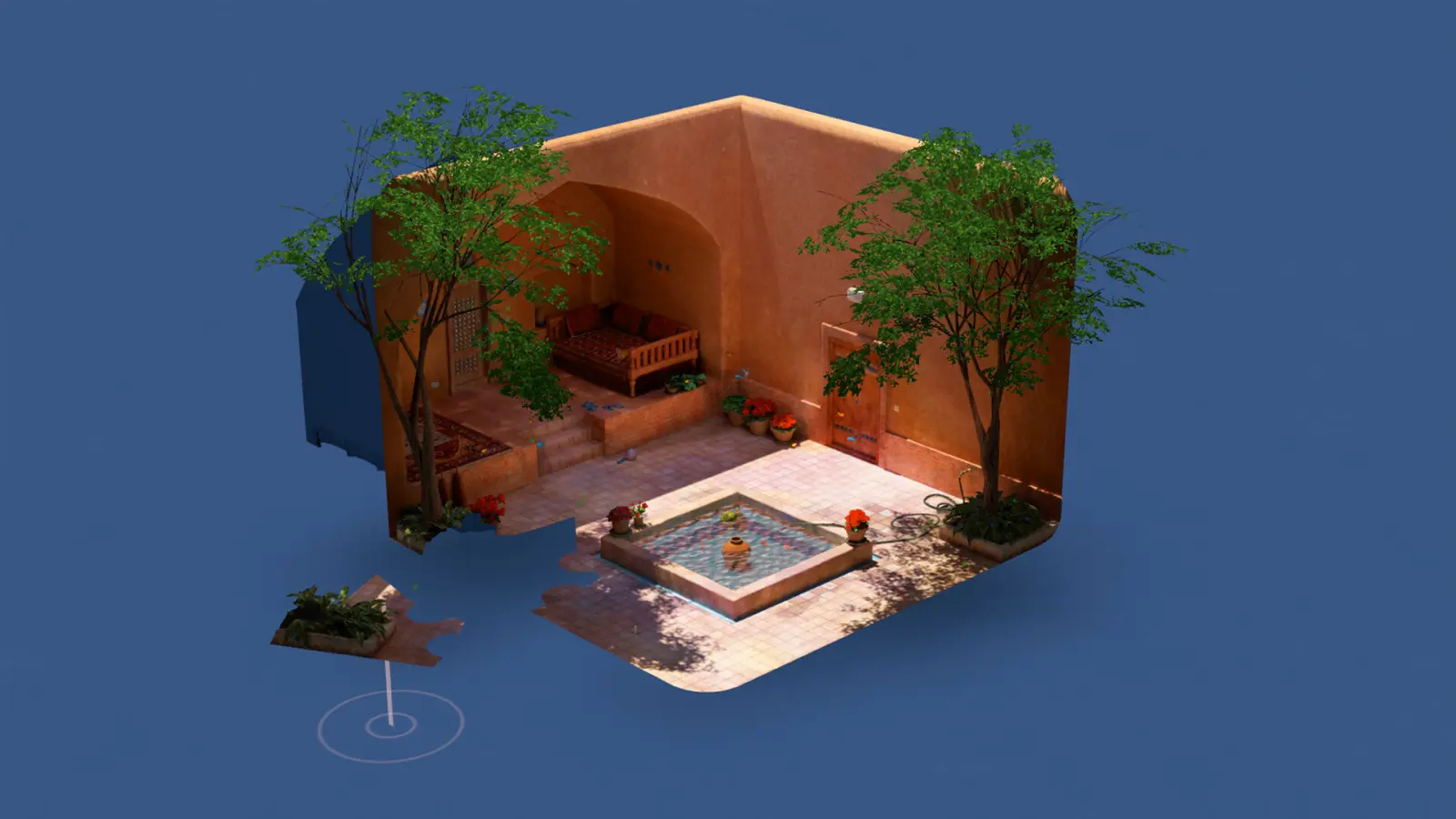
Visually, it’s beautiful in that unobtrusive way that we rarely see today. Pastel colors, slightly faded textures, and small details that make every space feel somewhat real. At one point, I built a small street with plants and improvised balconies that looked so convincingly Mediterranean that it reminded me of half of Dalmatia in October, when tourists disappear, and only shutters, laundry, and people slowly sipping coffee remain.
The best thing about Summerhouse is that it understands how rare it is today to come across a game that doesn’t constantly ask something of you. There are no daily tasks, no battle passes, no notifications, or the feeling that you’re “behind” if you don’t play every day. Just space, atmosphere, and the feeling that you’re building something for your own enjoyment, not because the game rewards you with dopamine crumbs every five minutes.
Of course, it won’t appeal to everyone. If you need clear goals, progression, or a sense of unlocking new things, Summerhouse might quickly feel empty to you. Occasionally, I also wished for a bit more tools or interaction, maybe a few more details that would give the space additional character. But every time I thought that, the game somehow reminded me that its point was never about the amount of content.
The point is the feeling.
And that feeling is something that very few games today hit so precisely.
A copy of the Nintendo Switch version for review purposes was provided by the publisher Future Friends Games




-(1)-hero.webp)












-hero.webp)










-hero.webp)