2027 in theory, 2028 in practice
Choosing January 2028 as the moment for the end of discs is almost certainly not a coincidence. Analysts immediately drew that line: setting the "end of discs" on that date practically guarantees that the PS6 won't arrive before that year.
The context from industry sources confirms this. The traditional seven-year cycle, which saw both the PS3 and PS4 receive successors after seven years, would suggest 2027 for the PS5 from 2020. However, the reality is more complicated. The main culprit for the delay is the global shortage of memory (RAM), driven by the explosive growth of AI data centers. Bloomberg reported in early 2026 that Sony is considering pushing the launch to 2028 or even 2029 because of this.
In short: the earliest holiday 2027, but more realistically 2028, with a real possibility of slipping further if the memory crisis does not settle down.
A hardware leap in power, but a "smart" leap
With the obligatory caveat that Sony has not officially confirmed anything, leaked documents and reports agree on rough outlines. The console is referred to in those materials by the codename "Orion," and is based on the collaboration between Sony and AMD known as Project Amethyst.
Expected:
AMD's custom chip combining a Zen 6 class CPU with an RDNA 5 architecture-based GPU, on a 3nm process
about three times the performance of the base PS5, with six to twelve times better ray tracing
24 to 32 GB of fast GDDR7 memory, which is a significant jump compared to the PS5
targets like native 4K at 120 frames per second, with upscaled 8K capabilities
The key message is that the PS6 will not just be a "faster PS5." The emphasis is shifting from brute-force power to AI. Instead of chasing raw resolution, the architecture is built around machine learning: advanced PSSR upscaling, hardware path tracing, and frame-generation techniques embedded directly into silicon. Mark Cerny, the architect of the PS4 and PS5, hinted as early as late 2025 that machine learning is at the core of the next generation.
Digital from the start, a console without an optical drive
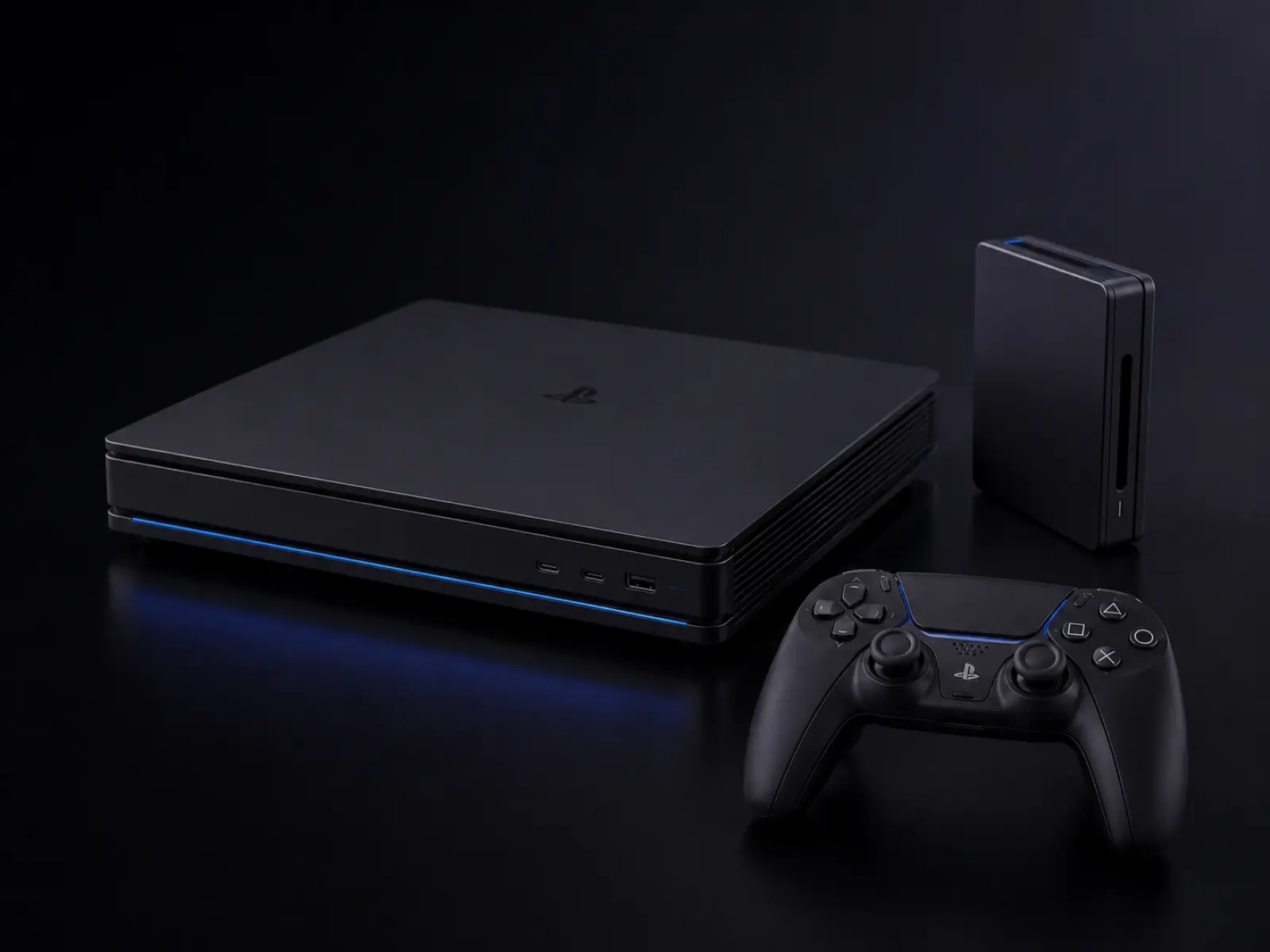
Here, the two announcements today and the story about the PS6 connect most directly. If disc production stops in January 2028, there is no logic in including a disc drive in a new console arriving around the same time.
The most likely scenario, confirmed by leaked rumors, is a modular approach: the base PS6 as a digital-only device, with a removable external drive purchased separately. Sony is already using this model on the PS5 Digital Edition and PS5 Pro, where the disc drive is paid for separately. This keeps the initial price of the console lower, while generating additional revenue from collectors and those who still need discs, mainly for older games and Blu-ray movies. The optical drive thus becomes a niche accessory rather than a standard component.
Not one console, but a whole strategy
One of the most interesting angles of the whole story is that the PS6 will likely not be just one device, but a whole family. Rumors persistently mention a three-tier strategy: the base PS6, a stronger PS6 (Pro), and, most intriguingly, a dedicated handheld.
This laptop is codenamed "Canis" and, according to reports, Sony has already briefed its own studios about it, which is a strong signal that the device is real. It would share AMD technology with the big console, but in a more compact form, aiming to be stronger than the base PS5. The price is estimated to be around 399 to 500 dollars.
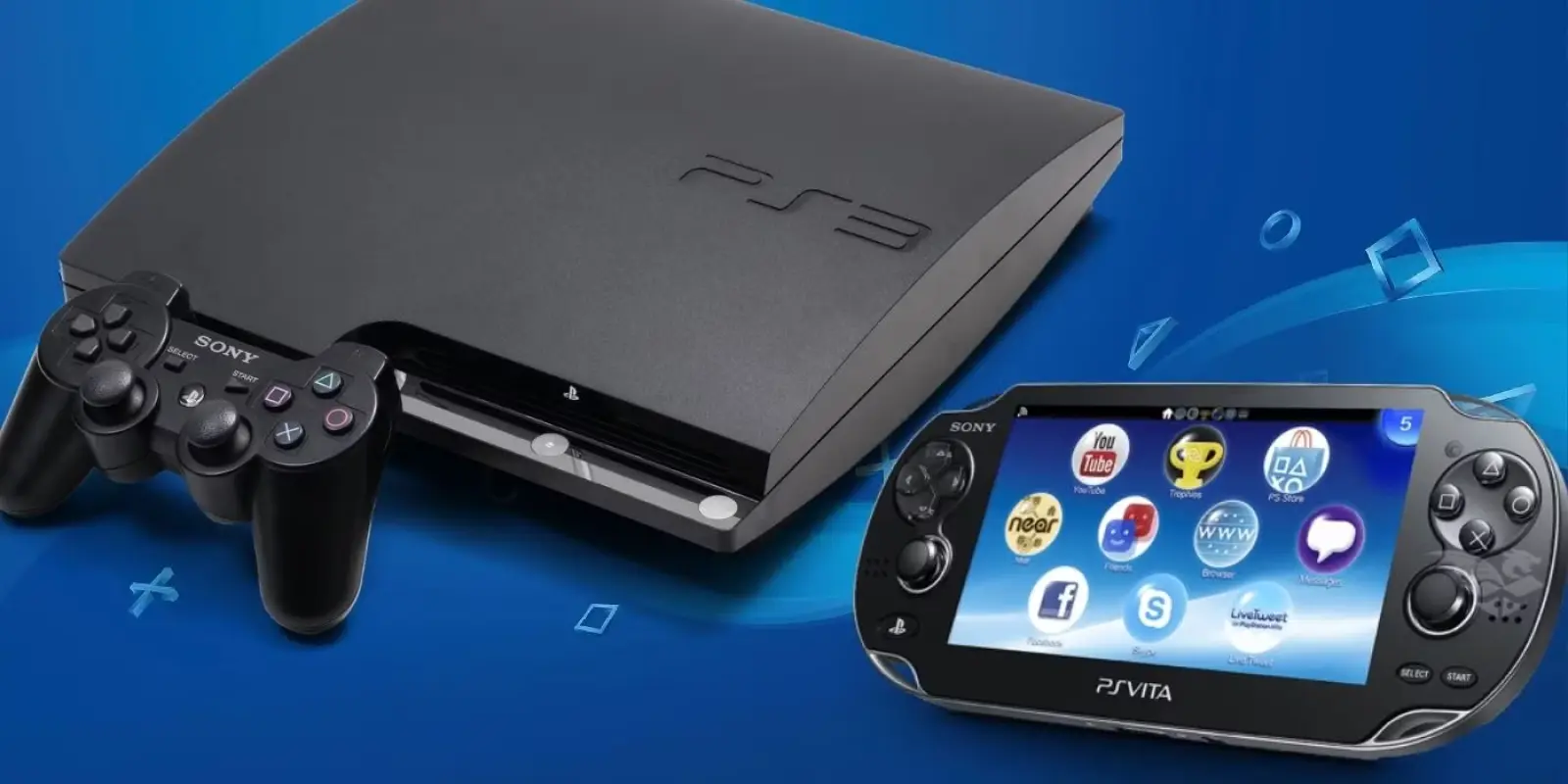
This is not a nostalgic return of the PS Vita for Sony, but a response to the rise of portable PC gaming, starting with the Steam Deck. The point is not just power, but locking users within the ecosystem: the same library, native and remote play, one account across multiple devices.
Prepare for a price jump
The trend is clear. The PS4 launched at 399 dollars, the PS5 at 499, and the PS5 Pro already at 699 dollars, with the disc drive as a separate cost. With memory shortages and the general rise in component prices, it's hard to imagine that the PS6 will be cheaper. Estimates range from optimistic 500 to 600 dollars up to 999 dollars for stronger versions. Some leaked materials suggest that Sony is intentionally keeping the specifications conservative to try to keep the price manageable, but the direction is clear.
An era where generations overlap
What makes the PS6 different from previous launches is the health of the current generation. The PS5, with over 90 million units sold, is still extremely strong, and Sony is in no rush. Therefore, the next part of the decade is shaping up to be a cross-gen era: studios will spend years developing games that scale from the massive PS5 legacy to path-traced PS6 versions. There will be few true PS6-only titles, and they will arrive slowly.
Financially, the PS6 is positioned less as a box that needs to earn on hardware, and more as a premium peak of a much broader ecosystem that encompasses consoles, a possible Canis handheld, cloud streaming, and PC ports. The console is becoming less of a product and more of a ticket to a service.
Expensive digital platform
Connecting all the dots, the PS6 is shaping up to be a fully digital, service-oriented platform that arrives no earlier than late 2027, more realistically in 2028, with AI at the heart of graphics, a modular or completely disc-less design, a companion handheld, and a price that is almost certainly rising.
Stronger hardware and better graphics are a given. However, the real story of the next generation is not in technology, but in the ownership model. For some players, this is a logical and painless step as they have long transitioned to digital. For others, it is the final loss of something that has defined console gaming for decades: the ability to hold the game you purchased in your hands, lend it, sell it, or simply own it without anyone's permission. Today's two announcements are not the end of the story, but its first clearly readable hint.

-(1)-hero.webp)