✅ Prednosti
- Game offers a refresh for veterans
- Agent system adds dynamics to battles
- Tanks retain their identity
- Visually looks very good
- Offers something different in the genre
❌ Nedostaci
- User interface can be cluttered
- Lack of content after several matches
- Certain elements look generic
- Story is in the background
- Game still has growing pains
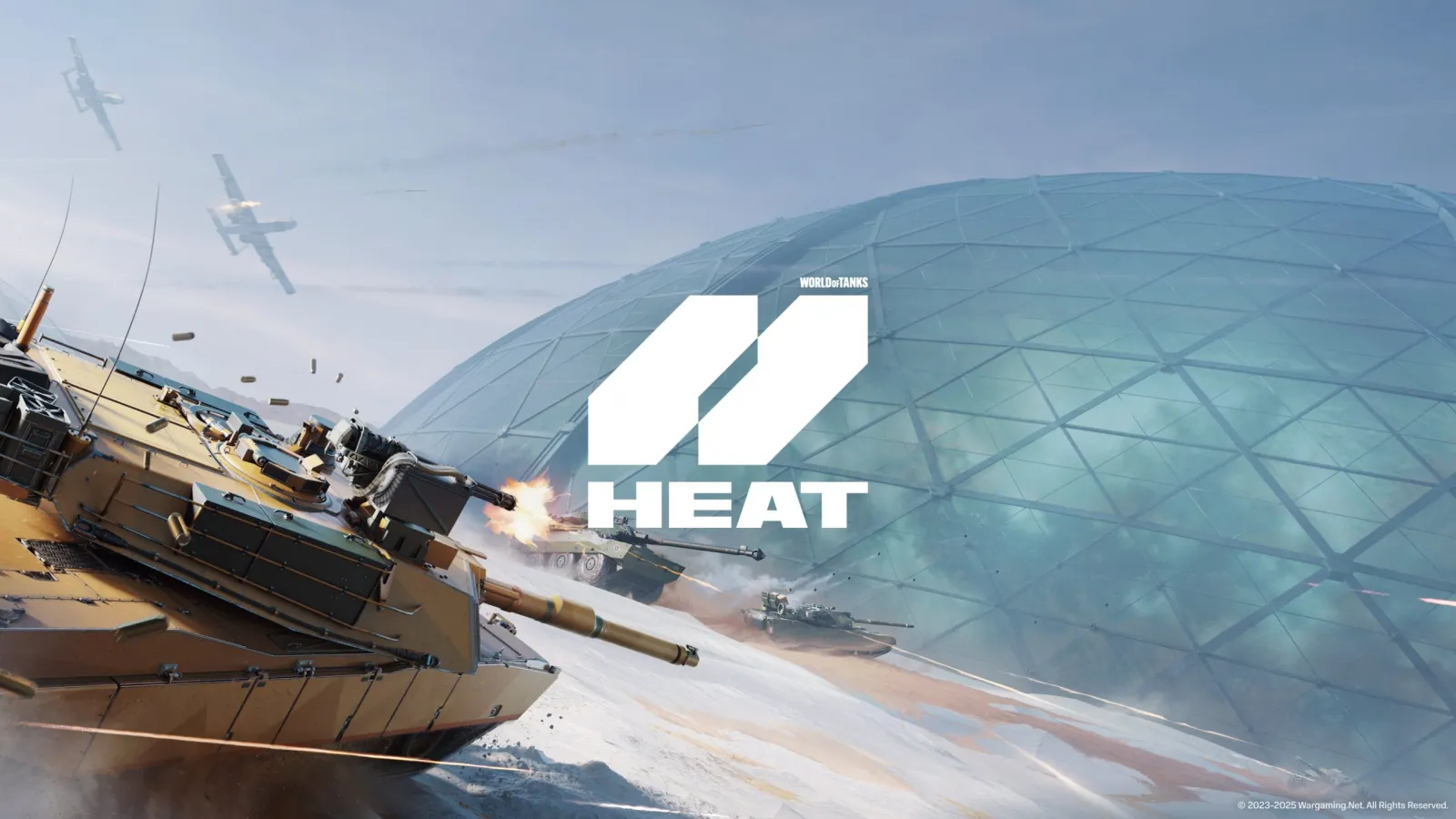
If you've been playing World of Tanks for years, there's a good chance that World of Tanks: HEAT will surprise you within the first few minutes. Not because it looks significantly different, but because it behaves completely differently. Wargaming has decided this time to take its foot off the brake and transform the tank formula into something that resembles more of a mix of Overwatch, hero shooters, and classic team PvP than the slower and more tactical skirmishes for which the series became known.
HEAT is not a sequel to the original World of Tanks nor an attempt to replace it. This is a standalone project that takes the familiar theme of armored vehicles and tries to bring it closer to a modern audience accustomed to faster matches, special abilities, and constant action. The result is a game that will turn off some veterans at first glance, while for others it could represent just the refreshment they've been waiting for years.
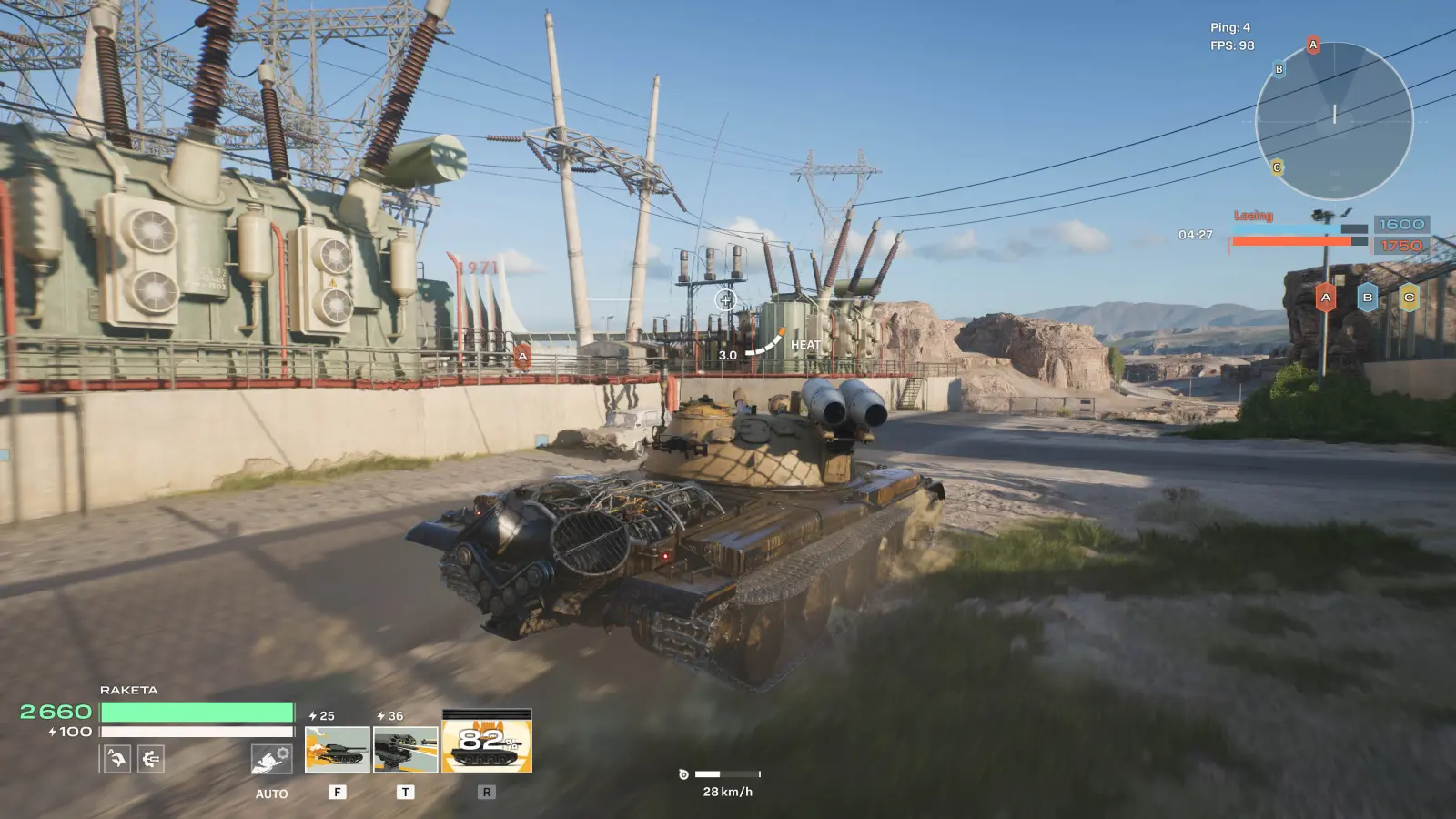
The biggest change comes through the agent system. Instead of just choosing a tank, you now choose a character with specific abilities and a role on the battlefield. Each agent comes with their own playstyle, and during the match, it's possible to switch between two vehicles. This may sound like an unnecessary complication, but in practice, it works surprisingly well. Battles gain an additional layer of dynamism as it's no longer enough to just find a good position and wait for the opponent. You need to think about abilities, teamwork, and timely use of special moves.
That's why HEAT feels much more aggressive than classic World of Tanks. Maps and modes constantly push you towards objectives, and passive play often ends in defeat. There's not much room for camping in bushes and waiting for the perfect moment to strike. If you want to win, you have to be on the move. Some will find this great, while others will lament the slower and more methodical approach.
What pleasantly surprised me is the fact that tanks, despite all the new mechanics, have not lost their identity. There is still a sense of weight and power when you fire a shell or charge through the enemy line. HEAT may borrow ideas from hero shooters, but it hasn't forgotten that the main stars are still armored vehicles. This balance between arcade fun and tank identity generally works very well.
On the other hand, the game still leaves the impression of a project searching for its final form. The user interface can feel cluttered and somewhat generic, and certain presentation elements give the impression of a mobile game ported to larger screens. During gameplay, there can occasionally be a sense of a lack of content, especially after several dozen matches when the initial excitement begins to wane. The variety of vehicles and modes is currently solid, but not impressive.
Visually, HEAT looks very good. The new technological foundation has allowed for more detailed maps, attractive effects, and fluid performance even during the most chaotic conflicts. Explosions have the necessary weight, and the sounds of cannons are powerful enough that every hit feels satisfying. The atmosphere of an alternative post-war future may not be particularly deep or narratively developed, but it provides a sufficiently interesting backdrop for this type of game.
The story is anyway in the background here. There is a certain background to the world and the conflict between different factions, but most players will likely skip it and jump straight into the next match. HEAT is primarily a competitive multiplayer game that wants you to have fun through action, not through long narrative sequences.
In the end, World of Tanks: HEAT leaves the impression of a bold experiment. It is not perfect and still carries a few teething problems, but it manages to offer something different in a genre that has been spinning the same ideas for years. If you expect a classic World of Tanks with a new coat of paint, you might be disappointed. But if you are willing to accept the fact that tanks this time have decided to adopt the rules of hero shooters, HEAT has enough good ideas to keep you engaged much longer than you might expect.
The biggest victory of this game is not in redefining tank battles, but in making them unpredictable again. And in the world of multiplayer games, that sometimes matters more than the thickest armor.



-hero.webp)

-hero.webp)





-hero.webp)
-hero.webp)