The World Cup in football has always been more than just a sporting event. For many players, it was also a time when a special football title dedicated to the biggest tournament in the world was played on consoles and computers. From the late nineties to today, FIFA World Cup games have gone through an interesting journey – from standalone licensed releases, through add-ons in existing FIFA games, to a new era where FIFA is no longer tied to Electronic Arts.
World Cup 98 – the beginning of the golden era
For many older players, everything starts with the game World Cup 98, the official game of the World Cup in France. Electronic Arts took advantage of the popularity of the FIFA series and created a standalone game that captured the atmosphere of the tournament, national teams, official stadiums, and recognizable presentation. The game was released for PC, PlayStation, Nintendo 64, and Game Boy, and is often remembered today as one of the most nostalgic football titles from the nineties.
Interestingly, in 1998 there were also Japanese World Cup games developed by Konami, including versions related to the International Superstar Soccer and Winning Eleven series. This made 1998 one of the few years where the official World Cup license was not exclusively tied to EA in all markets.
2002 FIFA World Cup – faster, more attractive, and more arcade-like football
Four years later, 2002 FIFA World Cup arrived, the official game of the World Cup in South Korea and Japan. Compared to World Cup 98, the game looked more modern, had better presentation, and a much more pronounced television feel. It was the era of PlayStation 2, GameCube, Xbox, and PC, and EA was trying to create football that was faster and more attractive than the standard annual FIFA releases.
This title is remembered by many for its emphasized atmosphere of a major tournament, national teams, and the attempt to present the World Cup as a special event, rather than just another mode within the classic FIFA game.
2006 FIFA World Cup – the generation of PlayStation 2, Xbox 360, and PSP
2006 FIFA World Cup was the official title for the World Cup in Germany. It was released during the transition between generations, appearing on a large number of platforms, including PlayStation 2, Xbox, Xbox 360, GameCube, PC, PSP, Nintendo DS, and Game Boy Advance.
This was one of those games that tried to convey the feeling of a great football summer. The tournament mode, national teams, qualifications, and special presentation made it interesting even for those who already had the regular FIFA game at the time. It is also worth mentioning FIFA 06: Road to FIFA World Cup, which was released earlier as an Xbox 360 title and served as a sort of introduction to the World Cup atmosphere.
2010 FIFA World Cup South Africa – one of the best World Cup releases
For many fans of the series, 2010 FIFA World Cup South Africa remains perhaps the best official World Cup game. EA created a standalone title that featured a huge number of national teams, qualifications, and a very good tournament feel. The game was released for PlayStation 3, Xbox 360, Wii, PSP, and iOS, and to this day is often highlighted as an example of how a licensed World Cup game should look.
What made it special was the breadth of content. It wasn't just about the final tournament, but the entire journey to the World Cup. That "Road to World Cup" feeling is exactly what many later editions lack.
2014 FIFA World Cup Brazil – the last major standalone World Cup game
2014 FIFA World Cup Brazil was the last major standalone World Cup title from Electronic Arts. The game was released for PlayStation 3 and Xbox 360, but not for the then-new PlayStation 4 and Xbox One consoles, which disappointed many players.
Despite this, Brazil 2014 had a strong atmosphere, colorful presentation, and good tournament content. It marked the end of an era – the last time the World Cup received a full, separate EA Sports game. After that, the strategy changed.
FIFA 18 World Cup DLC – the end of standalone releases
For the 2018 World Cup in Russia, Electronic Arts did not release a standalone game. Instead, FIFA 18 received a free World Cup add-on. This was a significant shift. Players got official national teams, kits, presentation, and tournament mode, but there was no longer a special physical release that lived separately from the main FIFA game.
On one hand, this was practical because owners of FIFA 18 received additional content without having to purchase a new title. On the other hand, the special feeling that the World Cup had its own game, its own menu, its own identity, and its own cover disappeared.
FIFA 23 World Cup mode – Qatar 2022 and the end of the EA FIFA name
The World Cup in Qatar 2022 arrived in FIFA 23 through the official World Cup mode. Players could play the tournament with 32 qualified teams, and EA added a special presentation, FIFA World Cup Kick Off, tournaments, online tournaments, and content for Ultimate Team.
FIFA 23 held a special place in history as it was the last EA Sports game with the FIFA name. After that, Electronic Arts continued its football series under the name EA Sports FC, while FIFA began seeking new partners in the gaming industry.
2026 – a new era without EA Sports
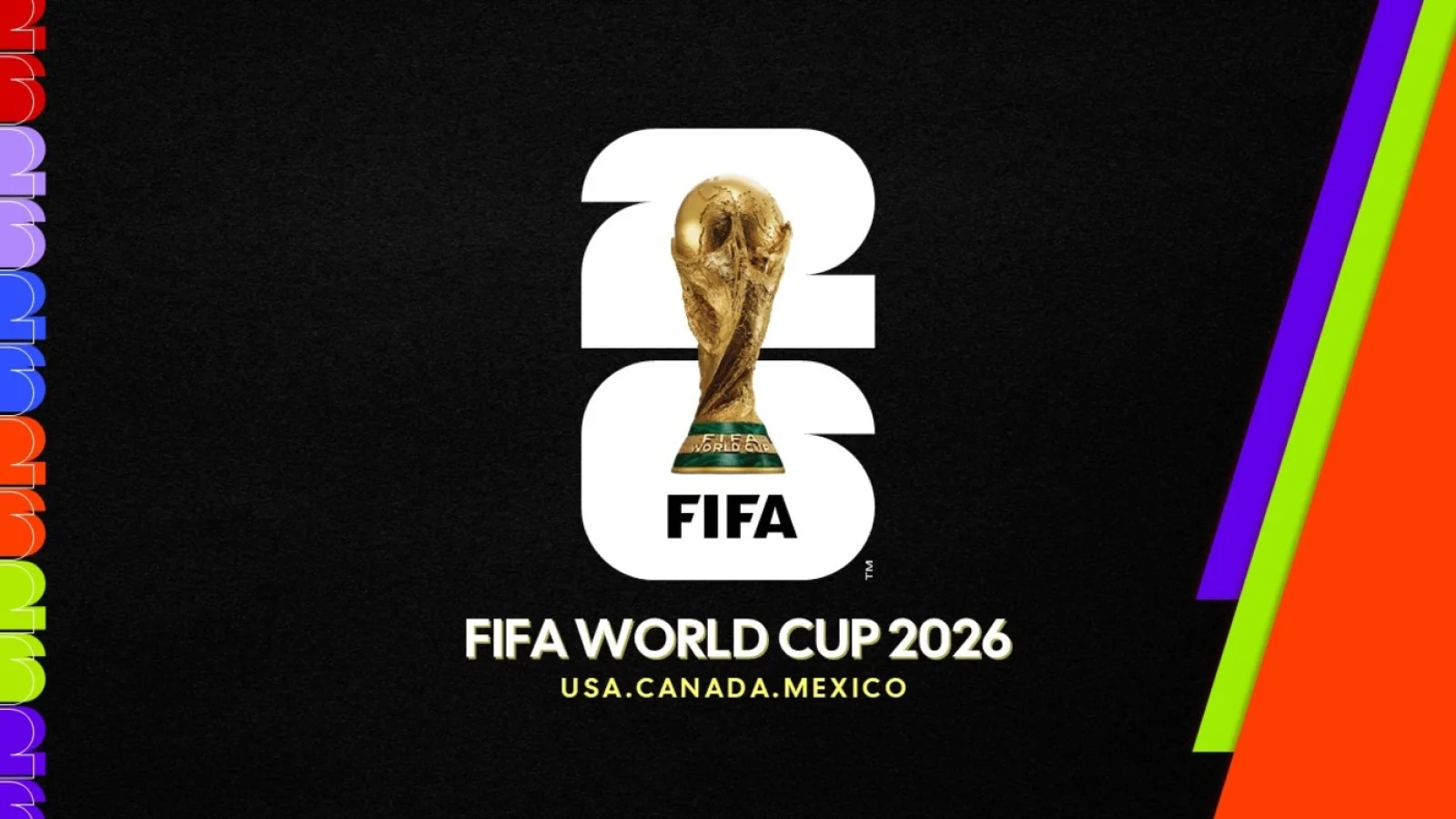
The 2026 World Cup will be held in the USA, Canada, and Mexico, and the gaming situation around the FIFA license is completely different than before. EA Sports no longer uses the FIFA name, so the natural question arises: what will happen to the official World Cup game?
For now, we know that FIFA is working on new gaming projects. One of them is FIFA Heroes, an arcade 5v5 football game that uses the FIFA license, mascots, familiar faces, and superpowers, focusing on fast and accessible action. According to official information from the developer ENVER, the game is expected to receive a FIFA World Cup 2026 mode ahead of the tournament.
The other major project comes through a collaboration between FIFA and Netflix Games. Netflix has announced a new FIFA football simulation for its subscribers, developed and published by Delphi Interactive, with a planned release ahead of the 2026 World Cup. The game is expected to be available through Netflix Games and is envisioned as a more accessible football title that can be played solo or online with friends.
From Simulation to Service
When looking at the period from 1998 to 2026, it is clear how much the market for sports games has changed. Once, every World Cup meant a new box on the shelf, a new cover, a new menu, and a special tournament feel. Today, such content is often added as an extra, seasonal mode, or live-service event.
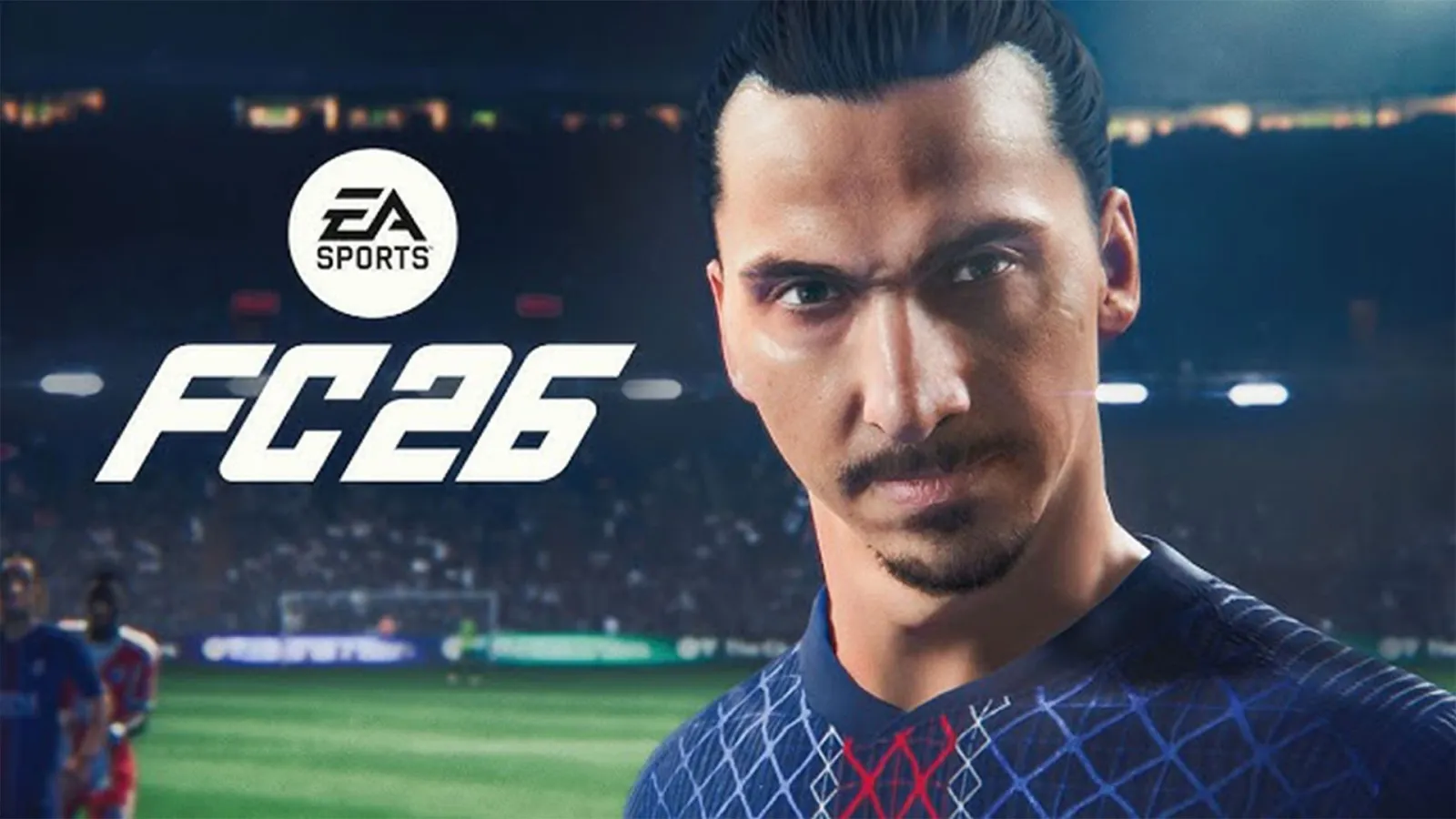
The biggest change, however, is not technical, but licensing. EA Sports has been synonymous with FIFA games for decades, but after FIFA 23 that connection no longer exists. EA is now building its own identity through EA Sports FC, while FIFA is trying to leverage its name through new partners, new genres, and new platforms.

-hero.webp)
-hero.webp)

-hero.webp)
-hero.webp)