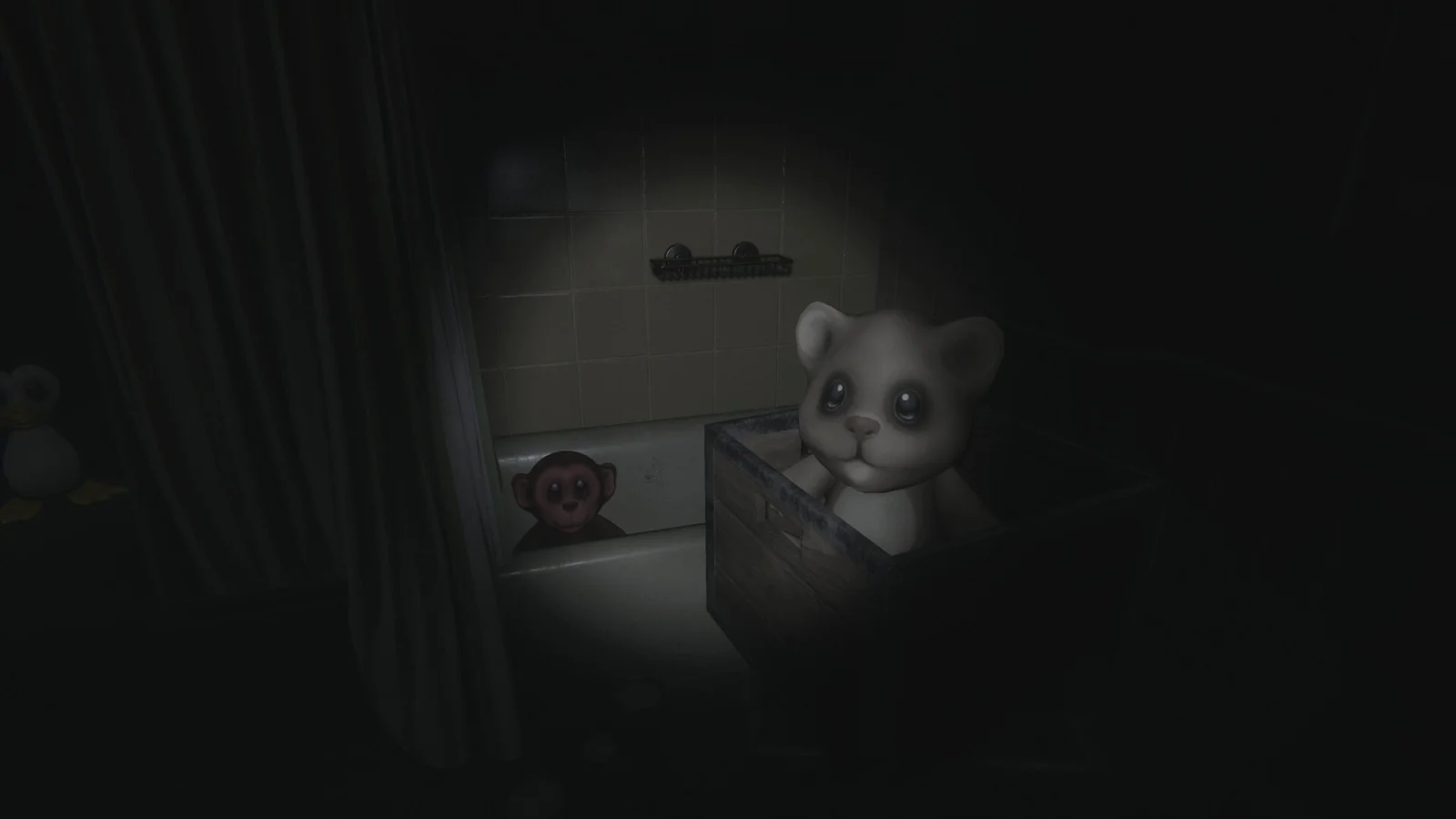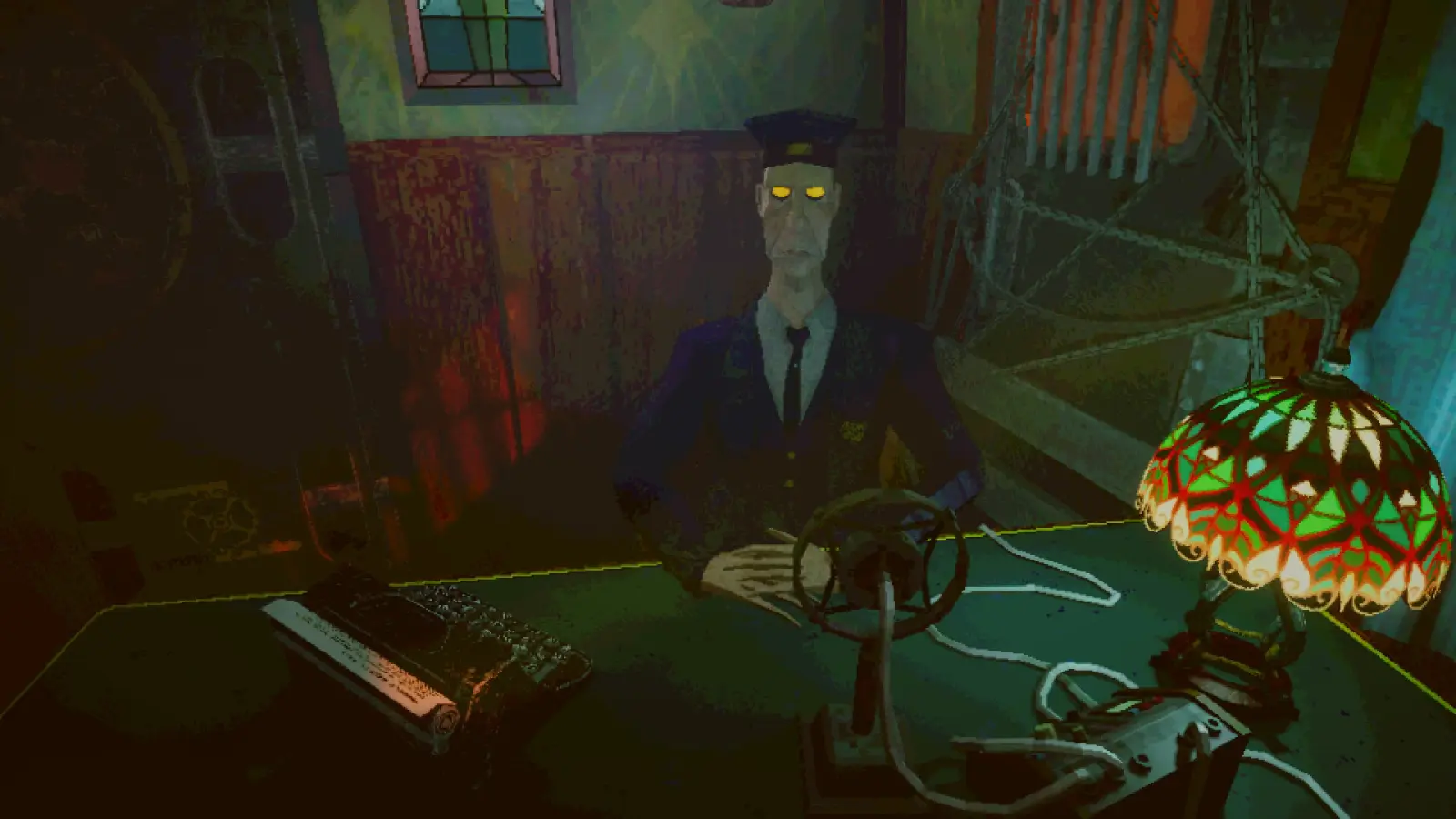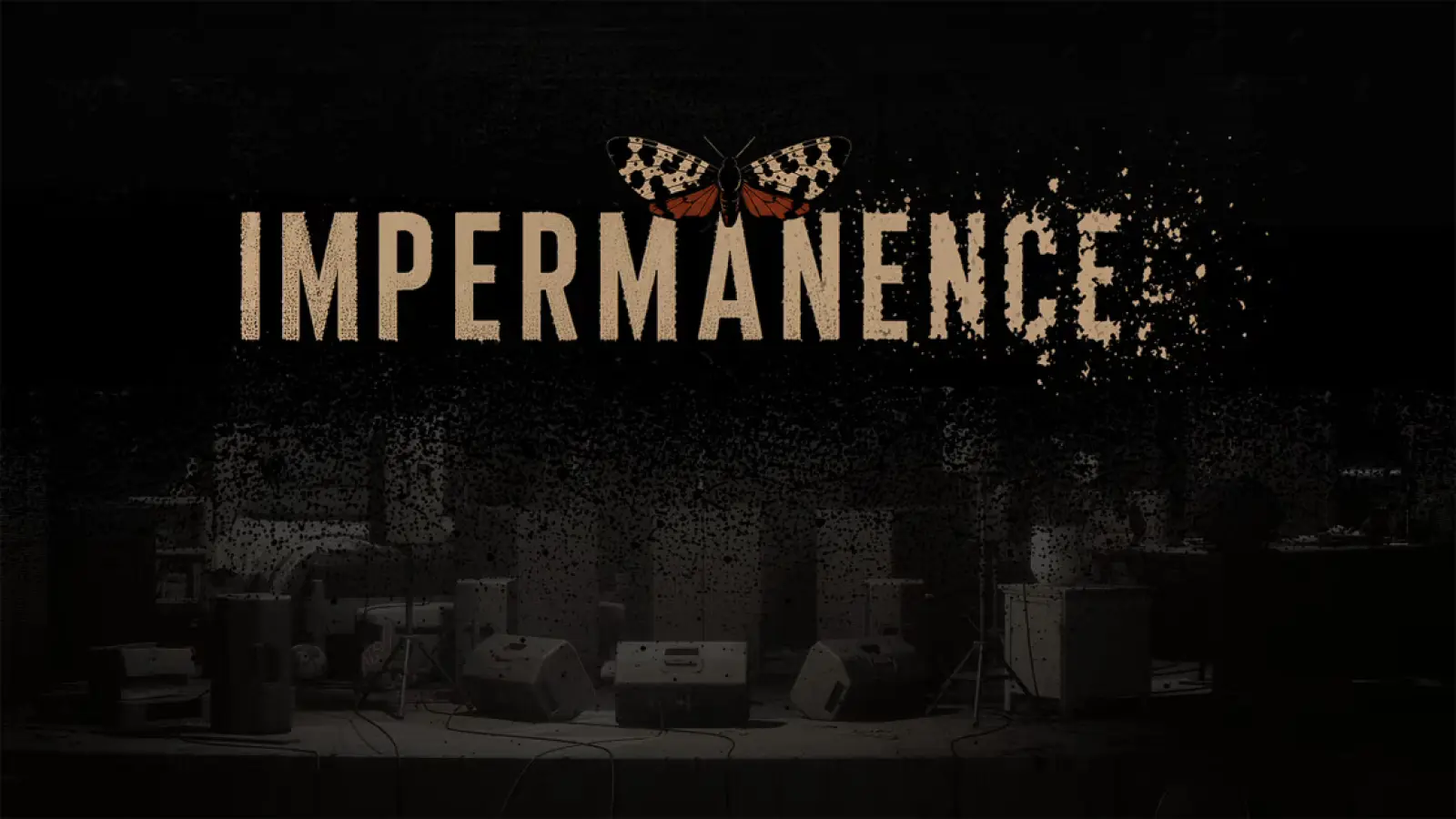
Impermanence is a psychological horror game that does not rely on weapons, combat, monsters, or explicit violence, but instead builds its tension through grief, memory, sound, and the question of how far a person is willing to go in order to preserve something that should perhaps have been allowed to disappear. At the center of the experience is the reconstruction of a son’s room beneath the abandoned Orpheum theatre, using personal objects, photographs, toys, trophies, drawings, and fragments of the past.
Following the game’s announcement, we spoke with the development team Bad Choices Loud Noises about its sensitive themes, the role of acoustic levitation, the importance of sound, narrative choices, and how horror can be built without many of the genre’s traditional tools.
Impermanence deals with grief, loss, and obsession. How did you approach such a sensitive subject without turning personal tragedy into simple horror spectacle?
I believe that at the core of some of the greatest stories in video games, and beyond, there is always a heartbreaking problem of humanity. I became a father for the first time 5 years ago, but I've also experienced the death of a close friend when I was very young.
Looking back on that now, through the eyes of a father, I believe there is an innate force within us that would fight to claw back our children from the grip of death wherever possible. The story for Impermanence deals with that motivation primarily - but how it turns to obsession, and how that obsession turns to horror - is for you to find out when the game releases.
The game uses acoustic levitation as one of its central ideas. How does that concept work in gameplay, and where did you draw the line between science and supernatural horror?
I can't go really deep on this yet, as much of the gameplay is still iterating and proving itself out. Through acoustic levitation, players will attempt to stabilize and preserve something that should perhaps have been allowed to fade. The mechanics draw inspiration from real science, but quickly venture into philosophical and supernatural territory.
The Steam page states that there are no weapons, no combat, no gore, and no monsters waiting in the dark. How do you build fear when you remove so many traditional horror tools?
We're not aiming for fear, in the traditional sense. What we're aiming for is a growing sense of unease that turns into dread. I can't really tell you how that plays without spoiling the story.
As for the gore and monster aspect; I personally enjoy horror more through juxtaposition. It's probably why I'm more drawn to works like Annihilation, and the Southern Reach Trilogy as a whole, or other work by VanderMeer, or There Is No Antimemetics Division by qntm.
For the weapons and combat - I think there are interesting things you can do when you take traditional weapons out of the equation of a video game. You will “combat” impermanence, but more in a sense of an engineer / scientist trying to preserve their experiment through any means necessary, rather than shooting or hacking away at a health bar.
Players rebuild the son’s room beneath the abandoned Orpheum theatre using toys, photographs, trophies, drawings, and other personal objects. How much will item placement affect the story and the answers players receive?
Rebuilding the room is step one, and players will be guided to its final outcome. What happens in and to that room afterward, however, is where divergence will happen, and where we get to your next question.
Impermanence promises multiple endings based on how far the player is willing to go and what they are willing to lose. Will those endings be shaped by clear choices, or by more subtle behavior throughout the experience?
Both. There will be time-sensitive mechanics in-game, and how you perform in those will determine what possible outcomes you will have. But players will be given a clear choice as well.
During the development of Impermanence, what turned out to be the biggest development challenge, and which part of the process went surprisingly smoothly, even though you expected it to cause problems?
We're still very early in development, so I think it would be premature to talk about major development challenges or successes. Ask me again closer to release and I'm sure I'll have a much better story for you.
Since the game relies heavily on sound, silence, echoes, and unsettling audio cues, how early in development did you start designing the audio direction, and how important was it compared to the visual side of the horror?
We are still very early in the development cycle as is, but we've been working with Venus Theory - our sound designer/composer - since work began on Impermanence.
We're a very small team trying to create the best game we possibly can. As a small team, we're focused on making smart choices that serve the experience. Audio is central to the game's themes and mechanics, so we've invested in it from the very beginning. We believe sound can create a level of intimacy, tension, and atmosphere that would be difficult to achieve through visuals alone.
Impermanence appears to focus on atmosphere and psychological tension rather than traditional action. How difficult was it to keep the player engaged in a slower, more emotional experience without relying on combat or frequent jump scares?
That's one of the core design challenges we're actively exploring right now. It's something we'll be able to speak about in much greater detail once we're ready to show a gameplay trailer.
From a development perspective, how did you balance narrative control with player agency, especially when players can place objects, influence responses, and reach different endings?
We are still finding that out. But we're not trying to offer a highly complex branching narrative that accounts for everything. A lot will be directed, a lot will play like a linear game, and I think that's honestly good. We're not making this game for infinite replayability, we're making this for the player that wants to have a great experience playing a game that they can finish in two, maybe three sessions - not an open world sandbox game that takes over every aspect of your life.
At the moment, Impermanence is listed on Steam for PC with a planned 2027 release. Are there any plans to bring the game to consoles later, and if so, would you like the console versions to launch alongside the PC version or sometime after release?
Our current focus is delivering the best possible version of the game. While we're exploring opportunities beyond PC, we don't have any platform announcements to make at this time.
We would like to thank the development team for their time and answers. Impermanence is currently in development for PC, with release planned for 2027.