After that date, new games will be available exclusively in digital form, either through the PlayStation Store or from retailers in physical stores.
The way the news was announced speaks almost as much as the content itself. Sony released this quite quietly, through a regular blog post, without an announcement at a major event like State of Play or a similar spectacle. This is expected and hardly accidental. A piece of news that part of the community will surely not take well has no reason to stand out on stage in front of cameras, where backlash would immediately take over the headlines. It’s much cleaner to slip it in as a routine notice in a week without major events, let it resonate, and move on to the agenda.
The signatory of the post is Sid Shuman, senior director in the Content Communications department of Sony Interactive Entertainment, who describes the move in standard corporate language. According to Sony, it is a "natural direction" of adapting to consumer trends as the general tendency towards digital media significantly outweighs physical discs. They add that the transition will allow them to better align with the way most of their community buys and plays games today.
What is important to emphasize to avoid spreading panic: the change has no impact on games that have already been released or will be released in disc format before January 2028. In other words, everything that comes out on PS5 through 2027, from a potential new God of War to the next Call of Duty, can theoretically still come on disc. The decision applies to titles that are released from that date onward, and this includes both Sony's own games and third-party publisher games.
Sony claims that it is not completely withdrawing from physical retail. They intend to continue selling games in physical stores even after 2028, but how exactly those games will be sold, in boxes with codes inside or as cards with digital redemption codes, is not yet clear.
GTA 6 as a Precedent
This is not happening in a vacuum. The transition to the "code in a box" model has already been tested on the biggest possible title. GTA 6 is the first game to do this on PlayStation hardware, offering only a digital version on the PS Store, and then download codes in physical boxes, without a disc. From January 2028, Sony is simply turning that precedent into a rule.
It is also worth mentioning that Nintendo is walking a similar path. Switch 2, which uses cartridges instead of discs, introduced the concept of game-key cards last year, physical media that do not contain the game, but only a prompt for download. The industry's argument is always the same: game consoles have become the last consumer electronic device with an optical drive, the number of manufacturers of those drives is decreasing, and this has a direct impact on the cost of making the console.
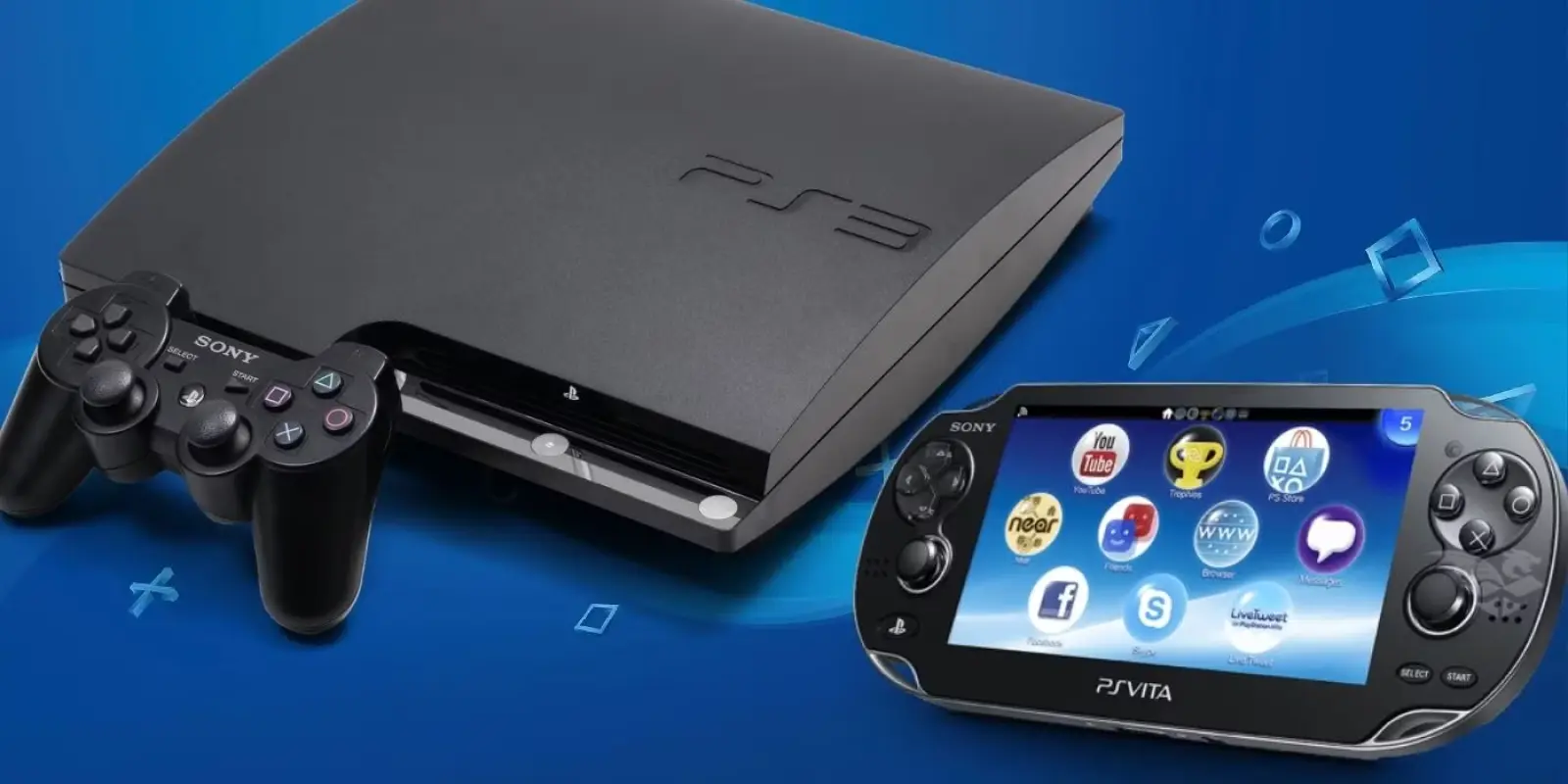
In the same announcement, Sony also released another, thematically related piece of news. They are closing online stores for PS3 and PS Vita in most countries during 2027, with even earlier deadlines in certain markets. The irony of the timing has not escaped anyone, as the shutdown of old stores perfectly illustrates the problem of digital ownership.
What This Means for Gamers
In the short term, not much. 2028 is still far away, and your existing collection of discs works just as well as it does today. In the long term, this is a very concrete shift whose consequences are worth breaking down.
First, the secondary market for new games is disappearing. A digital copy cannot be lent to a friend, sold after you finish it, or bought used for half the price. Part of the community has already pointed out that this practically means the end of discounts around game releases and the end of the possibility to give a game to a friend. For someone who buys ten games a year at full price, this is a measurable cost.
Second, and more subtly, the issue of ownership. When you buy a disc, you own a physical object. When you buy a digital license, you are purchasing access rights that depend on whether the store and servers continue to exist. Sony's decision to shut down the PS3 and Vita stores is a perfect illustration: everything you bought there "forever" exists only as long as the publisher decides to keep the infrastructure running.
The community's reactions are, as expected, sharp. Comments range from "truly outrageous and anti-consumer" to observations that gaming is increasingly a luxury that misses the basic idea of console gaming. On the other hand, some players react with a shrug because they have been exclusively digital for years anyway, so the practical effect of the change doesn't really alter much for them. Both reactions are legitimate and largely depend on how someone already buys games.
You will own nothing, and you will be happy. A collection on a shelf has been replaced by a list on someone else's server, "purchase" has become indefinite renting, and "the natural direction of adapting to consumer trends" is corporate speak for a trend that Sony itself helped create by slowly taking away choice from the player.