Little Nightmares II: A small game, but a big disturbance
✅ Prednosti
- Excellent atmosphere that creates discomfort
- Fantastic visual design and details
- Intimate experience in handheld mode
- Puzzles are well integrated into the space
- Unique and special experience
❌ Nedostaci
- Sometimes too much trial and error
- Difficulties with precise jumping and positioning
- Some parts can become frustrating
- Camera and depth perception are not friendly
- Lack of explanation in the story
I heard about Little Nightmares, but this is my first encounter with this series. Even after the first few minutes, it was clear to me why it has such a loyal audience. This is not a horror that constantly throws action and "jump scares" at you, but rather slowly pushes you through abandoned houses, creepy schools, strange televisions, and rooms where everything is just a bit too dark and too quiet, like a child's nightmare that someone didn't turn off in time.
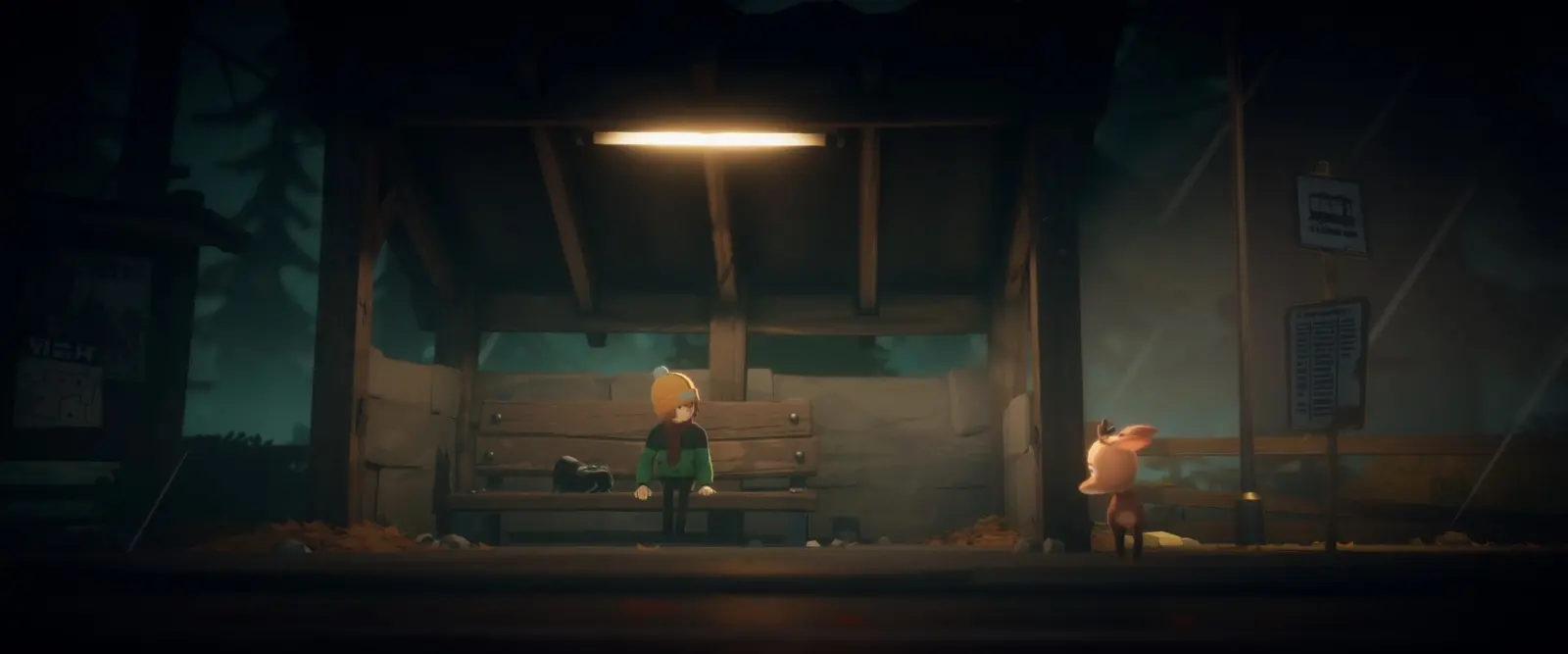
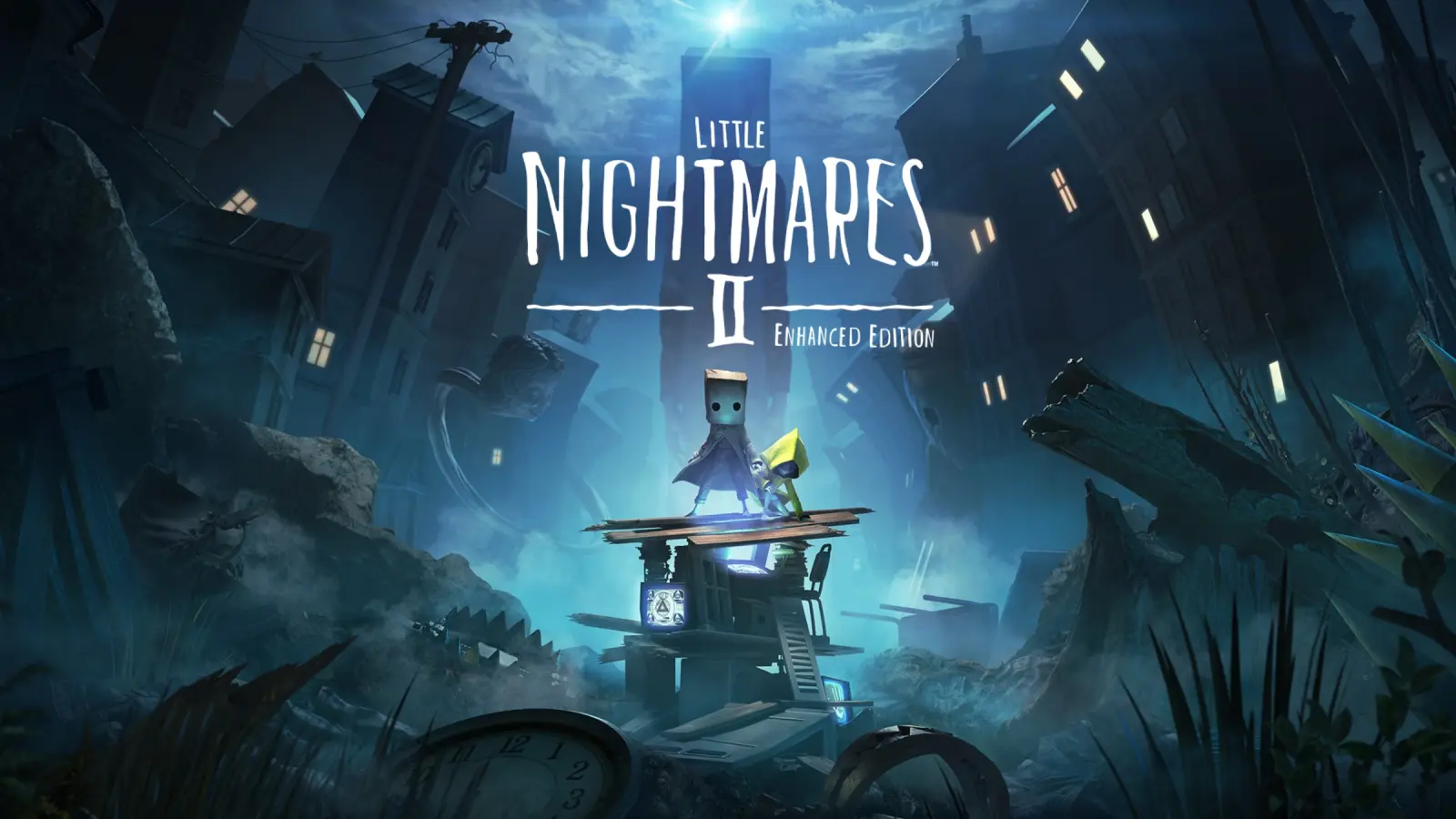
We play as Mono, a boy with a paper bag on his head, who navigates through a distorted world full of dangers. Soon he is joined by Six, a girl in a yellow raincoat, known to players of the first installment. The two of them don't communicate much, but Little Nightmares II understands that old rule very well: show, but don't reveal too much.
Mono and Six hold hands, help each other solve problems, catch each other when jumping over chasms, and together, small and tiny, try to survive this dark world. In a game where almost everything is cold, dirty, and threatening, their small moments of cooperation give it heart and character.
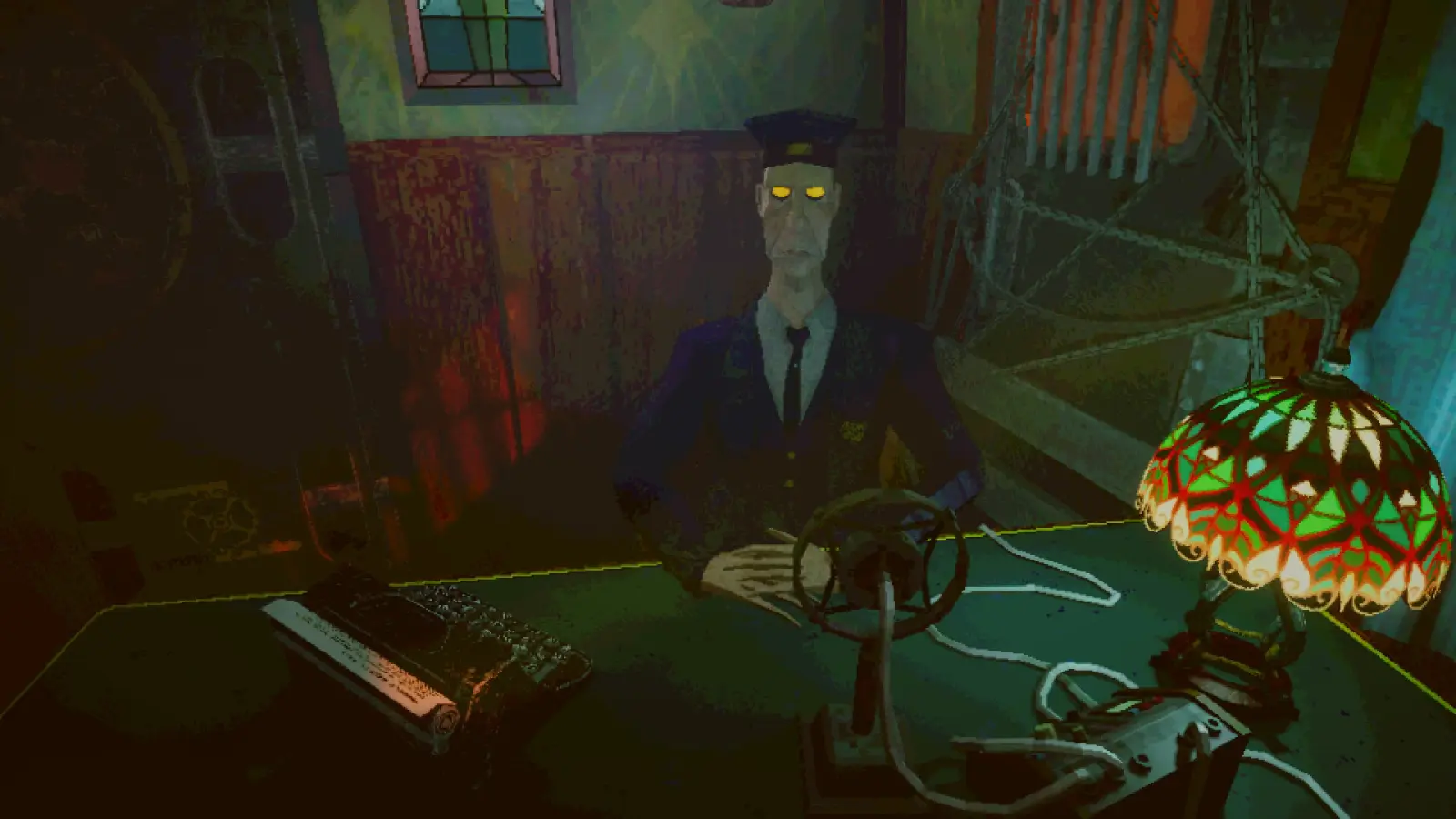
The greatest strength of the game is its atmosphere. The game literally brims with discomfort. Every location looks like something that would emerge if a child's imagination and repressed trauma sat down and created a nightmare. Dark forest areas, a school full of creepy children, endless hallways that feel too long, apartments that look like people left them in the midst of something terrible, all of this creates a sense of constant tension.
One scene that particularly stuck in my mind is when you climb on a kitchen table where a dead family sits, with entrails outside. Soon, a hunter with a gun chases you through the forest, a creepy teacher wants to swallow you, and if she doesn't, then strange, creepy children chase you around the school to tear you apart.
Visually, the game is fantastic. It's not just about the graphics, but about the design. Every frame looks thoughtfully composed. The camera often captures the space in a way that makes you feel small, vulnerable, and completely insignificant.
Sound is equally important. The creaking of doors, the wind, distant murmurs, the growling and screaming of the creatures hunting you, all of this builds discomfort perhaps even more than the visuals themselves. Little Nightmares II knows when to use music and when silence is much worse, and here it often is.
On the Switch, Little Nightmares II runs very well, both in docked and handheld mode. On the big screen, the excellent art, lighting, and all those small, unsettling details that build the atmosphere stand out the most. However, the game particularly suited me in handheld mode. The smaller screen, headphones, and dark atmosphere make the experience more intimate and a bit creepier, as if you are literally holding a small nightmare in your hands. Technically, I had no issues.
The gameplay is based on a combination of platforming, hiding, running, and solving puzzles. At its best, all of this excellently supports the atmosphere. When you sneak behind the teacher, run from the hunter, or look for a way to pass through a space without ending up as a small, sad screenshot, the game can be really tense. This is not an action horror where you have an arsenal and attitude. You are small, they are big - that's mostly the entire philosophy of combat.
The puzzles are mostly good and fit well into the environment. Pushing objects, finding the right path, using the surroundings, and timing movements mostly feel natural. There is no sense that you are solving a crossword puzzle that someone pasted in the middle of a horror. Everything is part of the world.
The problem is that the game sometimes loves this trial-and-error approach a bit too much. In other words: you die. Then you figure out why. Then you die again because you jumped two centimeters wrong. Then the third time because the camera and depth perception are not exactly friends. The fourth time you die because, well, obviously you should have jumped half a second earlier. And then the fifth time you succeed, but you’re no longer sure if you were smart or if the game finally decided to let you through.
This is most felt in parts where you need to precisely judge a jump, position, or moment of hiding. Platforming is generally good, but due to the 2.5D perspective, it can sometimes be hard to tell exactly where to stand or jump. It’s not a constant problem, but when it happens, it can pull you out of the atmosphere, as horror takes a backseat while you freak out over the gap between platforms.
The same goes for some hiding sequences. For example, the scene with the teacher in the school is excellent in idea and atmosphere, but in practice, it can feel like you need a bit of luck, not just a sense of timing. When the game forces you to repeat the same scene multiple times, the tension slowly turns into frustration.
Still, Little Nightmares II is truly a special experience. This is a short, atmospheric, strange, and creepy game that knows how to leave a mark. There are no huge systems, no map full of question marks, fifteen crafting resources, and characters explaining the theory of relativity. It just throws you into an ugly, dark, beautifully designed world and says: figure it out.
Its story is felt more than explained, its world suggests more than it states, and its horror comes from atmosphere, design, and a sense of vulnerability. Little Nightmares II is a game that is easy to recommend to anyone who enjoys shorter, atmospheric, and strange experiences.
This was my first Little Nightmares, but definitely not my last. After this, the first sequel is going on the list, and I will definitely keep an eye on the third one. The game made me want more of these little, creepy traumas. I’m ready for more!
A copy of the game for review purposes was provided by the publisher Bandai Namco.