Directive 8020: paranoia in deep space
✅ Prednosti
- Excellent atmosphere of isolation and discomfort
- Visually impressive metallic corridors and lighting
- Solid branching decision system
- Ability to rewind key moments
- Good sense of mystery and paranoia
❌ Nedostaci
- Characters act like archetypes from teen horror
- Gameplay too slow and uninteresting
- Enemy AI often blind
- Ending of the game disappointing and generic
- Character facial expressions look unnatural
Supermassive Games has been doing practically the same thing for years. They take a group of people, throw them into a horror situation, add decisions, quick time events, and the possibility for everyone to survive or die spectacularly. Directive 8020 sends that formula into space, among the metal corridors of a spaceship, with paranoia inspired by sci-fi classics like The Thing and Alien.
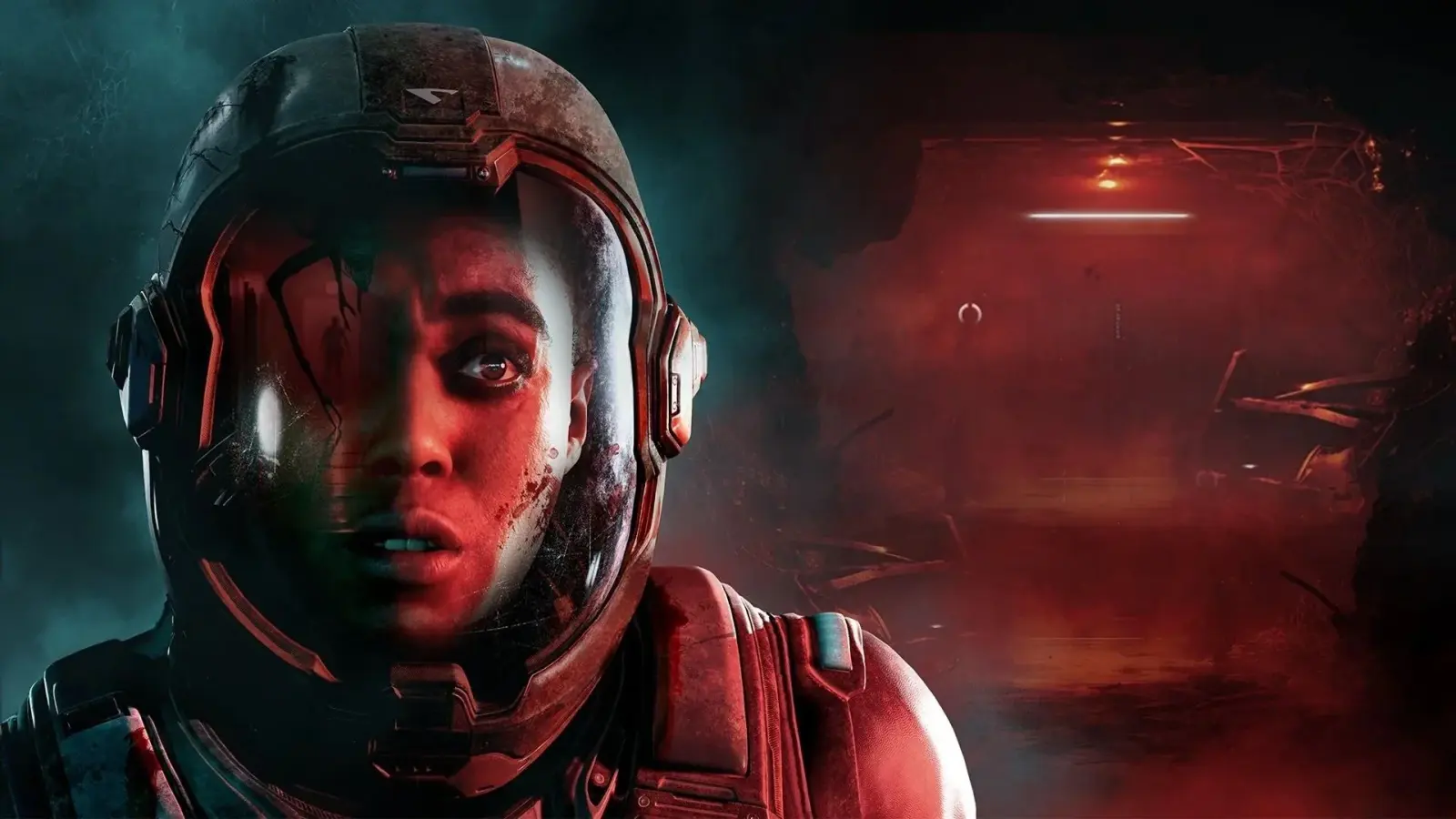
To be honest, the beginning really hooked me. The first hours of the game build an excellent atmosphere of isolation and discomfort. Walking on the outer hull of the ship while the endless void of space yawns below you looks fantastic, and the narrow corridors, ventilation systems, and massive industrial spaces of the ship feel incredibly realistic. The lighting and reflections on the metal surfaces and the overall architecture of the ship are among the best things Supermassive has done so far. Unfortunately, the more I played, the more I felt that Directive 8020 looks much better than it actually plays.
Space horror with a bunch of high schoolers
The story follows the crew of the spaceship Cassiopeia, which is searching for a new home for humanity. Of course, things quickly go awry when the team encounters an alien life form that can replicate everything, including human appearance, and infiltrate the crew. Paranoia rises, people start to doubt each other, and the game tries to maintain that feeling of discomfort where you never know who is still human. It's a great premise. Unfortunately, the problem is that the characters often feel like they escaped from a teenage slasher and accidentally ended up on the most important mission in human history.
Directive 8020 wants to give the impression that we are watching "the best that Earth has to offer," elite scientists and experts who should save humanity, but their behavior often completely undermines that concept. At one point, you seriously watch a war doctor shake hands with a potentially dangerous alien specimen without gloves, without a protective suit, without any sterile procedure! After that, we will observe the specimen behind glass because, of course, now safety suddenly matters. Half an hour later, the characters engage in a pseudo-scientific conversation full of complex terms, and then behave like teenagers in a horror movie who go off to investigate the basement alone because "what could possibly go wrong?".
The game tries to balance serious sci-fi paranoia with campy dialogues and characters, but the result is quite uneven. Some conversations really work and build tension among the crew, while others feel like you are watching a group of high schoolers pretending to be adults in a school project about space. It’s very hard to connect with them, as they are quite unsympathetic and uninteresting.
The tech mogul and billionaire, Williams, is by far the worst character. I don’t know if they could have created a bigger stereotype of a spoiled rich kid who insists that things must go his way, no matter how illogical it is at EVERY moment. When the game gives you a chance to possibly kill him under the suspicion that he is an alien imposter, it’s hard to resist potentially taking him out regardless of whether it’s him or an intruder.
However, I was most impressed by Eisele, the first officer and narrator of the story, who is the only one that leaves the impression of a person who occasionally pauses and tries to think rationally. The rest of the crew mostly boils down to quite one-dimensional archetypes: the cool war doctor, the captain who sees the crew as family (and seriously resembles Vin Diesel!), the devout engineer, the spoiled tech mogul, the pilot with daddy issues, and the biologist whose personality is mostly reduced to repetitively slapping hands with her friend.
After a while, I stopped seeing them as a serious scientific expedition and started viewing them as a team that could easily lose a fight against automatic doors.
The atmosphere is excellent, gameplay drags on
Directive 8020 is essentially an interactive movie, and that in itself is not a problem. Supermassive games have never focused on deep gameplay. The problem is that what happens between cinematic scenes is simply not interesting enough to maintain the pace throughout the entire adventure.
A large part of the game consists of slow walking through corridors, occasionally collecting collectibles, and stealth sections that are, honestly, quite poorly executed. The characters move slowly, stealth lacks any serious depth, and enemy AI can be completely blind. I literally walked past enemies in their line of sight without any reaction, which really kills the tension the game tries to build.
The biggest problem is that the game slows down too often just when it should be raising the tension. The first few hours really manage to create a sense of discomfort and paranoia. Sneaking through the ventilation and narrow service passages of the ship while feeling like you might not be alone works excellently. There are a few really good scenes where the game manages to hit that claustrophobic sci-fi horror feeling, especially in the dark industrial parts of the ship, but then again follows twenty minutes of slow walking and dialogue that often isn't interesting enough to justify the pace.
Decisions are still the main star of the game
What Supermassive games are known for still works quite well. Directive 8020 has a solid branching system and several decisions that really made me pause and think about what to do. Some consequences feel meaningful, relationships between characters can develop in different ways, and the game still manages to maintain the feeling that your choices carry weight.
The good thing is that there is an option to rewind to key moments and make different decisions without needing to replay the entire game. It may sound like cheating, and I agree: you should remain consistent with your decisions, but sometimes the dialogue options are quite vaguely written, so a character says or does something completely different from what you thought would happen. That can be frustrating when you’re trying to save the crew, and the game decides to interpret your “calm” option as a verbal attack or a suicidal idea.
As for the horror itself, Directive 8020 works best when it builds mystery and paranoia. A few jump scares managed to startle me, and the feeling that there might be something among the crew pretending to be human keeps the tension solid in the first half of the game.
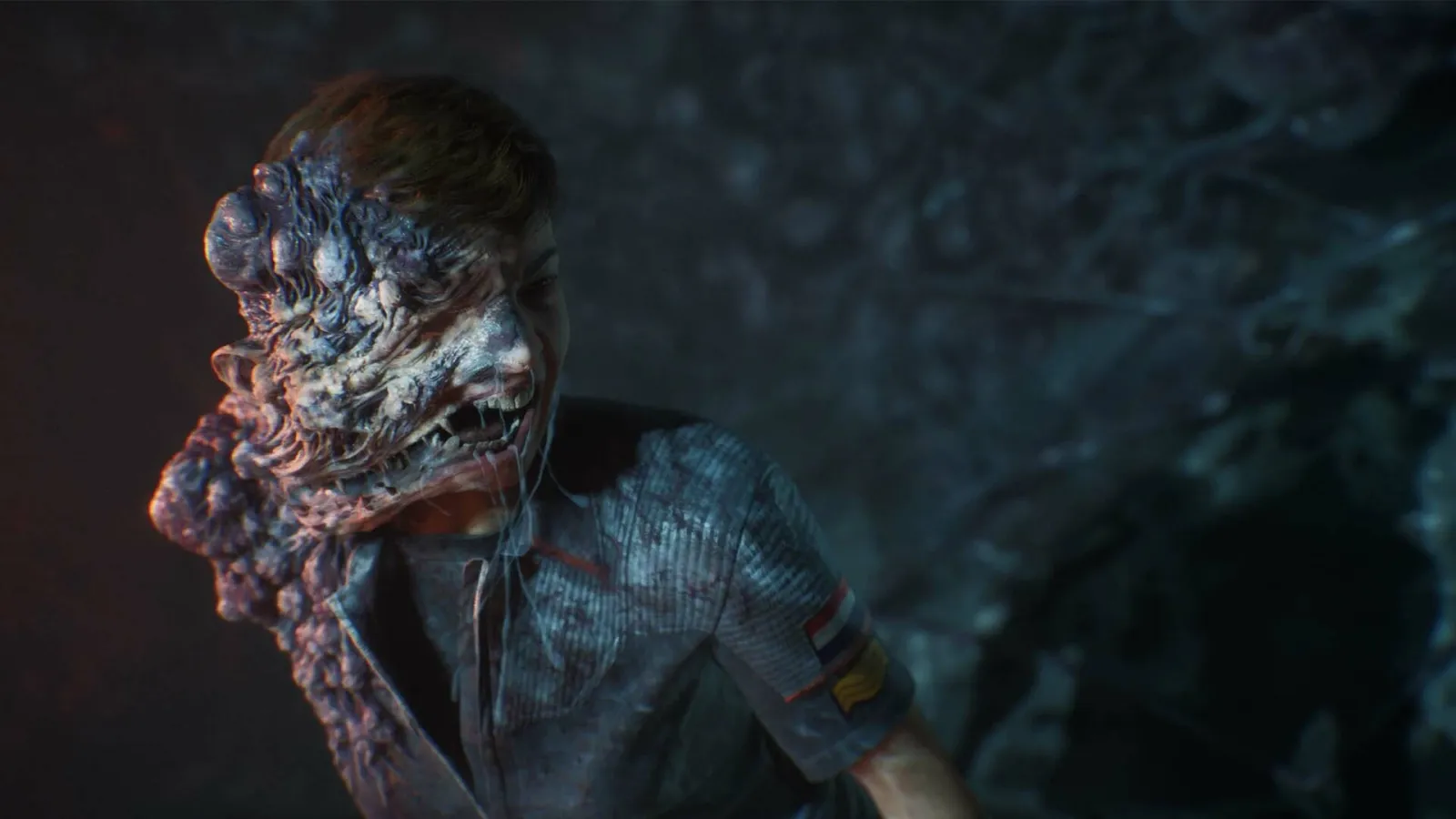
Unfortunately, when the extraterrestrial threat finally reveals itself in full light, I was quite disappointed. After all the build-up and paranoia, I expected something much more striking and terrifying, but ended up looking at a somewhat generic pink blob that is more strange than frightening. This might be the best description of the whole game. Directive 8020 constantly promises something bigger, smarter, and scarier than it ultimately delivers. The game's ending is lukewarm and somewhat disappointing.
Technical Side
When it comes to the environment and lighting, the game is often visually impressive. The metallic corridors, reflections on surfaces, lighting, and industrial architecture of Cassiopeia excellently sell the feeling of an isolated space expedition. The scenes outside the ship look particularly good, where the game momentarily manages to remind you how eerily empty and quiet space actually is. Walking on the outer hull of the ship at the beginning of the game, with a view of the endless blackness, definitely stands out as one of the most visually striking moments of the entire game.
Ray tracing further enhances the atmosphere, especially in darker rooms and scenes illuminated only by alarms, lamps, or reflections on metal walls, but with a noticeable hit on performance. On stronger configurations, the game is still quite playable, but the difference in FPS is definitely felt on older graphics cards.
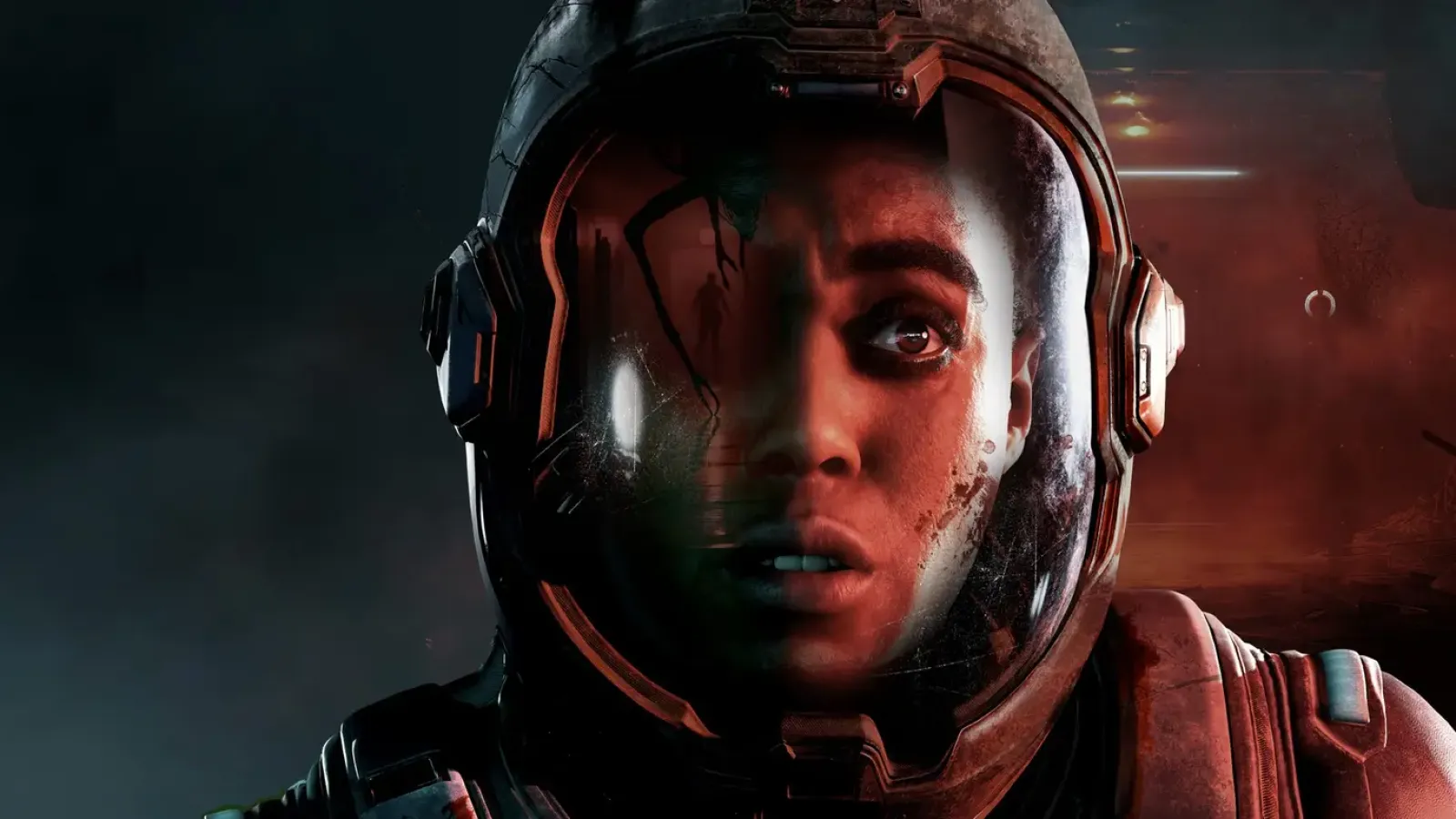
Unfortunately, as soon as the camera shifts focus to the characters, the impression drops significantly. Facial expressions often appear stiff, the expressions can look unnatural, and lip sync occasionally completely misses the tone of the scene. The result is those somewhat creepy "dead stares," where a character talks about a life-and-death situation while looking expressionless and sterile.
Movement animations also feel outdated. Walking and running have that characteristic weight and sluggishness of Supermassive games, which is particularly pronounced here as the game often insists on moving through corridors and stealth sections. From a technical standpoint, I didn't encounter any serious bugs or issues. Load times were quite reasonable, and the game was stable during play.
Conclusion
Directive 8020, at its best moments, manages to hit an excellent atmosphere of sci-fi paranoia and isolation. The problem is that between those moments, there is too much empty walking, poor stealth, and characters behaving as if they have never undergone basic survival training.
Fans of the Supermassive formula and interactive sci-fi horrors will likely find enough reasons to enjoy this, but everyone else should know that they are in for a very slow interactive film that might have worked better as a proper two-hour movie rather than a game. Beneath it all, there is a genuinely good idea and an excellent setting, but the crew guiding us through it is often the least convincing part of the entire journey.












-hero.webp)










-hero.webp)