Artificial Extinction 2
✅ Prednosti
- Interesting idea and genre combination
- Hybrid gameplay structure
- Sense of control over the battlefield
- Visually decent for an indie title
- Enough fun for experimentation
❌ Nedostaci
- Lack of consistent excitement
- Confusing early hours of the game
- Unfair difficulty balance
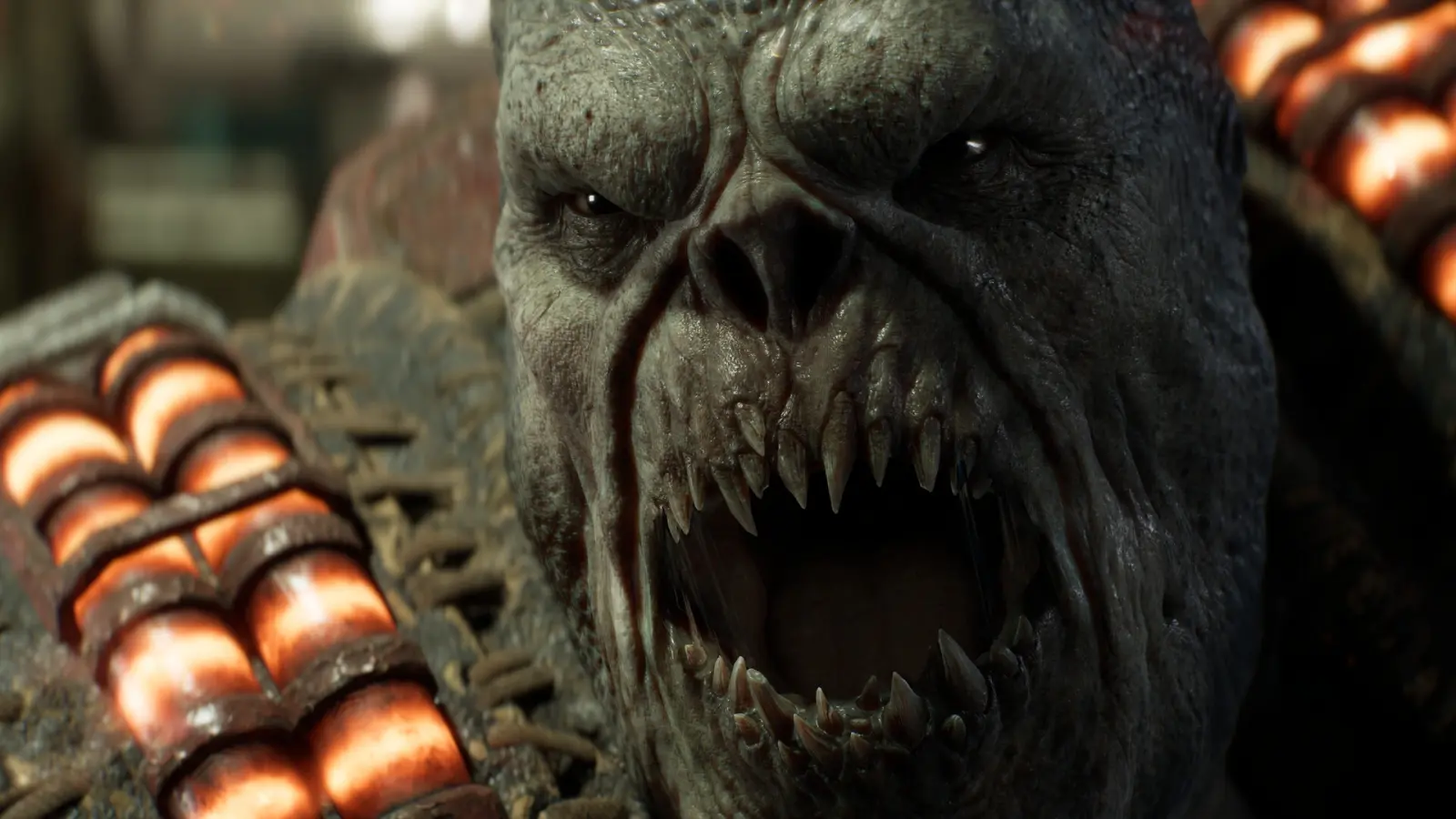
- Unmemorable enemy design
- Insufficient replay value strength
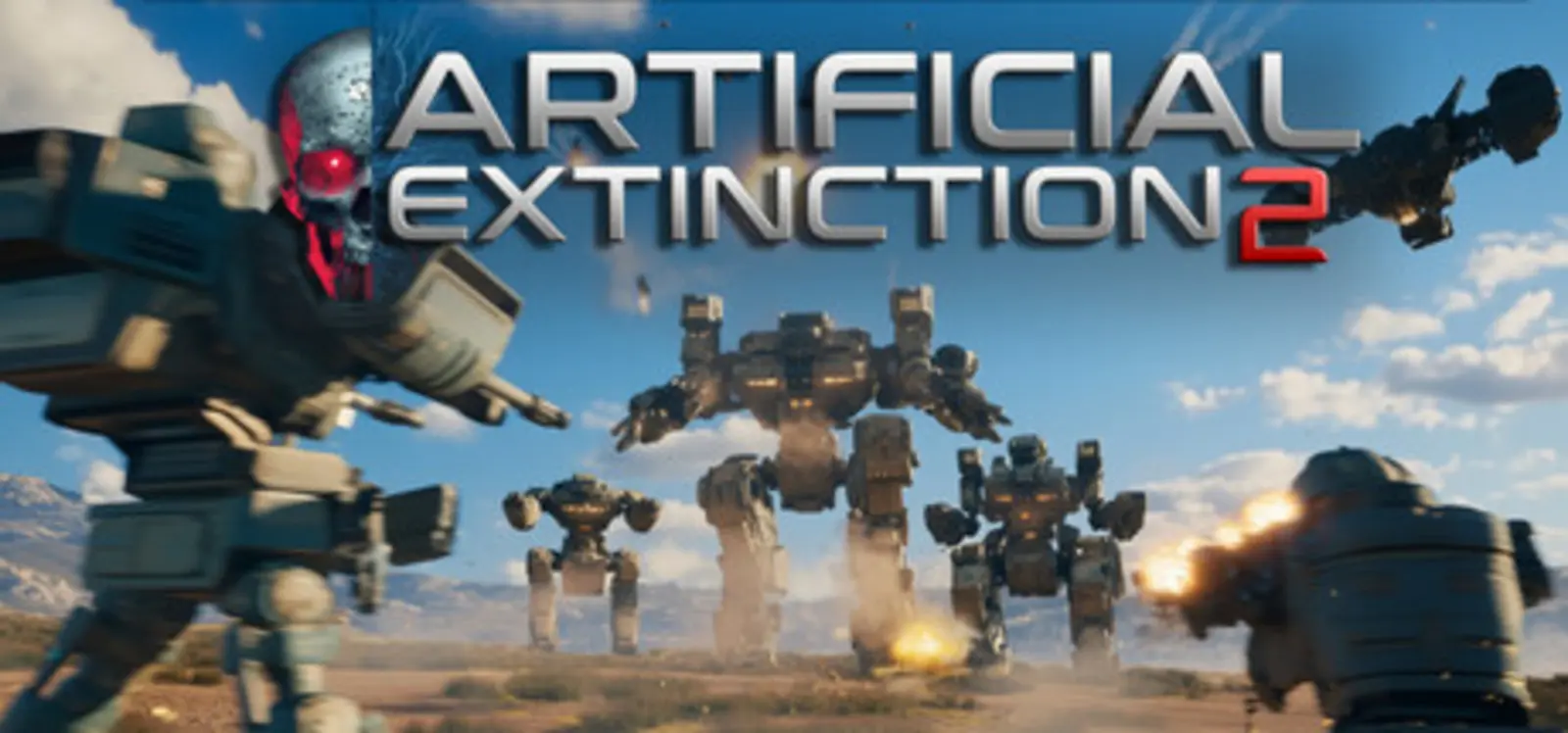
There are games that immediately "grab" you and don't let go, and those that constantly remind you how much better they could have been. Artificial Extinction 2 falls somewhere between these two worlds, with a very interesting idea and a combination of genres, but also with enough compromises to ultimately leave the impression of a solid, but not completely polished experience. Behind the game is a solo developer who has been working on the project for about five years, aiming to create something unique, challenging, and replayable, which is felt in every aspect of the game.
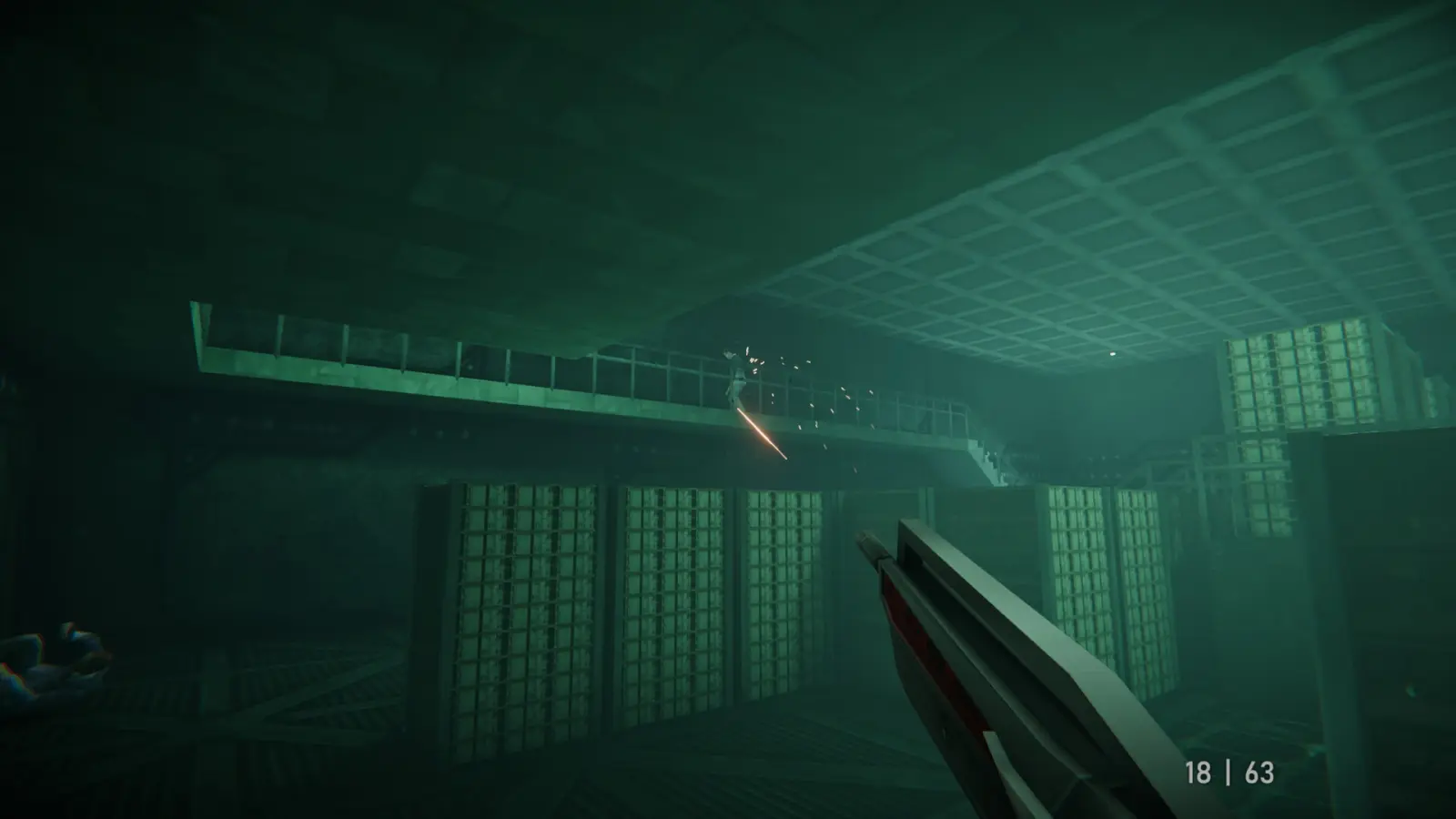
At its core, the game attempts to combine RTS, tower defense, and FPS into one whole, which on paper sounds like a recipe for chaos, but also potentially a very addictive gameplay loop. Indeed, in its best moments, Artificial Extinction 2 manages to create a sense of control over the entire battlefield, while at the same time you are running around the terrain and shooting at the incoming machines. The problem is that this balance does not always maintain the same level of excitement.
The story places us in a futuristic conflict between humanity and rebellious AI forces that have taken control of the planet. You play as a commander trying to establish defense, gather resources, and hold the line against increasingly aggressive waves of enemies. The story exists more as a framework than as something that drives the game, so don't expect a strong narrative focus or memorable characters, but rather a functional background that justifies the ongoing war against machines.
The greatest strength of the game lies precisely in this hybrid structure of gameplay. From a bird's eye view, you build a base, set up defenses, and manage resources, while in FPS mode you drop down to the ground and personally intervene where the defense falters. In theory, this sounds like a perfect blend of strategy and action, but in practice, the transition between these two styles sometimes feels more like a necessity than a natural flow of gameplay.
When everything "clicks," the game can be very fun. The feeling when you manage to defend the base at the last moment, while simultaneously running between towers and manually dealing with enemy breaches, gives that type of adrenaline that makes you come back for another mission. However, those moments are not always consistent.
The resource and base development system requires careful planning, but the game doesn't always do the best job of explaining its mechanics. The first hours can be confusing, and a wrong decision in the early phase of a mission often leads to situations where you are more "putting out fires" than actually enjoying strategic planning. This is where the problem of balance in difficulty comes to the fore, which occasionally feels unfair rather than challenging.
The enemy design and unit variety are decent, but not particularly memorable. There are enough variations to force you to adapt your defense, but rarely does that surprise moment occur that would elevate the tension to a higher level. The same goes for the progression through technologies that function, but do not provide a sense of a significant leap in power.
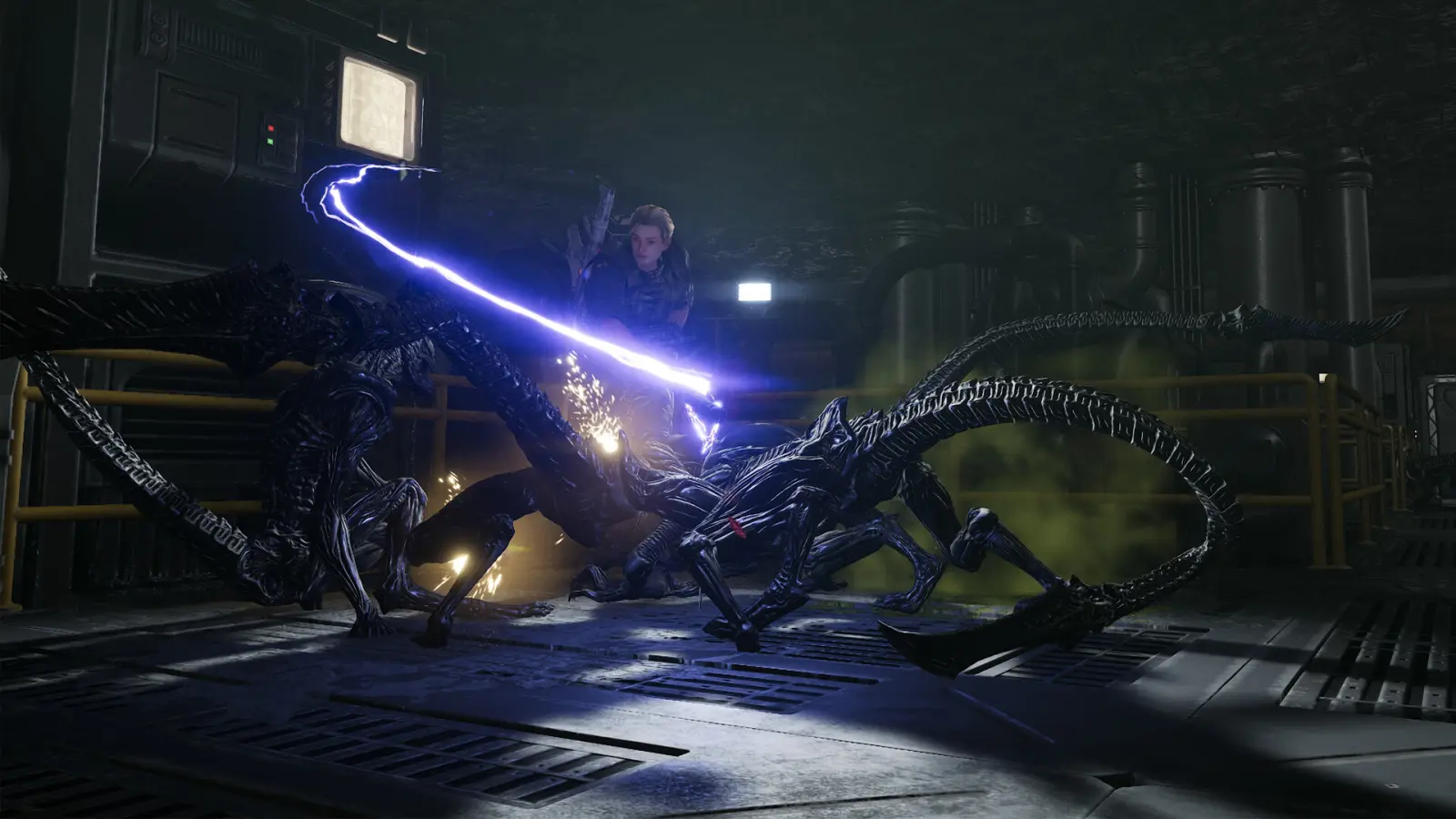
Visually, the game is quite decent for its indie framework. Explosion effects, laser fire, and massive battles give the impression of a larger spectacle than it realistically is. However, the technical presentation occasionally shows limitations, especially in animations and minor visual inconsistencies that remind you this is not a AAA production. The audio component does its job solidly. The sounds of weapons and combat help create tension, but the music and soundscape do not linger long in memory. Everything works, but it rarely leaves a stronger impression on the player.
The biggest problem with Artificial Extinction 2 lies in the fact that it never fully manages to polish its identity. The idea of a hybrid RTS/FPS experience is excellent, but the execution occasionally feels scattered, as if the game wants to do too many things at once, and none of them reach their peak. Nevertheless, despite this, there is enough fun that the game never becomes boring, especially for players who enjoy experimenting with genres. Replay value exists through different missions and approaches to defense, but it is not strong enough to keep you engaged for the long haul after finishing the campaign. The same goes for value for money, which is fair but not exceptional.
In the end, Artificial Extinction 2 is a game that has a solid foundation and an interesting concept, but it doesn't always deliver a consistent experience that would elevate it beyond a "solid recommendation." It is a title that will appeal to fans of RTS and tower defense games who enjoy a bit of action chaos amidst strategic planning, but it will also leave the impression of a missed opportunity for something much greater.
A copy of the PC version of the game for review purposes was provided by the development studio 100Hr Games Inc

-hero.webp)
-hero.webp)









-hero.webp)
-hero.webp)