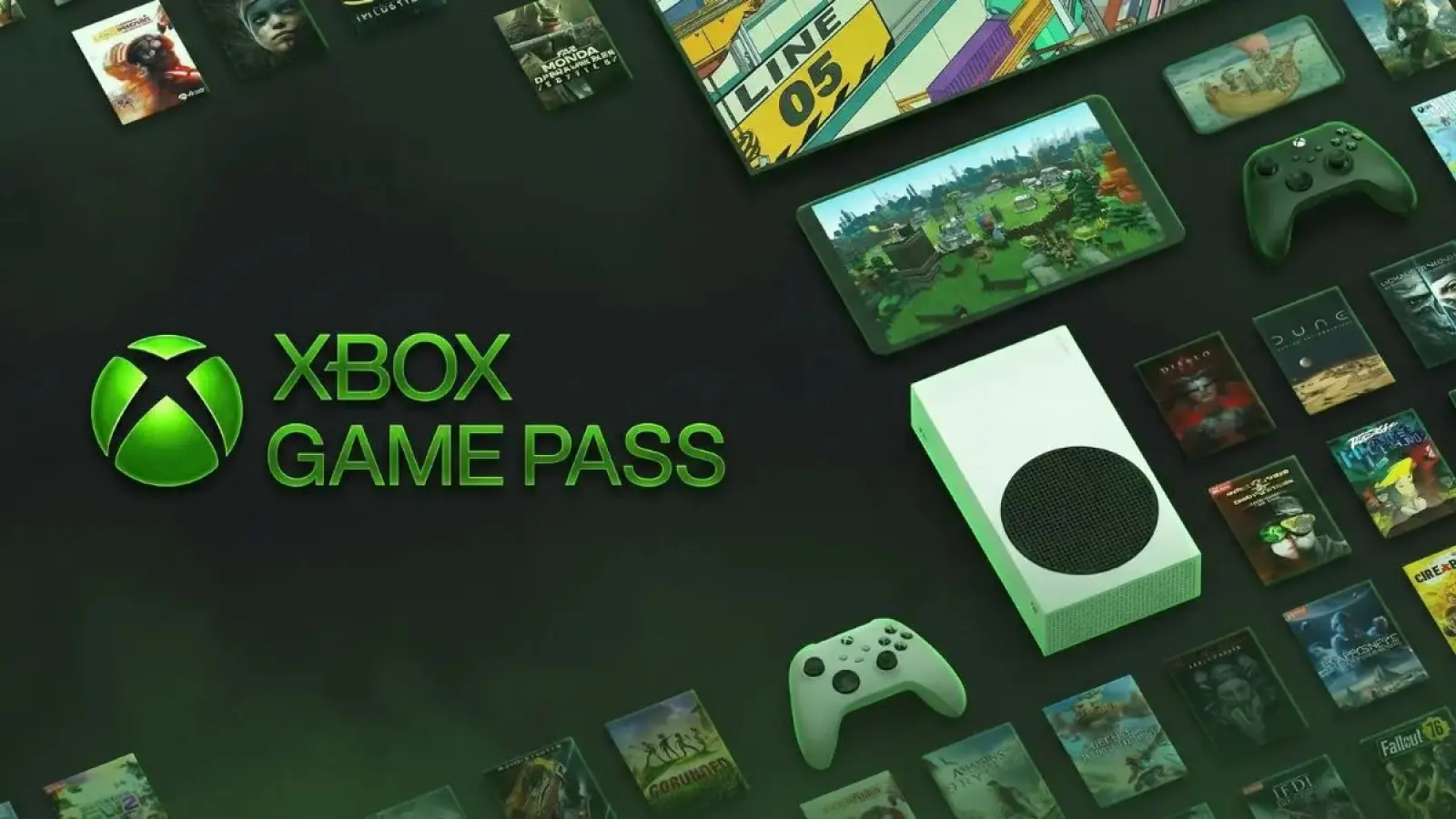
For years, Xbox Game Pass has been presented as the best deal in gaming. Hundreds of games, major first-party titles from day one, and a relatively affordable price have turned it into one of the biggest advantages of the Xbox ecosystem.
But it seems that even Game Pass is not immune to the limits that players consider acceptable. During the Summer Game Fest, Xbox's chief strategist Matthew Ball revealed that the service lost millions of subscribers after a controversial price increase in 2025. Although the exact number of users who left the service was not disclosed, it represents a significant drop. The last official figure released by Microsoft stated there were 34 million subscribers, and if that number remained roughly stable before the price hike, the loss of several million users is a serious blow to a service that had seen continuous growth for years.
The biggest problem was clearly not just the price increase.
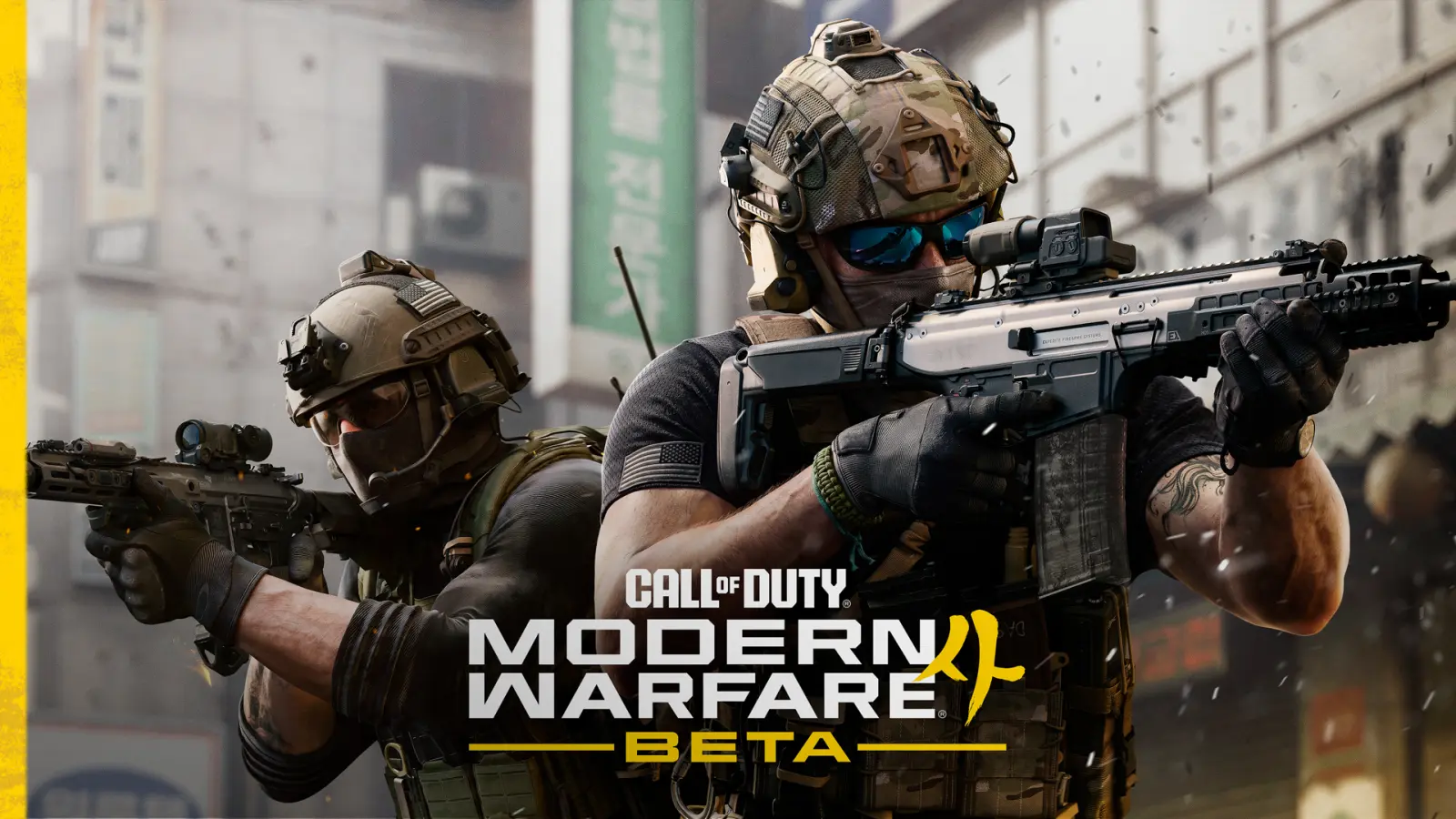
Many players criticized Microsoft at the time for combining two moves: a significant subscription price increase and the inclusion of new Call of Duty titles as justification for the higher service price. In theory, this was supposed to increase the value of the subscription, but in practice, it turned out that a large portion of users was not willing to pay nearly 50 percent more. The situation became so serious that the new head of Xbox, Asha Sharma, acknowledged in an internal memo earlier this year that Game Pass had become too expensive for some users and that Microsoft needed to find a "better value-to-price ratio."
And changes followed very quickly.
In April, Microsoft lowered the price of certain subscription models, and the new Call of Duty was no longer part of the strategy justifying the price increase. In other words, the company practically admitted that it had misjudged the market. This news comes at a time when Xbox is undergoing one of the biggest strategic changes in its modern history. After years of aggressive expansion to other platforms, Microsoft recently confirmed that Gears of War: E-Day will not be coming to PlayStation 5, which many see as a return to a stronger focus on exclusive content.
Interestingly, both stories complement each other perfectly. For years, Microsoft has tried to convince players that the future lies not in exclusives but in subscriptions. Today, after losing millions of subscribers and facing increasing pressure from competitors, it seems that the company is once again seeking a balance between the traditional model of game sales and subscription business.
I can't say that this turn of events surprises me too much. Game Pass is still a fantastic service, but there is a limit beyond which even the largest library of games can no longer justify a price increase. And it seems that Microsoft simply crossed that line last year.






-hero.webp)
-hero.webp)










-hero.webp)

-hero.webp)