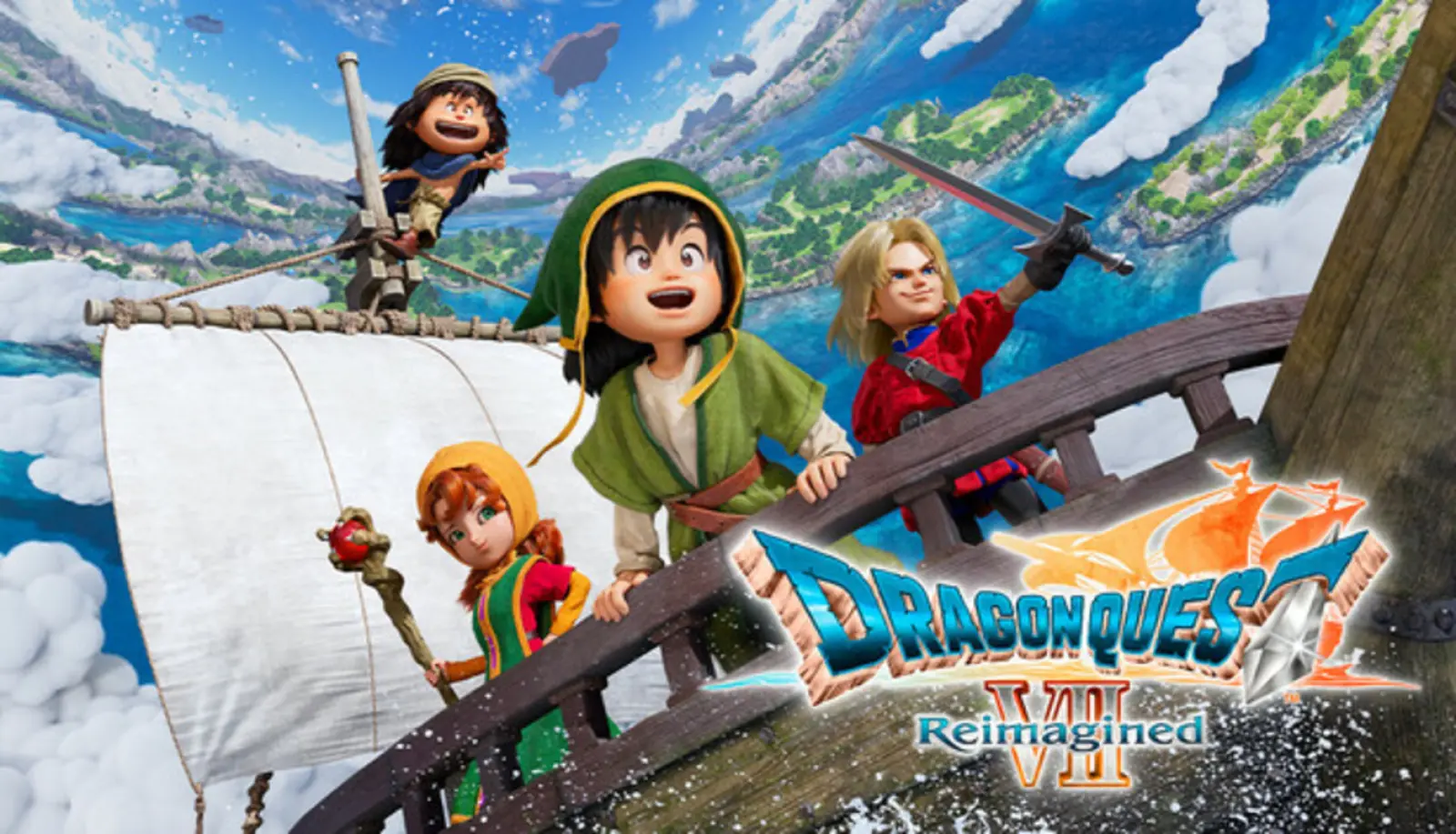
DRAGON QUEST VII Reimagined
✅ Prednosti
- Clearer presentation and more modern systems
- Ability to adjust game difficulty
- Dynamic battles and clearer menus
- New visual style and improved music
- Job system with dual vocations
❌ Nedostaci
- Removed content and simplified puzzles
- Lack of challenge for genre veterans
- Loss of retro identity and nostalgia
- Reduced depth and darker tones
- Harder to play one-handed
For those who haven't played the original, Dragon Quest VII follows a young hero and his friends from the island of Estard, seemingly the only land in the world. After discovering ancient ruins, the party begins to travel back in time to various islands, solving their troubles and gradually restoring lost parts of the world to the present. This structure gives the game the shape of a grand adventure composed of smaller stories, which remains one of the most recognizable elements of the seventh installment.
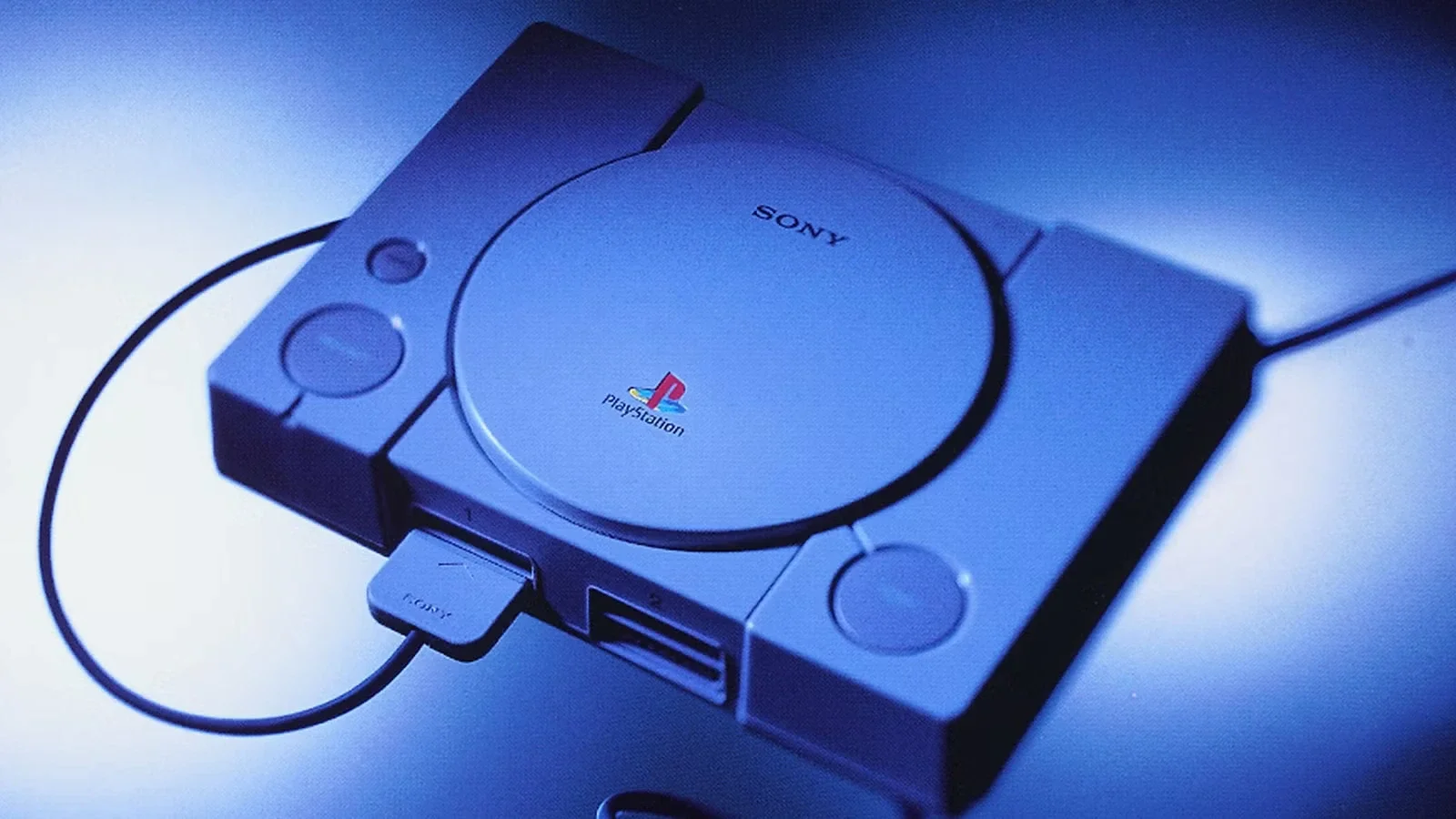
This is the third major version of Dragon Quest VII, following the original for the first PlayStation from 2000 and the Nintendo 3DS remake that was released in Japan in 2013 and in the West in 2016. Reimagined brings another interpretation of the same adventure for a modern audience.
Dragon Quest VII Reimagined is an example of a remake that not only seeks to visually refresh the original but also clearly adapt it for today's audience. I played the original on the first PlayStation, invested 100 hours into it, and was very close to the end, but I never finished it back then. That's why this new version came as a great opportunity for me to finally conclude a long-begun JRPG journey. It's interesting how, despite the passage of about 25 years, memories of the PlayStation version return during gameplay: from certain locations and melodies to the rhythm of the adventure, which could be slow, demanding, and somewhat outdated, but had its own charm. The best example of that slow start is the fact that in the original, it took the average player about two hours to reach the first real battle, or the first encounter with monsters like Slimes, and for some, it was closer to two and a half to three hours, depending on exploration and navigating the initial puzzles. I also miss its SNES-like graphics, that is, the blend of simple 3D environments and two-dimensional characters that may have seemed outdated even then, but gave the game a recognizable retro identity. That's why the new version leaves a mixed impression: it brings a faster pace, a more modern presentation, and fewer outdated obstacles, but also a number of cuts that will be most felt by players well acquainted with the original.
The biggest debates among long-time fans will be sparked by what has been removed or simplified. Square Enix clearly wanted a more streamlined experience, so certain episodes that previously expanded the feeling of a grand, slow journey have now been removed from the mandatory flow or turned into additional content. Among them, the scenarios El Ciclo, Gröndal, and Providence stand out the most, while systems like The Haven / Immigrant Town, Monster Meadows / Monster Park, Excellence Grading Organisation, and the classic casino have disappeared from the game. Numerous puzzles have also been simplified, and some have been completely removed compared to the original, further diminishing the sense of wandering and exploration that characterized the original version. There is no bank either, which loses part of the old feeling of managing money and risk, and one of the recognizable, somewhat morbid details of the series has been omitted: fallen party members no longer follow the player in a coffin, but instead return to life with little energy after battles. The Puff-Puff skill, one of the recognizable playful Dragon Quest motifs, has also been removed, and along with the removal of the classic casino and similar elements, the new version feels noticeably softer and tidier than the original. The change in character appearance when changing jobs has also been removed, which is a small but visible loss of personality for nostalgic players. Certain more explicit scenes from the original are also missing, moments that once emphasized the darker side of certain stories and gave them a sharper tone. I also miss that old, almost comically awkward ability to bang your head against the wall when Zoom was used in enclosed spaces. It wasn't an important system, but it was one of those little, quirky details that gave Dragon Quest VII the personality and charm of an old Japanese RPG. In that sense, the new version feels more accessible, but at times less impressive. On one hand, this approach removes some of the dragging and makes the adventure more suitable for modern gaming habits. On the other hand, part of the uniqueness of Dragon Quest VII lay precisely in that stubborn, almost excessive amount of side content and unusual little things that gave it character.
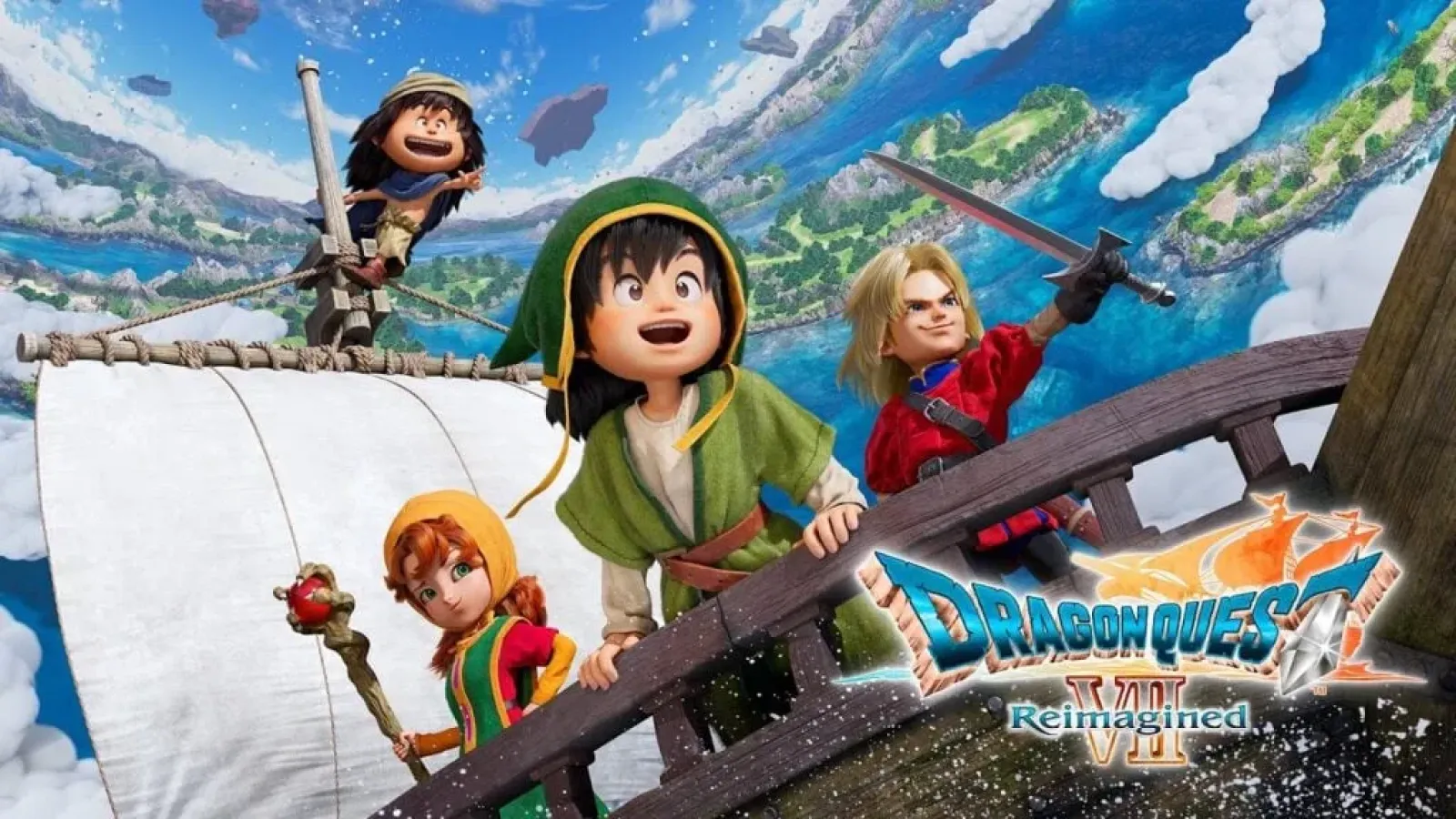
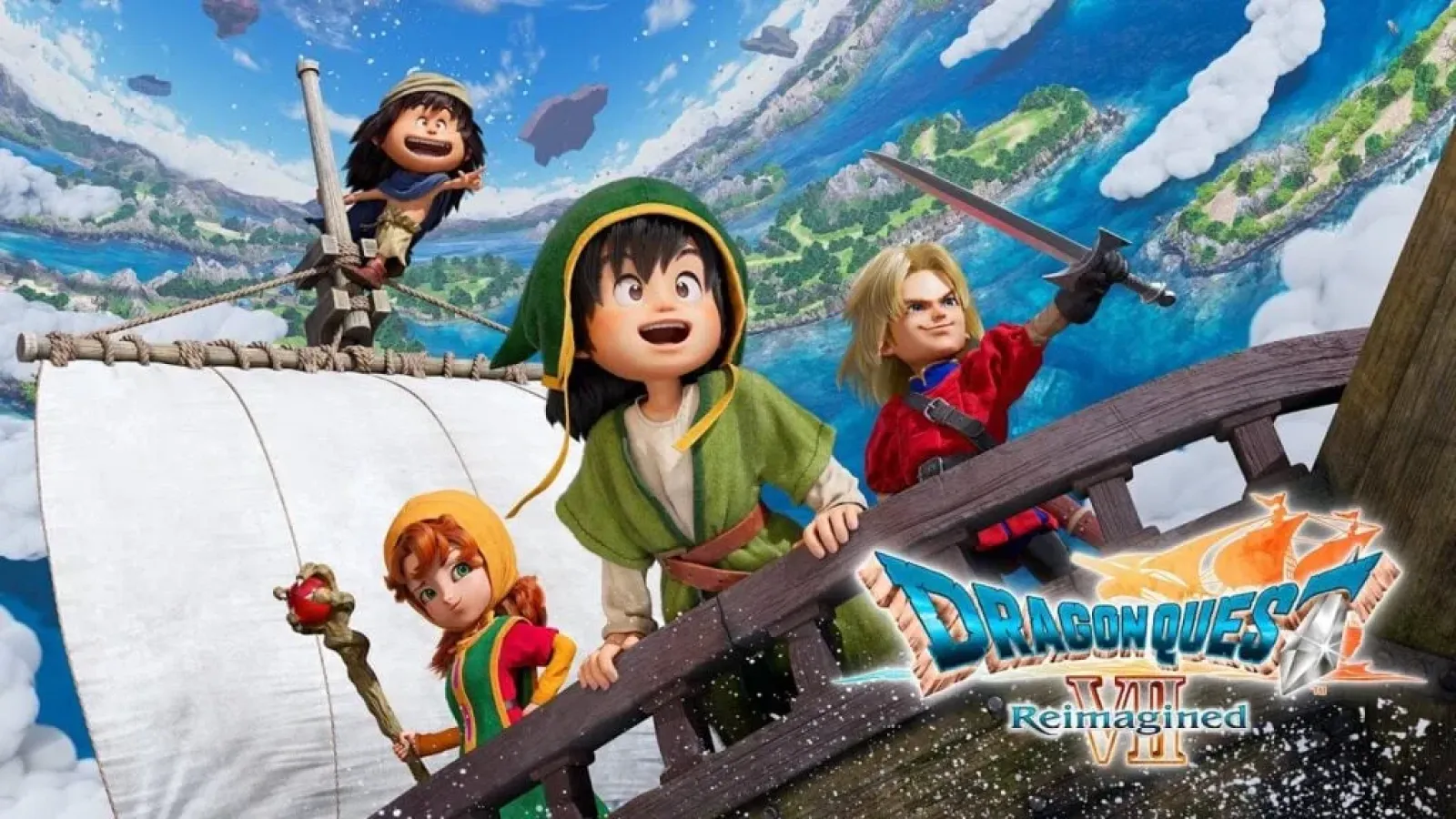
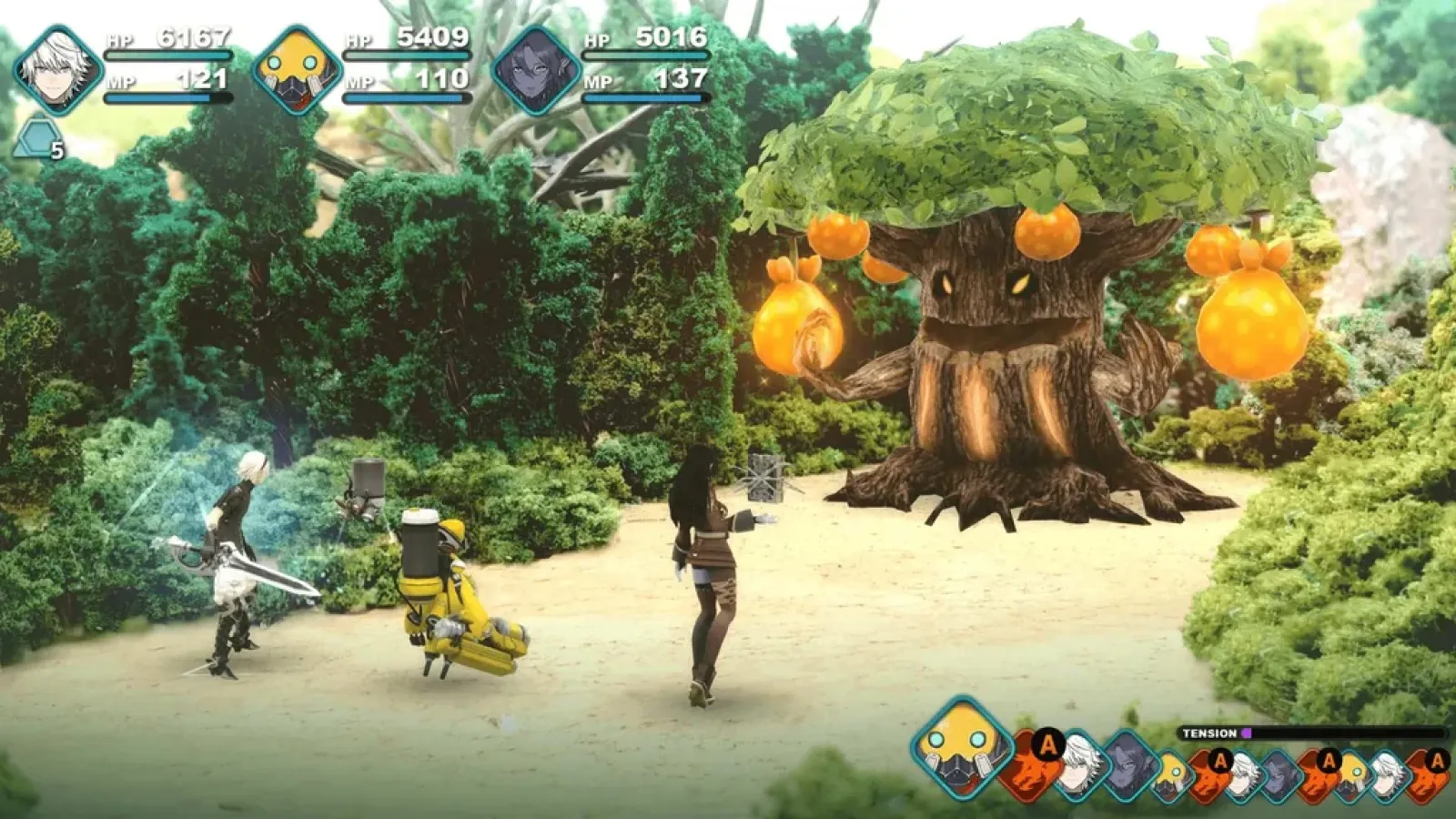
In return, this version brings clearer presentation, more modern systems, and a range of practical improvements. Dragon Quest VII Reimagined has received a new visual style resembling handcrafted dioramas, enhanced music and sound effects, voice acting in English and Japanese, more dynamic battles, clearer menus, the ability to adjust difficulty, display of enemy weaknesses, automatic saving of positions, and a map showing important items to collect. All of this makes the old structure significantly more enjoyable to play. However, one charming piece of old comfort did not survive the modernization: the original PlayStation version could largely be played with one hand thanks to the layout of commands on the left buttons of the controller, while in the new console version, such a way of playing is less practical. For most players, this won't be a big problem, but in a series that has always been suitable for relaxed, slow, and long gameplay, such a detail is still noticeable.
The most important upgrade relates to the vocation system, as characters can now have two vocations at once, which opens up more space for combining skills and tactics. However, the challenge is mostly mild for veterans of the genre, especially for those who are well acquainted with classic JRPG mechanics and expect a more serious tactical resistance. An Arena has been added, a new Monster Master approach with summoning monsters, and the return of adult Kiefer, so the remake still has enough new material to not feel like just a shortened version of the original.
In conclusion, Dragon Quest VII Reimagined is primarily aimed at players who want a large, charming, and accessible JRPG journey without too many outdated obstacles. For new audiences, this is likely the most pleasant way to get acquainted with one of the longest and most ambitious episodes of the series, while returning players will receive a familiar adventure in a prettier, faster, and more modern form. Those expecting complete fidelity to the original might regret the omitted content, milder tone, simplified puzzles, and lack of challenge, but fans of classic adventures, charming characters, vocation systems, and relaxed exploration will find a solid remake here that gains pace but somewhat loses breadth and atmosphere.
After the original, the 3DS remake, and now the Reimagined edition, there remains a somewhat humorous question of what’s next for Dragon Quest VII. Perhaps a demake in HD-2D style? Given how much this game has changed over the years, such an idea no longer sounds completely impossible.
Nintendo Switch version of the game purchased for review purposes












-hero.webp)

-hero.webp)