Artificial intelligence and new regulations are changing how games are made, distributed, and played. To better understand what these changes mean for both developers and players, we spoke with Chris Hewish, President of Xsolla and a gaming industry veteran whose career includes Activision, DreamWorks, and Skydance.
In this interview, we discuss the future of AI in game development, evolving regulations, player trust, and the trends shaping the gaming industry over the coming years.
1. Your gaming career started with a fictional recommendation letter from an Ork Warboss. What's the story behind that, and did you expect it to actually work?
It started as a tongue-in-cheek idea inspired by my love of gaming and Warhammer. Instead of a conventional recommendation, I wrote a fictional letter from an Ork Warboss praising my work ethic. It was meant to showcase personality, creativity, and genuine passion for the medium rather than serve as a serious credential.
While I certainly didn’t expect it to work, I’m glad it caught my ex-employer’s attention and became a great conversation starter, ultimately helping me stand out from the flurry of other applicants trying to break into the industry.
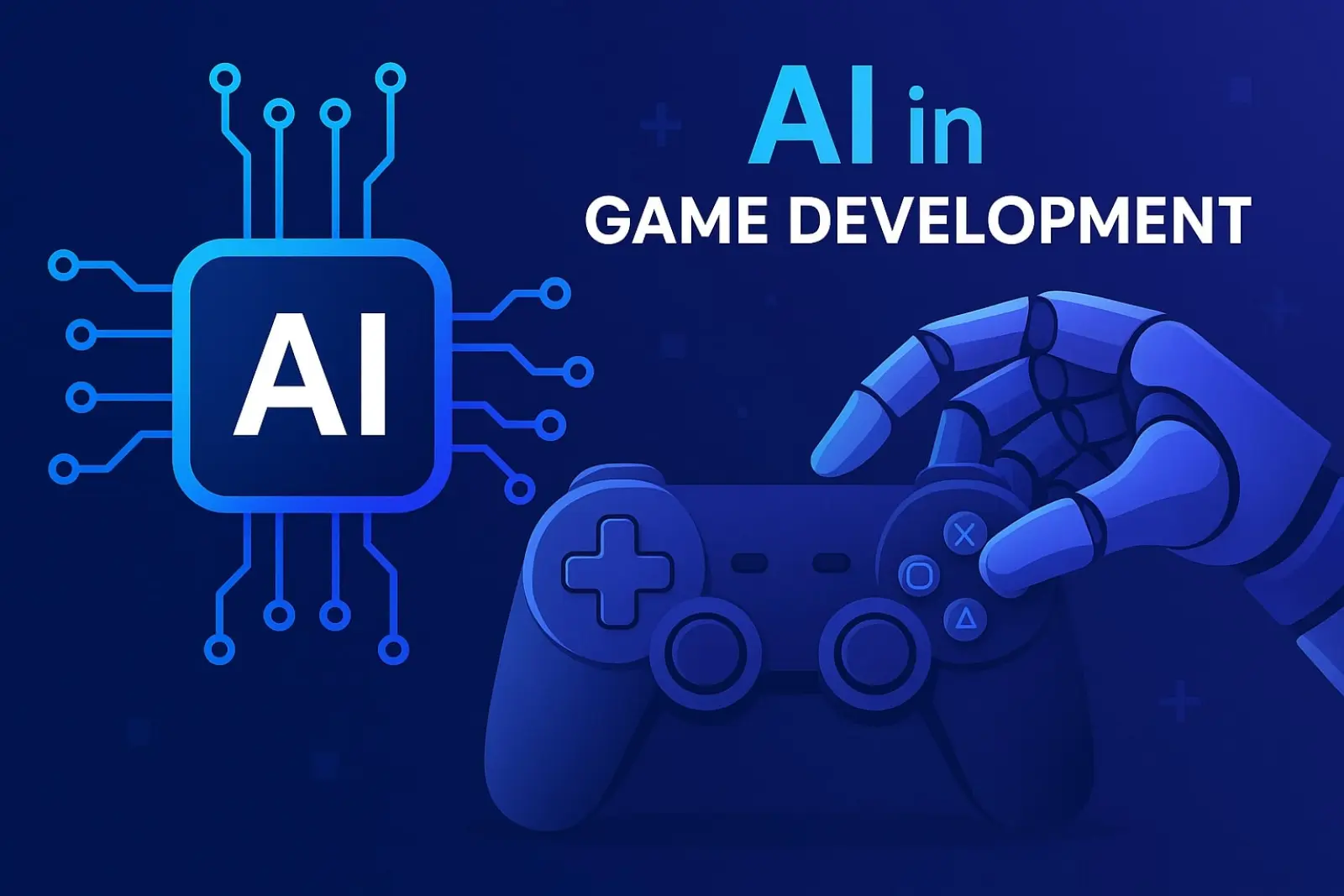
2. Players often worry that AI will make games feel less human. How do you use AI as a creative tool without losing the personality and craftsmanship that players love?
AI works best as a creative assistant rather than a replacement for human talent. I use it to accelerate research and repetitive tasks, which gives developers more time to focus on storytelling, design, and the emotional details that make games memorable. Personality and craftsmanship come from people their experiences, instincts, and creative choices. Players connect with authenticity, so AI should enhance those elements rather than override them. The goal is to empower creators and deliver richer experiences, not remove the human touch.
3. What is one use of AI in game development that genuinely excites you, and one use case that you think is massively overhyped?
One application of AI that genuinely excites me is its ability to accelerate prototyping and content iteration. It can help developers test ideas faster, automate repetitive workflows, and free up more time for creativity and polish. What I think is massively overhyped is the idea that AI will independently create great games. Memorable experiences come from strong creative direction and human insight. AI is a powerful tool, but it’s not a substitute for the craftsmanship and vision that define exceptional games.
4. Many gamers are skeptical about AI-generated content. What do developers need to do to earn player trust when using AI?
Many players are understandably cautious, so earning trust starts with transparency and intent. Developers should be clear about how AI is being used and ensure it enhances, rather than replaces, the human creativity behind a game. Players care most about quality and authenticity, so AI should be applied to improve experiences, streamline development, or support creators, not cut corners. Ultimately, trust is built by delivering great games and demonstrating that AI is being used responsibly and with players’ interests in mind.
5. Five years from now, what part of game development do you think will look completely different because of AI?
Workflows. AI will become deeply integrated into prototyping, testing, localization, and asset iteration, allowing teams to move from ideas to playable experiences much faster. I don’t believe AI will replace developers, but it will change how they work, much like game engines transformed development decades ago. The biggest shift will be giving creators of all sizes access to capabilities that previously required much larger teams and budgets.
6. Do you think AI will make indie development more competitive by lowering costs, or will it actually increase competition so much that it becomes harder to stand out?
I think both things will happen. AI will lower barriers to entry and give indie developers access to tools and capabilities that were once reserved for larger studios, which is incredibly exciting. At the same time, it will increase the volume of games being created, making discoverability even more challenging. In that environment, originality, strong creative direction, and community-building will matter more than ever. AI can make development easier, but standing out will still depend on delivering experiences that resonate with players.
7. Online toxicity remains a huge problem. Do you think AI moderation can realistically improve communities, or are human moderators still irreplaceable?
AI moderation can absolutely help improve online communities, particularly by handling at scale and identifying harmful behavior far faster than humans alone can. However, I don’t see it as a replacement for human moderators. Context, nuance, and cultural understanding are still areas where people are essential. The most effective approach is a combination of both: AI handling repetitive detection and triage, with human teams making the more complex judgment calls. Healthy communities are built through thoughtful policies and people, with AI serving as a powerful supporting tool.
8. Which current regulations in the gaming industry have the biggest impact on players directly?
From a player perspective, regulations around consumer protection, privacy, and monetization have the biggest impact. The European Union’s Digital Markets Act (DMA), for example, is reshaping how major platform holders operate by promoting greater competition and giving consumers more choice. Rules governing loot boxes, refunds, and transparency help reduce predatory practices, while GDPR has transformed how player data is collected and managed. Increasingly, online safety and age-rating regulations are also influencing how games approach community management and user-generated content.
9. What trend in gaming today do you think people aren't paying enough attention to?
One trend that doesn’t get enough attention is the quiet convergence of game development and live service operations with broader creator ecosystems. Games are increasingly becoming platforms where content, community, and ongoing updates matter as much as the initial release. That shift is changing everything from how games are designed to how they’re supported long-term. Another underappreciated trend is the growing importance of interoperability among tools, engines, and pipelines, which is reshaping production efficiency in ways that will compound over the next few years.
10. For the last question, let's try to predict the future. If you were a gamer looking at the industry in 2030, what would make you most excited about the future of games?
I’d be most excited about how much more expressive and dynamic games could become. Worlds are likely to feel more responsive, with systems that adapt more naturally to player behavior, creating experiences that feel less scripted and more alive. I’d also be excited by how accessible high-quality game creation tools will be, which could lead to a much more diverse range of games and voices in the industry. Ultimately, the biggest promise is deeper immersion combined with more creative freedom for both players and developers.
-hero.webp)






-hero.webp)
-hero.webp)





-hero.webp)