Free-to-play (F2P) games have become extremely popular in the last decade, transforming the way players access and enjoy video games. These games are free to download and play, but often contain microtransactions that allow players to purchase additional content or perks within the game. In this article, we will explore the history, advantages, challenges, and future of F2P games.
History of Free-to-Play Games
The concept of free games is not new, but it has evolved with the development of the internet and digital distribution. The first F2P games appeared in the late 1990s and early 2000s, mainly in the form of simple web games. However, the real boom of the F2P model occurred with the emergence of massive multiplayer online games (MMOs) like “RuneScape” and "MapleStory".
Advantages of Free-to-Play Games
One of the biggest advantages of F2P games is their accessibility. Since they are free to download, players can try out different games without financial risk. This is especially appealing to casual gamers who may not be willing to invest money in games they are unsure they will enjoy.
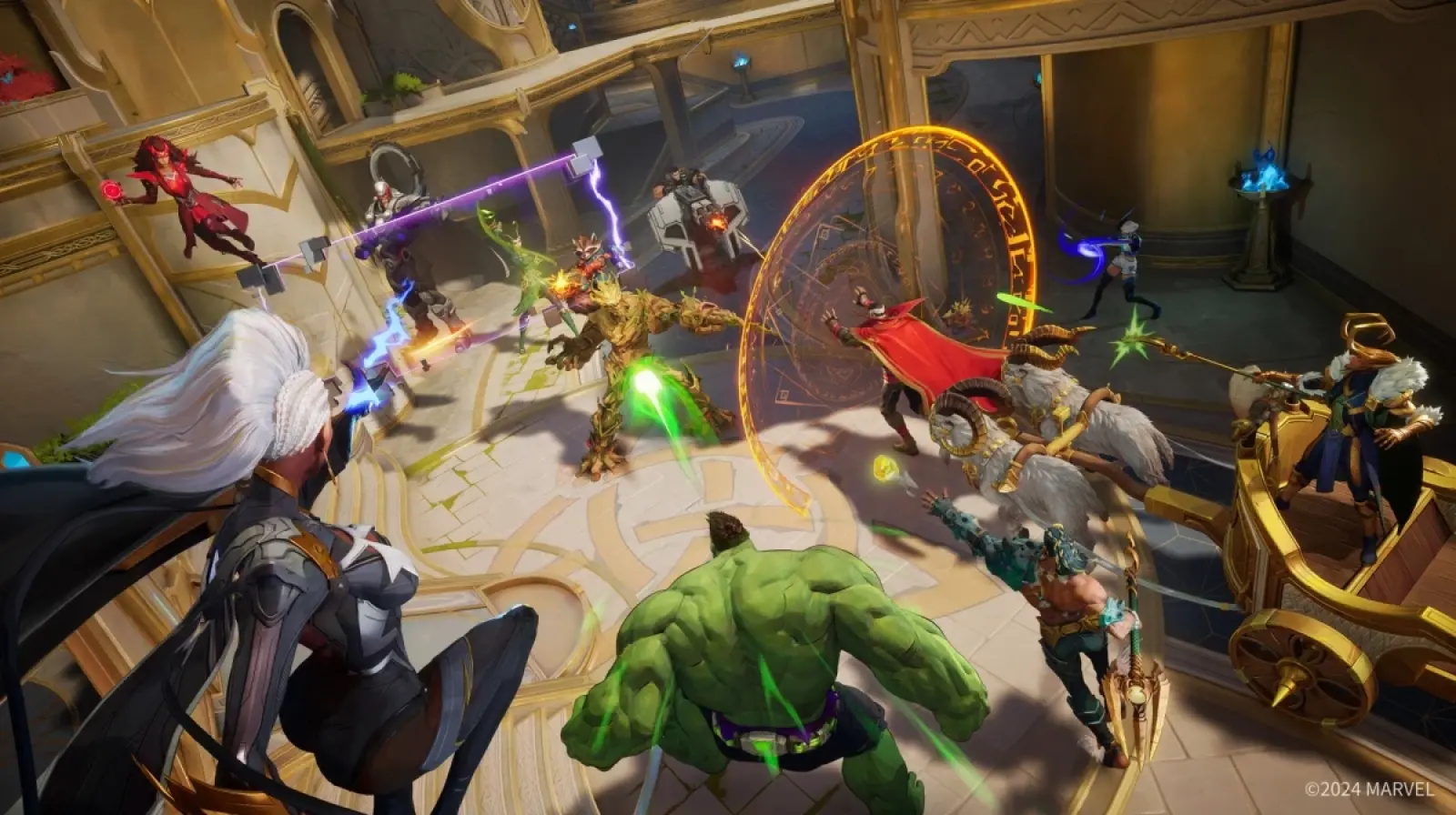
Additionally, F2P games often have large and active player communities. Free access attracts a large number of users, which can result in a richer multiplayer experience. Games like “Fortnite” and “Apex Legends” have become global phenomena precisely because of their free nature and the ability to play with friends.
Microtransactions and Monetization
Although F2P games are free to download, their developers make money through microtransactions. These transactions can include the purchase of cosmetic items, such as character skins, or functional items that can enhance a player's performance in the game. This model allows players to decide for themselves how much they want to spend, which can be appealing to those who do not want to spend a lot of money on games.
However, microtransactions are also subject to criticism. Some players believe that F2P games can become “pay-to-win,” where players who spend money have a significant advantage over those who do not. This can disrupt game balance and frustrate players who do not want or cannot spend money.
Challenges and Controversies
One of the main challenges of F2P games is maintaining a balance between revenue and player satisfaction. Developers must carefully design their games to ensure that microtransactions do not disrupt the gaming experience. Additionally, there is a risk of creating addiction among players, especially younger users, due to the constant availability of new content and rewards.
Another controversy related to F2P games is the issue of privacy and security. Some games collect large amounts of data about their users, which can pose a risk to privacy. There are also concerns about the security of in-game payments, especially when it comes to younger players who may not be aware of the risks of online transactions.
The Future of Free-to-Play Games
Despite the challenges, the future of F2P games looks bright. With the development of technology and the increasing popularity of mobile games, the F2P model is expected to continue to grow. Games like “Genshin Impact” have shown that it is possible to create high-quality games that are free to play, yet still extremely profitable.
Additionally, more and more developers are exploring new monetization methods that do not involve microtransactions. For example, some are experimenting with subscription models or in-game advertising. These models can provide a more stable source of income and reduce the need for aggressive microtransactions.
Conclusion
Free-to-play games have revolutionized the gaming industry, providing players access to a large number of games without upfront costs. Although this model has its challenges and controversies, its popularity continues to grow. Given the technological advancements and innovations in monetization, F2P games are likely to remain a key part of the gaming industry in the years to come.