The Aurora Chronicles
✅ Prednosti
- Strong foundation of the game
- Intriguing mysteries in the environment
- Interesting central themes
- Creative and imaginative story development
- Elements of experimental storytelling
❌ Nedostaci
- Extensive use of AI-generated content
- Inconsistent character voices
- Emotional scenes lack preparation
- Lack of cohesion in visuals
- Automation undermines humanity
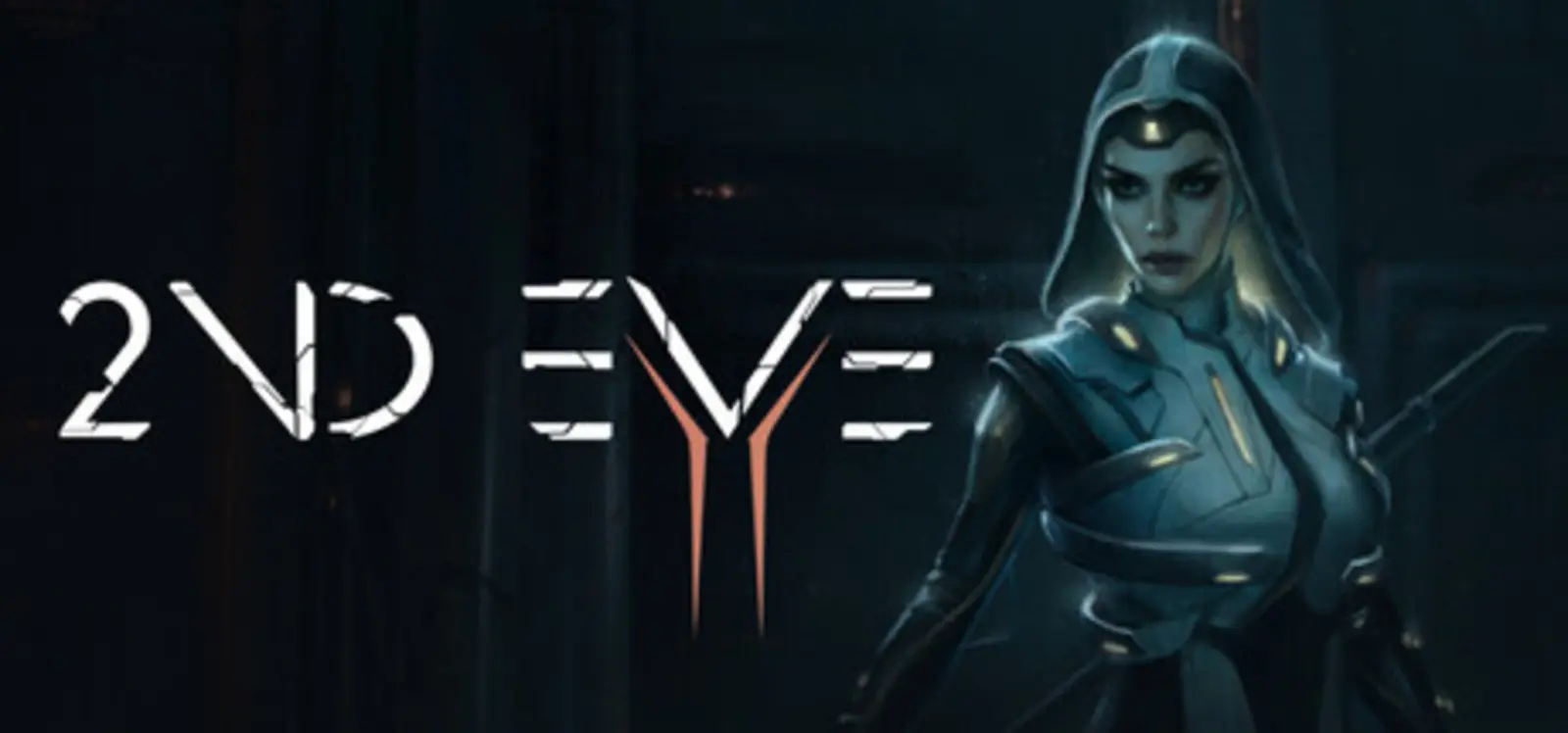
Visual novels live and die by their ability to create meaningful emotional connections. Whether through memorable characters, thoughtful dialogue, or carefully crafted storytelling, this genre relies on a distinctly human touch. For this reason, The Aurora Chronicles is one of the more interesting yet frustrating releases in recent times.
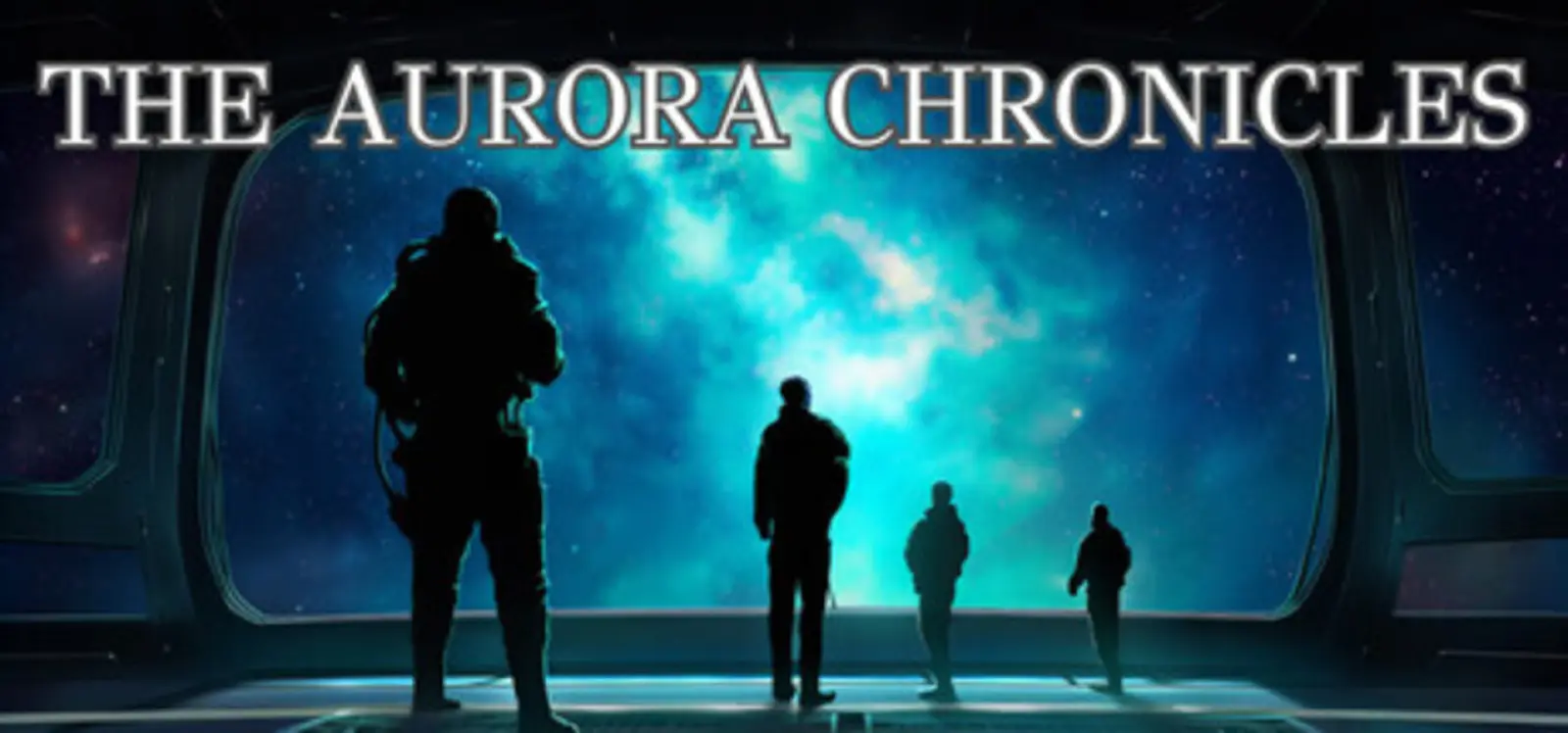
As the captain of the ship Aurora, you explore various planets and their societies on the edge of human expansion, while also dealing with a diverse crew, their differences, and personal issues. The foundation of the game is truly strong. The environment offers many intriguing mysteries, and several central concepts are interesting enough to carry an entire series. There are moments when The Aurora Chronicles shows a clear understanding of what makes visual novels appealing, especially when it slows down the pace and allows characters to reflect on the circumstances they find themselves in.
Unfortunately, much of that potential is undermined by the extensive use of AI-generated content during the game's development. Although this was done under human guidance, this approach becomes noticeable during gameplay. Character voices can seem inconsistent, emotional scenes sometimes come without enough buildup, and conversations occasionally veer into repetitive or unnatural patterns. Moments that should be emotional instead feel strangely distant.
Visually, the game suffers from similar issues. While some backgrounds and character designs are truly impressive and interesting, they lack cohesion, causing the world to sometimes feel more assembled than carefully crafted. Visual novels heavily rely on atmosphere, and even minor inconsistencies become more noticeable when players spend hours primarily with text and static images.
What makes this particularly disappointing is the fact that the central themes of the game are deeply human. The Aurora Chronicles repeatedly raises questions about memory, identity, and what it means to connect with others. These themes are intriguing, but at the same time highlight the gap between the game's message and the way it was created. A story that seeks to explore humanity inevitably invites further questioning when significant parts of its creation feel automated.
Still, it would be unfair to completely dismiss the game. There are genuinely interesting ideas here, and several story developments show creativity and imagination. Players interested in experimental storytelling can still find elements worth attention. However, The Aurora Chronicles ultimately serves primarily as a case study on the limitations of over-reliance on artificial intelligence in a genre that rests on emotional authenticity. The ambitions are commendable, the concepts intriguing, but the final result often struggles to feel as alive as the story it wants to tell. There is hope that the creators will rely less on automation in the future to achieve such goals.
A copy of the PC version of the game was provided for review by the publisher Entropy