River City Saga: Journey to the West
✅ Prednosti
- Strong roguelite system
- Three clearly differentiated characters
- Satisfying, chaotic beat 'em up combat with good hit feel
❌ Nedostaci
- Gameplay can be repetitive
- Focus solely on single-player
- Technical limitations on Nintendo console
River City Saga: Journey to the West brings a fun, roguelite beat ’em up with recognizable Kunio humor and a very strong progression system, but its limited content variety and technical flaws on the Nintendo console hold it back. Overall, it is an attractive spin-off for solo players who enjoy grinding and experimenting with builds, provided they can tolerate 30 fps and some technical hiccups.
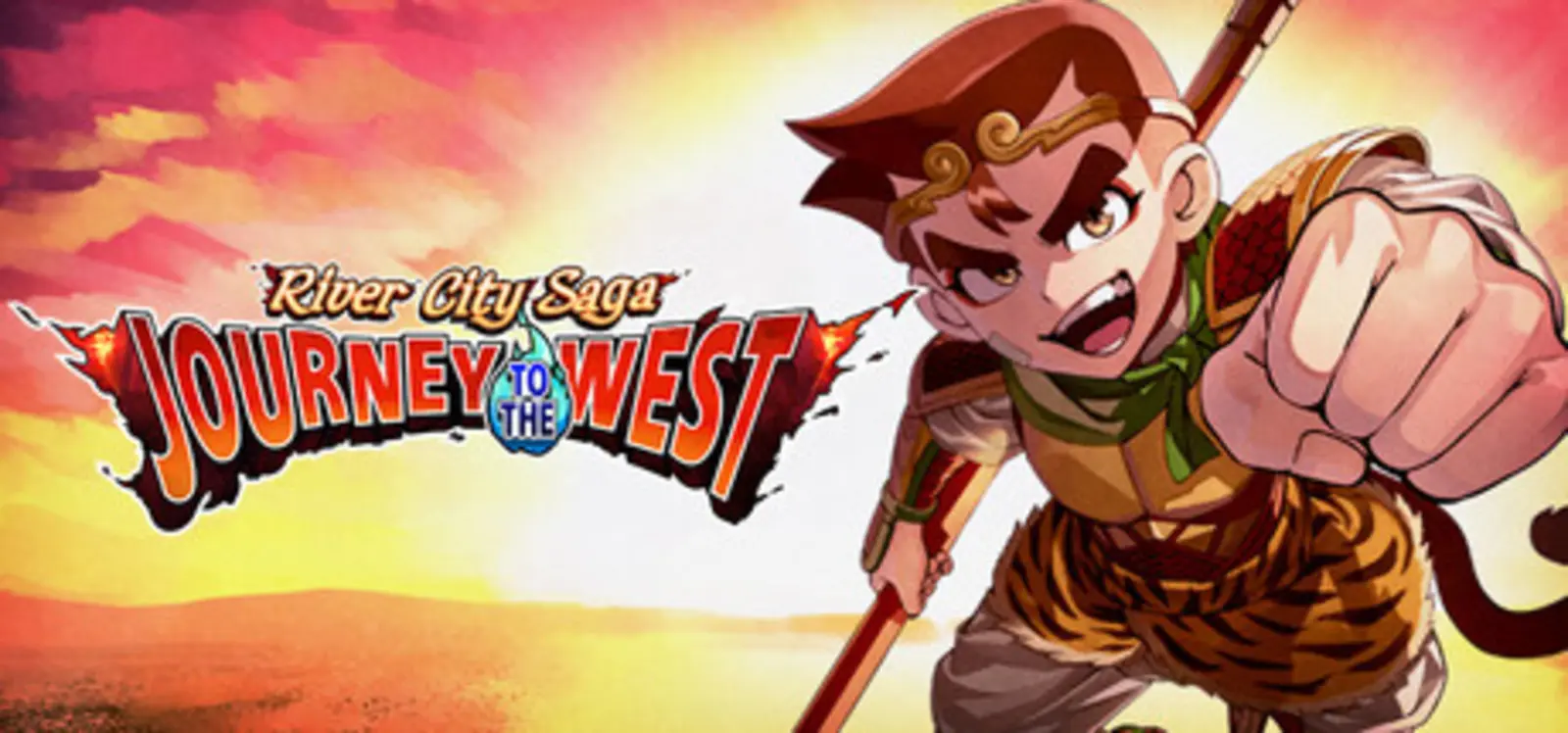
The game transforms the classic story Journey to the West into a parodic comedy where all the main characters – Sun Wukong, Zhu Bajie, Sha Wujing, and Tang Sanzang – are actually Kunio and the gang from the River City series. The plot and dialogues constantly balance between mythological pathos and absurd humor, which will give long-time fans an extra layer of references, while new players will find the chaotic tone entertaining. River City Saga: Journey to the West is an action roguelite beat ’em up designed for a single player, focusing on short runs, 2D combat, and constantly changing builds through the selection of new skills. The game is available on Nintendo Switch, PlayStation 5, and Steam as a digital release priced at $19.99.
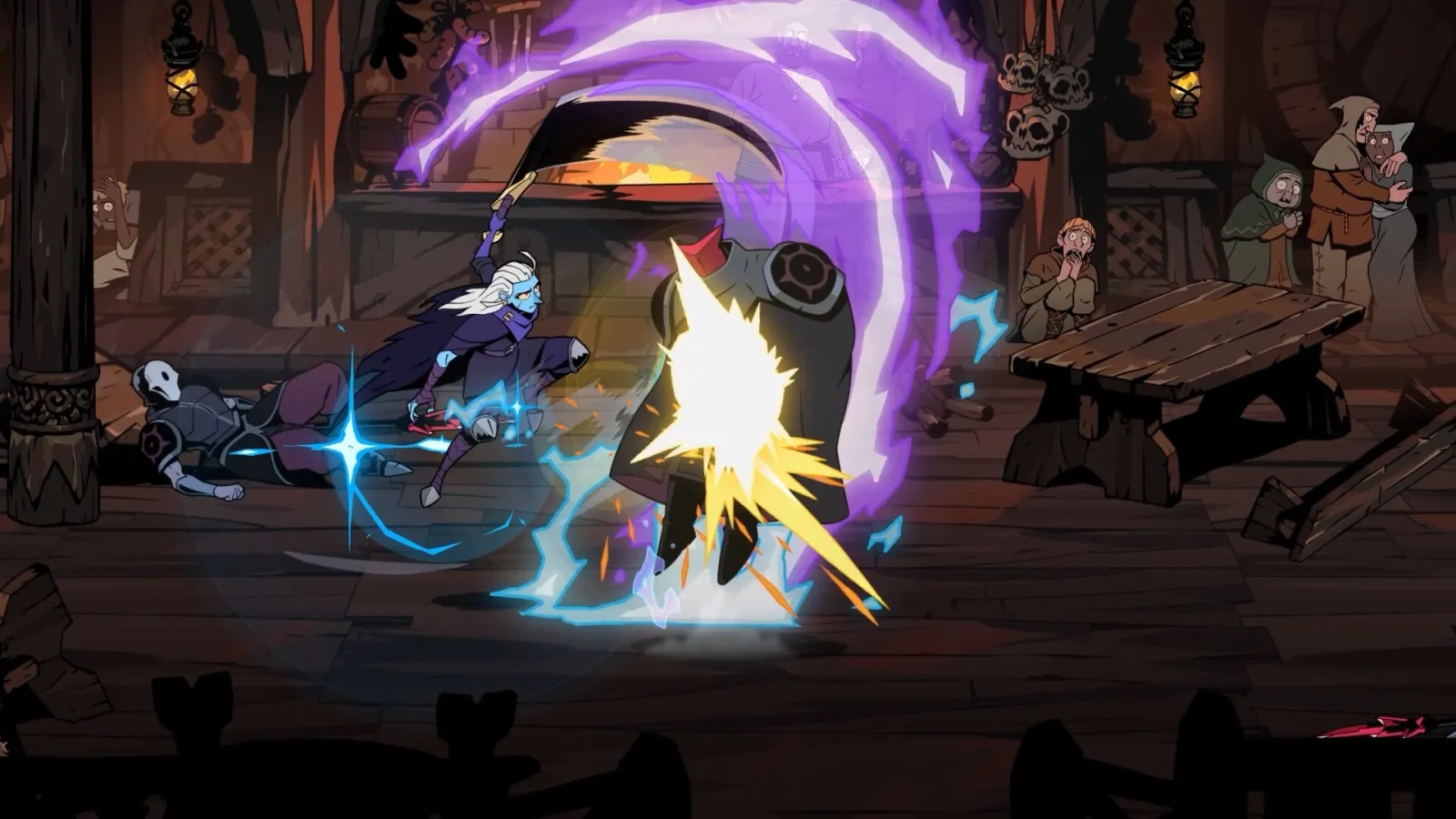
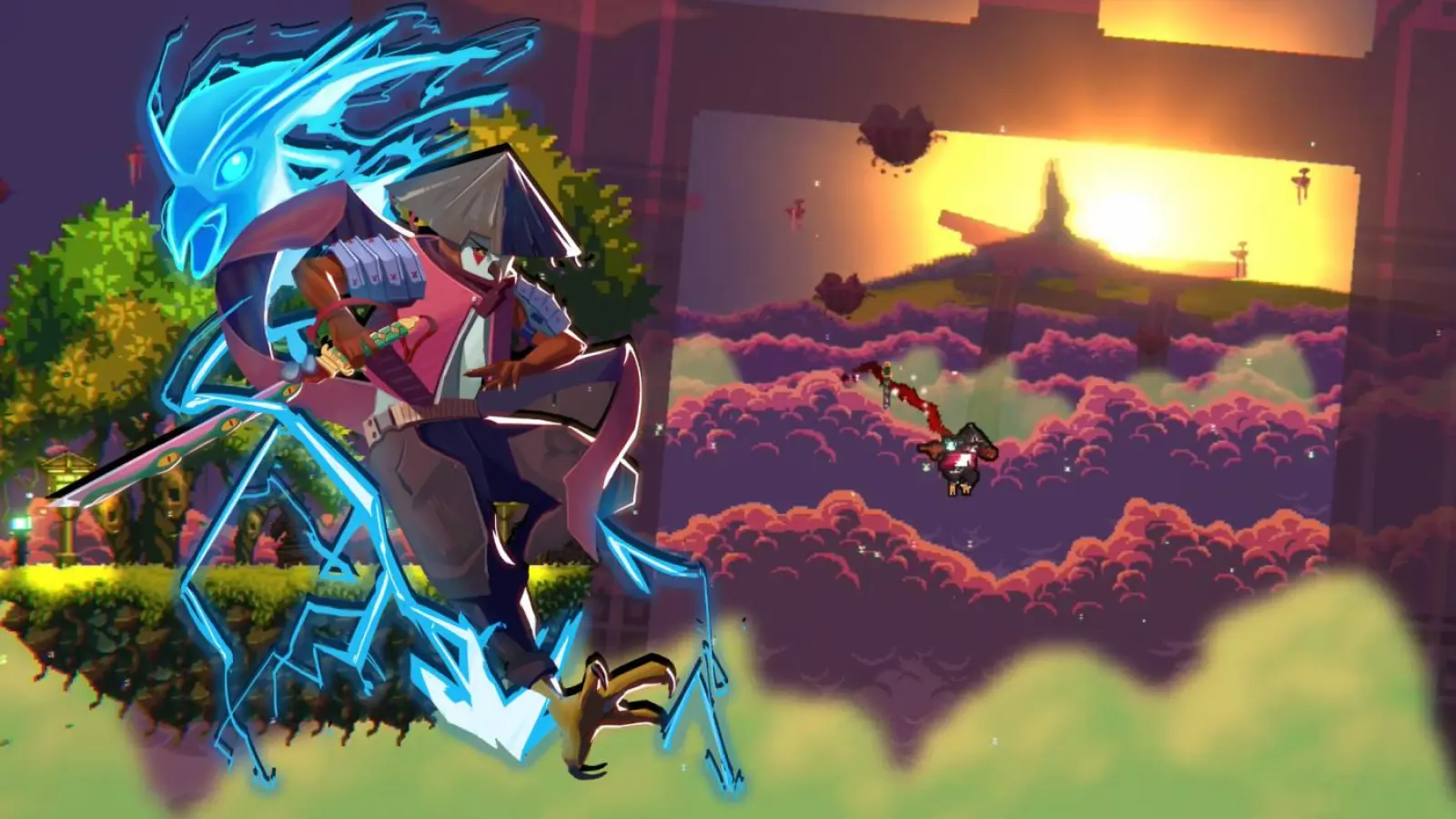
Each run consists of a series of smaller arenas where waves of enemies drop onto the screen, and your task is to clear them out and reach the boss. Combat is based on simple, intuitive controls – light and heavy attacks, dodging, and special skills – but the hits have a good “heavy” feel, and the larger number of enemies creates a true arcade crowd.
The roguelite structure means that arenas and available upgrades change from run to run, so the emphasis is on adapting to the current build rather than merely memorizing patterns. Boss fights are particularly emphasized: they require an understanding of your character's strengths and smart use of selected skills, and after victory, you often unlock their powerful skills for later runs.
At the start, Sun Wukong is available, representing a fast, agile style with an emphasis on mobility and quick combos. As you progress through the story and runs, you unlock Zhu Bajie, who relies on slower but more devastating hits and higher endurance, and Sha Wujing, whose focus is on ranged attacks and space control. The differences between characters are pronounced enough that switching from one to another truly changes the pace and approach to combat, giving the game added freshness and encouraging experimentation with various skill combinations. This further enhances the roguelite loop, as it is not just about repeating the same scenario with the same set of moves.
Progression occurs on two levels: within each run and through permanent upgrades between runs. During the run itself, after certain stages or clearing arenas, gods appear to offer you so-called Secret Skills – powerful abilities and buffs that you choose from several randomly generated options. A total of about 80 different Secret Skills are available, some increasing raw damage, others enhancing mobility or endurance, while others add elemental effects or completely new attacks and ultimate moves.
In practice, this means that your character “levels up” during the run through increasingly crazy combinations of skills: one build can turn you into a screen-clearing AOE attack machine, another into a mobile fighter darting around the arena, while a third boosts defense. Some combinations initially seem average, but true synergies unlock as the series of Secret Skills upgrades, providing a good dose of experimentation and replay value.
Outside of runs, in the hub area, you spend the collected currency and rewards on permanent upgrades, enhancing base stats and unlocking new possibilities, ensuring that even failed attempts translate into visible progress. Additionally, defeating bosses unlocks their special skills, which you can then incorporate into your set for future runs, further deepening the sense of character growth over time.
Visually, the game continues the tradition of the River City series with very expressive pixel art – the animations are exaggerated and full of energy, attack effects are colorful and overemphasized, and the enemies cleverly blend mythological motifs and humor. Backgrounds range from temples to mystical landscapes and demon-filled battlefields, which, despite the roguelite structure, gives a sense of traveling through different locations.
On the Switch, the target is 30 fps, which is evident in the comparison footage, where I personally find that the performance on this platform is weaker than what would be expected from a title originally designed for the Switch. In a genre that relies on responsiveness and readability of chaos on the screen, performance drops and fluctuations in fluidity are hard to completely ignore, especially in the later stages of runs with a multitude of enemies and effects.
River City Saga: Journey to the West on the Switch is a witty, energetic, and mechanically solid reinterpretation of the Kunio formula, successfully transitioning to a roguelite structure and emphasizing experimentation with builds and permanent progression. At the same time, the limited level of exploration, lack of co-op options that could elevate the game to a higher level, and technical limitations on Nintendo's console prevent it from rising to the ranks of must-play titles, especially for those who are not already in love with the genre or the River City series.
A copy of the Nintendo Switch version of the game for review purposes was provided by the publisher Arc System Works