According to The Wall Street Journal, Apple has informed its partners that it is facing an unusually strong rise in component prices. In a statement, the company emphasizes that it has reached a point where it can no longer avoid price increases and that it has not recorded such a large and rapid rise in component costs before.
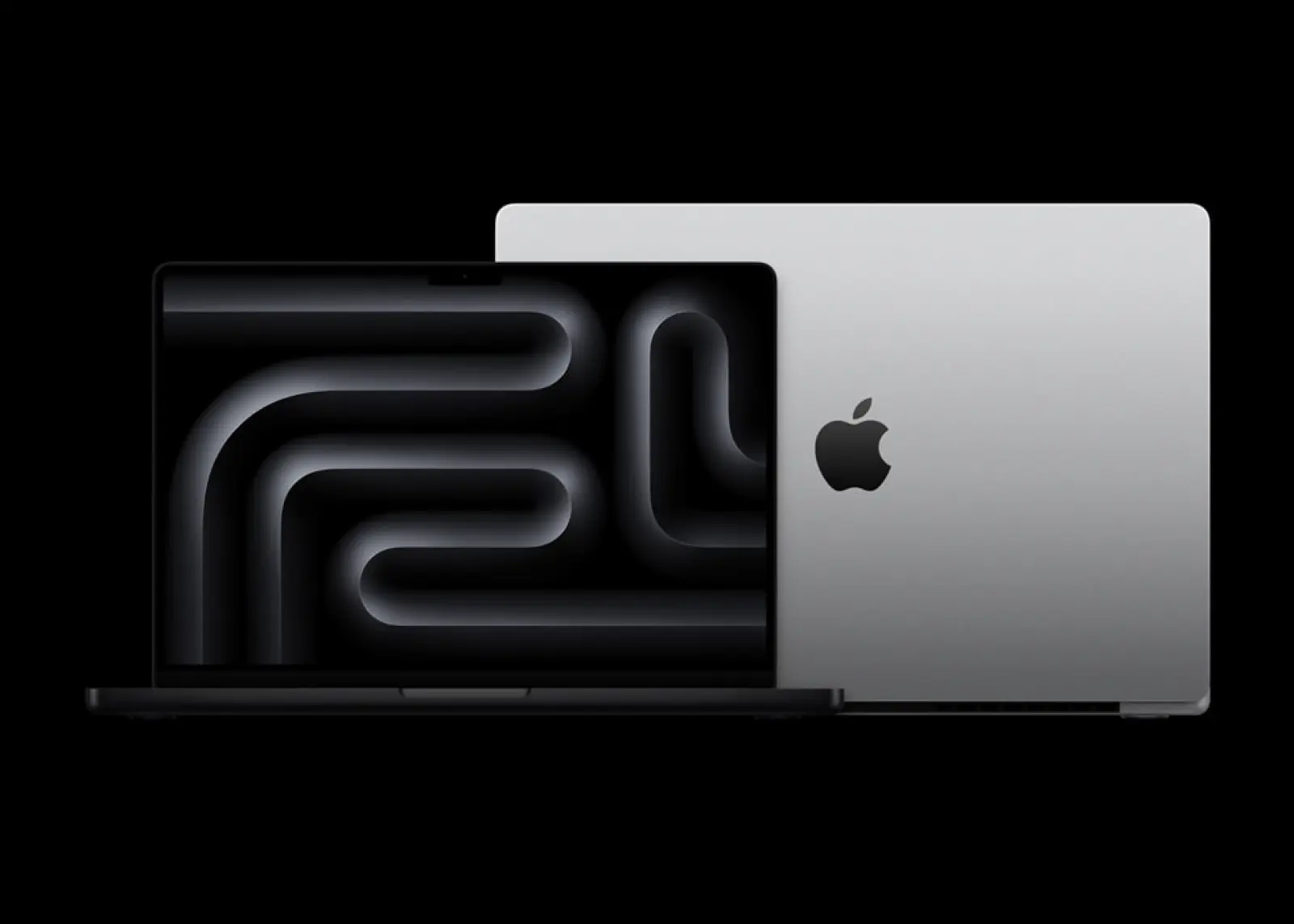
In the American market, prices for certain models have increased by $200 or more. For example, the 14-inch MacBook Pro with the M3 chip now starts at $1,799, instead of the previous $1,599, while the 16-inch model has risen from $2,499 to $2,699. Higher prices have also been recorded for more powerful configurations of the Mac Mini, as well as for certain models of the iPad Pro and iPad Air devices, with the adjustments linked to the rising costs of RAM and SSDs.
Interestingly, the new MacBook Neo is not included in the current price increases. According to the article, Apple likely wants to keep that model in a more affordable price segment, especially for the student population.
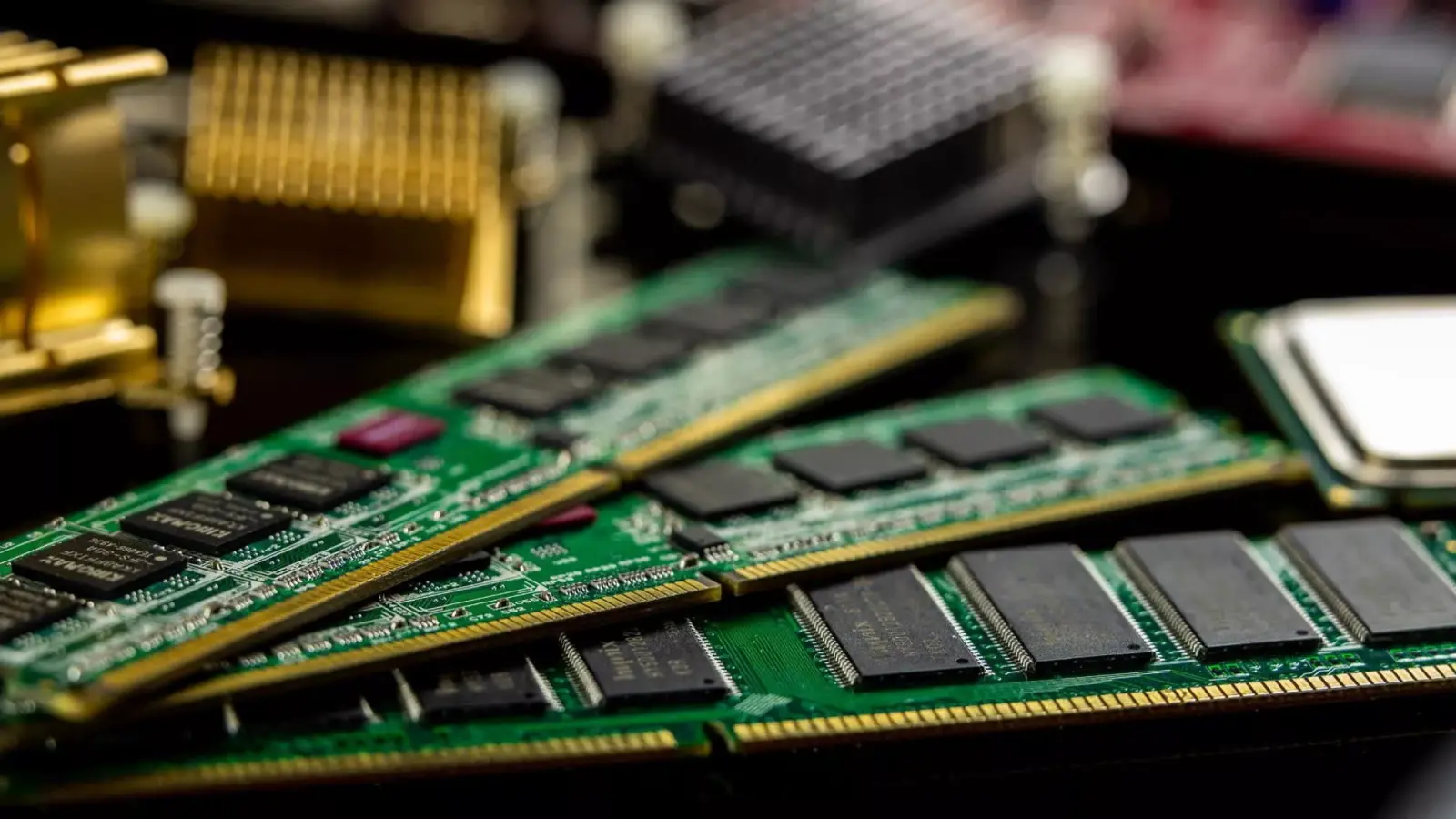
The price increases come after a prolonged rise in the prices of DRAM and NAND flash memory during the second half of 2025. This trend has been driven by supply constraints as well as high demand from AI data centers, which further burden the global market for memory and storage components. Analysts expect that elevated costs will persist into next year, which could further pressure device manufacturers across the industry.
The article also reminds that Apple is not alone in this move. As an example, it mentions Valve, which recently also had to announce surprisingly high prices for its new Steam Machine, and subsequently confirmed that the current price is significantly higher than what was planned back in 2023.
Apple is just one of many hardware manufacturers that have adjusted prices due to rising memory and storage costs. If the trend of component price increases continues, additional price corrections from other manufacturers should not be surprising.