After months of campaigning and pressure from the gaming community, the response many expected but did not hope for has arrived.
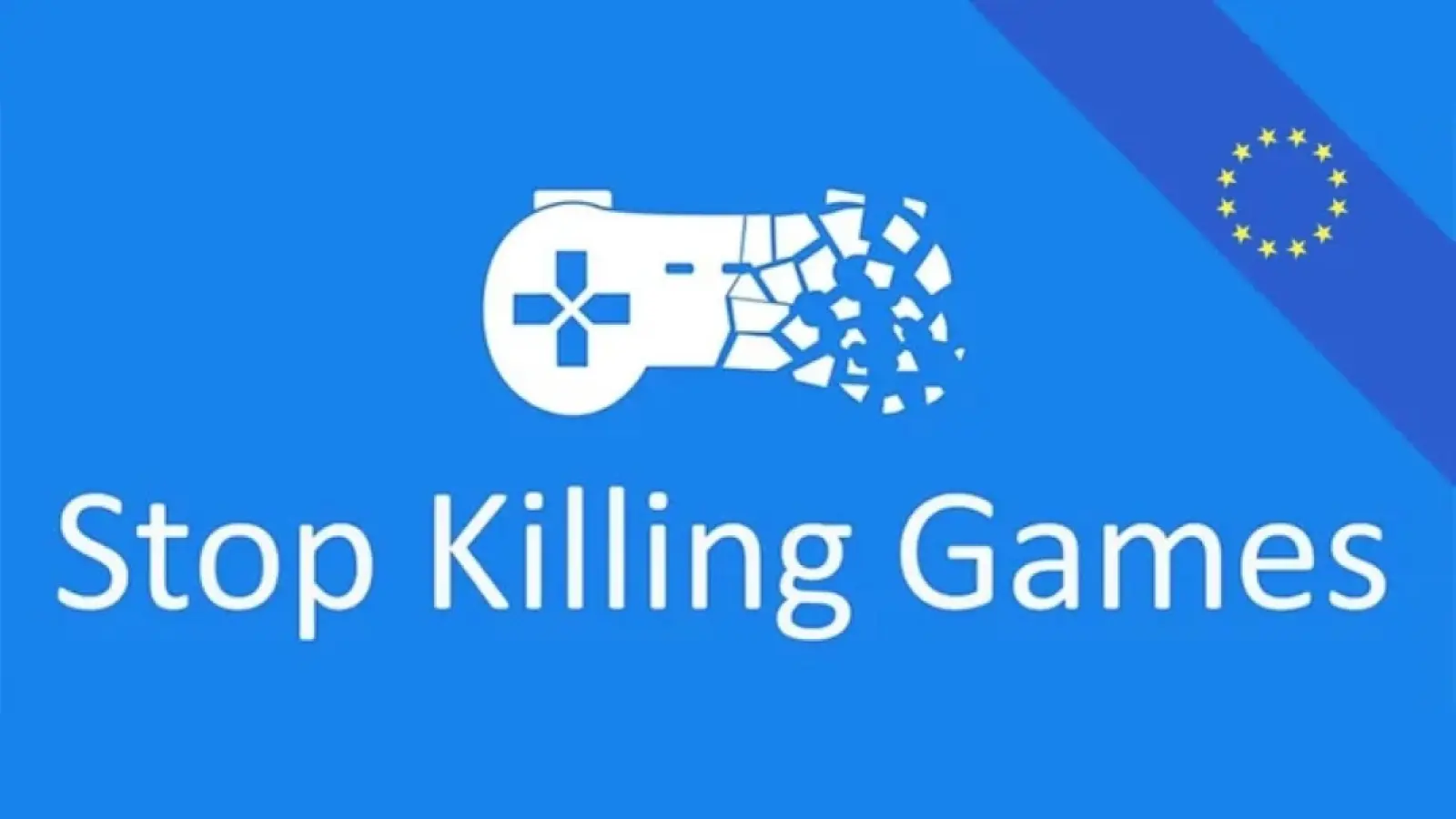
The European Commission has officially announced that it currently does not plan to propose a law requiring publishers to keep video games playable after they cease official support or shut down servers. This marks the first serious institutional blow to the Stop Killing Games initiative.
According to the Commission's statement, such a law cannot currently be proposed, partly due to existing intellectual property rights that protect publishers and game owners. In other words, Brussels believes it cannot simply force companies to continue maintaining or opening their products after the end of the commercial life cycle. However, the Commission has not completely ignored the problem. Instead of legislative measures, it announced two steps. The first involves discussions with representatives of the gaming industry and consumer protection organizations to develop a sort of code of conduct related to the "end of life" of video games. The second is aimed at informing consumers about the existing rights and protections they already have when purchasing digital products.
For the campaigners, this is not enough.
But they are not surprised. From Stop Killing Games, they stated that they expected this scenario and have already prepared an alternative plan. They now want to try to insert the goals of their campaign into the upcoming Digital Fairness Act through the European Parliament, a law that is currently in development. This initiative addresses issues such as manipulative design in apps and games, systems that encourage addiction, and other practices that can harm consumers. In other words, Stop Killing Games is trying to find a new path to the same goal. And that goal remains the same as from day one: to ensure that purchased games do not disappear forever just because the publisher decided to shut down the servers.
The topic has become increasingly relevant in recent years as numerous online games have simply ceased to exist after official support was terminated. Players who purchased them often had no way to access them, even in single-player segments.
As a result, the campaign has garnered significant support among gamers worldwide.
Meanwhile, certain progress has been made outside of Europe. In California, a bill was recently passed that would require publishers to offer players a refund or an alternative playable version of the product when shutting down servers. However, this proposal still needs to go through additional procedures before it becomes law.
Although the European Commission's decision is a disappointment for part of the community, it is hard to call it a final defeat. The fight to preserve digital games clearly continues, just on a different front. And given how much modern gaming relies on online infrastructure, the issue of ownership of purchased games is likely to become increasingly important in the years to come.