Even if your child doesn't play Minecraft, they have surely heard of this popular game in kindergarten or school, so it's only a matter of time before they want to play it themselves. To help you understand what it's all about, we are sharing a small guide for parents from the website of the Safer Internet Centre
Source: csi.hr
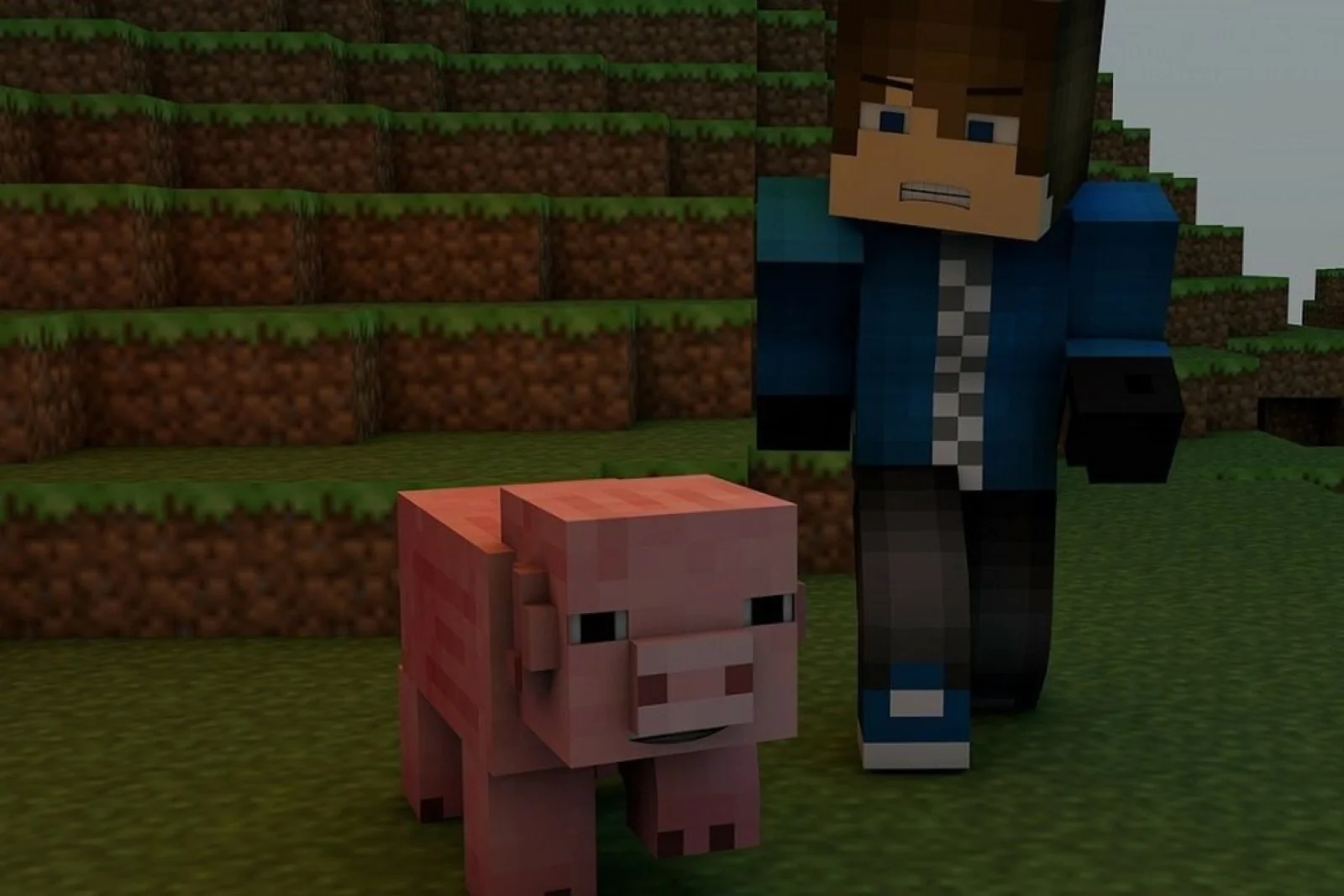
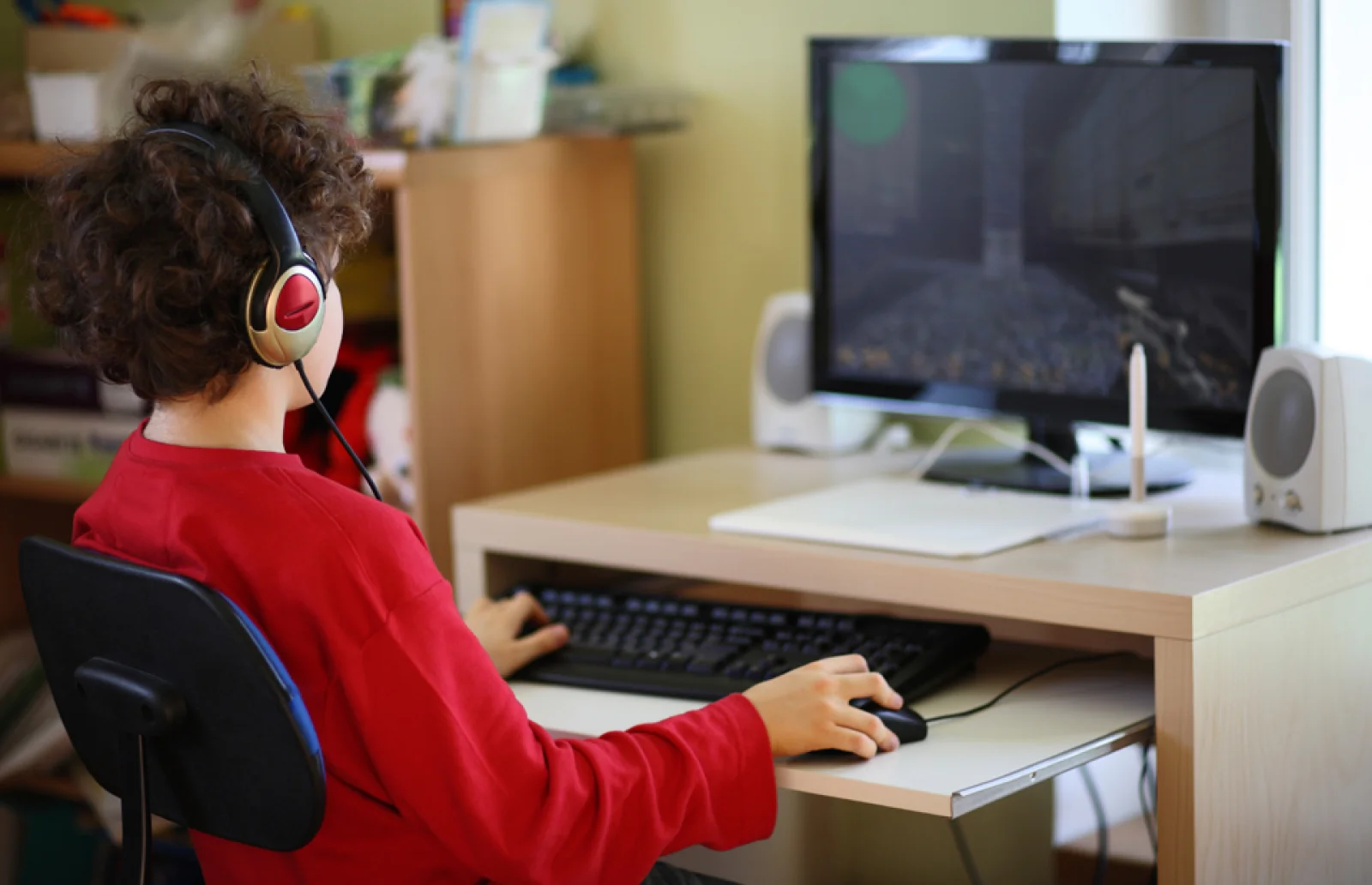
Minecraft is currently one of the most popular games in the world. It is often described as “online Lego” that involves building with blocks (squares) and creating structures in various environments. The game includes collecting, crafting tools, building, and combat.
Minecraft can be installed and played on computers, smartphones, tablets, and consoles. The current price of this game is 23.95 euros, or about 170 kuna, depending on the device you want to install it on.
The European game rating agency PEGI has labeled Minecraft as suitable for children over seven years old, but the game itself has a rating of 13+. The explanation for the age difference lies in the retention of children's data, meaning it does not ask for age verification when you sign up for the game.
Why do children love Minecraft so much?
Minecraft is very popular, especially among children aged 6 to 13 years. Its popularity comes from the ability to create anything, from cities to amusement rides and everything in between, with no rules in the game and endless possibilities.
The game also allows for multiplayer mode, multiplayer mode, which is a very popular option among younger players who enjoy playing with their friends and building shared creations. The freedom that the game offers is the most important aspect that continually attracts them to Minecraft.
Benefits of playing Minecraft
There are numerous benefits and skills that children can develop through playing Minecraft. Some schools around the world have even started incorporating Minecraft into classrooms as a new tool for imparting knowledge to children. The benefits of playing Minecraft include:
Development of problem-solving skills.
Increases and improves computer literacy; children can develop basic programming skills and use computer programs.
Encourages creativity and can help children with design skills development – players can develop/build/create whatever they imagine.
Improves teamwork skills and encourages collaboration.
Enhances mathematical, spatial, and analytical skills.
Potential risks
There are also a number of potential risks that may concern parents. However, many of these can be easily managed.
Multiplayer mod
Minecraft has single-player and multiplayer versions. Many children enjoy using the multiplayer mod to play with their friends and to play and communicate with people from around the world. As with most online games and applications, there are risks such as hate speech, cyberbullying, inappropriate content, swearing, etc. To avoid this, you can set the game to single-player mode (this can be done in the game settings), or turn off the chat option in the multiplayer version.
Violence
Minecraft contains very little violence, visual or inappropriate content, e.g., there is no blood in the game. Players can hit or kill animals, or each other in the multiplayer version, but this is not the main goal of the game and visually (graphically) the game looks like a cartoon.
Minecraft on YouTube
Many children watch Minecraft videos on YouTube to get help and tips about the game. Some YouTube videos contain inappropriate language, swearing, and inappropriate content. To avoid your child encountering such content, encourage them to use only verified YouTube channels.
Additional tips for parents
It may help if you set a time limit, determining exactly how much time your child is allowed to spend in front of the screen.
Agree on some basic “gaming” rules – for example, decide whether you feel comfortable with your child playing in the multiplayer version with people from around the world or chatting with other players via chat.
Note: The article was originally published on https://www.medijskapismenost.hr/, and we are sharing it in full on our portal with the author's permission.
Sponsorships
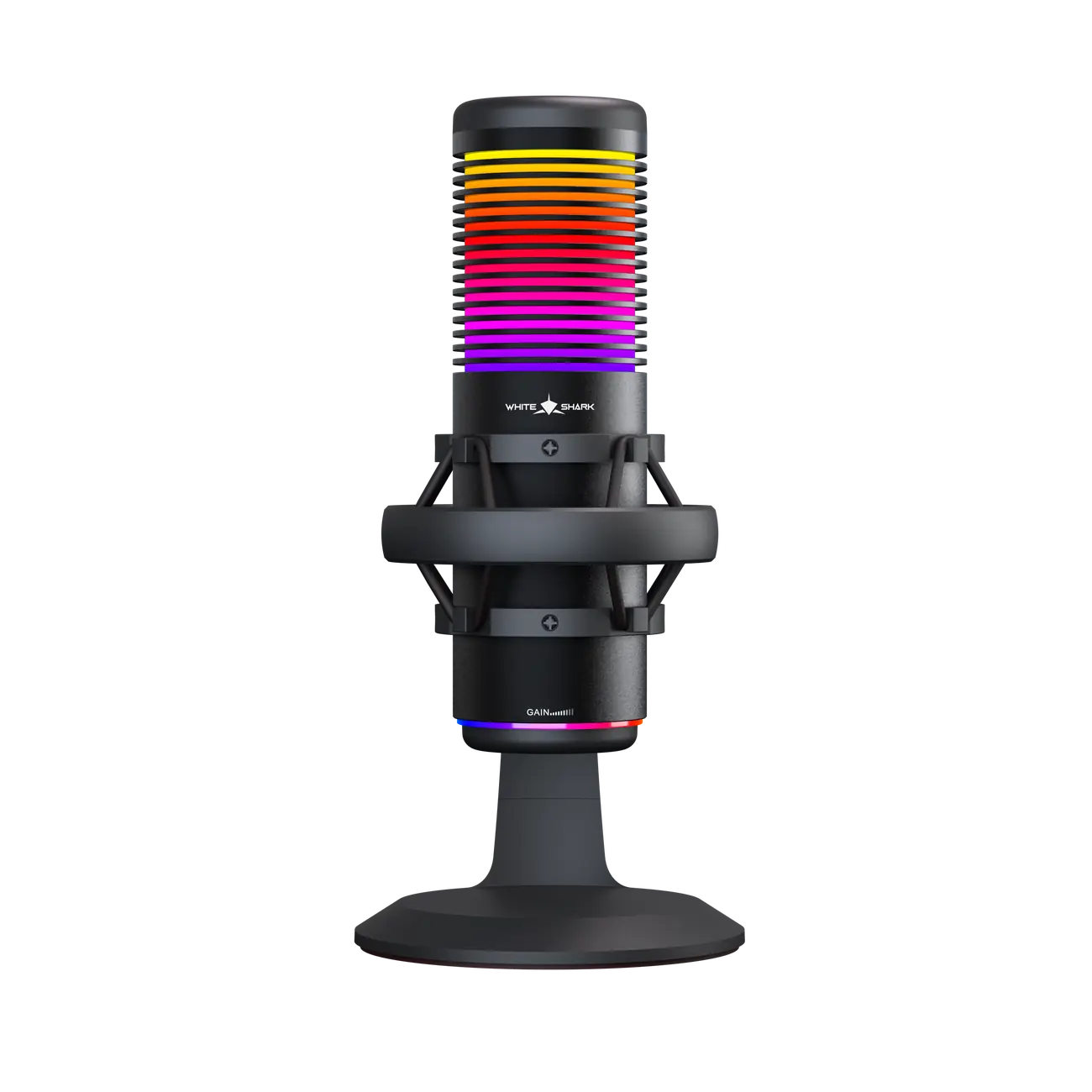
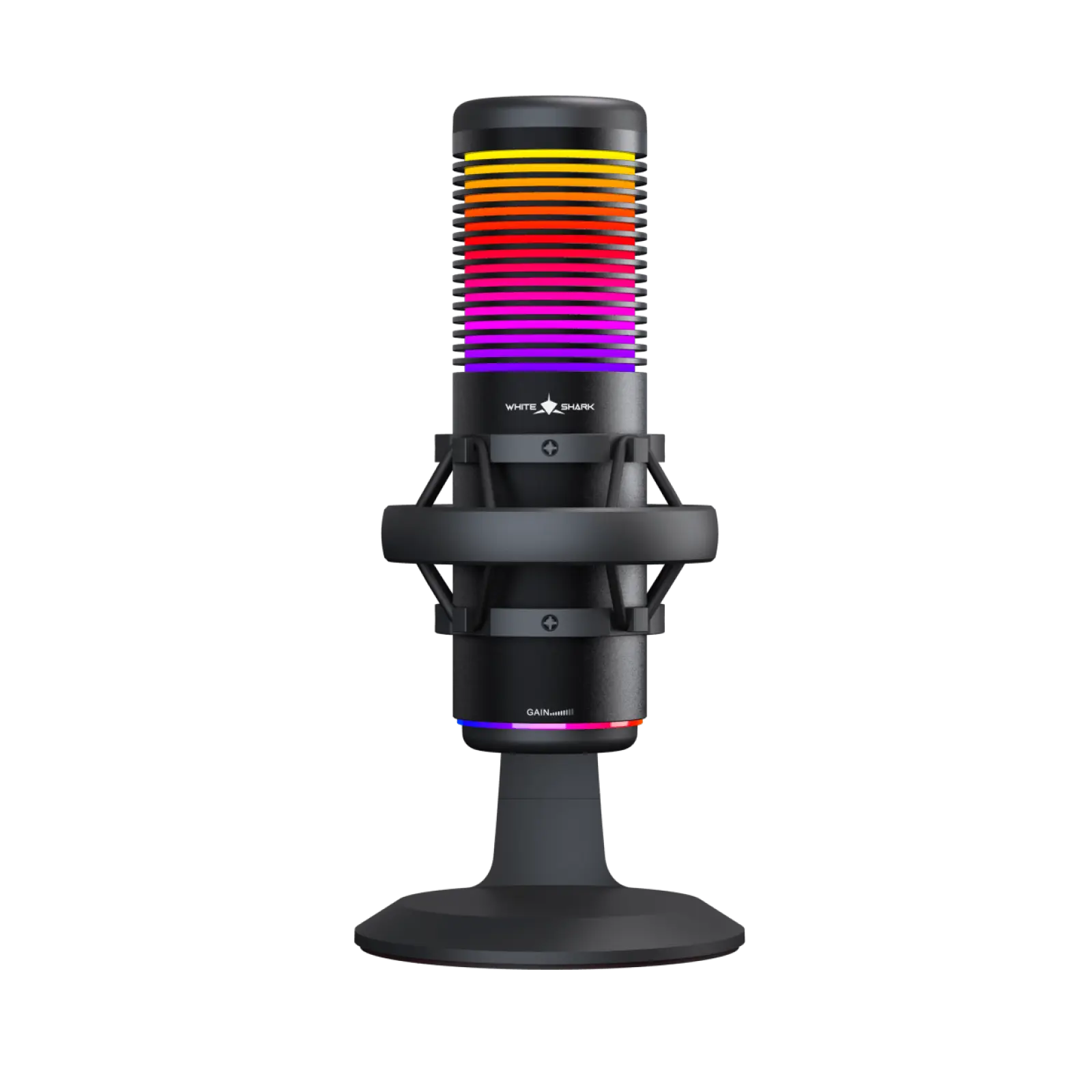
White Shark Ektara
White Shark EKTARA (DSM-07) je moderan USB kondenzatorski mikrofon dizajniran za streamere, podcastere, kreatore sadržaja i online komunikaciju.
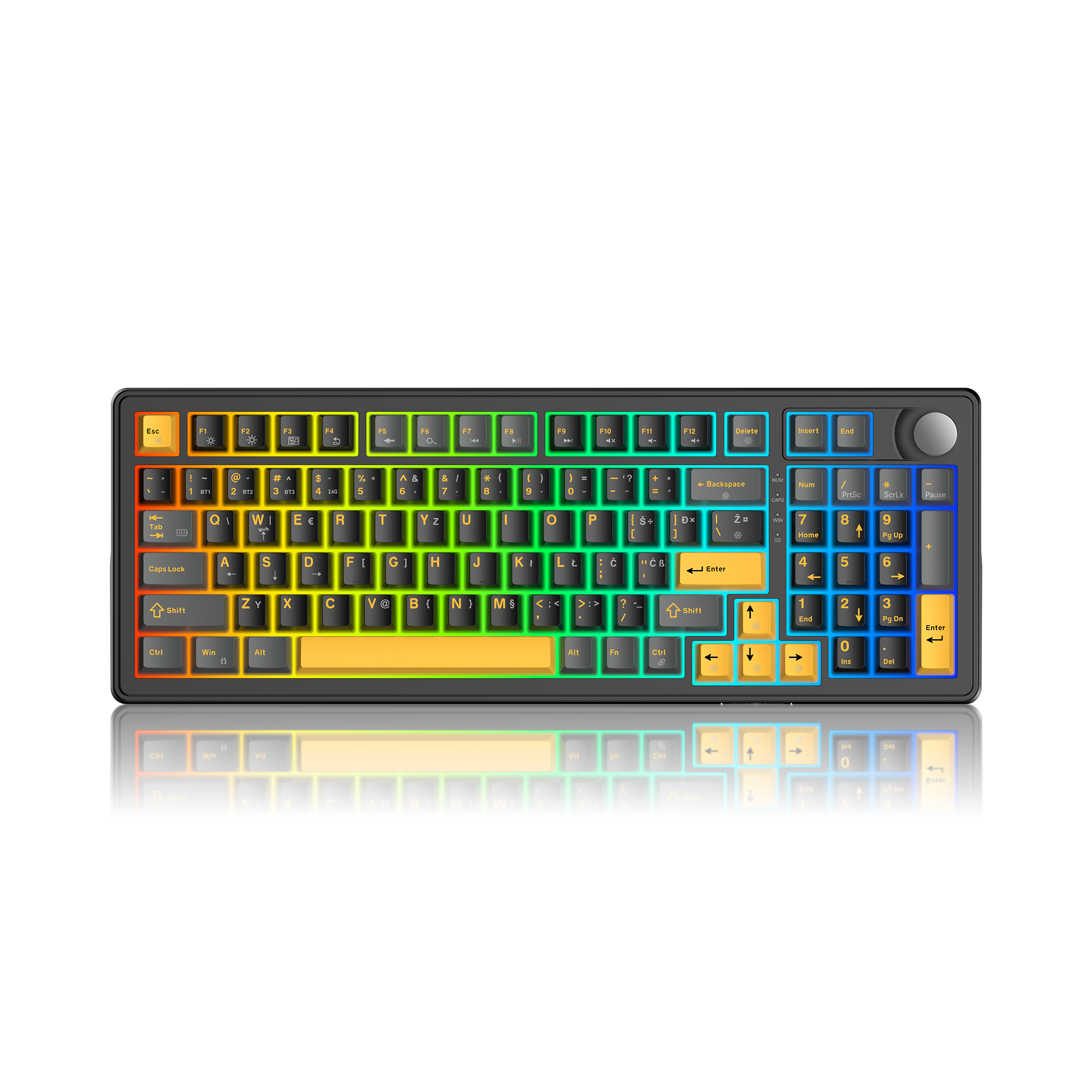
White Shark Excalibur L
Mehanička tipkovnica s 97 tipki, hot-swap prekidačima, RGB osvjetljenjem i tri načina povezivanja: USB-C, 2,4 GHz i Bluetooth.


-hero.webp)