Mori Carta
✅ Prednosti
- Original combination of card and roguelike elements
- Simple and intuitive controls
- High replayability with diverse challenges
- Accessibility for new players
- Well-designed mechanics and design
❌ Nedostaci
- Lack of a strong story and complex characters
- Possible repetitiveness after extended play
- Basic gameplay structure remains the same
- Lack of spectacular visual effects
- Minimalist soundscape
In the world of video games, it is becoming increasingly difficult to find a title that manages to offer something new and original, especially within the card and roguelike genres. Many games today use similar mechanics, borrow ideas from successful predecessors, and rarely take risks with unusual concepts. That is precisely why Mori Carta attracts the attention of players looking for a different experience. This indie game combines elements of card games, strategy, and roguelike adventure while offering a gameplay system that differs from most well-known representatives of the genre.
At first glance, Mori Carta seems very simple. The graphic style is not overly lavish nor does it try to impress with spectacular effects. Instead, the emphasis is placed on gameplay mechanics and decision-making. The player is faced with a series of cards representing different events, opponents, rewards, and challenges. Each decision leads to new situations, and choosing the right path is the key to success. What sets Mori Carta apart from numerous similar titles is the fact that almost every decision has consequences that can significantly affect the course of the game. During gameplay, the player takes control of one of several available characters. Each character possesses their own abilities, advantages, and play style. Because of this, each new game feels different and encourages experimentation with various strategies. The developers have included a large number of cards and events in the game, making it very unpredictable. Even after playing several games, it is difficult to know in advance what challenges await behind the next choice.
One of the game's greatest assets is its accessibility. Unlike some more complex card strategies that require prolonged study of the rules, Mori Carta quickly familiarizes the player with the basic mechanics. The controls are simple and intuitive. Most actions boil down to selecting from the offered options, allowing for enjoyable gameplay even for those who do not have much experience with this type of game. However, beneath that apparent simplicity lies a surprising amount of strategy. As the game progresses, the player must carefully plan their moves. Each choice can bring useful rewards but also dangerous consequences. This uncertainty creates the tension that accompanies the entire experience. It is not enough to think only about the current situation; it is necessary to think several steps ahead and assess possible outcomes. Such a system rewards patience and thoughtfulness, while impulsive decisions often lead to defeat. A special value of Mori Carta comes from its roguelike structure. When a player loses a game, they must start over, but retain the experience and knowledge gained during previous attempts. Each new beginning provides an opportunity to try a different tactic or choose another character. Because of this, the game manages to remain interesting even after many hours. Even when defeat occurs, there is a sense of progress as the player has learned something new that can be applied in the next attempt.
One of the most important elements of any roguelike game is replayability, and Mori Carta achieves very good results in this area. A large number of cards, enemies, and random events ensure that two games rarely look the same. The game constantly creates new combinations of challenges and rewards, making each attempt feel like a new journey.
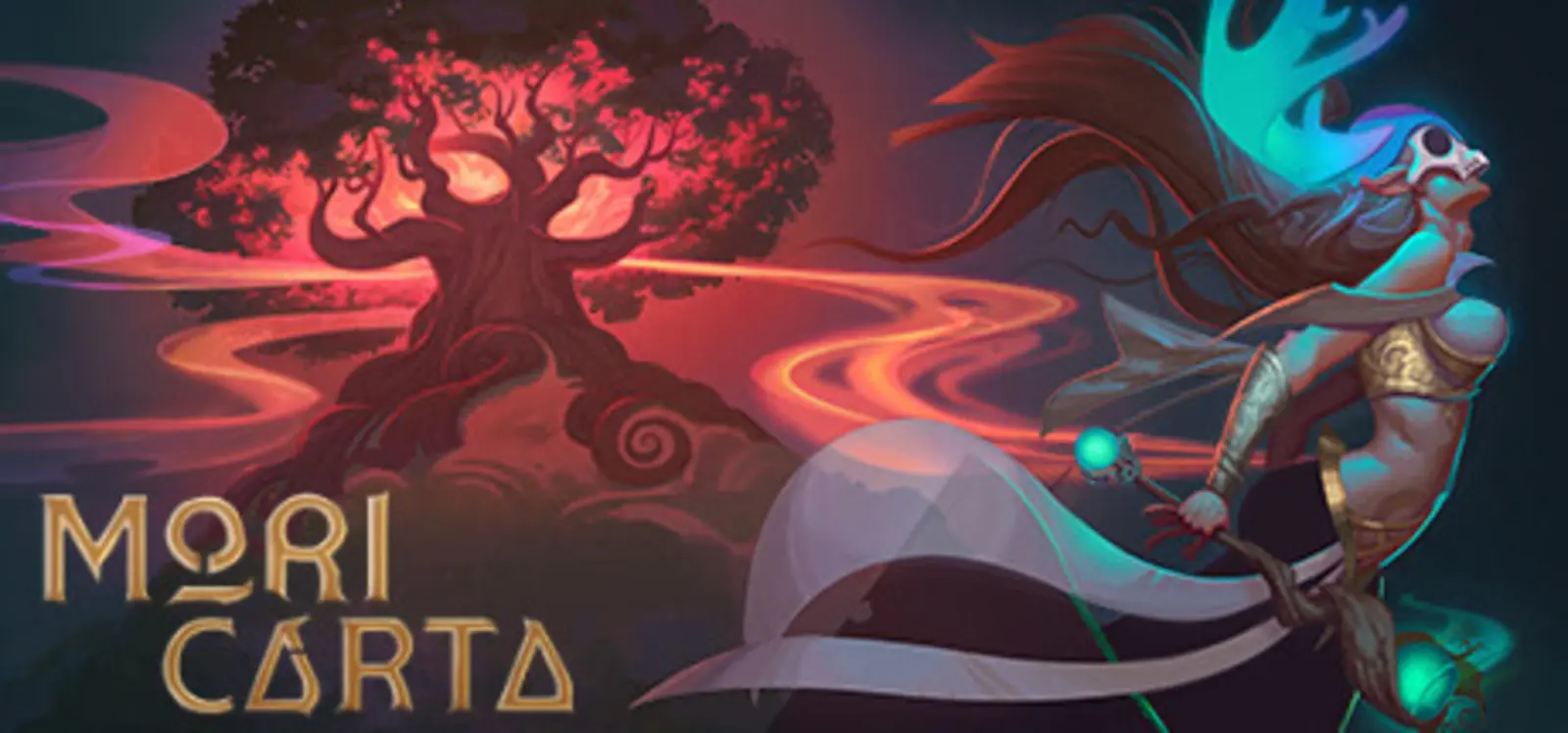
The visual presentation of the game may not impress fans of high-end graphics, but it successfully fulfills its purpose. The artistic style is pleasant, clear, and sufficiently straightforward that the player always knows what is happening on the screen. The design of the maps and user interface is tailored for quick decision-making, which is extremely important for a game of this type. Although it lacks spectacular effects and detailed animations, the overall visual identity feels harmonious and functional. The soundscape also follows a minimalist approach. The music is not intrusive but successfully creates an atmosphere during gameplay. The sound effects are of sufficient quality to emphasize important moments.
However, Mori Carta is not without flaws. Players expecting a strong story, complex characters, or a rich narrative background may be disappointed. The focus is almost entirely on the gameplay system and strategic decisions. Additionally, a certain number of players may feel a degree of repetitiveness after a longer period, especially if they are not big fans of the roguelike genre. Although randomly generated events successfully create variety, the core gameplay structure remains the same throughout the entire experience. Despite these shortcomings, Mori Carta offers a fun and challenging experience that rewards players' thoughtfulness and adaptability. The game does not attempt to impress with spectacular production but relies on well-designed mechanics and intelligent design. It is precisely because of this that it manages to stand out among numerous titles that rely on similar ideas.
When considering all aspects, it can be concluded that Mori Carta is a very successful representative of the indie card game scene. It is a game that will most appeal to fans of card strategies and roguelike adventures, but it could also attract players looking to try something different from the usual action or sports titles. Its greatest strength lies in the combination of simplicity and depth, meaning it can quickly introduce players to the rules, and then gradually encourage them to develop increasingly complex strategies. Thus, Mori Carta represents a quality and original experience that proves that great ideas do not necessarily require a large budget. Thanks to interesting mechanics, high replayability, and a well-thought-out progression system, the game manages to leave a positive impression and provide many hours of entertainment. For this reason, it can be considered one of the more interesting indie card titles.
A copy of the PlayStation 5 version of the game for review purposes was provided by the publisher Secret Item Games