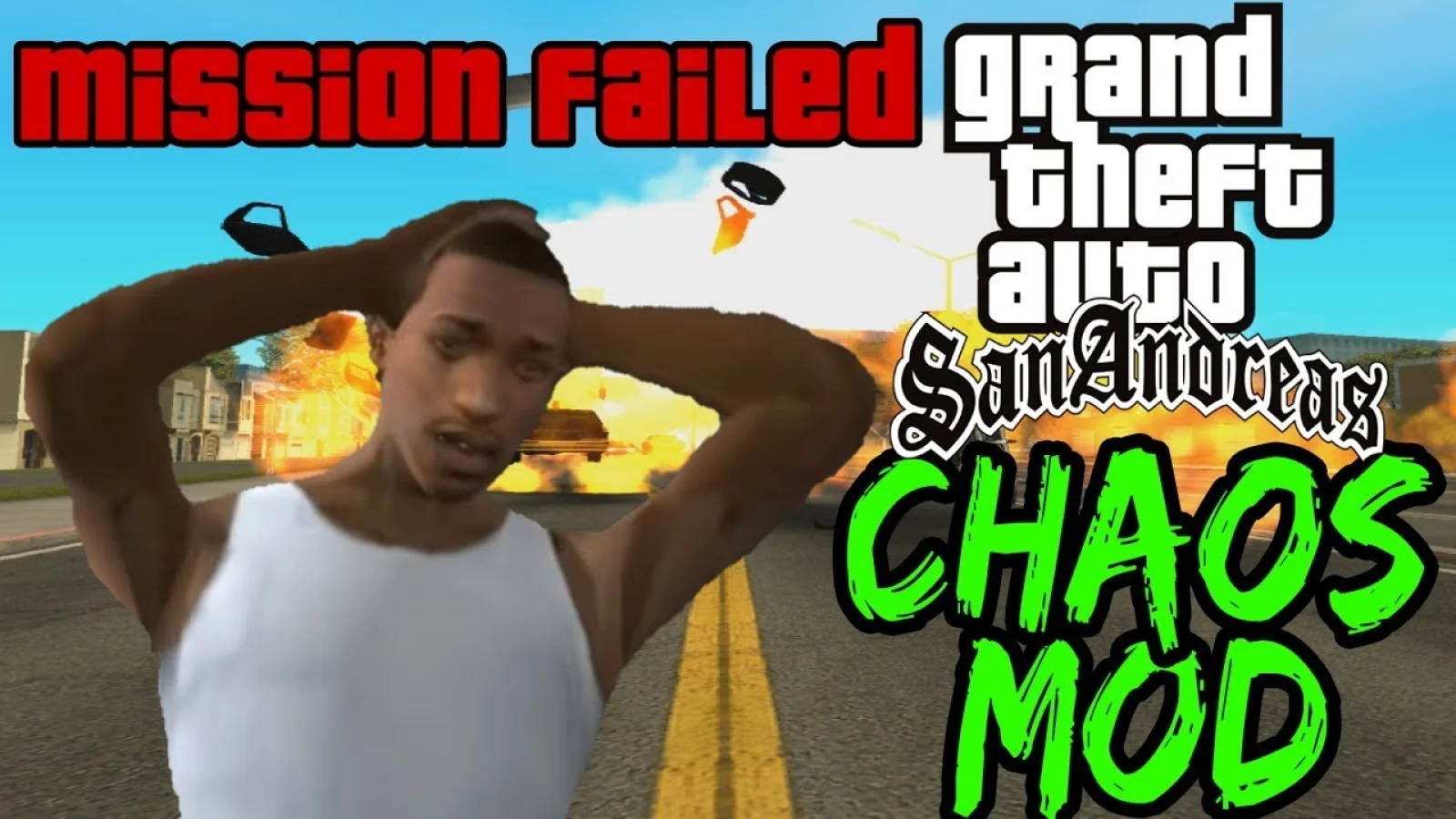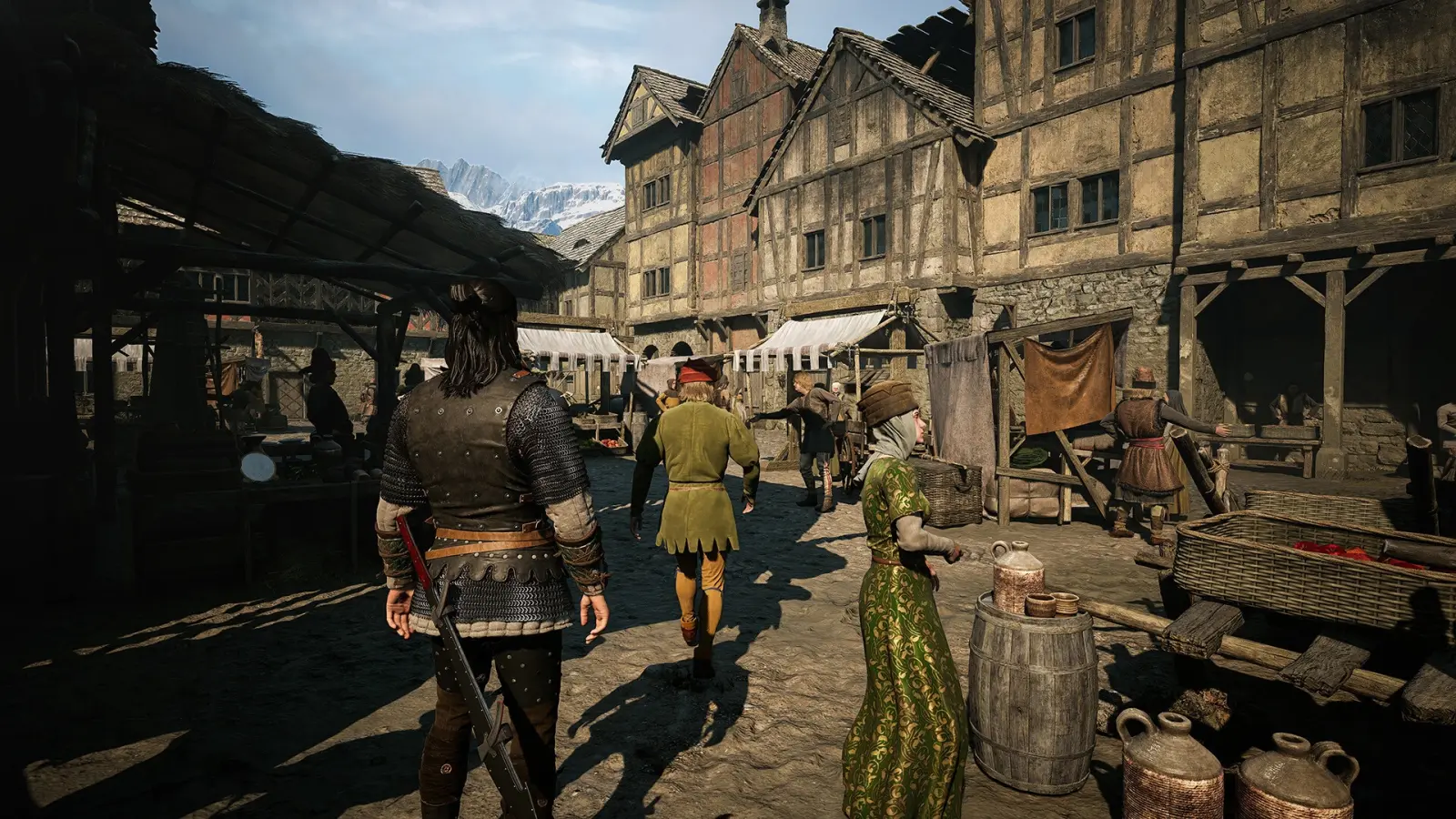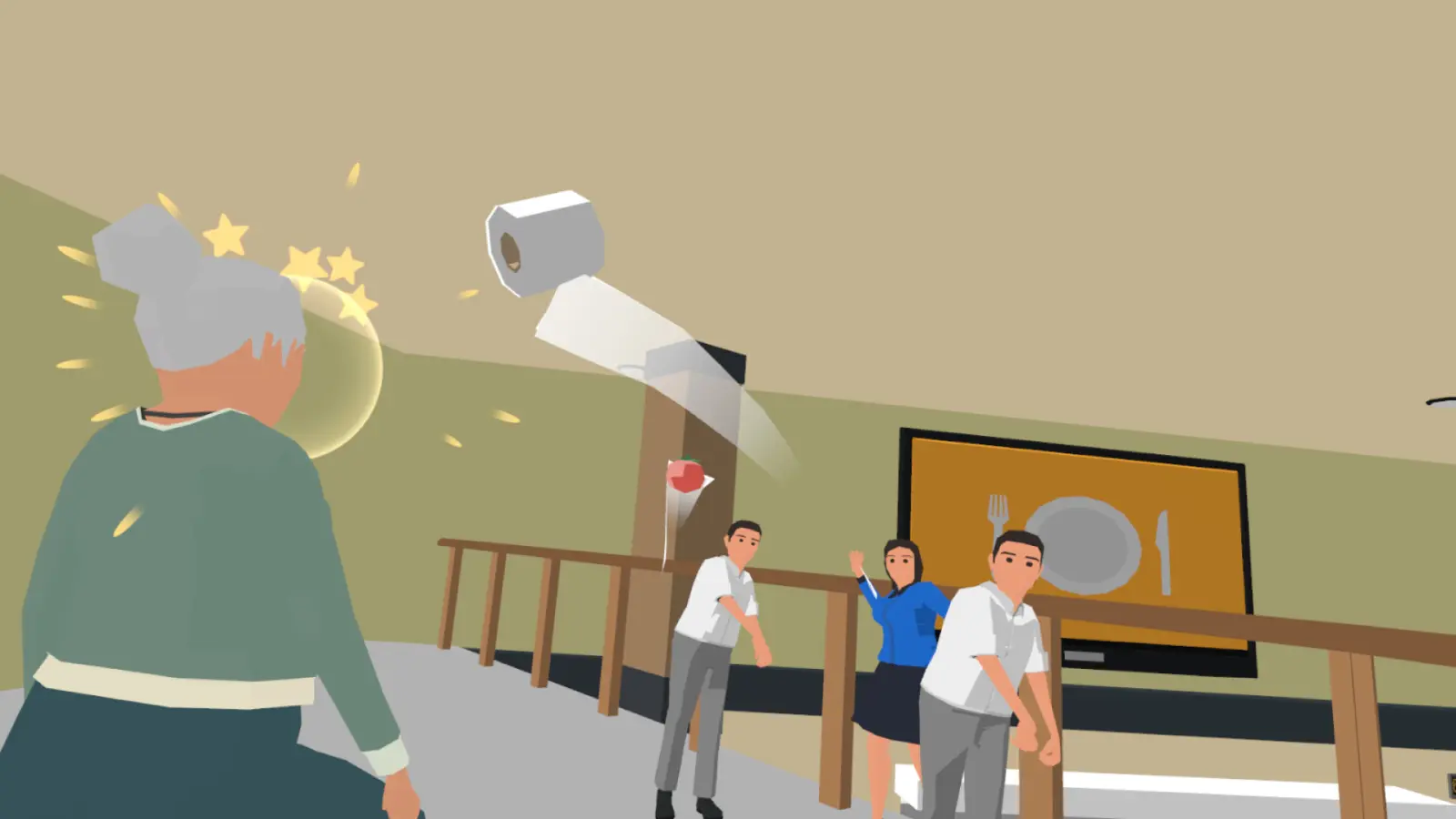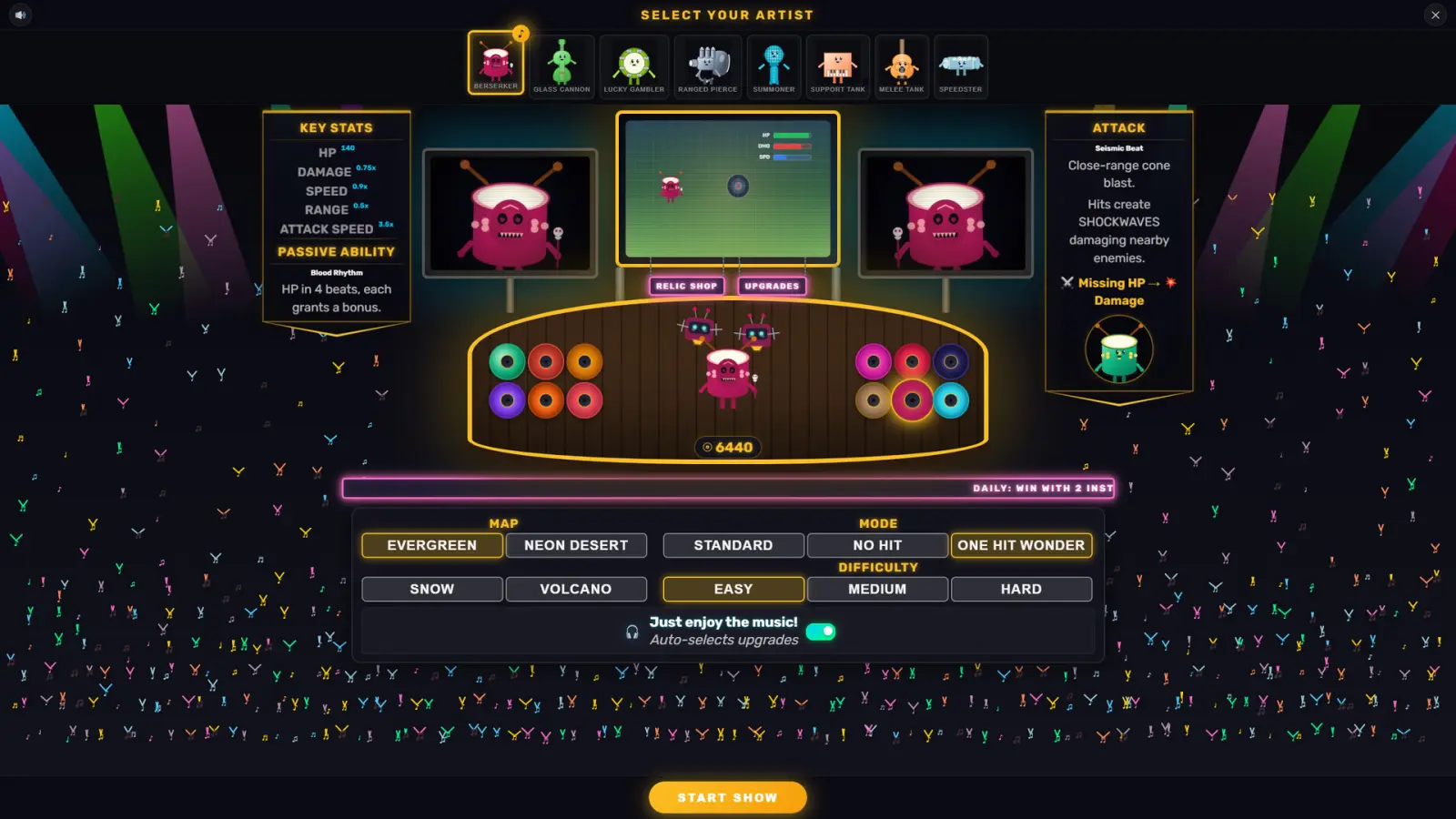
Are you wondering if a video game is suitable for your child? Age ratings, similar to those for movies, will help you in your assessment, along with a few other things you can do yourself
PEGI age rating system, accepted across Europe and supported by the European Commission, is designed to assist parents in purchasing video games and to protect children and young people. The age rating confirms that the game is suitable for players above the specified age, so, for example, a game rated PEGI 7 is intended for children aged seven and older, while one rated PEGI 18 is suitable only for adults.
What do the individual ratings actually mean?
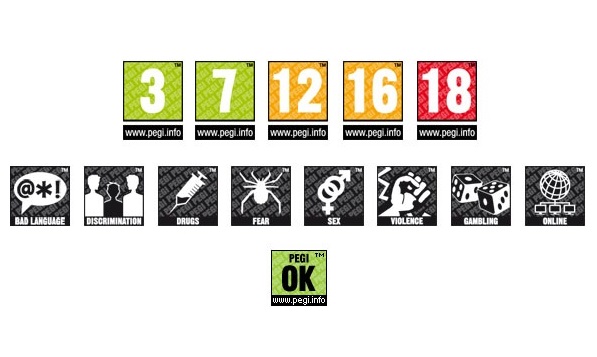
PEGI ratings, found on the front or back of the box, are not related to the difficulty of the game, but to the appropriateness of the content for a specific age. The age categories are 3, 7, 12, 16, and 18, and the exact meanings of these ratings are taken from the official PEGI website:
PEGI 3
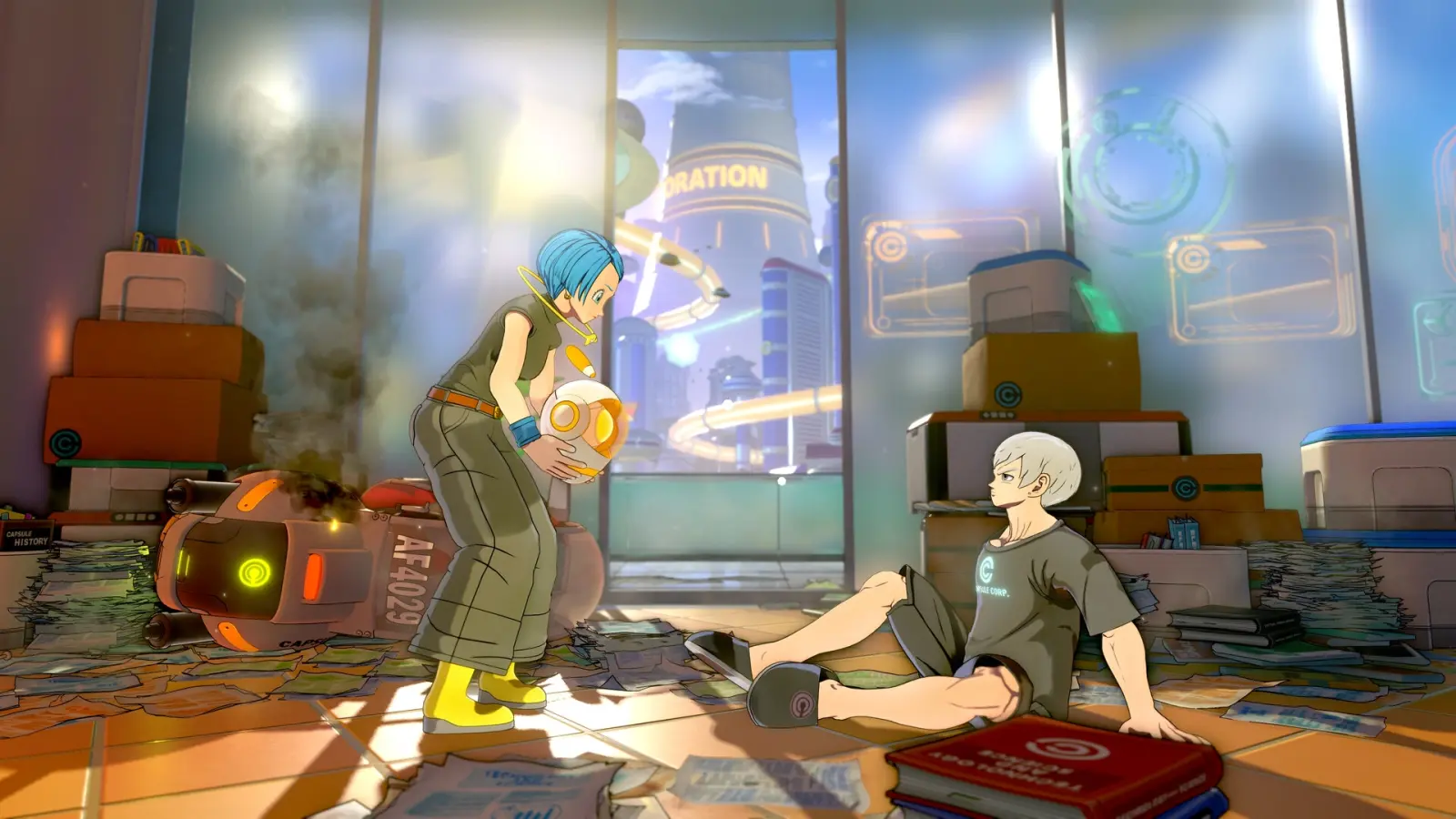
The content of a game with this rating is assessed as suitable for all age groups. However, it may contain comic depictions of violence, such as those in Tom and Jerry or Bugs Bunny. Characters in the game should be fantastical, so that children cannot relate them to real-life individuals. The game must not contain sounds or scenes that could scare young children and must not have any offensive language.
PEGI 7
Any game that could otherwise carry a PEGI 3 rating but contains some potentially frightening scenes or sounds will receive this rating.
PEGI 12
This rating is given to video games that contain more graphic depictions of violence against unreal characters or non-graphic depictions of violence against characters that look like humans or recognizable animals, as well as video games with somewhat graphic depictions of nudity. Offensive words in this category must not be expressed and there must be no swearing.
PEGI 16
A video game will receive this rating if depictions of violence or sex are realistic. The game may also contain extremely vulgar expressions and may show the use of tobacco and drugs as well as depictions of criminal activities.
PEGI 18
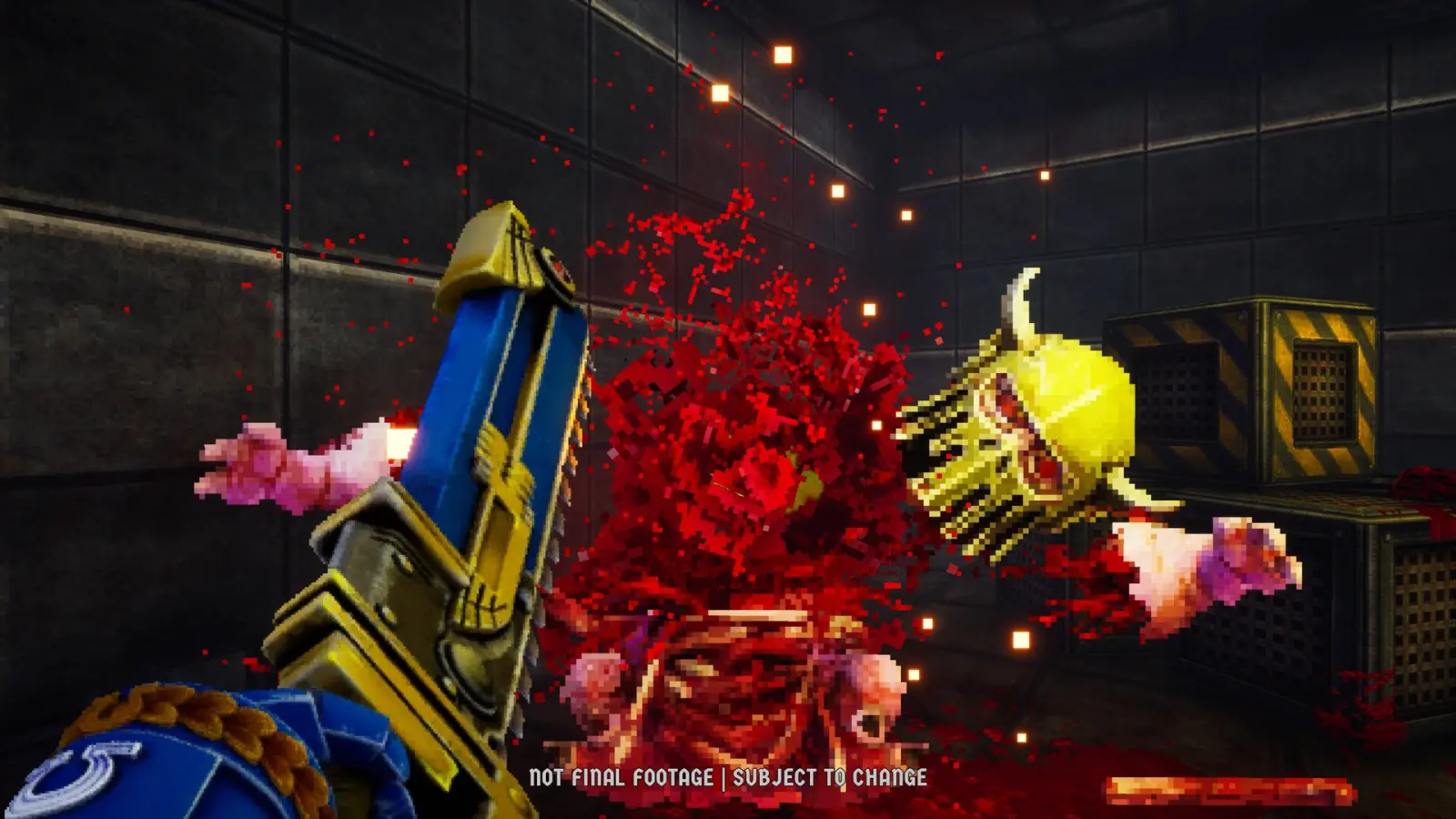
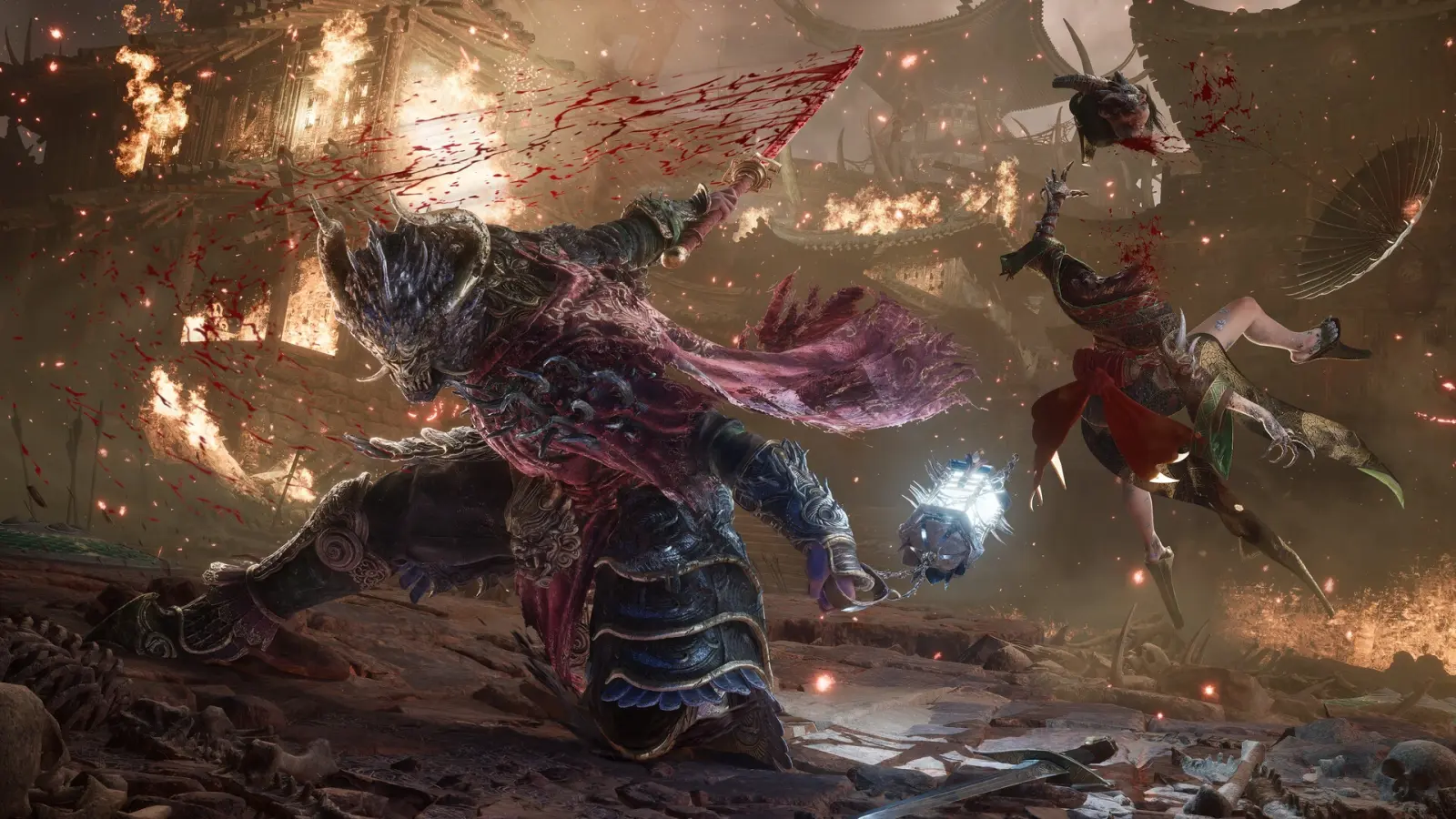
A game is considered suitable only for adults if it contains depictions of severe violence or includes some elements of specific forms of violence that could provoke feelings of disgust in viewers.
Additionally, on the back of the packaging, you can find icons explaining why the game received a certain age rating. These may include depictions of violence, inappropriate language, scenes that may cause fear in children, descriptions or depictions of drug use, the presence of nudity, sex or sexual connotations, depictions of discrimination or content that could incite discrimination, content that promotes gambling, or the video game can be played online with other people.
PEGI OK
Many websites feature small video games and to cover this growing segment, the PEGI OK label has been designed. Any games suitable for all age groups can receive it, as they contain no potentially inappropriate content.
Additional tips for parents
PEGI labels generally indicate the age for which a particular game is suitable, but parents should ultimately assess what their child is ready for. Additionally, you may encounter a game without a PEGI label. These tips, also highlighted on the PEGI website, can help you decide whether to allow your child to play:
Always check the age rating on the video game box, or use the PEGI online search tool.
Look for a summary of the video game's content, or a review, or better yet, play it yourself first.
Play video games together with your children, be with them while they play, and talk about the games. Explain to them why some games are not suitable.
Keep in mind that online games sometimes allow the download of additional software, which can alter the game and change the age rating.
Online games are usually played with unknown people and involve communication with them. Tell your child not to disclose any personal information and to inform you if someone behaves inappropriately.
Set up parental controls on the computer or console.
Note: The article was originally published on https://www.medijskapismenost.hr/, and we are reproducing it in full on our portal with the author's permission.