Although many experts, as well as parents, believe that playing video games negatively affects children, there are also many who highlight the various benefits of video games and playing together as a great opportunity to deepen the closeness between children and parents.
“Video games are a rich medium compared to television, and even books,” says Sinem Siyahhan, an associate professor at California State University in San Marcos, who researches the impact of video games on child development, learning, and family relationships.
The reality is, she adds, that children are already playing video games, so she advises parents, instead of just allowing them, to play together with them.
Her and other experts' advice on how to make playing video games a positive experience for children and parents is shared from the page Consumer Reports:
1. Play Your Game
The first decision you need to make is which game to play. Although parents will often be more inclined towards “educational” video games, experts claim that such labels are often just a marketing trick and that it is more important how a particular game is used in the family.
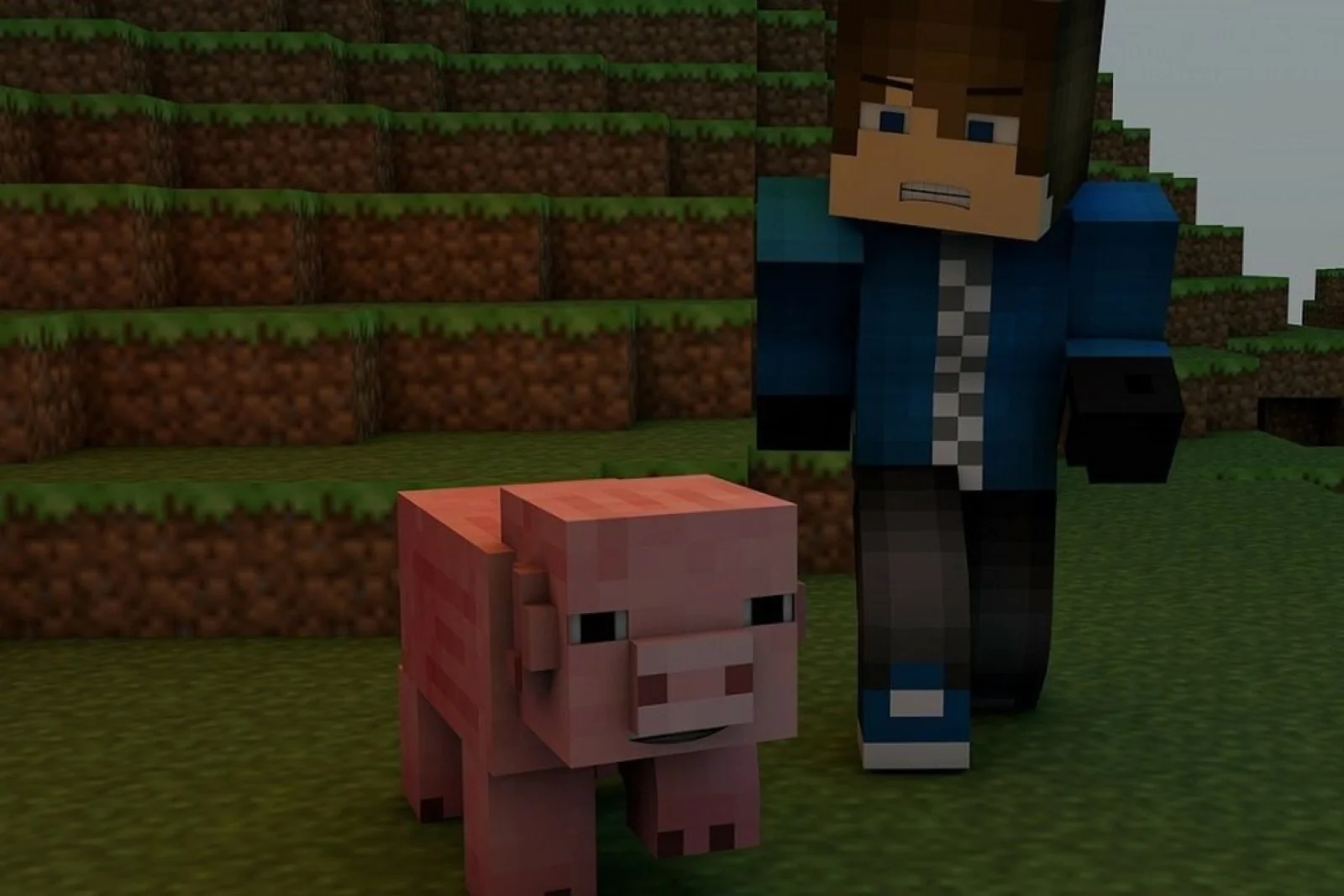
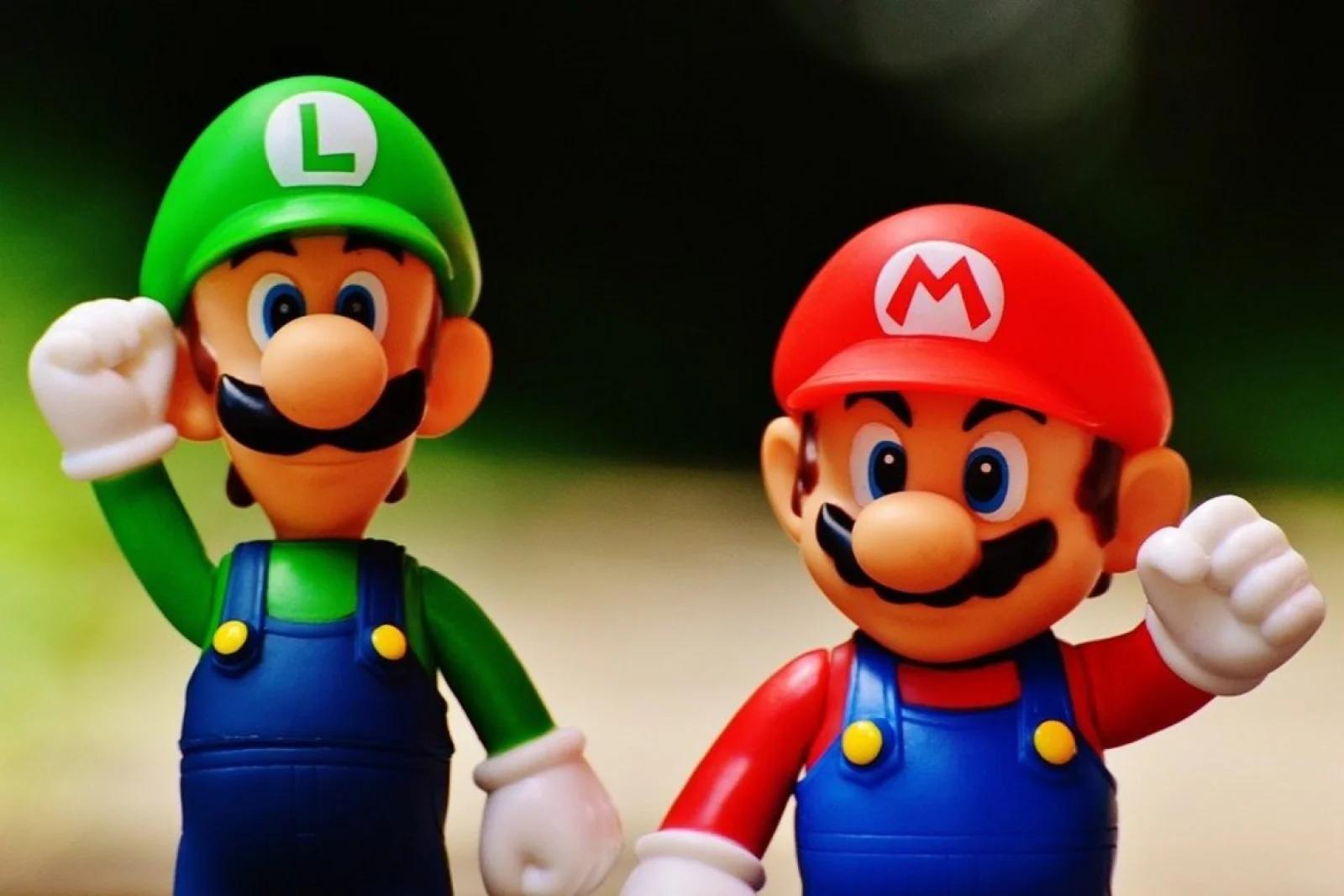
Sinem Siyahhan suggests that an adult should choose a game for joint play, as children are much more flexible than adults in this regard. Therefore, it is good to consider, in addition to the game's appropriateness for the child's age, your personal affinity, or choose what you really want to play, like Angry Birds or another game that you might occasionally play on your smartphone, or something you enjoyed playing as a child. “Parents will find it harder to play Minecraft than Super Mario,” she gives as an example.
Jason Yip, an associate professor and media researcher at the University of Washington in Seattle, says that the popularity of the game Pokemon Go as an activity that involves both parents and children is contributed to by the fact that many parents collected Pokemon cards as children.
This approach also allows parents to assess whether a game aligns with family values. “It’s always important to see what kind of game it is and whether you are satisfied with the content, messages, portrayal of men and women, and how people are treated in the game,” says clinical psychologist Catherine Steiner-Adair, author of a book on the impact of digital media on children, “The Big Disconnect.”
2. Take Turns
If you want playing to be as enjoyable an experience as possible, avoid multiplayer games because, according to Sinem Siyahhan, there are many more opportunities for meaningful interaction when you play a single-player game and take turns with the child. The person who is not playing at that moment can ask questions, comment on the game, or simply tease the player.
3. Draw Analogies
Many parents do not see all the opportunities for developing various skills that video games provide, except perhaps for developing reflexes and some cognitive functions.
“Many of today's popular games introduce players to complex situations in which they must make complicated and well-thought-out decisions. These can be excellent learning opportunities, as you can easily start a conversation with your child, drawing parallels between actions in the game and real-life situations,” says Sinem Siyahhan.
Experts like Yip compare this to the way parents tell bedtime stories to their children – with their own comments, emphasizing certain messages, and asking questions to the children.
During the Pokemon Go craze last summer, even the youngest players learned some important life lessons. “Parents tried to explain to their children that sometimes you find the Pokemon you want and it escapes, meaning you can't always get what you want. It's an ecosystem of learning,” says Yip.
When it comes to older children, sophisticated video games offer more incentives for interaction than an episode of a television series. For example, in the game World of Warcraft, Siyahhan says, you will encounter a story about revenge, which can be an opportunity to talk about emotions, morality, and ethics. “But don't force anything. It's not so important what you talk about, as the fact that you are opening a dialogue,” she advises.
4. Switch roles
Most children will eventually master video games to a level that parents cannot even approach. And that's a good thing, says Siyahhan, because video games offer a rare opportunity for parents and children to truly switch roles. “The fact that parents know less about video games than their children is an important resource. Parents can then be in the position of students,” she explains.
To take advantage of this unusual dynamic, parents should particularly strive to be models of good behavior during learning. By asking open-ended questions like “What just happened?” or “What comes next?” you will encourage your child to develop communication skills to explain what you need to do or how to improve your game. And when a parent doesn't understand everything right away, the child practices patience in their role as a teacher.
“When parents and children switch roles, they see each other in a different light,” says Sinem Siyahhan.
5. Make it a special event
Playing video games together can be your ritual. You can plan it in advance and prepare for it by getting comfortable and bringing drinks and snacks.
Experts agree that for many children – especially during puberty and adolescence – it's much easier to talk about anything when they have a joystick in their hands.
“Some mothers have discovered that they can talk more easily with their sons while playing video games,” says Yip.
Especially if your child is not usually a fan of long conversations, you might be surprised by how much they are ready to share while you play video games together.
6. Set boundaries
How long should we allow children to play video games? This is the most common question parents ask. Sinem Siyahhan responds that there is no firm and simple rule regarding this. Parents can rely on their experience and judgment when setting rules, just like with watching television, doing household chores, or going to bed. And the same time limit may not be effective for every child or every family.
“Every family should create their own routines and best practices,” adds Yip.
First-hand experience can give you an understanding of many things related to playing video games – from how much time a game requires, to whether a particular title is appropriate for your child's age.
Catherine Steiner-Adair, a clinical psychologist, advocates for a balanced approach. “Don’t demonize video games. But if your child loves them, make sure they maintain the ability to enjoy games that are not video games. You don’t want the magic of the iPad to erase the magic of the playground,” she emphasizes.
Note: The article was originally published on https://www.medijskapismenost.hr/, and we are reproducing it in full on our portal with the author's permission.