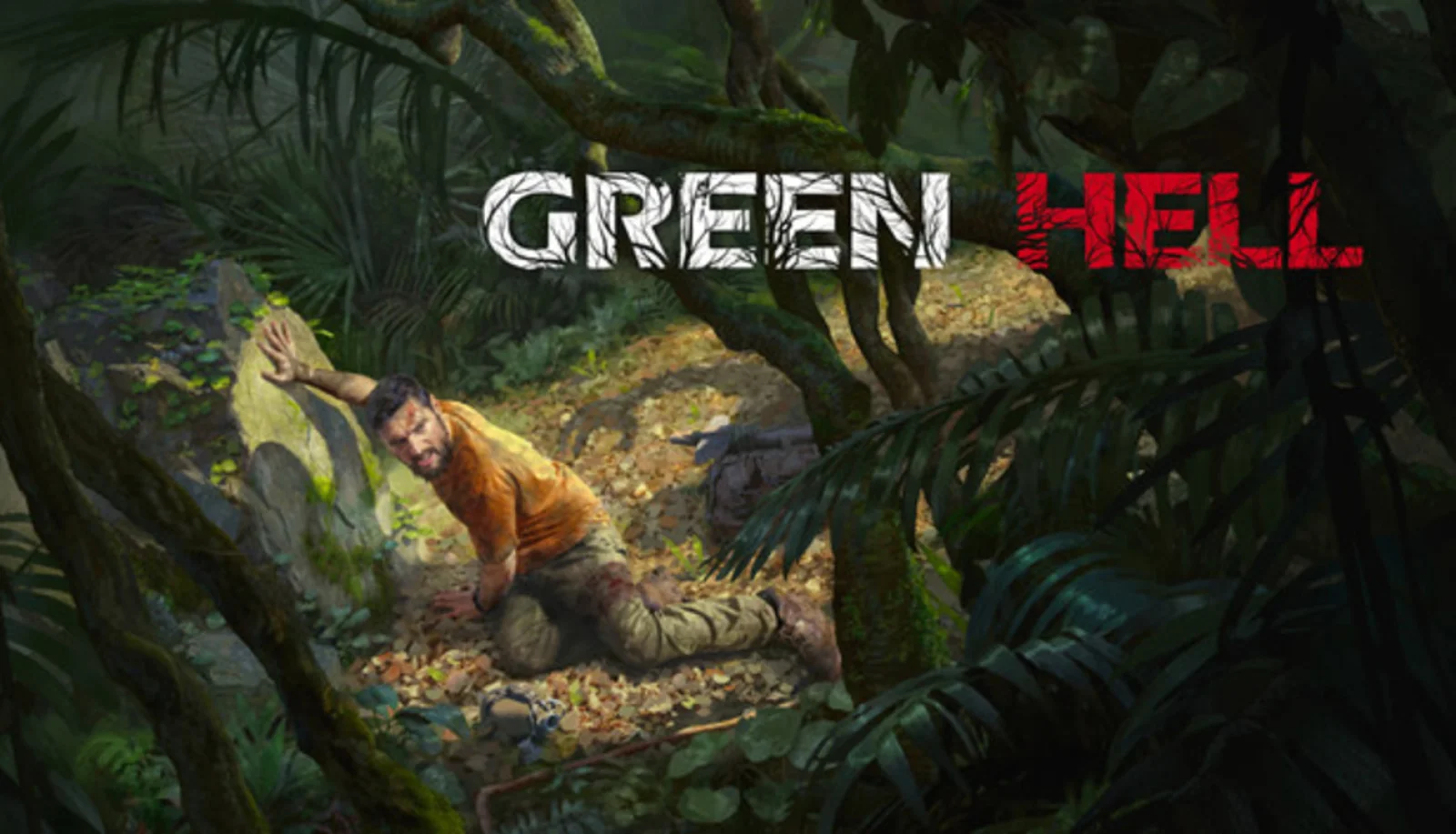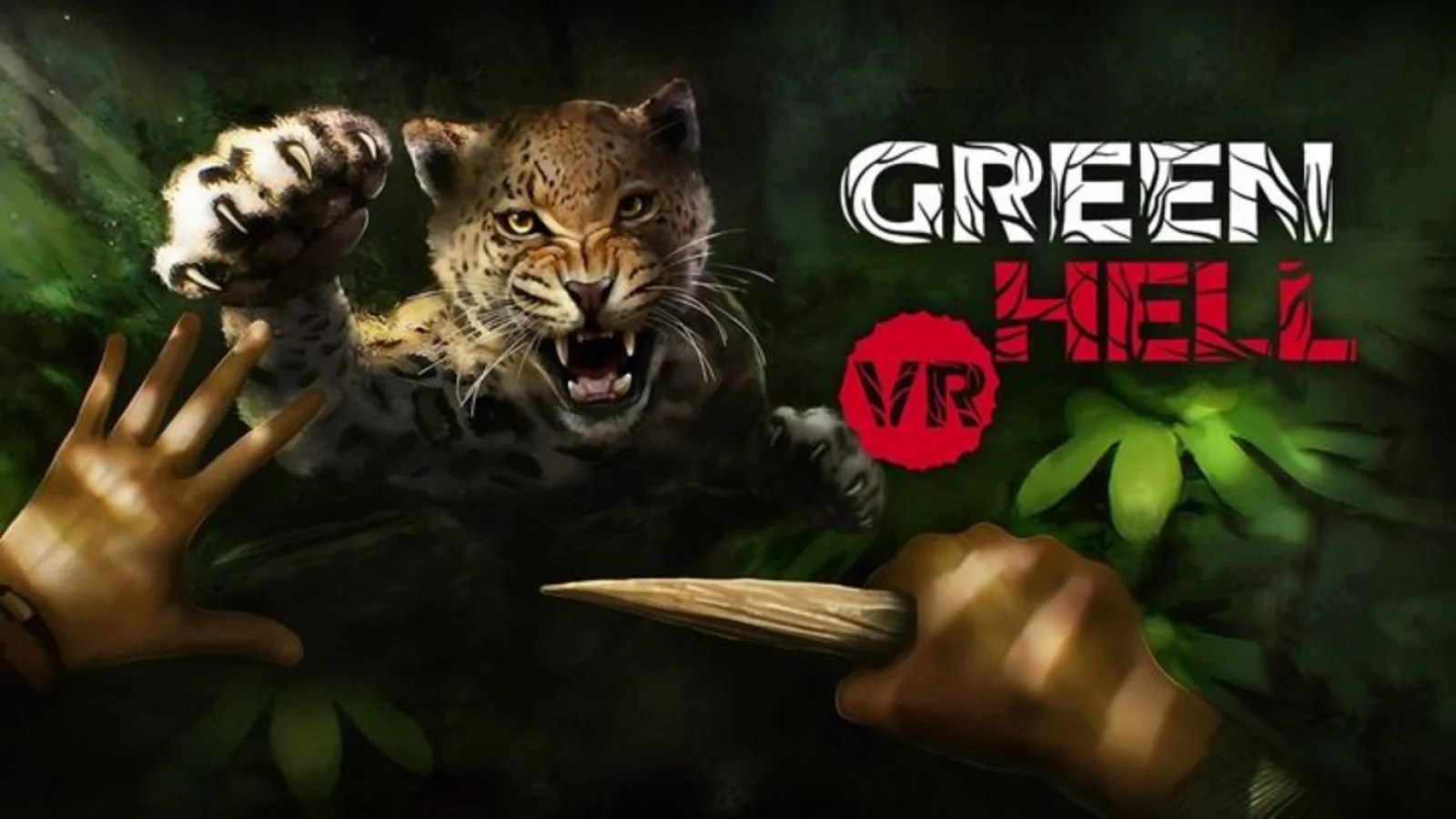
If the regular Green Hell was a merciless survival school, then its VR version comes as a final exam with no possibility of retaking. The game that has built a reputation over the years as one of the most realistic survival experiences is now trying to take a logical, yet risky step further, placing the player directly in the jungle, with no distance.
You can feel it immediately. While in the classic version you could analyze the situation with a cool head, in Green Hell VR things become more personal. Leeches are no longer just an icon on your body that needs to be removed, but something you literally “peel” off yourself. A wound is not just a status effect, but a problem you must physically treat. Everything the original did well, the VR version amplifies. Sometimes in a fascinating way, and sometimes in a somewhat tedious or even frustrating manner.
The gameplay has remained true to the original at its core. Hunger, thirst, illnesses, and mental state still play a key role, and the game still does not forgive mistakes. The difference is that now each of these systems demands more of your attention and engagement. While you could previously react quickly through menus, here you literally have to dig through your backpack, combine items, and hope that something won’t surprise you from the bushes in the process.
The atmosphere, which was already one of the main assets of the original, is fully expressed here. The jungle is louder, closer, and far more uncomfortable. Night in VR is not just a darker version of the day, but an experience that forces you to consider whether it’s worth leaving your shelter at all. If solo play in the classic version emphasized isolation, here that isolation becomes almost tangible.
However, not all changes are necessarily positive. While the standard Green Hell has received a series of upgrades over the years, including co-op that brought a new dimension to gameplay, the VR version is still more limited. The lack of the same level of content and occasional technical issues serve as a reminder that this is not a “definitive edition,” but more of an experiment showing what the survival genre could be.
The controls are solidly executed, but not always perfect. Occasional clumsiness in interactions can be frustrating, especially when you’re fighting for survival. This is where the difference between the two versions becomes apparent. While the original has been polished over time, VR still feels like it’s catching up.
Fortunately, the developers are aware of these shortcomings and do not plan to stop. They recently presented a roadmap for 2026 that clearly indicates that Green Hell VR is not a one-time experiment, but a project that will continue to evolve. Plans include additional performance improvements, refinements to controls and interactions, as well as new content that should further enrich the survival experience. If they have shown anything with the classic version of Green Hell, it’s that they know how to build a game long-term and listen to the community.
That continuity gives hope that the VR version will eventually grow from a “good attempt” into something that can stand shoulder to shoulder with the original. For now, it’s not there yet, but the direction is promising.
Yet despite everything, there is something special about this version. That feeling when you manage to survive another day, light a fire, and finally take a breath. In VR, it carries additional weight. It feels like you truly earned it, rather than just executing a series of commands.
Green Hell VR may not be a perfect upgrade to an already great foundation, but it offers an interesting glimpse into the future of survival games. If you've already navigated the jungle in the classic version and are looking for a more intense experience, this is a natural next step. Just this time, there are no safety barriers, and the jungle quickly takes its toll.