The Outer Worlds 2 returns as a sequel to the humorous, colorful, space-corporate RPG known for its satirical absurdity. Obsidian is back in the saddle, with a game that tries to combine accessible RPG shooting, a hefty dose of humor, and a critique of capitalism in space, with flexible gameplay in your own style. However, despite good intentions and solid production, the game feels like it can't decide whether it wants to be an ambitious RPG or a sitcom in space.
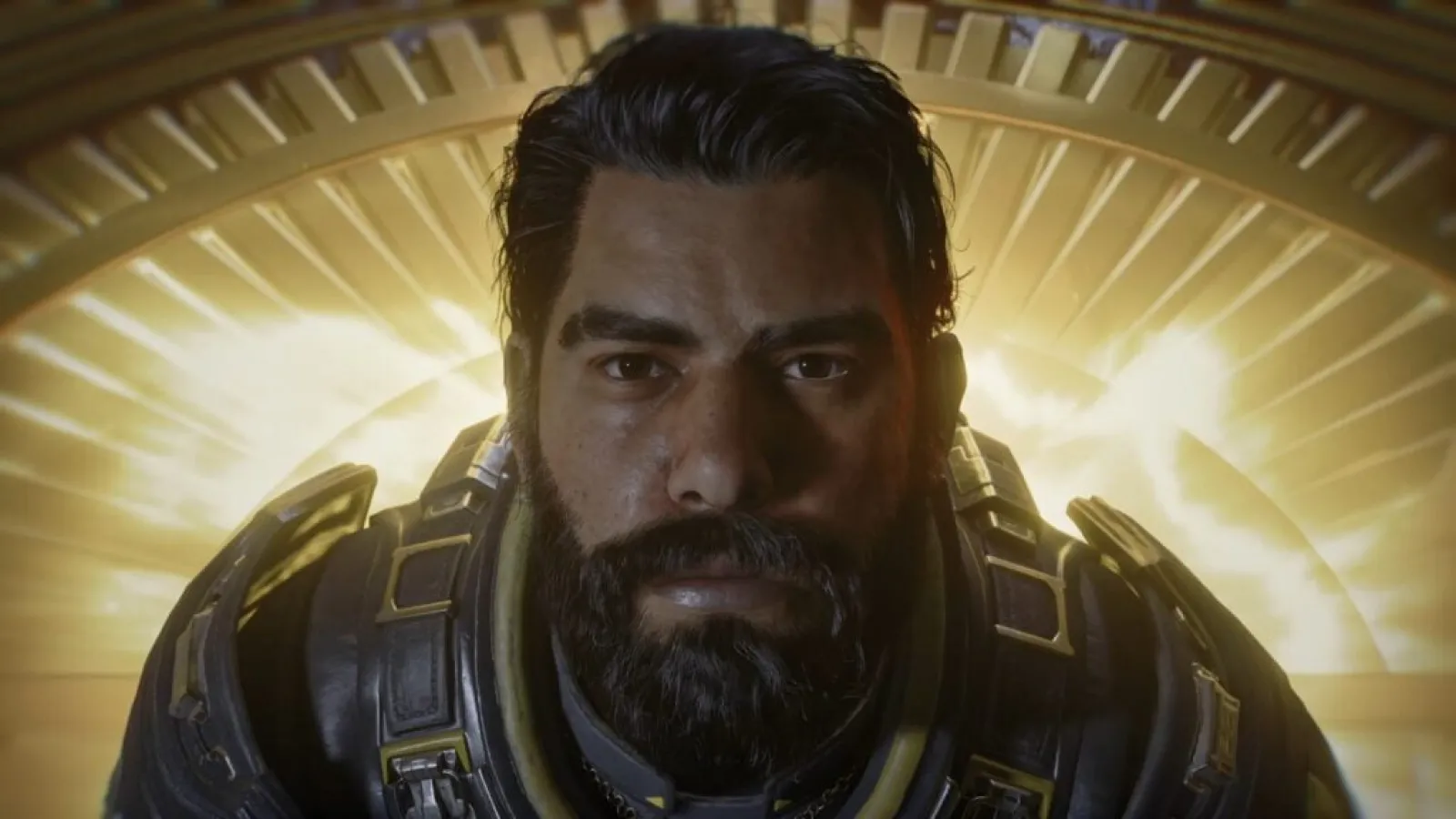
The first game took us to Halcyon, and the sequel throws us into the colony of Arcadia. It's good that you don't need prior knowledge of the first game to enjoy this sequel. This time, the player is the commander of the Earth Directorate, a bureaucratic body that deals with coordinating intergalactic colonies. Of course, everything goes downhill as soon as cracks in space and time cut off communication with Earth, sending you to Arcadia to see what's going on there.
Three main factions shape Arcadia, a decaying corporate colony, and your relationship with them determines the tone of the entire campaign. Obsidian builds a world here that feels like a space version of a political comic strip: everything is exaggerated, but recognizable enough that you know they are actually mocking us.
Auntie’s Choice is the result of the merger of two megacorporations from the previous universe and represents the purest form of capitalist absurdity in the game. This faction operates on the assumption that every problem can be monetized.
The Protectorate is the nominal authority of Arcadia. Authoritarian, rigid, bureaucratic, and focused on maintaining control at all costs, it sees everything as a potential threat to the order.
The Order of the Ascendant is the most bizarre yet intriguing faction. They combine science, religion, mathematics, philosophy, and cosmic mysticism into a unique cult that believes that the rifts are the key to “elevating humanity.”
What Obsidian always knows how to deliver are RPG systems, and this is the strongest aspect here. Character creation is very detailed. Skill checks are everywhere, dialogues are multilayered and reward your playstyle. Attributes and perks allow for some truly creative builds, and the flaw system returns in an even crazier version and can be a game-changer. If I want to be a stealth melee hacker, it's worth it. If I want to talk my way out of situations with my charisma or passive-aggressive manipulation, I can. And I can also be a heavy jerk or wipe out an entire town, which will lead to the collapse of entire quest lines. And yes, it is possible to play the whole game in third person.
That's the real ace of The Outer Worlds 2: the story structure changes depending on your skills, creating differences in playstyle. But that also means you will miss out on some content. A medical build opens one path, charisma another, engineering a third… and so on. There's not everything for everyone, and that's okay.
The most controversial and problematic part of the game is its tone. The game is a satire of society, we all know that. Corporations are evil, people are idiots, capitalism eats itself, but the problem is that the game goes so far in its parody that it sometimes forgets to tell a story and becomes a satire of itself. The jokes are relentless. The characters are constantly ironic, and events often mock themselves. It's not that the humor is bad, but when everything is a joke – nothing carries weight. After a few hours, you start to feel like a character in a space sitcom, making it hard to be emotionally invested.
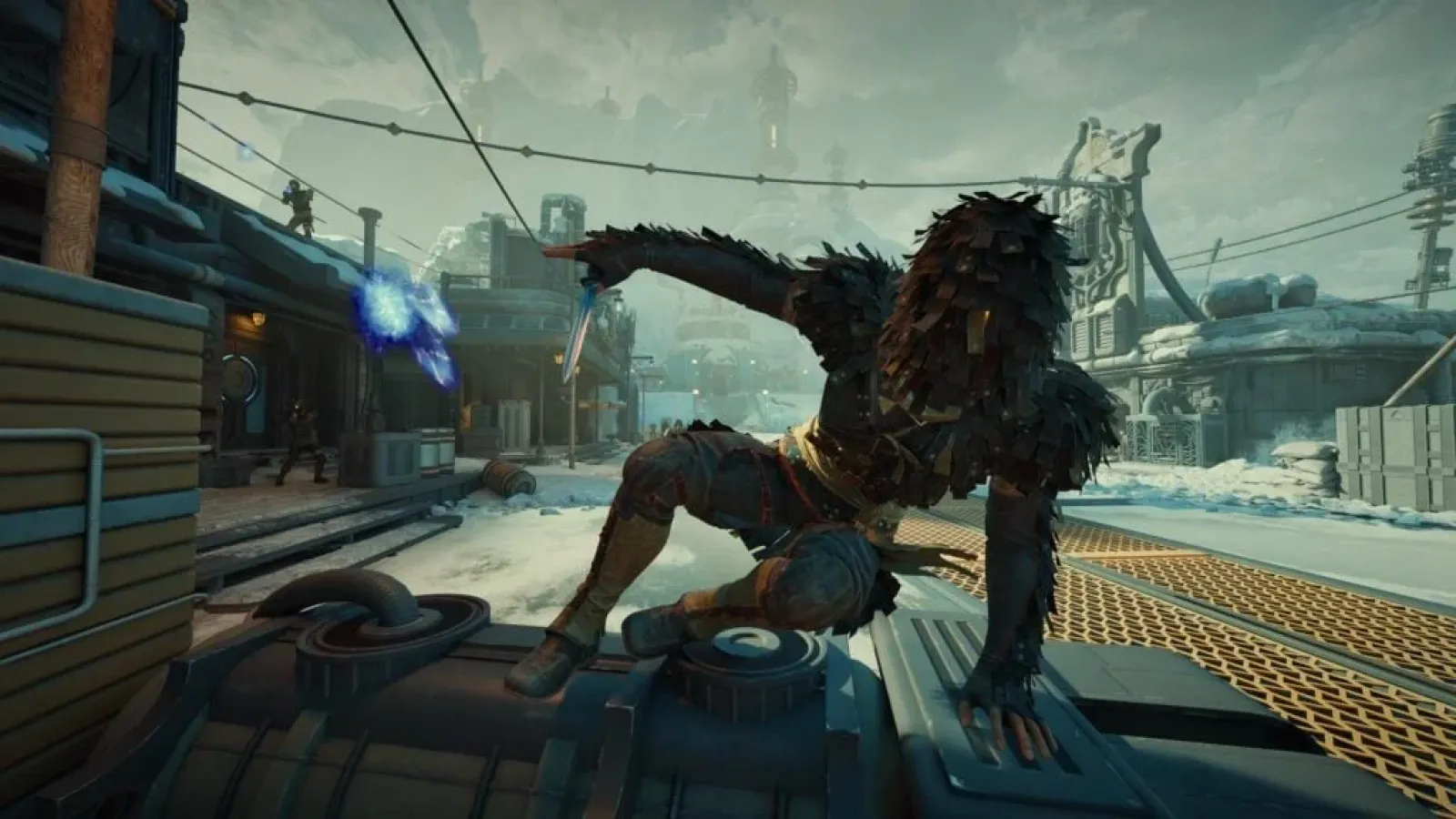
The shooting is clearly refined compared to the first game: the weapons have a better sense of weight, the recoil is cleaner, and hitting feels satisfying, especially with energy weapons and some more exotic mods. Weapons can be upgraded and crafted, and there are really good combinations. The special abilities and perks system makes combat diverse, especially if you build your character around engineering tricks, stealth, or buffs provided by your companions.
Party members in Outer Worlds 2 work well. Combat is more fun with them, the choice of who follows you can completely change the approach to missions, the dialogues are entertaining, and the mini-stories are interesting. However, it lacks that typical party banter. They don’t communicate much with each other and don’t react to events, except when quests involve them. This creates a feeling that you are traveling with a bunch of well-written NPCs standing next to you, but not with a real “party” that breathes as a whole. There’s no sense of chemistry between them.
Arcadia is beautiful. Visually, the game is warm, rich, and harmonious; with retrofuturism that creates a universe that looks like it was designed by a marketing agency on amphetamines. In your travels, you will encounter truly impressive vistas.
The problem, however, is that the world does not react to you. It does not evolve. It does not breathe. Enemies stand in predetermined spots; nothing happens spontaneously. It’s not a universe that changes, but a diorama. It doesn’t give the impression of a living world, but rather an artificial park centered around me.
The best part of the world isn’t its zones, but the side quests: small pockets of creativity where Obsidian shows its old greatness. This is where the game comes alive: bizarre mini-stories, unusual moral choices, strange situations that are both funny and painful. There is depth here. This is where you feel alive.
The radio and soundtrack are fantastic. Jazzy, old-school, just that Fallout New Vegas feel, but in an Obsidian way. Atmospheric, warm, ironic, and one of the few elements of the game where humor does not diminish emotion, but rather enhances it.
Although it is technically stable, witty, and charming, The Outer Worlds 2 suffers from a chronic case of mediocrity. The game has charm, humor, and style. It has an identity. But it doesn't dare to be serious for a second, which is why it never develops that kind of emotional gravity that great RPG titles carry with them. Is that bad? Not necessarily. For some, it will be ideal: a light, fun, colorful experience that doesn't ask for much. For me… it clearly wasn't enough. In a universe full of madness, sometimes I wish someone would tell me something that isn't a joke.