Kraj Sunca
✅ Prednosti
- Atmospheric adventure focusing on exploration
- Originality through Slavic mythology
- High level of authenticity with photogrammetry
- Strong visual identity and natural environment
- Quality music and ambient sounds
❌ Nedostaci
- Limited mechanics and repetitive gameplay
- Lack of challenge and sense of achievement
- Linear narrative without significant branching
- Stiff animations
- Limited replay value
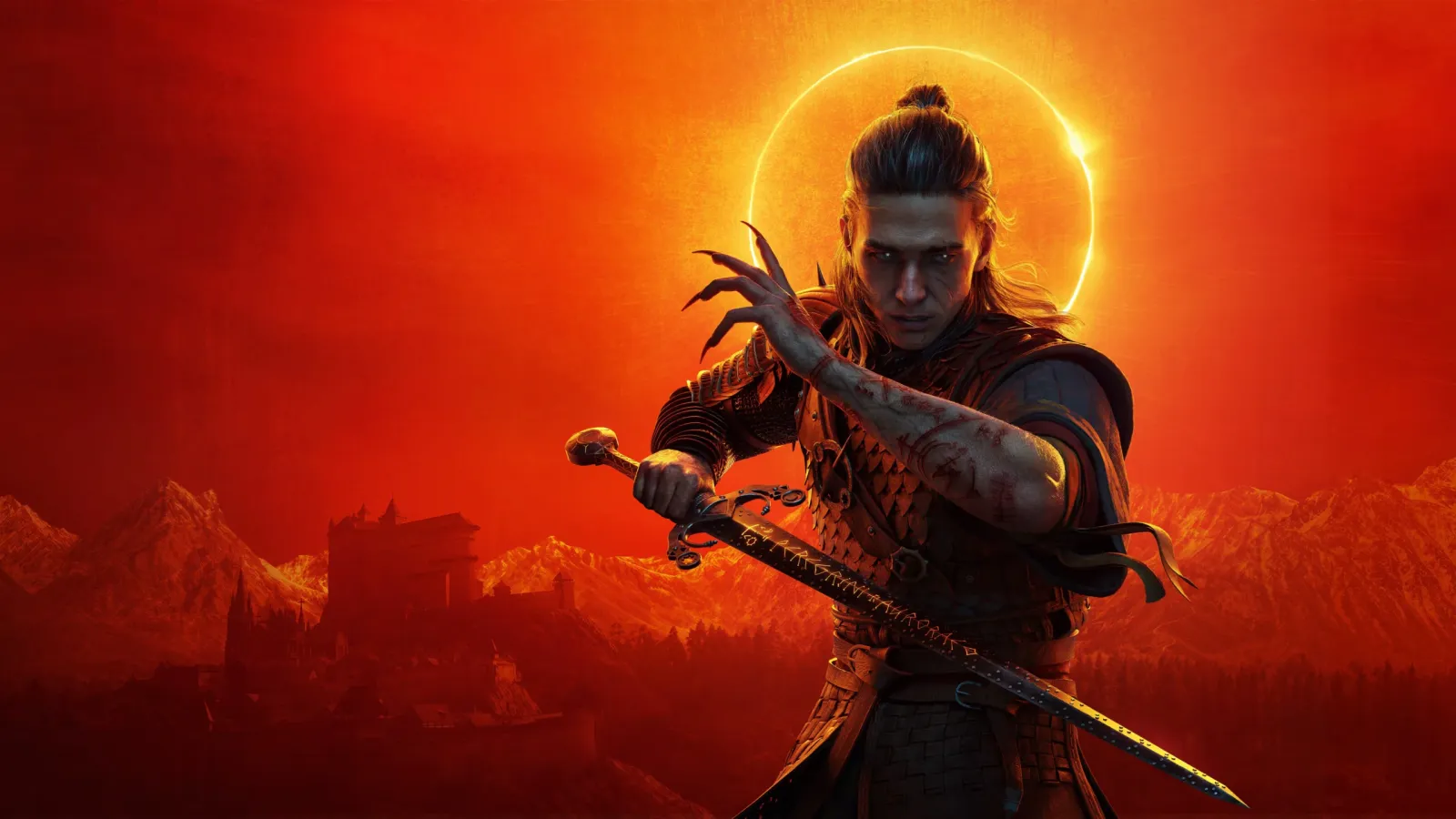
In a sea of modern games competing in spectacle, speed, and complexity of systems, The End of the Sun takes a completely different approach. It is a slower, atmospheric first-person adventure that emphasizes exploration, observation, and interpretation of the world. Inspired by Slavic mythology and real rural environments, the game attempts to create an authentic experience that balances between an interactive story and a digital museum of tradition.
At the core of the gameplay is the exploration of a rural village through different time periods. The player takes on the role of a character connected to fire and hearths, which serve as key points for time travel. By activating these hearths, fragments of the past are revealed, allowing for a gradual uncovering of the story. The controls are simple and intuitive, without unnecessary complications. Interaction with the world is limited to examining objects, moving through space, and solving basic puzzles. The game does not punish the player or put them under pressure; there is no combat, no time limits, nor classic mission failed situations.
However, it is precisely in this accessibility that the problem lies. The mechanics are functional but very limited. Puzzles rarely go beyond basic logic, and the gameplay begins to feel repetitive over time. The concept of time travel is interesting, but it is not sufficiently developed to continuously bring new ideas or challenges. The result is an experience that is pleasant to play but rarely exciting. The game flows smoothly, but it does not leave an impression of mechanical depth. The difficulty of the game is clearly aimed at accessibility. Most puzzles can be solved with little effort, and the game rarely leaves the player confused for long periods, except at the beginning when the player must discover how and where to continue the story. This is a conscious design decision that supports the atmosphere and narrative. However, the lack of challenge also means a lack of a sense of achievement. The game does not escalate in difficulty nor introduce more complex systems to maintain interest. The balance is stable but almost static. For players seeking a relaxed experience, this is an advantage. For those expecting an intellectual or mechanical challenge, the game may feel too simplistic.
The narrative is one of the key elements of the game, but also one of the more subtle ones. The story is not served directly but is revealed through fragments, events from different periods, character interactions, and changes in the environment. Thematically, the game deals with cycles of life, the relationship between man and nature, and the transience of time. Slavic mythology and customs serve as a backdrop but also as an active element of the world. Such an approach can be very effective, but it requires player engagement. The characters are functional in the context of the story, but they rarely receive enough space for deeper development. Emotional moments exist, but they are not always emphasized strongly enough to leave a lasting impression. The narrative is, therefore, interesting and thematically rich, but sometimes too restrained.
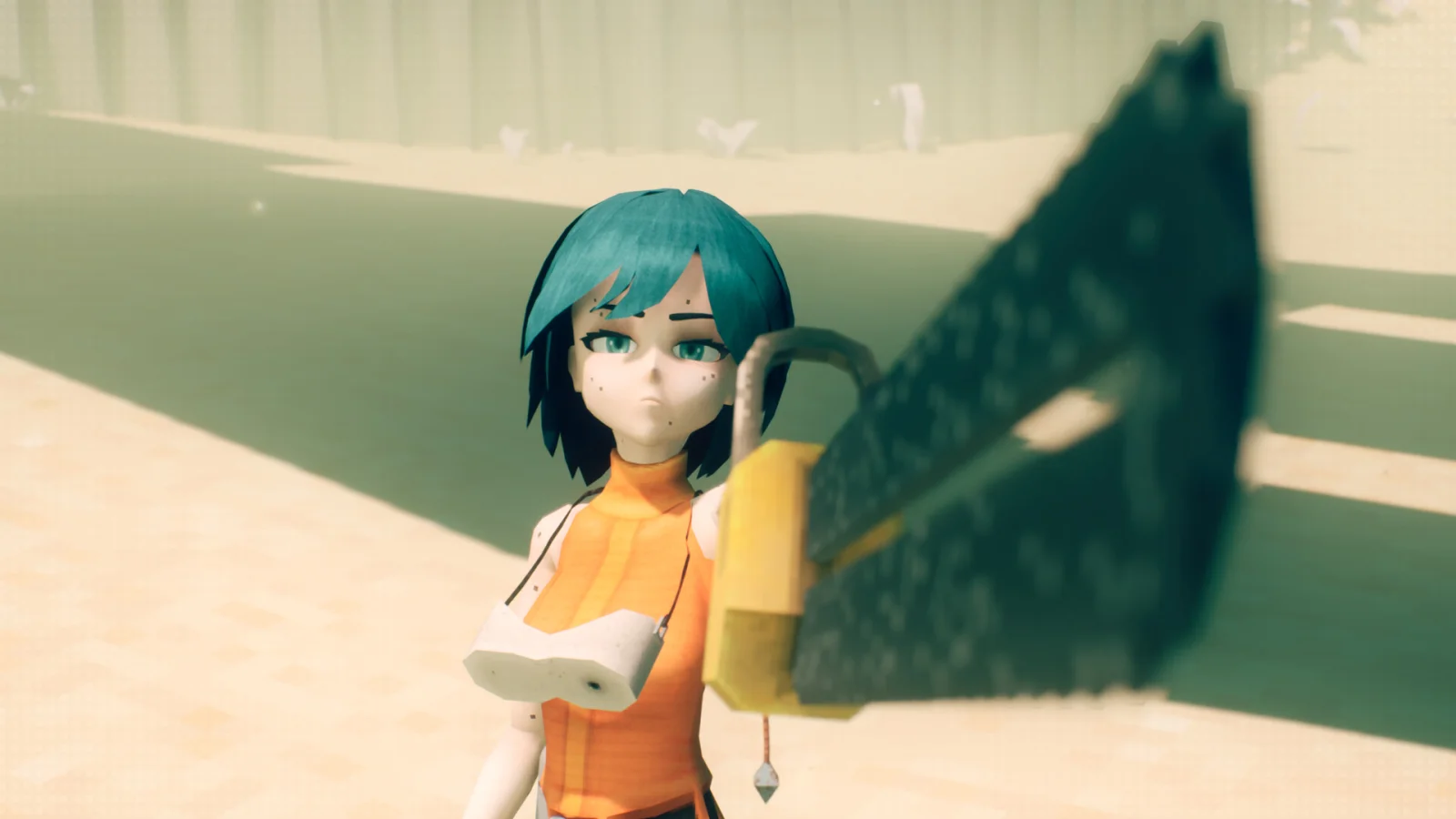
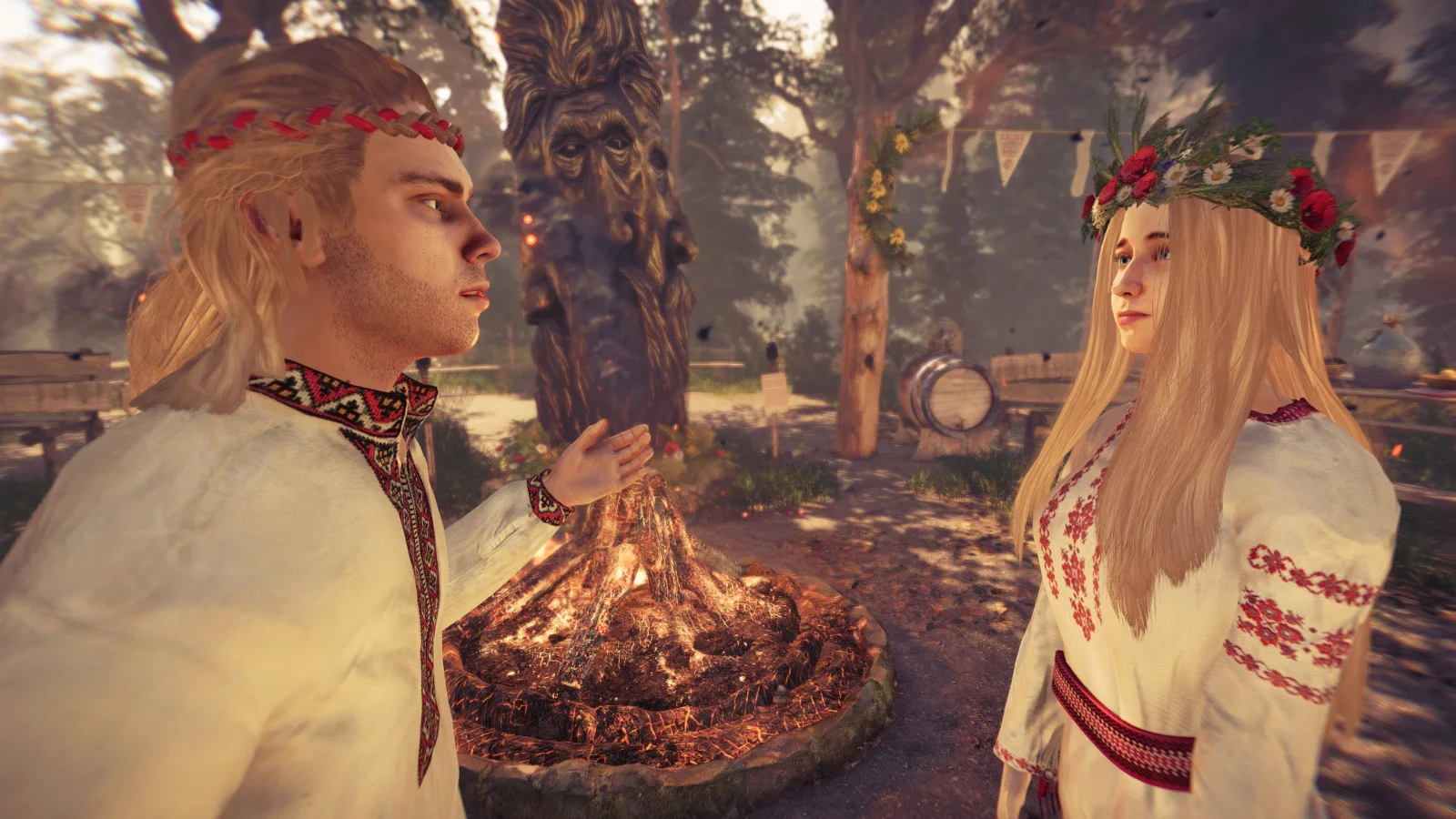
One of the most striking aspects of the game is its originality. The use of Slavic mythology as the foundation for the world and story is a rarity in the industry, giving the game a recognizable identity. Additionally, the development team used photogrammetry of real objects and locations, achieving a high level of authenticity. This approach not only contributes to visual realism but also to the feeling that the player is in a real, living space. Although the gameplay does not bring revolutionary ideas, the combination of theme, technology, and atmosphere makes the game fresh and different. The game world is designed with an emphasis on consistency and credibility. The village changes through seasons and time periods but maintains logical continuity. Interactions are limited, but what is present feels convincing. There are no illogical elements that would disrupt immersion, but there are also no complex systems that would make the world dynamic. In other words, the world is convincing as a scene and context, but not as a deep simulation.
The visual presentation is one of the strongest elements of the game. Photogrammetry allows for extremely detailed and realistic representations of nature, architecture, and objects. Light, textures, and spatial composition create a strong sense of presence. The environment feels natural and unobtrusive, further enhancing the atmosphere. The game does not try to impress with spectacle but with authenticity. The only thing that stands out from the overall visual picture is the animations, which feel stiff and not overly refined.
The audio design follows the visual identity of the game. The music is subtle and atmospheric, often in the background but always present when it is necessary to emphasize a certain moment. Ambient sounds like wind, fire, or nature further enhance the feeling of immersion in the world. There is no exaggeration, but also no emptiness. The sound is functional and well integrated into the overall experience. The voice acting is satisfactory.
After finishing the game, the reasons for replaying are limited. The story is linear, without significant branching or alternative outcomes. The game does not offer additional modes, content, or mechanics that would encourage a return. Once the narrative is revealed, most of the content is exhausted. The value of the game depends on expectations. As a narrative experience, the game offers a quality atmosphere and a unique theme. However, the limited duration and lack of replay value may leave the impression of modest content. For the target audience who are fans of slower, atmospheric games, the investment makes sense. For a broader audience, the value may be questionable.
The End of the Sun is a game that stands out for its atmosphere, authenticity, and thematic boldness. It does not attempt to be complex or challenging but offers a calm and thoughtful experience that will be most appreciated by players inclined towards exploration and narrative. Despite the limitations in gameplay and the depth of mechanics, as well as the stiff animations, it is a solid achievement that manages to leave an impression, primarily thanks to the world it builds and the atmosphere it maintains. It may not suit everyone, but for those it resonates with, it will provide an experience worth attention.
A copy of the PlayStation 5 version of the game was provided for review purposes by the publisher IMAGINATION S.C.