Brew is an indie roguelite that puts us in the shoes of a student from an alchemical academy, thrown into an exam tower full of enemies, resources, and rooms that change with each attempt. The idea is clear: each attempt represents a new test of your knowledge, reflexes, and ability to combine potions in battle. The concept is different enough from other roguelites to immediately grab attention, yet familiar enough that you can start without too many questions in your head.
Structure: a tower as an exam ground
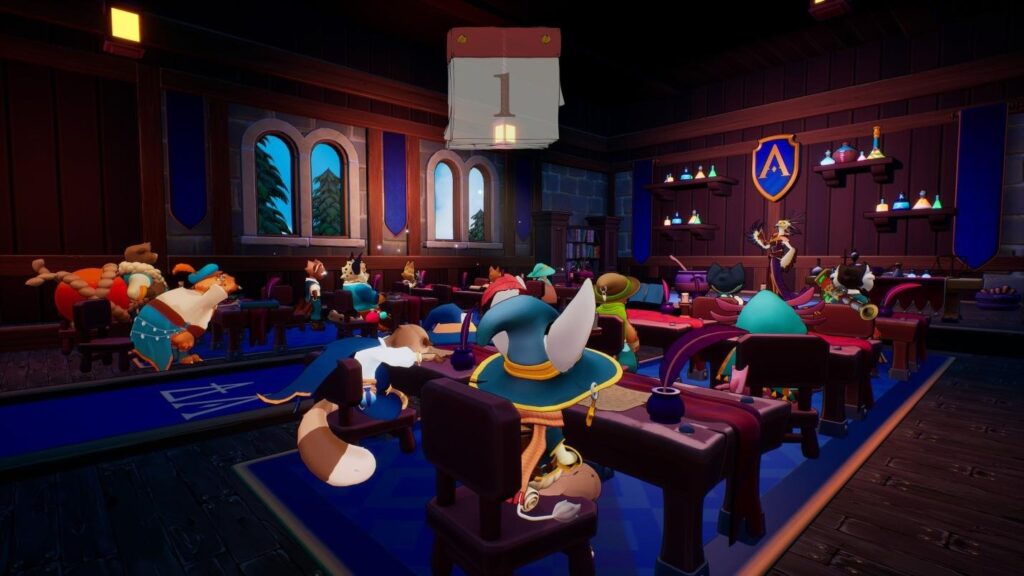
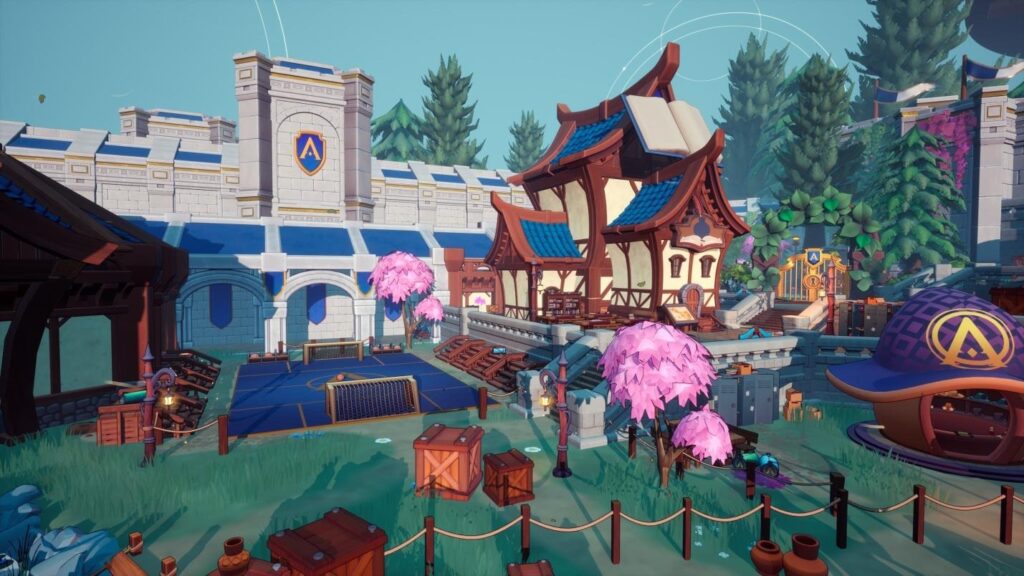
Brew throws us into the academy of young, ambitious alchemists, anthropomorphic animals. You can enter the academy if you pass the entrance exam or if you pay a scholarship. Almost like in real life! Our unnamed rabbit alchemist has applied thousands of times, and each time failed. Now, ultimately, we are funded by an unknown benefactor, who appreciates our persistence.
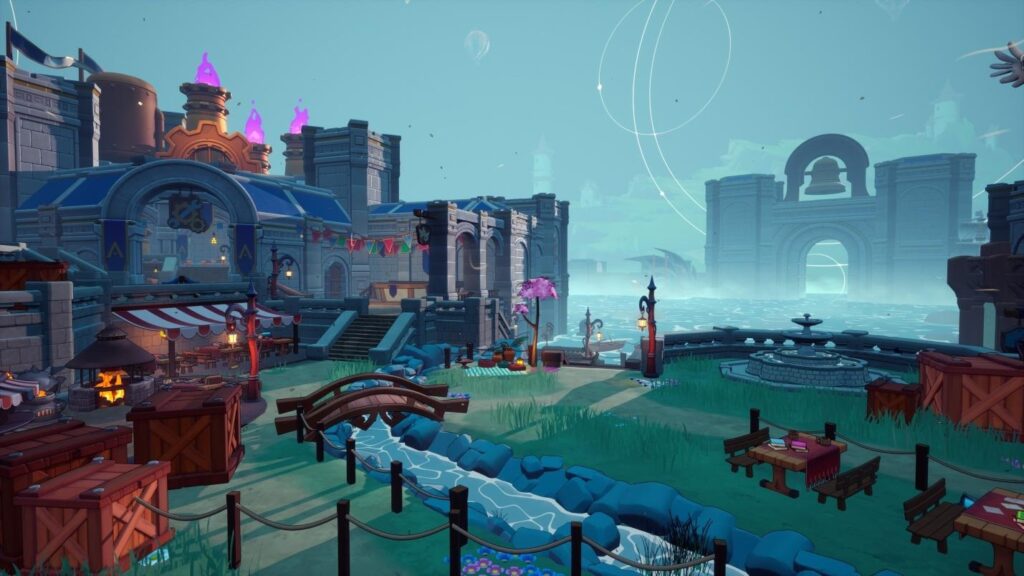
The main setting is a tower full of connected rooms, which hide various enemies. Some rooms offer ingredients and new recipes, while others serve as a short break in the form of shops or new, temporary upgrades.
The rooms change with each new attempt, in typical roguelite style. Everything is compact, fast, and well-rhythmically arranged, without excess downtime.
Gameplay: combining alchemy and action
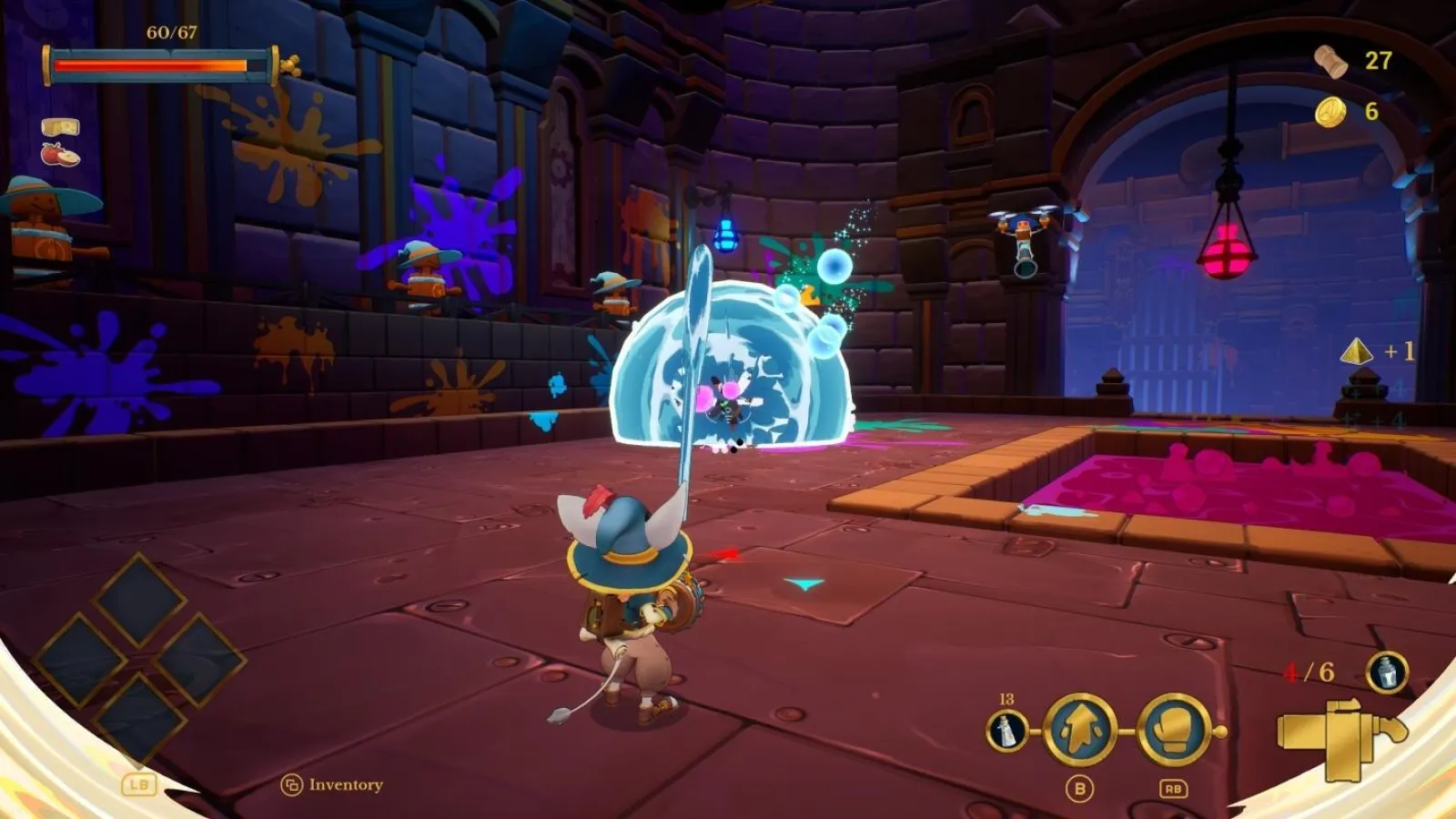
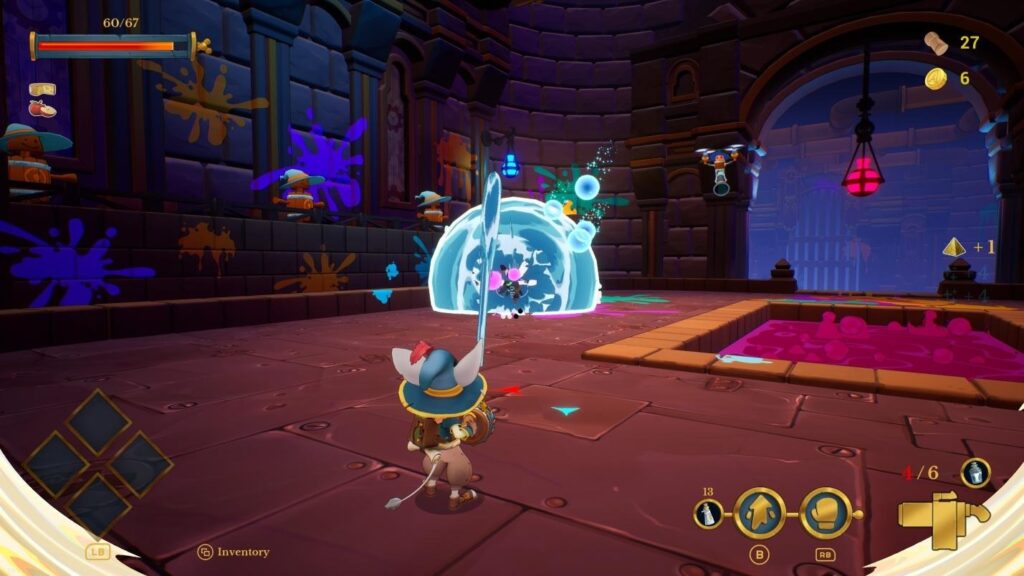
What sets Brew apart from typical roguelite action is the focus on potions as the main survival tool. Each room provides new ingredients — mushrooms, crystals, extracts, plant concentrates. We use the ingredients to mix potions, which we can drink, throw as bombs, or load into our gun to use as special ammunition. Recipes are not obtained immediately; they unlock through progression, experimentation, or solving special rooms in the tower. All this allows for quick and clean combat, with a mix of dodging, positioning, and proper potion usage.
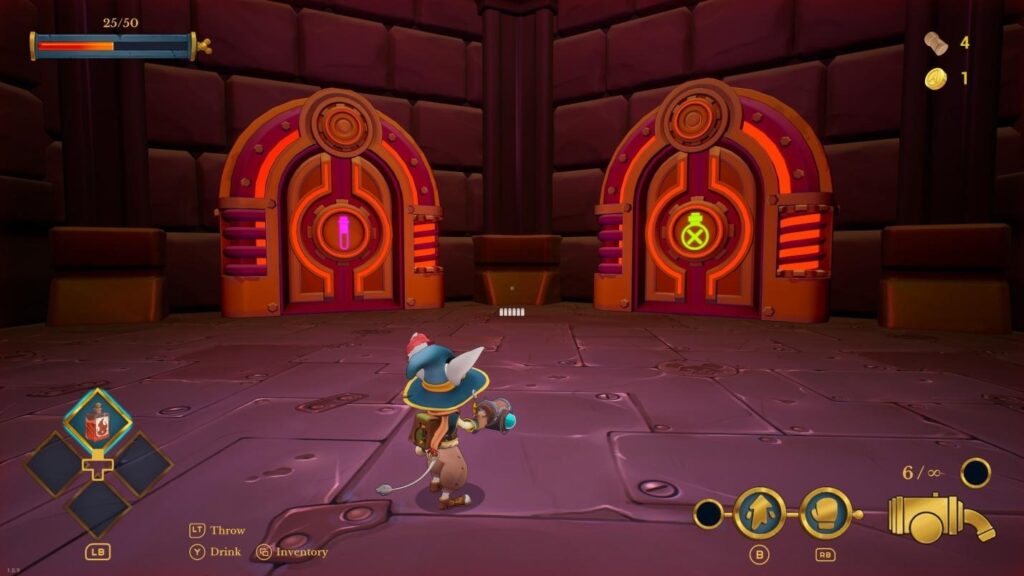
In good moments, the gameplay feels fluid and intuitive. However, it has flaws: some animations are stiff, enemies sometimes behave unpredictably, and hitboxes are not always precise. I rarely used melee attacks, as I regularly got beaten up when going "hand-to-hand." Still, overall, the system works. It has a foundation that can be improved with future updates.
Metaprogression: a reason for new attempts
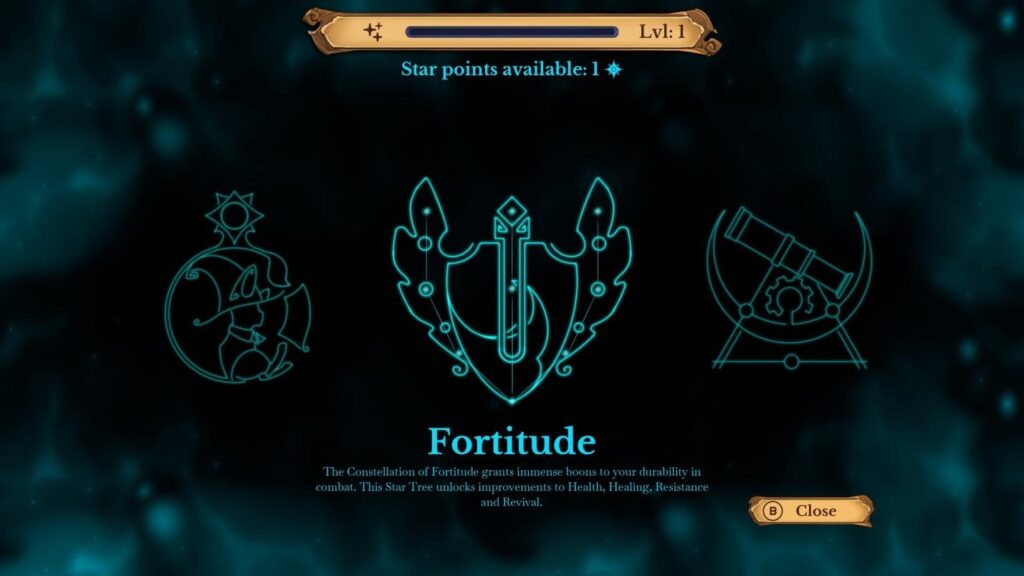
As you lose (and you will), some things will still stay with you: you will unlock new recipes, alchemical disciplines, permanent perks, academic bonuses, and new starting loadouts. All of this keeps the game alive and gives a sense of progress even when your run ends disastrously. There are no frustrating walls like in some tougher roguelite games. Progress is steady, but not too fast, enough to plan your next attempt.
Presentation and Atmosphere
Visually, Brew features a timeless cell-shaded style that looks clean and distinctive enough to recognize. The characters are simply animated but recognizable, and the rooms in the tower have a clear design.
The music and sound are functional, unobtrusive, and do not stand out too much. Only in battles do they gain more layers, which helps with the pacing of the runs.
Weaknesses and Areas for Growth
Repetitiveness is still felt: although the room has enough variants, after a while you wish for even more “special” rooms and additional twists. Some potions are dramatically stronger than others, making certain builds far more attractive, while others are useless. The concept of the Academy is great, but still underutilized in tone and the story the game wants to tell.
Conclusion
Brew is an interesting, solidly set up, and well-thought-out indie roguelite about alchemy, refreshing the genre with a focus on crafting and experimentation. The game has a good foundation, a clear vision, and mechanics that can become extremely fun if further deepened. If you enjoy roguelites with charming and cheerful characters, I believe you will like this game.
A copy of the game for review purposes was provided by the development studio Snow Leaf Studios