Ghost of Yotei - a new lesson in honor, death and revenge
There is that moment in gaming when you realize that you are not just playing a game, but witnessing something that could easily stand on the big screen. Ghost of Yōtei is just such a moment. After the success of Ghost of Tsushima, Sucker Punch returns with a story that is not only a spiritual successor but also an emotionally mature work. Here, we are not just seeking honor and redemption, but fighting against our own demons, while the snow relentlessly covers the traces of everything we leave behind.
Ice Revenge
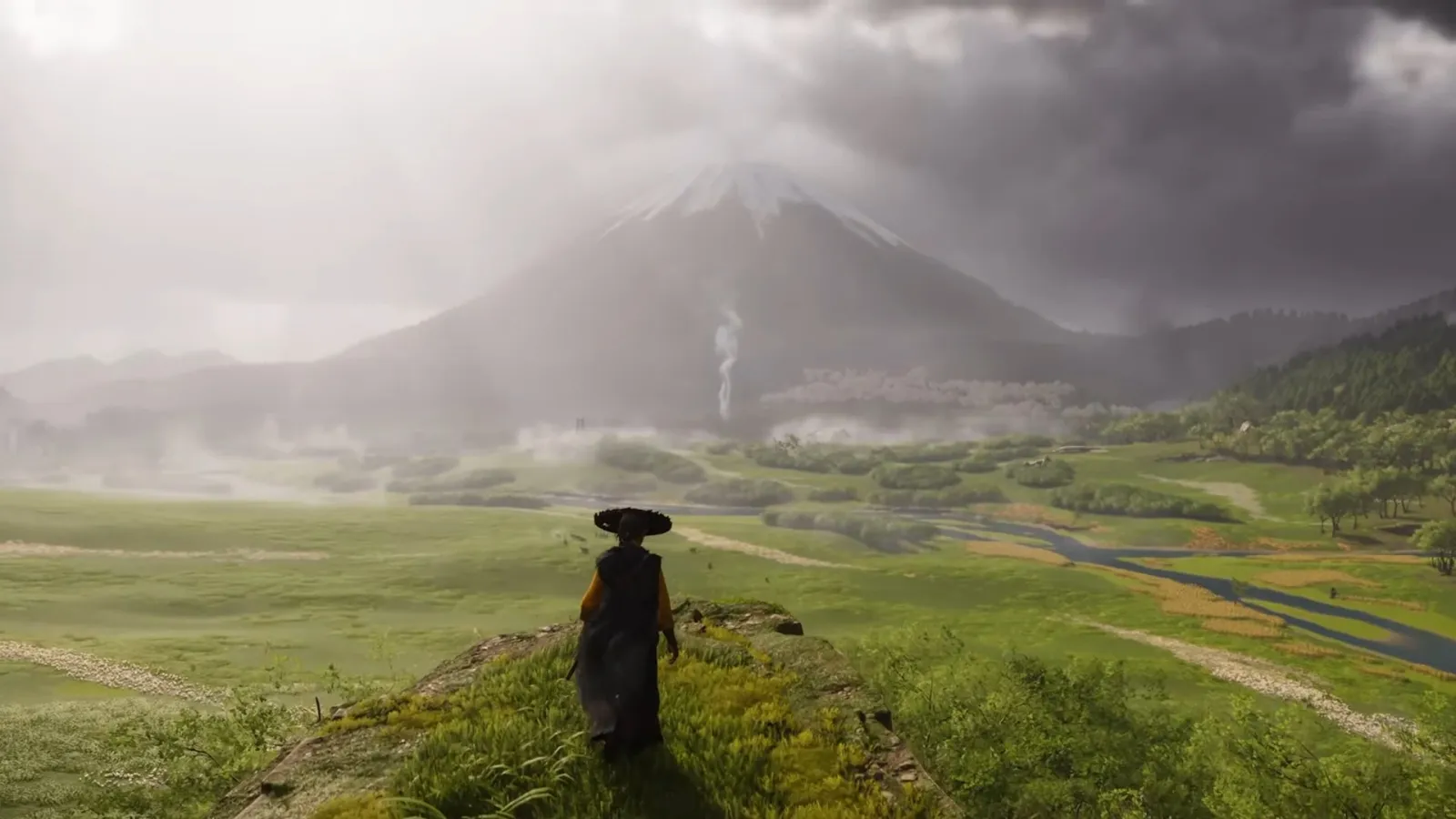
The story takes us three centuries after Jin Sakai's days, far to the north of Japan, in the region of Ezo which represents present-day Hokkaido. Instead of sunlit fields and flowering valleys, this time we walk through frozen landscapes, snowstorms, and misty forests where only the sound of breathing and swords can be heard. At the center of the story is Atsu, a warrior whose childhood was burned in blood and ash after an attack by a gang known as the Yōtei Six. Left to die, pierced on a burning ginkgo tree (the ginkgo tree was chosen by the creators because it represents resilience), Atsu somehow survives and returns years later, considered not as a human, but as a spirit of vengeance (“onryō”).
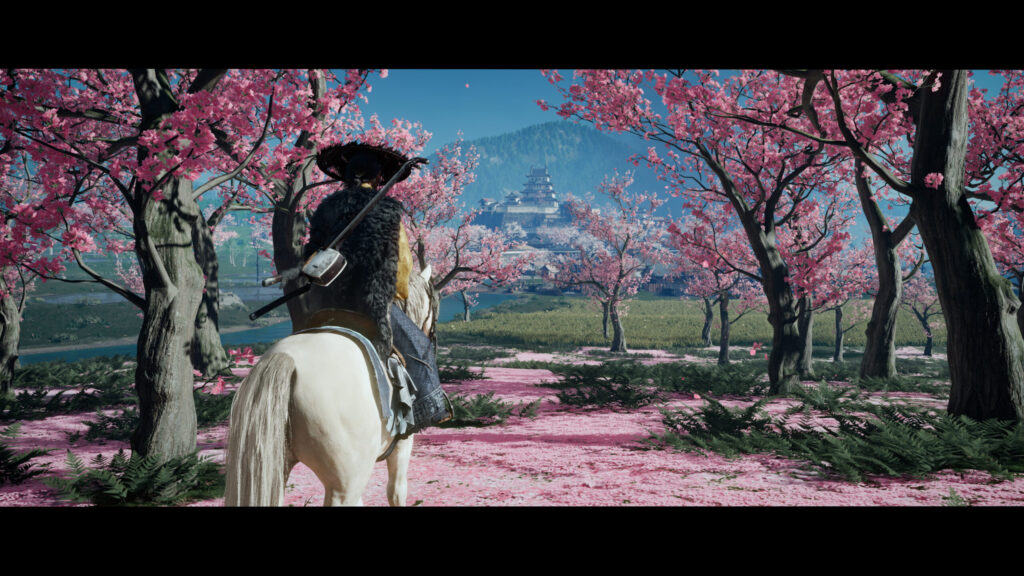
Although it sounds like a classic revenge story on the surface, Yōtei builds the narrative deeper. Every encounter, every decision, every doubt slowly strips away layers of her character and shows how thin the line is between justice and obsession. The game does not dictate which path you must take. You can decide for yourself who will feel the edge of Atsu's katana first, and each target has its own story and ending that changes the tone of the entire game.
A Fight with Soul and Weight
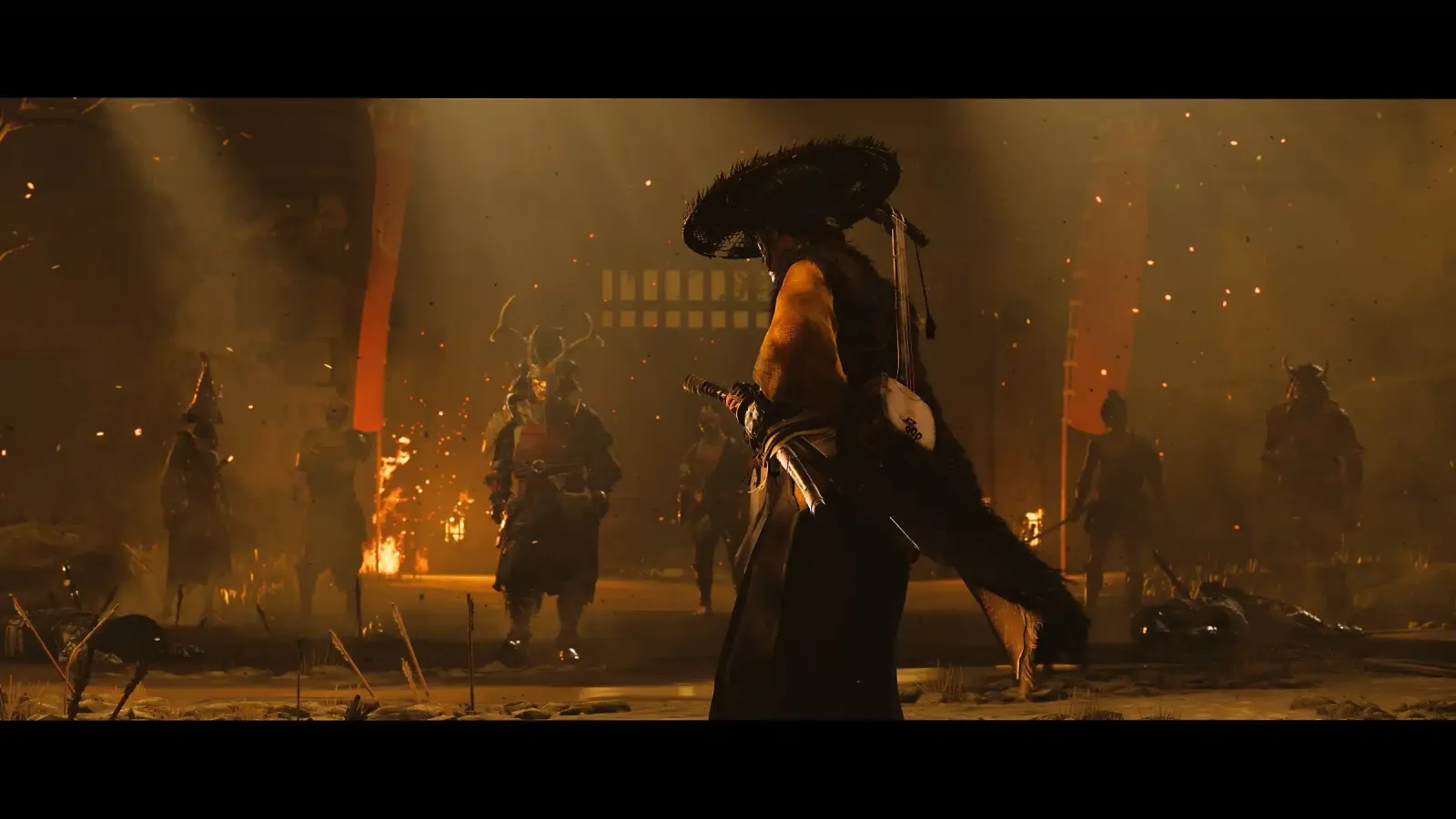
Compared to Tsushima, the combat in Yōtei feels more personal and tangible. Atsu wields not only a sword but also various other weapons, short knives, spears, and even heavy clubs that can break armor. Every strike has power, every parry precision, and every miss has consequences. The new disarm system adds an extra dose of tension. If you make a mistake, you can end up empty-handed, but with good reflexes, you can knock the weapon out of your enemy's hands and turn the fight in your favor.
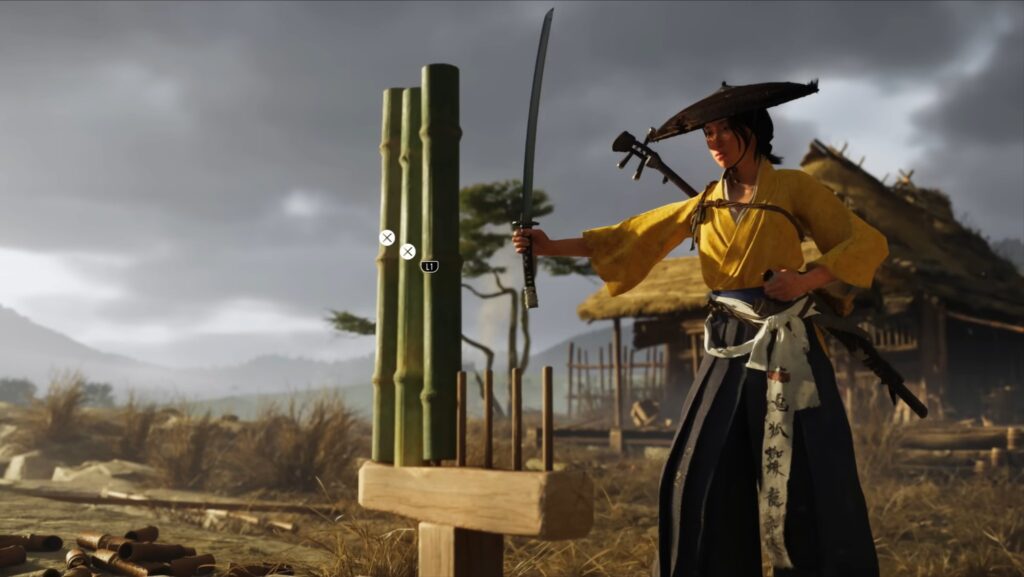
The DualSense controller shines here like never before. Haptics convey the texture of every hit and every contact with metal. When you draw the bow, you feel the resistance of the string under your fingers. When you clash with an opponent in a duel, you feel the vibration at the moment the katanas slide against each other. This is a rare case where technology does not distract, but deepens the sense of presence.
Snow, silence, and beautiful horror
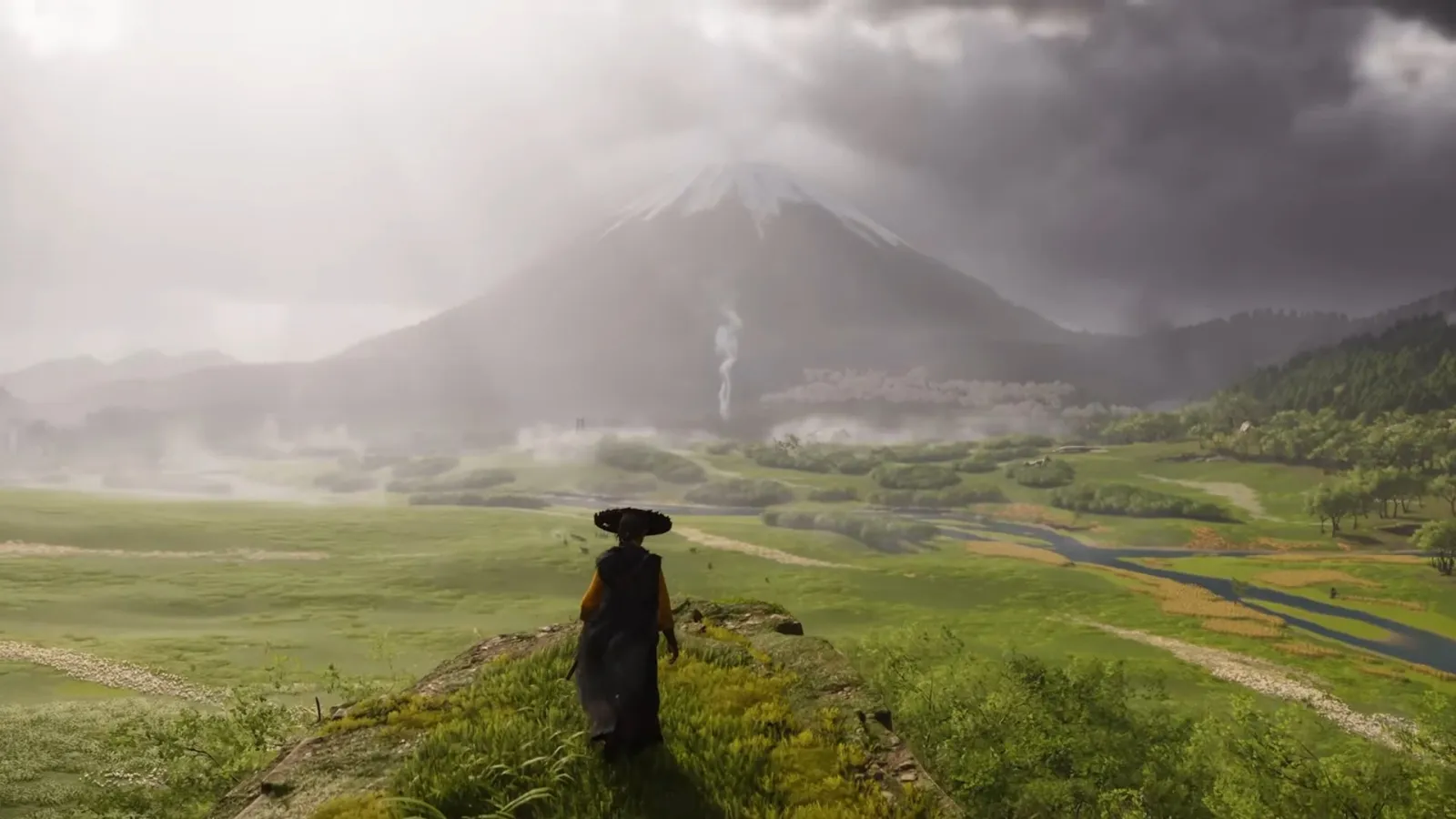
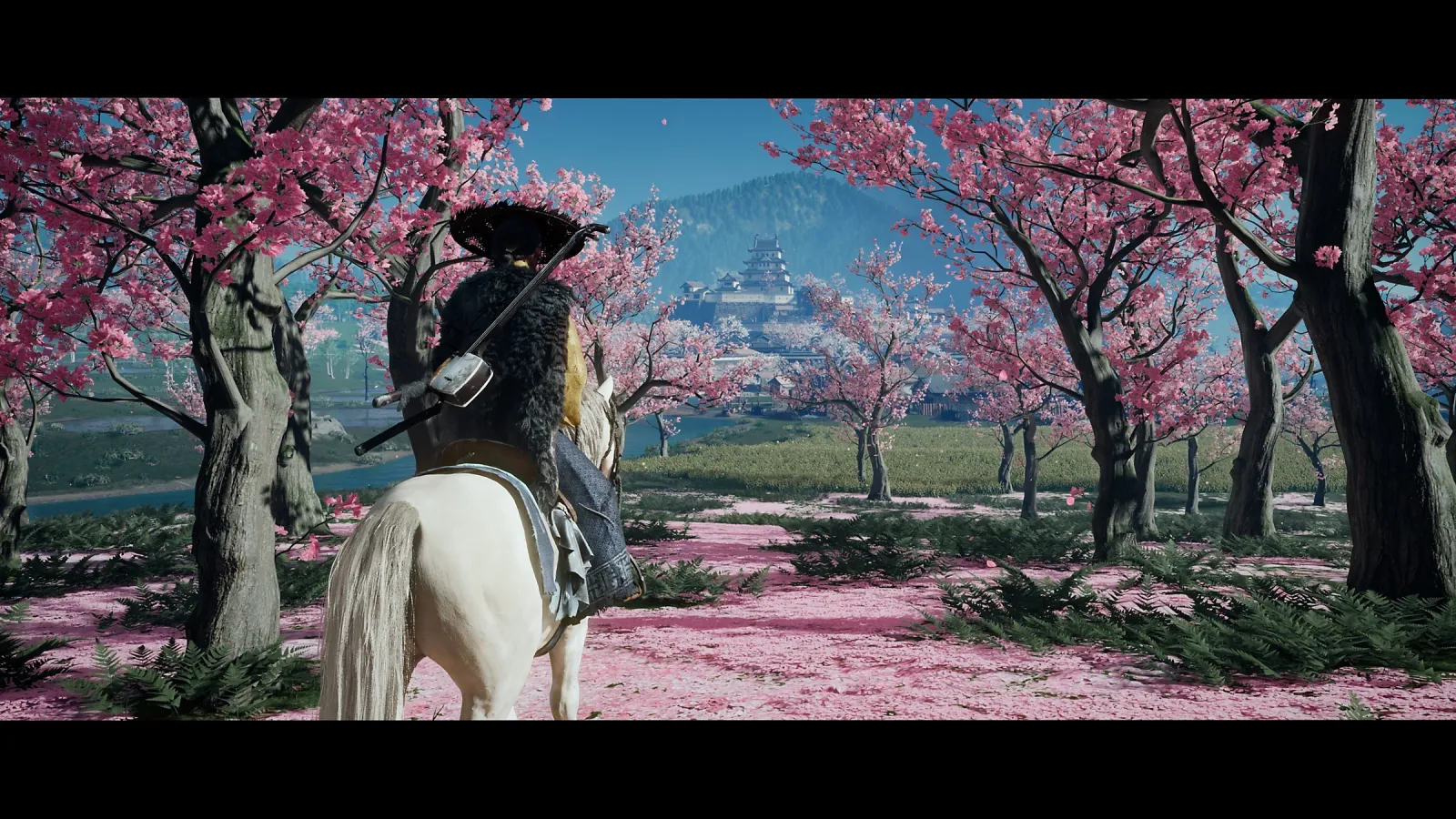
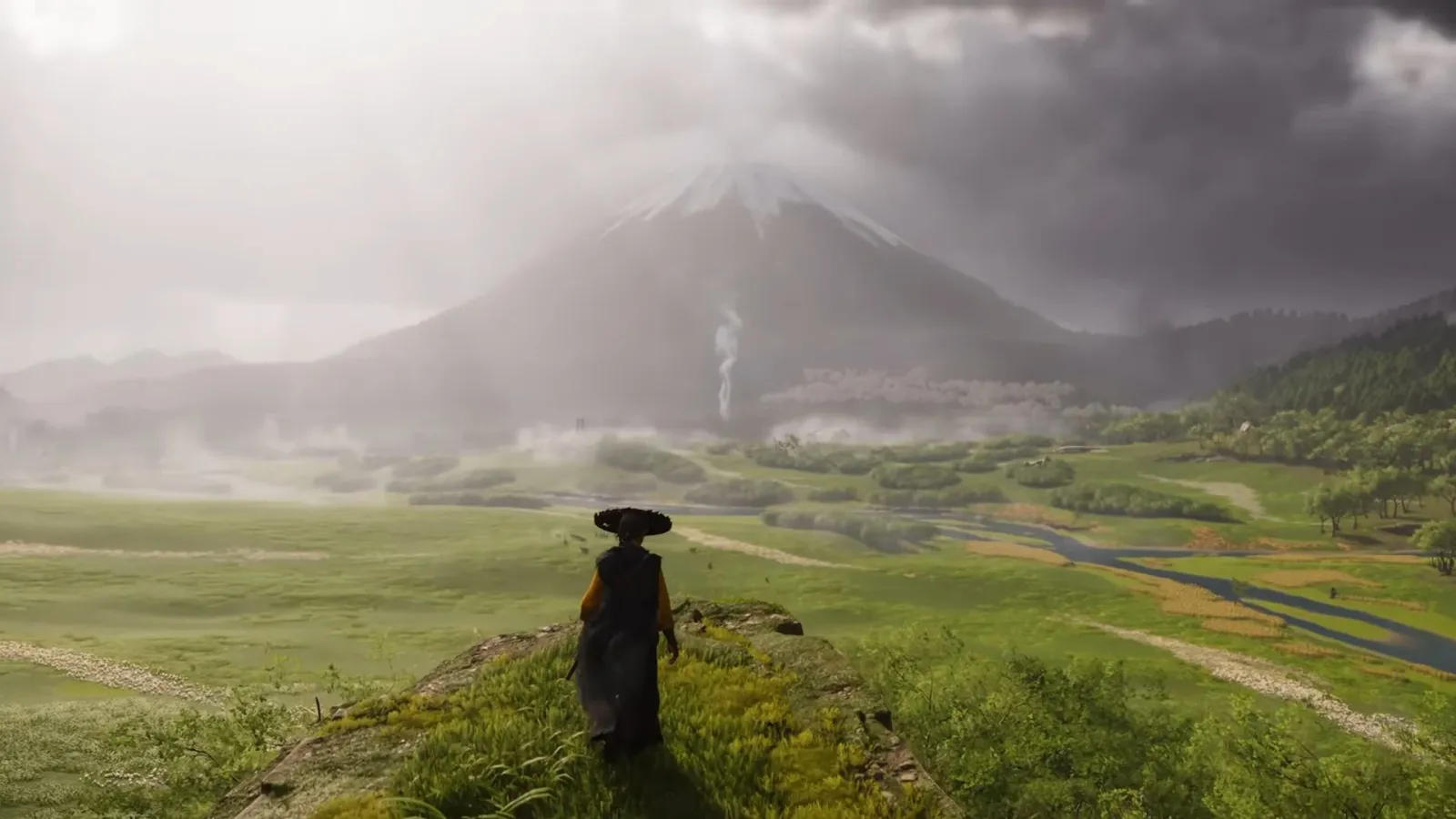
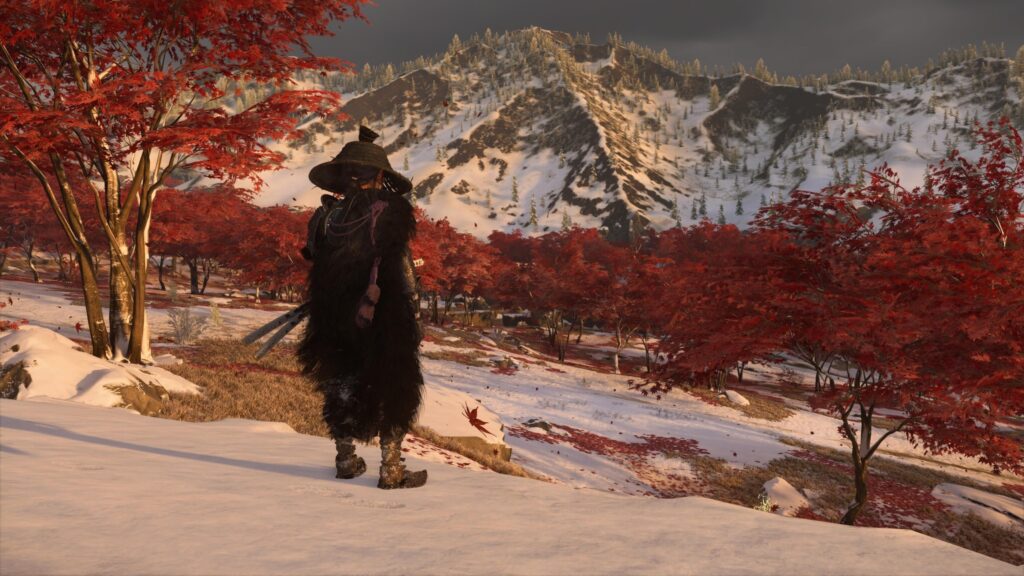
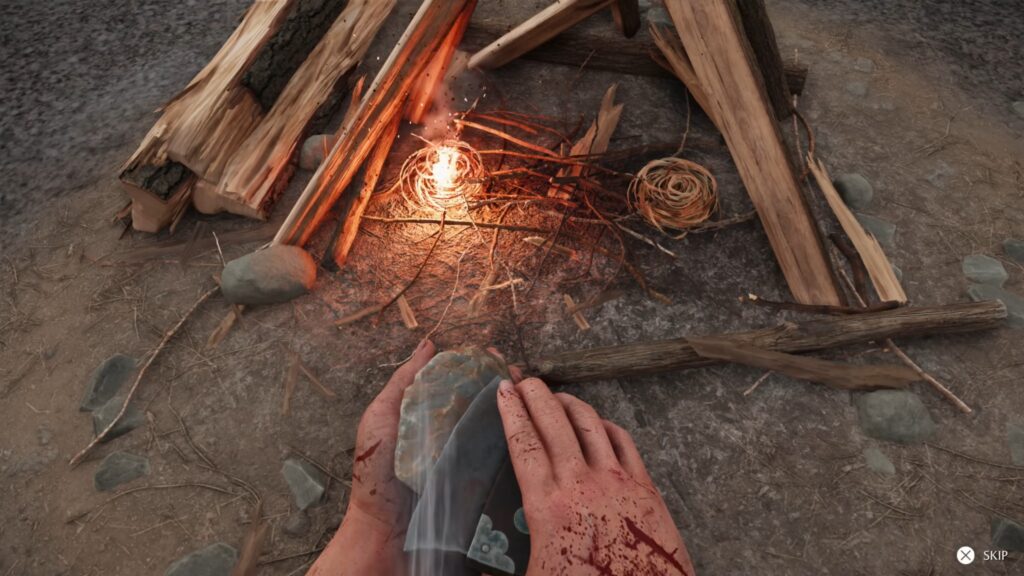
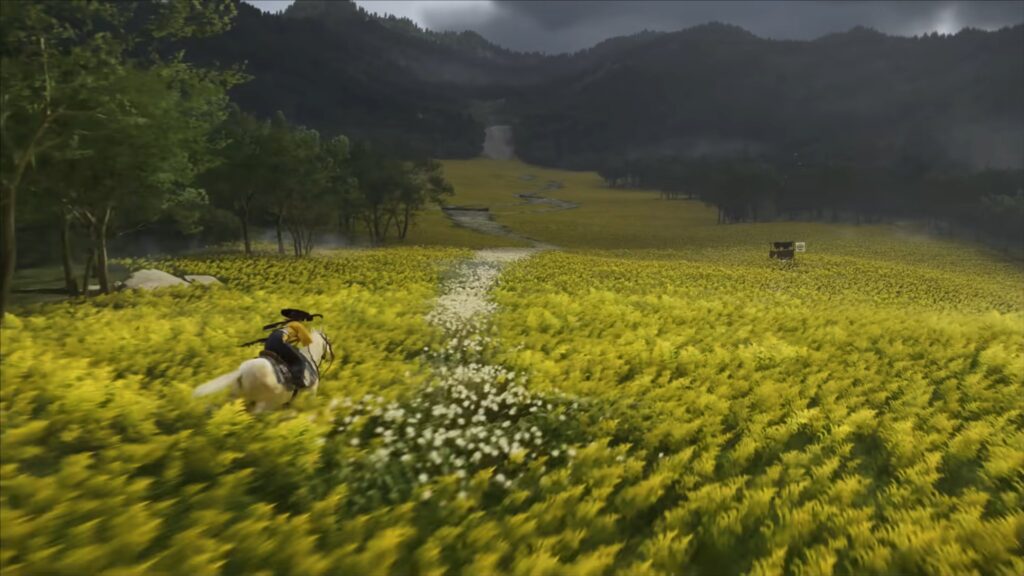
Instead of golden meadows and flowering trees from Tsushima, Yōtei offers endless snowy plains and icy peaks. Hokkaido has never looked this real. The snow melts underfoot, flakes cling to your clothes, and every trace you leave in the snow disappears under a new layer as the wind carries away the ashes of the past. The game does not bury you in maps and arrows, but allows you to find your own way. Instead of a compass, the world guides you. Smoke on the horizon, a bird taking off from a branch, the sound of a river in the distance… These are all clues you can follow if you know how to look.
What Yōtei masterfully does is use silence. There is no bombastic music or excessive drama. In a duel, you often only hear the wind and the beating of your own heart. Atsu simply lowers the sword, and in the background, you can hear the rustle of snow. This is the moment when the game becomes more than a fight; it becomes a meditation on death and the silence that follows it.
Cinematic approaches – from Kurosawa to Tarantino
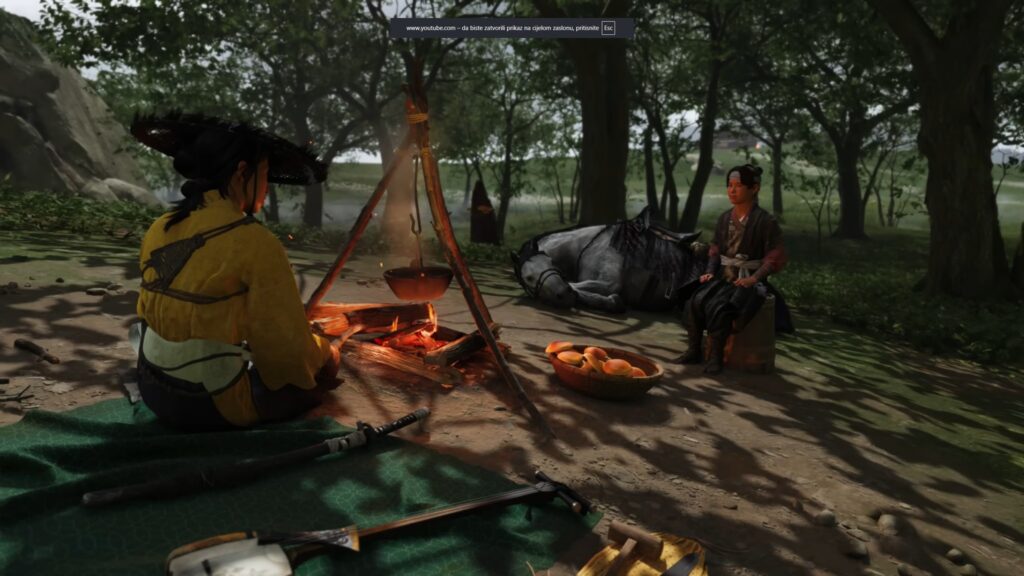
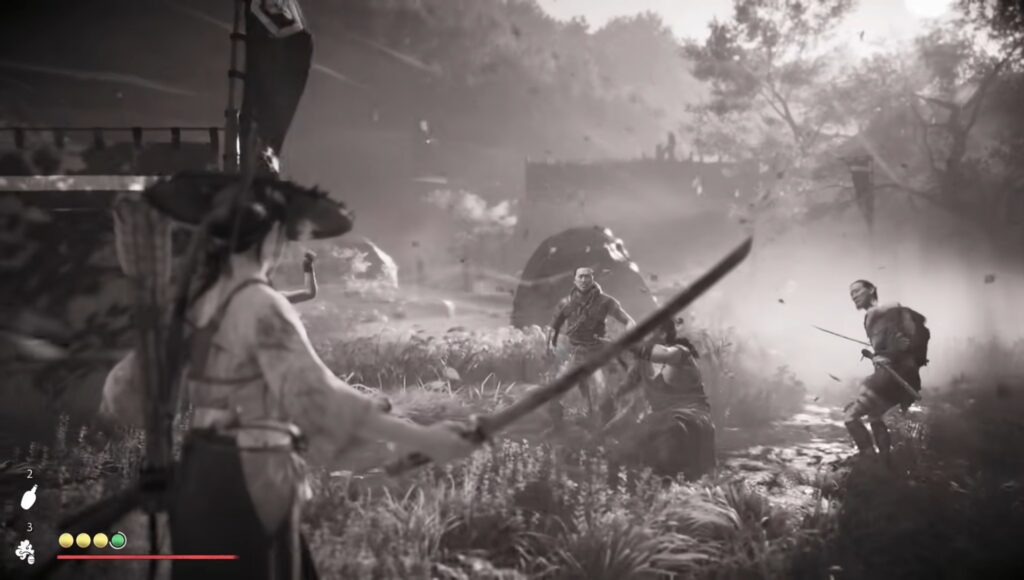
Sucker Punch once again shows love for Japanese cinema. Kurosawa Mode returns in all its glory, with black-and-white aesthetics, grainy film, and authentic Japanese voice acting. But there is also a new Miike Mode, which brings a more brutal, expressive atmosphere with more blood, mud, and sweat. For those who want something calmer, Watanabe Mode turns combat into an almost poetic experience, with softer lighting and minimalist music. All three variants change the tone of the game so much that you can experience it multiple times, each time in a different way.
Flaws that are easily forgiven
Despite everything that Yōtei does almost flawlessly, there are moments that remind you that even the spirit of revenge is not immune to small weaknesses. The game's introduction can be slow and takes time to emotionally draw you in. Some dialogues feel stiff, as if they were copied from an old samurai manual, and occasional technical bugs, like a horse suddenly deciding to walk through a rock, can briefly pull you out of the atmosphere.
However, all of this pales in comparison to what the game offers. The battles are tense, the world is stunning, and the sound and music make you feel the chill and tension of every moment. Yōtei can be tough, sometimes even merciless, but once you master its rhythm, every duel becomes a small poem in motion.
Conclusion:
Ghost of Yōtei is not just a sequel to Tsushima but its spiritual reincarnation. Everything is familiar, yet nothing is the same. The world is harsher, the combat more intimate, and the emotions deeper. It is a game that forces you to think about what you do, about honor, guilt, and the price of revenge. And while Atsu ultimately stands atop the mountain, with the sun breaking through the clouds above Yōtei, you feel not victory, but relief.
Ghost of Yōtei is not a game you play just to complete it. It is an experience you absorb. You absorb the scent of snow, the weight of the sword, the whisper of the wind, and the silence that speaks everything words cannot.