Video games ruin children, encourage violence, cause stress and anxiety, destroy focus, waste time... I've heard that many times before: from the media, acquaintances, and colleagues, even from my own mother. Comments from "experts" are everywhere, from Facebook warriors who latch onto "clickbait" articles to people who associate the term video games with something they last saw in 1998.
The problem is not video games. The problem is the way they are stereotyped. They can be beneficial, neutral, or harmful, depending on the content and context, not just because they are "games." Although some surveys say that the average modern gamer is 41 years old, and the Western world accepts gaming as a normal thing, I feel like there is still a certain disdain for games after a certain age in the Balkans.
Playing and Growing Up
I spent my childhood in front of a desktop computer, playing strategy games like Warcraft II, the Command & Conquer series, point 'n' click adventures like Fate of Atlantis and Monkey Island, and of course, numerous RPGs. For a small five-year-old, these were complex games, in a foreign language, and I didn't understand everything. But over time, my understanding of English grew, my tactical brain developed, and it was all so much fun. Being part of some epic adventure where I was the center was indescribable. With each victory, I felt more capable, happier, and even more grown-up.
And here I am, 30 years later, having graduated from college, working as a doctor, and video games have accompanied me every step of that journey. Moreover, some of my fondest memories are tied to them. So damn it, they can't be that harmful, can they? Setting aside anecdotes from my own life, we should look at the cultural pattern: every new medium was once considered "dangerous": novels, comics, television, metal music, the internet... video games are just the latest scapegoat and are regularly perceived as something childish and useless.
What Does Science Actually Say?
Faster decision-making, spatial orientation, multitasking under pressure, learning through trial and error... these are not theories, but things that have been studied for years in action and strategy games. Science is much duller on this issue than critics would like. Video games have been studied for years, and the results are mostly consistent: a positive effect on skills we use outside the screen can be seen.
This doesn't mean that playing will automatically make you smarter, but it does mean that the idea of "mental decline" is simply incorrect. Speaking of mental decline, I would rather blame social media for our loss of focus, disinterest, and passivity. Video games require focus from us, while social networks are the ones that destroy it, but that's another topic altogether.
However, Addiction Exists
However, that is not the whole story, and I would be biased if I wrote otherwise. Video game addiction exists and should not be relativized. Spending hours and hours in front of a screen, neglecting family, friends, and personal obligations, is not a problem because they are video games, but because it is a pattern of behavior that is harmful in any form. However, what is often overlooked today is that video games themselves are changing.
Many modern games are no longer designed for us to play for enjoyment, but out of a sense of obligation – daily tasks, limited rewards, constant reminders that we will miss something if we don’t log in today. In such a context, the problem is not playing, but the design that doesn’t know when to stop, and we cannot place the responsibility solely on the players, but also on the developers. Mechanics should be what makes the game; I should return to them because I want to, not because of a limited event that requires me to log in daily to collect a new colorful skin that I will never use, but hey, it’s a limited edition!
Playing and Belonging
One of the most common myths associated with video games is the one about isolation. The image of a lonely player in a dark room no longer reflects reality. Online games have, whether we like it or not, become social spaces. Teamwork, communication, negotiation, and a sense of community are now integral parts of many experiences, from cooperative campaigns to competitive games that require trust in others. For many people, especially those who find it difficult to navigate traditional social frameworks, games are a place where they learn to collaborate, belong, and be part of something bigger.
I fondly remember the time spent in World of Warcraft with a German I met in the game. We regularly played together and talked on Discord about everything: I shared things from my life, my successes at university, fears about starting a job soon, and trivial everyday matters, and he reciprocated in kind. I gained a friend, a friend whom I soon hosted when he came to support me at my graduation. A few months later, I visited him. Although we both play WoW less today, we still enjoy catching up occasionally.
Not all games are suitable for all ages
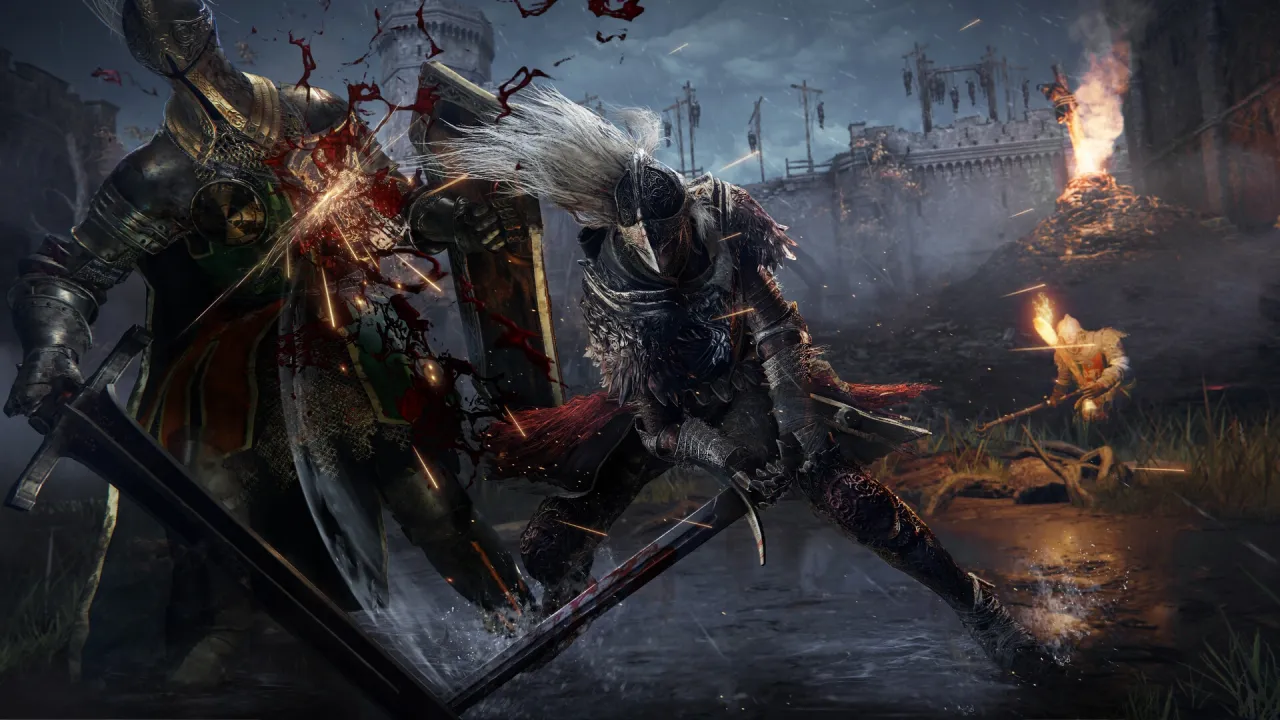
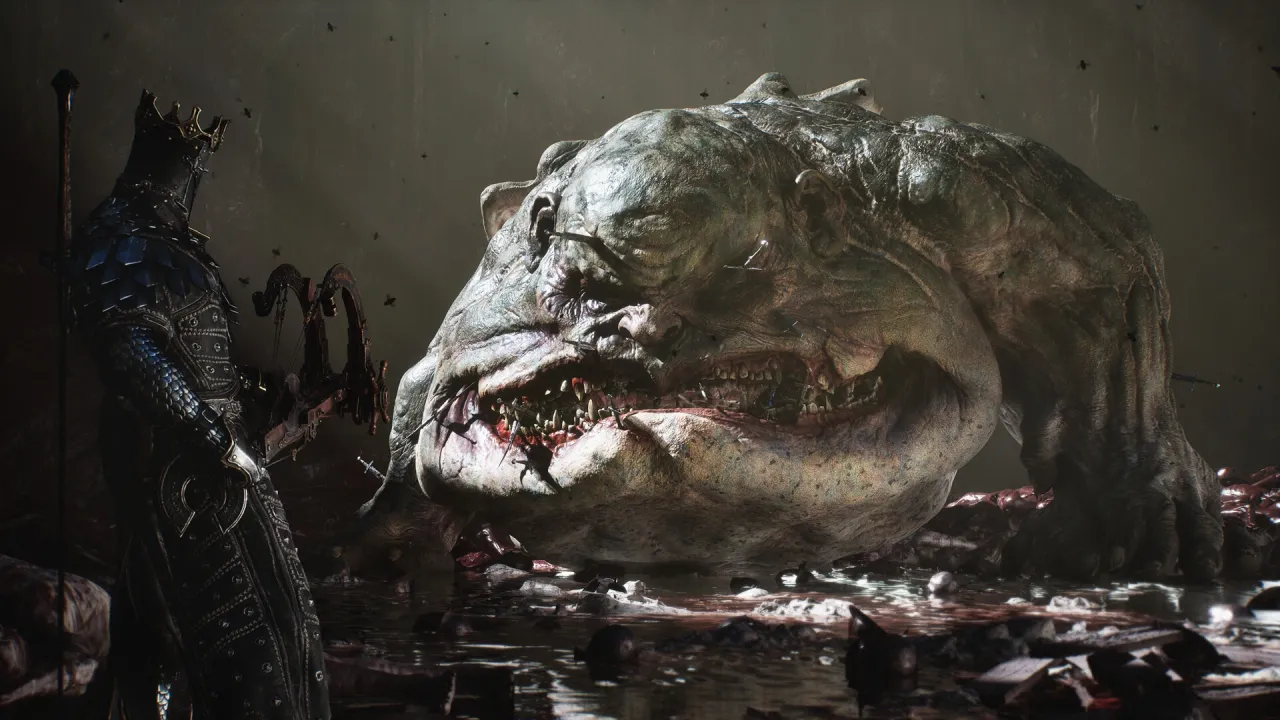
Of course, it doesn’t mean that video games are universally suitable for all ages. PG ratings exist for a reason, but we often ignore or misunderstand them. In retrospect, it may not have been good for me to play Mortal Kombat as a six-year-old. With today’s graphics, I wouldn’t want my future child to watch someone’s spine being ripped out in glorious 4K resolution.
A child playing content they cannot process emotionally or cognitively will not benefit from that experience and may even face consequences. But that is not an argument against video games. As with movies, music, or the internet, the responsibility does not lie in prohibition, but in understanding the content and setting boundaries.
Playing as Relaxation, Not Escape
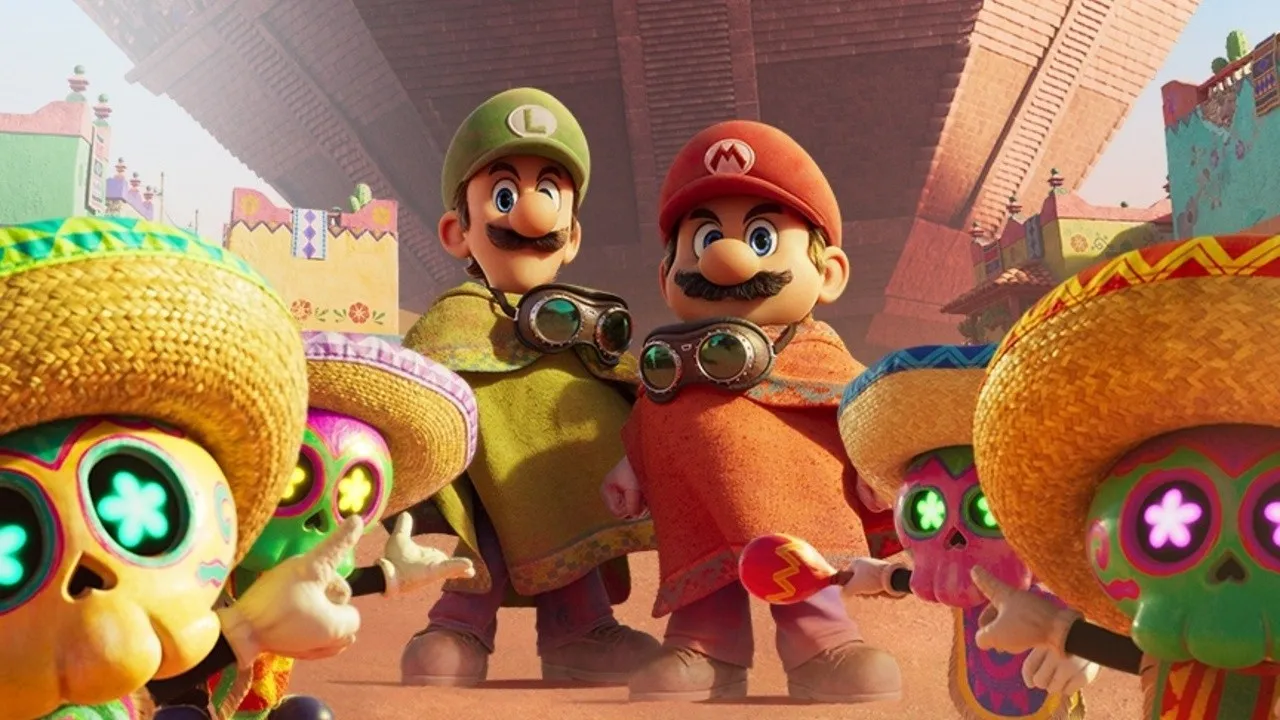
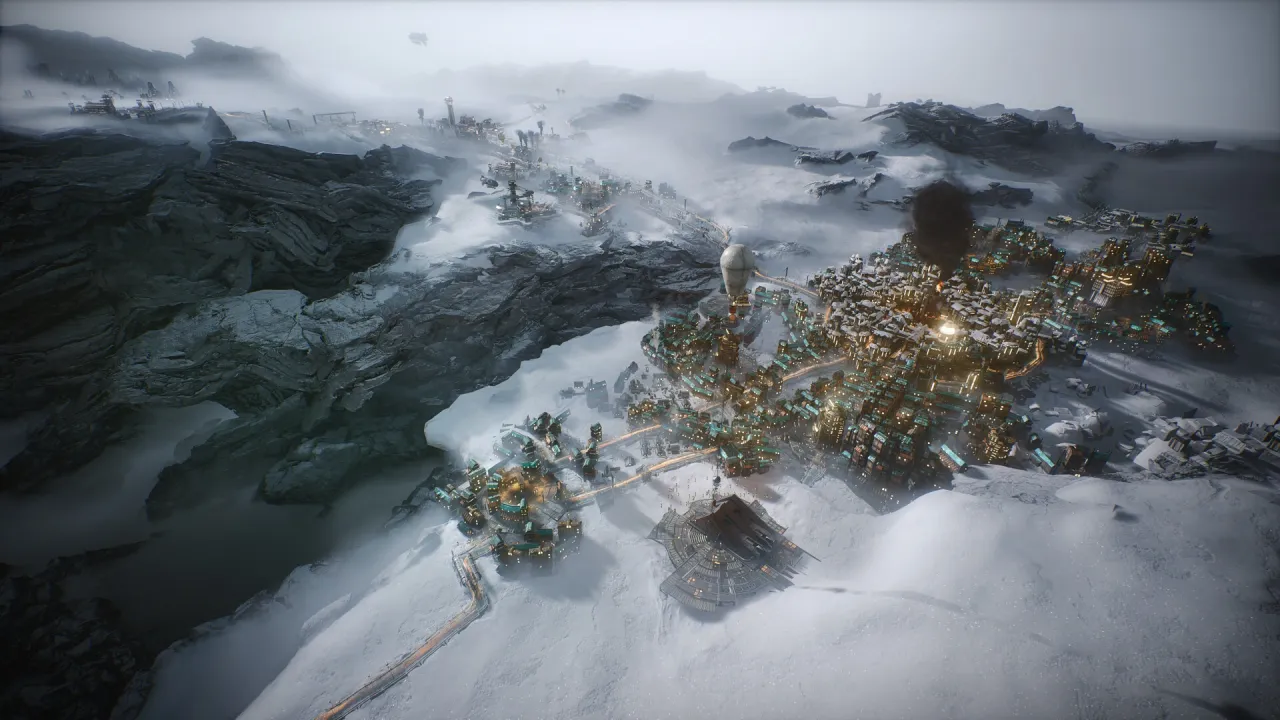
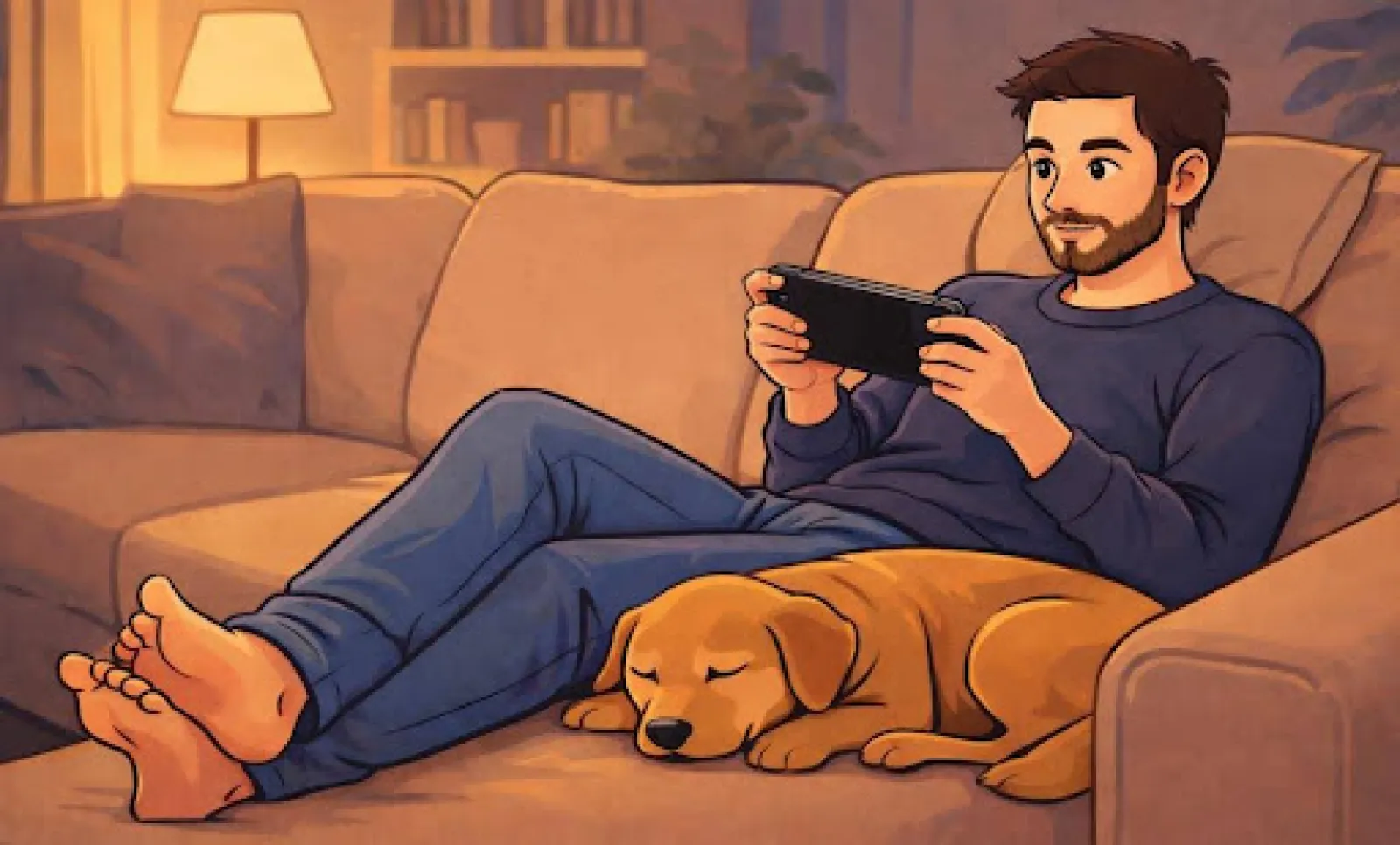
That's why I still play today. After work, after obligations, after a day filled with people and responsibility. I choose games that respect my time, I play consciously and stop when I feel it's enough. I don't have to finish every game; when I get bored, I'll switch to another. Sometimes I want to climb the rooftops of Renaissance Florence, and other times be the governor of a Roman city, an Italian plumber jumping on turtles, or a Pokémon trainer (the greatest, like no one before!).
It's not an escape from reality, but a way to return to it more rested. Video games are for me, as for many others, a form of relaxation. Not better or worse than a book, a movie, or music… just different. Maybe the problem was never whether video games are harmful. Maybe the real question is how we play them, when we choose them, and if we know when to stop. Everything else is just stereotypes that always fall over time anyway.
So, if I refuse coffee or beer next time after work, don't take it personally. I simply really have a desire for micromanaging my Roman city right now. I just settled a new island!