The Last Case of John Morley: Quality says why it's the last case
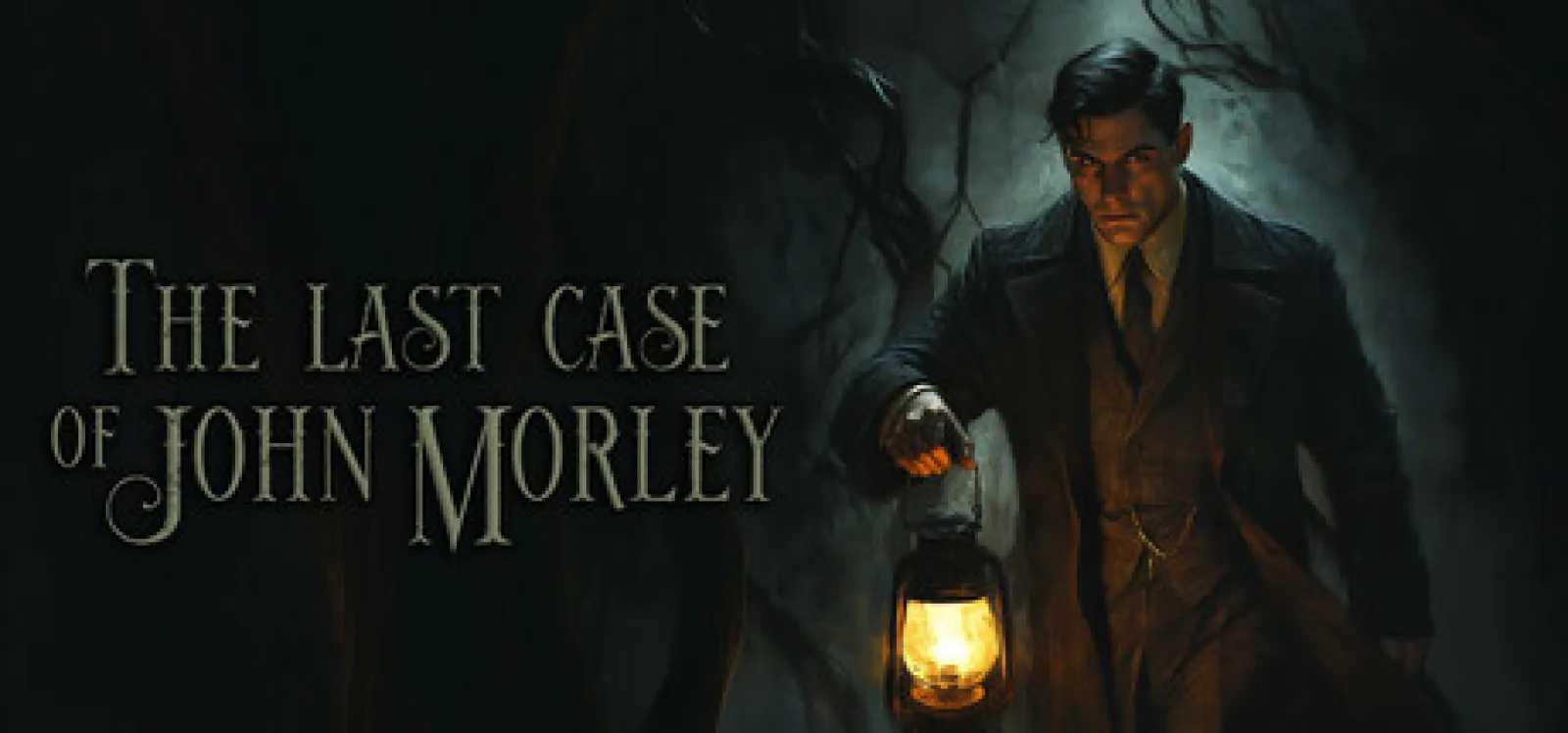
I love detective games. Give me a character with a tattered coat, an old mansion, a bit of fog, and an inner monologue that sounds like he’s had too much whiskey and not enough sleep, and I’m already in. That’s why I approached The Last Case of John Morley expecting to at least investigate something, to connect the dots (connect the dots sounds really dumb in Croatian), to at least once say “wait a minute, this doesn’t add up.” Well… I didn’t.
Gameplay
The gameplay is at its core a pure walking sim. You walk, you look, you click, John explains what you saw and what it means, and you move on. And that’s it. There’s no real deduction mechanics, no combining clues, no feeling that YOU figured something out. The game does everything for you. Even when there’s a “puzzle,” it’s more of a “turn left then right” level than any mental challenge.
The problem isn’t that it’s a walking sim. The problem is that the game presents itself as a mystery and detective story, but doesn’t give you the tools to be a detective. You’re more of a tourist in your own investigation. The gameplay flows smoothly, yes, but it flows like water down the stairs, with no resistance, no friction, no reason to stop and think.
Challenge / balance
Challenge? Honestly, the only challenge is staying awake if you’re not really in the mood. Not because the game is boring by default, but because it never asks anything of you. There’s no pressure, no decisions that could cost you, no wrong path.
The balance is such that everything is served to you. John constantly comments on where you’re going, what you’ve seen, and what it means. Even when there could be a moment of doubt or uncertainty, the game immediately breaks it with an explanation. It’s like someone is looking over your shoulder and constantly saying “don’t worry, this is important, and this isn’t.”
And that kills the tension. Detective stories thrive on ignorance, on wrong conclusions, on doubt. There’s none of that here. The game is balanced so that you can’t mess it up, but that also means you can’t succeed in your own way. You can only pass through.
Story / narration
The story has potential. Seriously. An old case, a lost daughter, an abandoned mansion, an asylum, trauma, identity, unreliable memories – all of these are ingredients for a good, dark story. And you can feel that the developers wanted that. The heart is there.
But the execution is too direct. Too blunt. The characters are distant, often existing only as text or as static, ghostly projections. You don’t spend enough time with them for you to really care. When something tragic happens, you react with “aha” instead of “oh no.”
The final twist has a moment of surprise, that “wait, what?” moment, but as soon as you chew on it a bit, it falls apart. And worse, the game leads you enough beforehand that you can guess it in advance, which kills the effect. It’s not a bad story, but it’s told as if you’re afraid the player won’t understand if you don’t draw it out with a marker.
Originality / freshness of ideas
The Last Case of John Morley clearly loves Disco Elysium, loves noir, loves psychological mysteries. And that's not the problem. The problem is that it borrows too much and builds too little.
The idea of “green” interactions and scenes from the past is okay, but not new. The concept of an unreliable narrator is interesting, but here it is not developed deeply enough. There are moments when you think “aha, now something will happen,” but then nothing occurs.
The game plays with perception, identity, and truth, but doesn't go far enough to be truly fresh. It's more like a demo of good ideas than a full realization.
Simulation / world believability
The world is atmospheric but static. Dreads, a villa, an asylum – everything looks as it should, but nothing reacts to you. There’s no sense that the world exists outside your walk through it.
NPCs are kept to a minimum, which is honestly a good decision because when you see them up close, the animations are… well, lifeless. No blinking, no expressions, like dolls. The game wisely decides that it’s better to be alone, and that actually works for the atmosphere.
But the logic of the world can break, especially when you reach bigger discoveries. Some things just happen because the script says so, not because it’s a natural consequence of your actions.
Visual impression
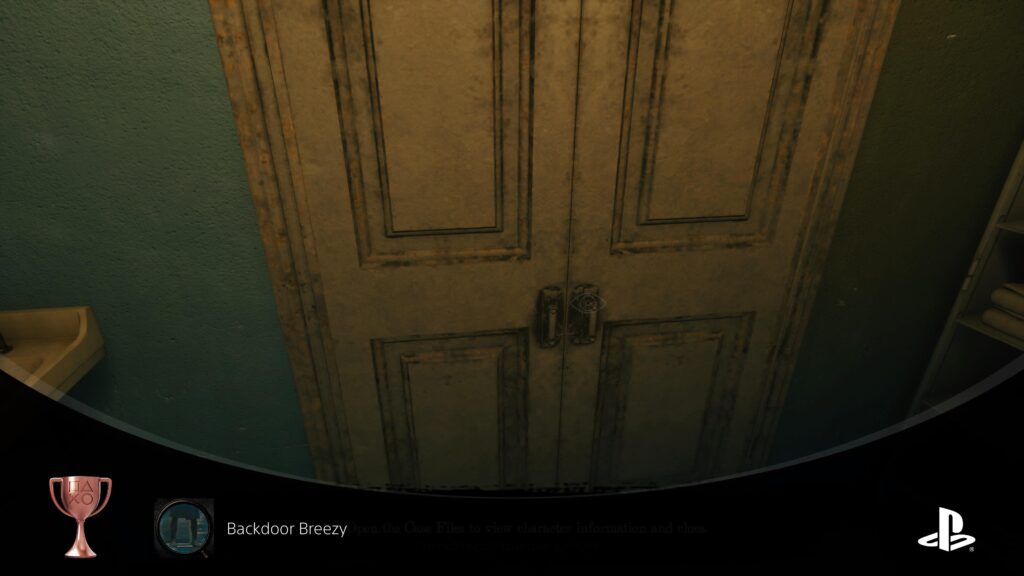
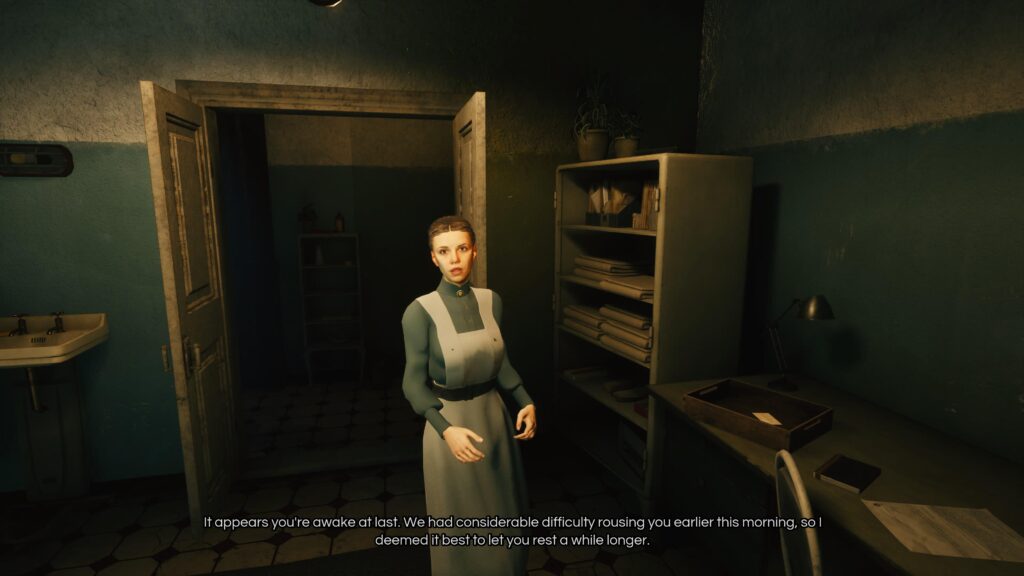
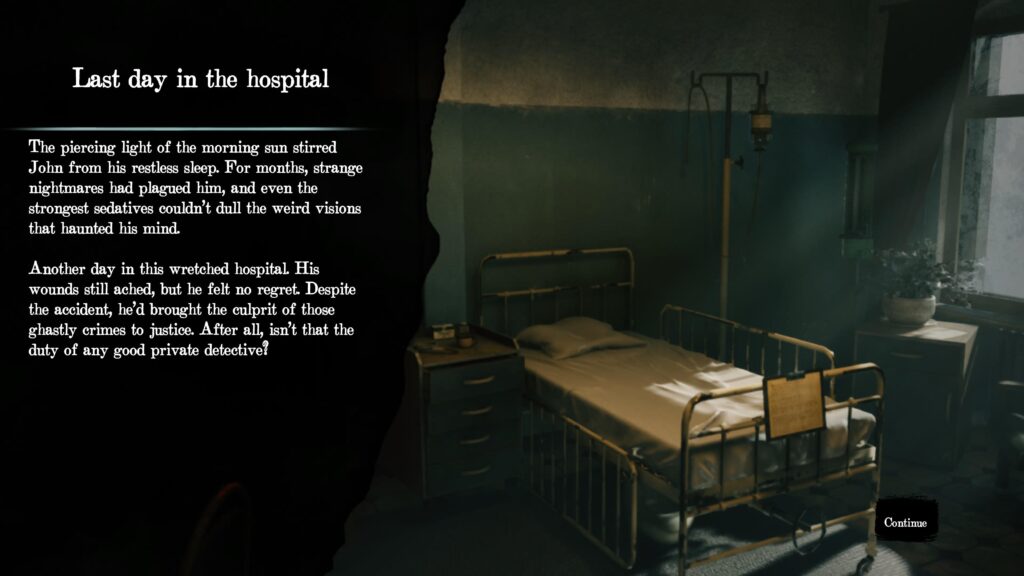
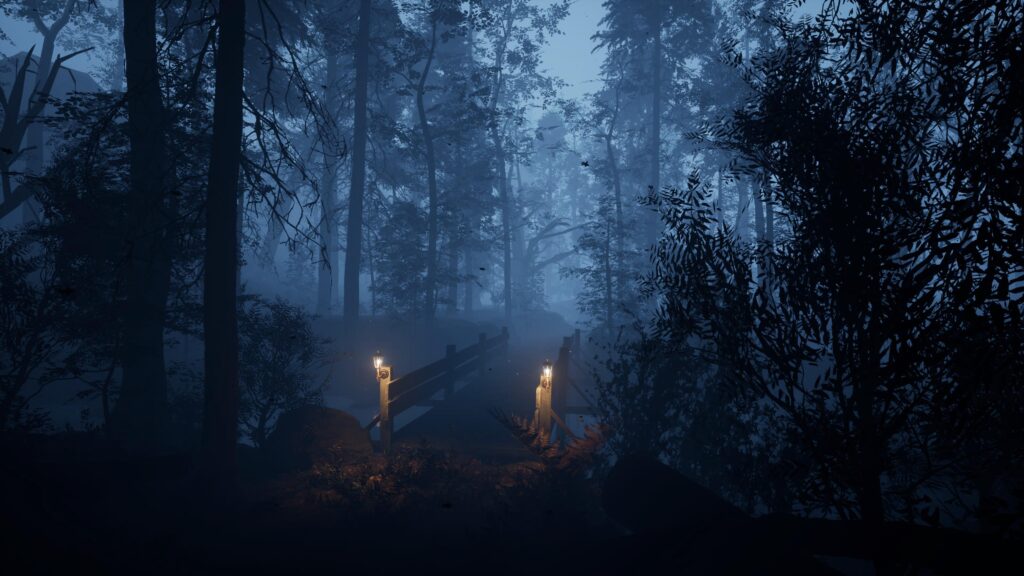
There’s no point in lying here – the game looks low budget. Unity assets are visible, textures are generic, the environment is often repetitive. But… the atmosphere hits the mark.
Light, fog, narrow corridors, abandoned spaces – all of that does the job. It doesn’t look special, but it looks good enough to support the tone of the story. If everything were a bit smoother, a bit more personal, the visual identity would be much stronger.
Audio / sound
Sound is one of the stronger elements of the game. Creaking, distant thuds, strange noises, all create discomfort. The music is subtle, unobtrusive, but knows how to hit the moment.
Voice acting is solid, nothing spectacular, but John's inner monologue works. There are no cringe moments, no disasters, just correct. The audio does exactly what it needs to do – it doesn't save the game, but it definitely helps.
Replay value and additional content
Unfortunately, the replay value is practically non-existent. Once you finish the game, you've seen everything. There are no alternative paths, no different endings that would really change the experience, no reason to return unless you really want to relive the atmosphere.
This is a one-and-done experience. And a short one at that.
Value for money
This is a game that should be purchased with realistic expectations. If you're looking for a deep mystery, detective gameplay, or something on the level of Disco Elysium – no. If you're looking for a short, atmospheric, sincere indie experience with good intentions but weaker execution – then maybe.
The price needs to be moderate. It makes sense on sale. At full price, it's hard.
Final impression
The Last Case of John Morley is a game with soul, but without enough skill to show that soul properly. You feel the effort, you feel the ambition, you feel that the team wants to create something more than just a walk through a horror house. But they lack craftsmanship, they lack subtlety, they lack trust in the player.
I wouldn't recommend it as a mystery. I wouldn't recommend it as noir. But I would remember it as an attempt. And a rather poor one at that.
★★ — Satisfactory
A copy of the PlayStation 5 version of the game for review purposes was provided by the publisher Jandusoft