Three decades later, it's hard to explain how much the Electronic Entertainment Expo – better known as E3 – once meant to the video game industry. Today, gaming news comes daily through livestreams, digital presentations, and social media, but in the mid-nineties, E3 was something entirely different: a place where the future of video games was revealed live to the entire world.
And E3 1996 is remembered as one of the most important events in gaming history.
The gaming industry was at a turning point
The year 1996 was the moment when the industry was transitioning from the 2D era to a completely new 3D future. The Sega Saturn was already on the market, the original PlayStation was starting to win over players worldwide, while Nintendo was preparing its big response – the Nintendo 64.
The battle between companies was brutal, and E3 became a true battlefield.
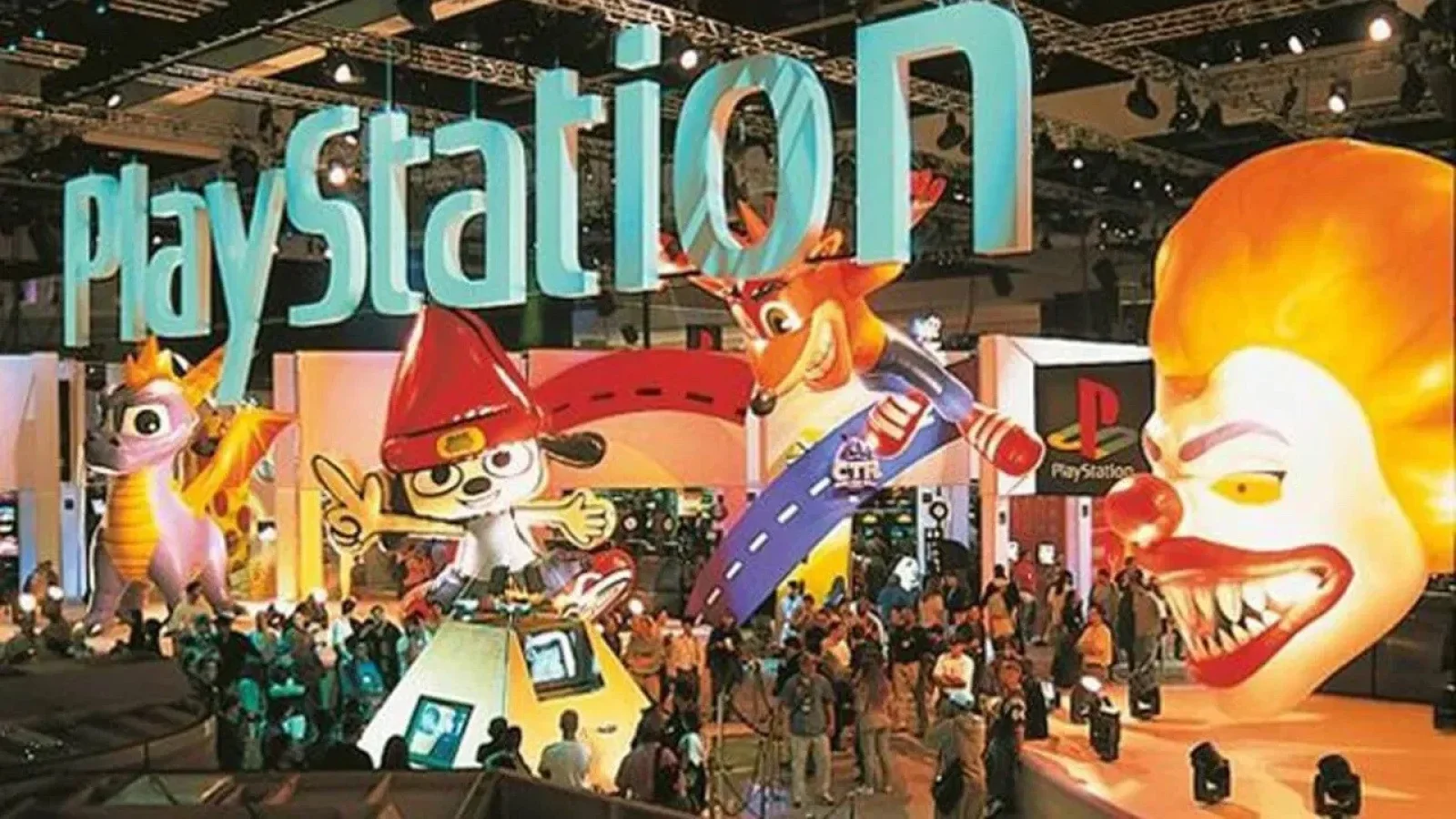
The fair at that time was held in Los Angeles and represented only the second major E3 in history, but even then it was clear that gaming was no longer a small niche industry. Huge booths, lines of visitors, aggressive marketing, and exclusive demonstrations turned E3 into a global spectacle.
Nintendo 64 stole the attention of the entire fair
Although Sony was on a significant rise during this period, E3 1996 will be particularly remembered for the Nintendo 64 console.
It was then that players first seriously saw titles like:
Super Mario 64
The Legend of Zelda: Ocarina of Time (in earlier stages of development)
Wave Race 64
Pilotwings 64
Super Mario 64 particularly resonated. Many journalists and developers later claimed that this demo showed them what 3D games could actually become.
Camera control, free movement through 3D space, and the analog stick felt revolutionary for their time.
Sony showed that it meant business
While Nintendo attracted attention with technological advancements, Sony demonstrated at E3 1996 how the PlayStation was becoming a true dominant force in the industry.
During the fair, numerous titles were showcased that would later define the era:
Resident Evil
Crash Bandicoot
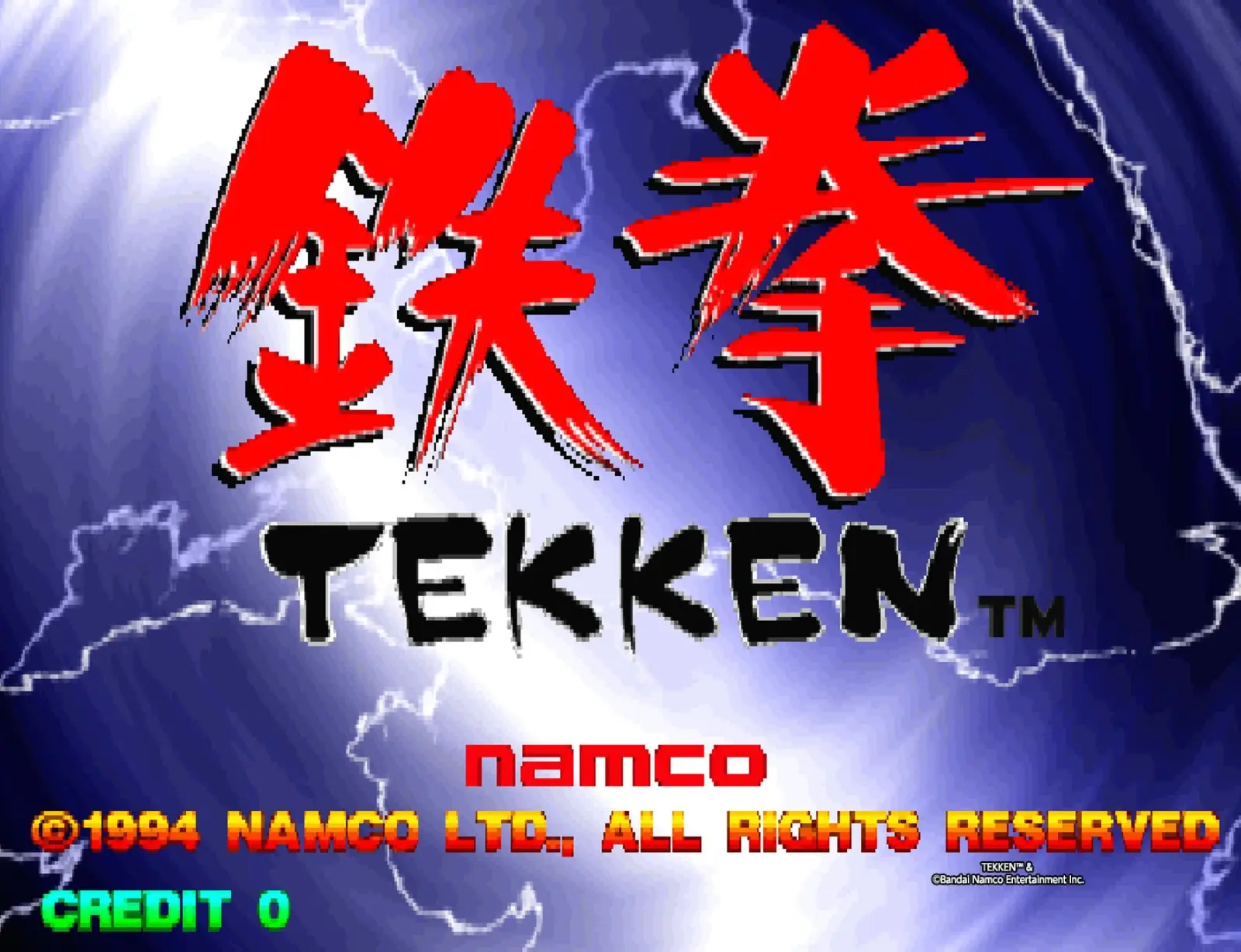
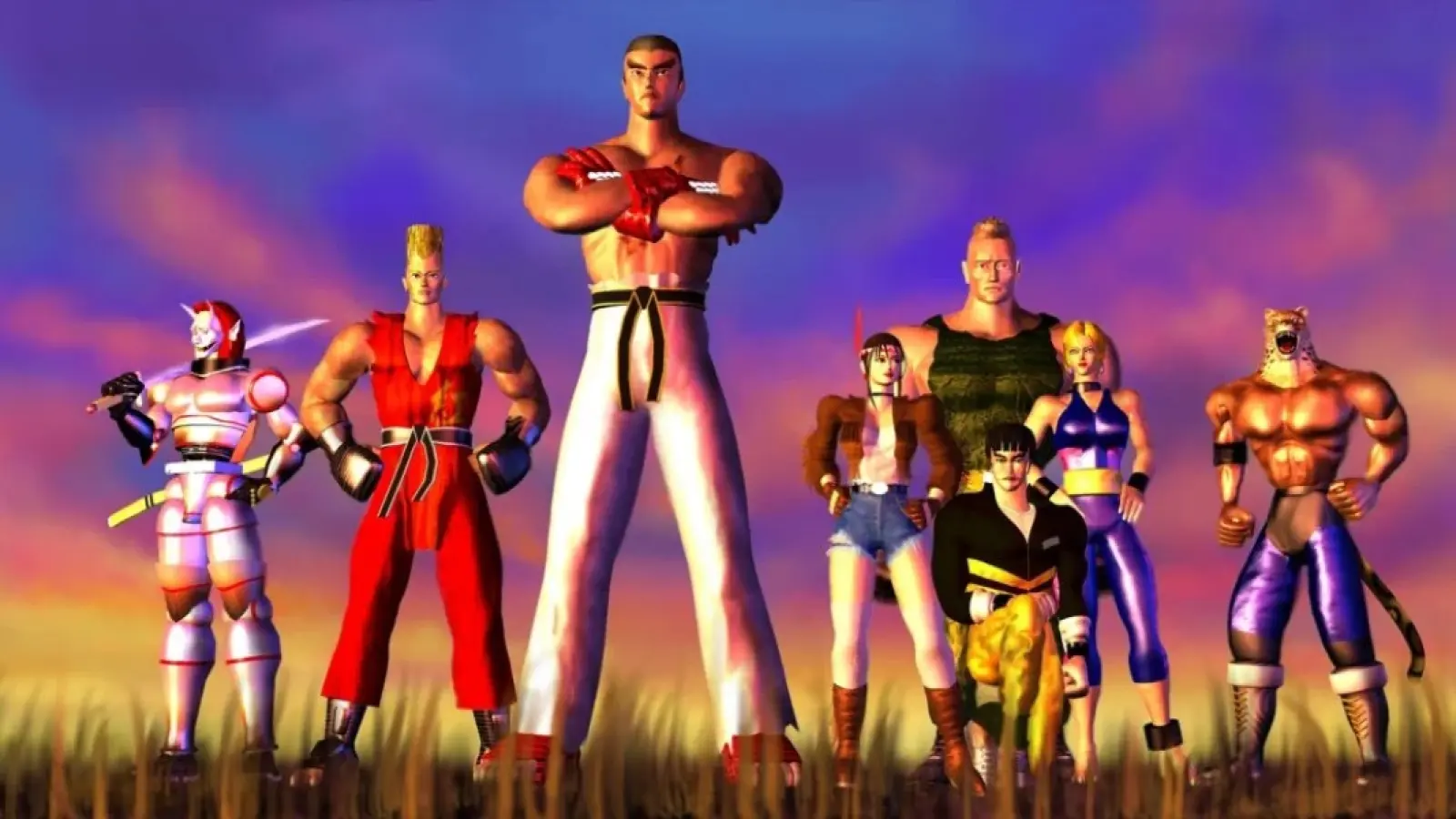
Tekken 2
Tomb Raider
At that moment, it became clear that the PlayStation was no longer an “experiment” but a serious competitor to Nintendo and Sega.
PC gaming was also growing at an incredible pace
Although today E3 is often primarily associated with consoles, E3 1996 was also important for PC gaming.
The PC scene at that time exploded thanks to increasingly powerful 3D hardware and the arrival of new graphics cards. Numerous titles that would mark the late nineties were showcased at the fair:
Quake
Diablo
Command & Conquer: Red Alert
It was then that the significant growth of online multiplayer gaming and the modern FPS genre began.
E3 was more than just an ordinary fair back then
Today, it's hard to convey how much influence E3 had during the nineties and early 2000s.
There were no YouTube trailers, TikToks, or instant posts on social media. If you wanted to see a new game, you often had to wait for gaming magazines or TV shows weeks after the fair.
That's why exclusives from E3 had an almost mythical status.
Photos from Los Angeles circulated the world, and every new trailer or demo became big news.
Thirty years later – the industry looks completely different
Ironically, E3 today practically no longer exists in the form we remember. The fair that once defined the gaming industry has lost its significance with the arrival of digital presentations such as:
Summer Game Fest
Nintendo Direct
State of Play
Xbox Games Showcase
But without E3 in the nineties, the gaming industry today would probably not look the way it does.
And E3 1996 remains one of the key moments when it became clear that video games were no longer just a hobby for a small group of players – but a future global entertainment industry.
-hero.webp)