NTE: Neverness to Everness
✅ Prednosti
- Game idea works despite issues
- Hethereau creates a sense of a living city
- Combat has a more active pace with parry system
- Gacha system has creative elements
- Sense of chaotic freedom in the game
❌ Nedostaci
- Grind becomes a problem after a certain level
- Game pacing can be slow
- Some activities feel like content stretching
- Monetization may trigger allergic reactions
- Minor technical hiccups present
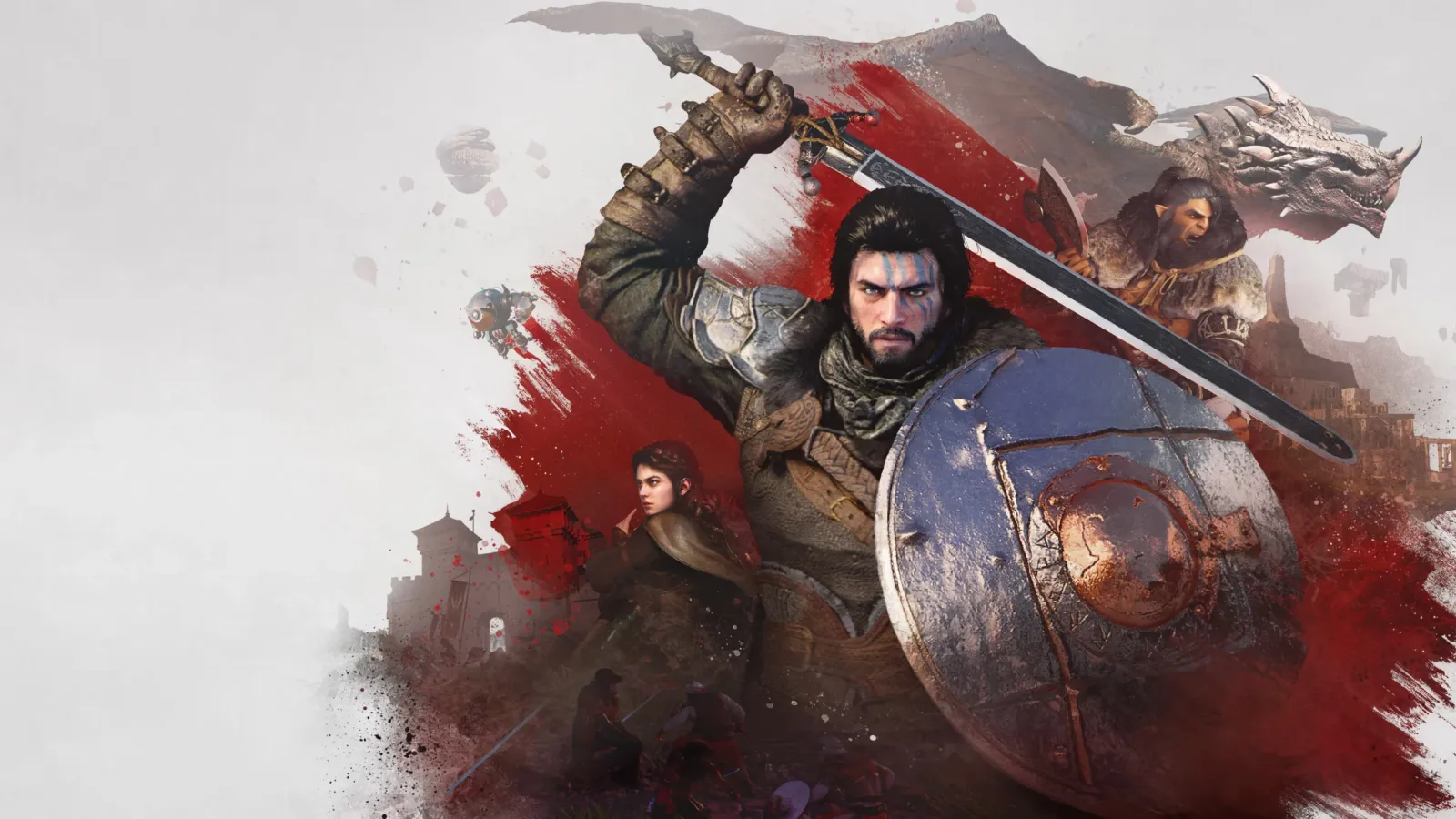
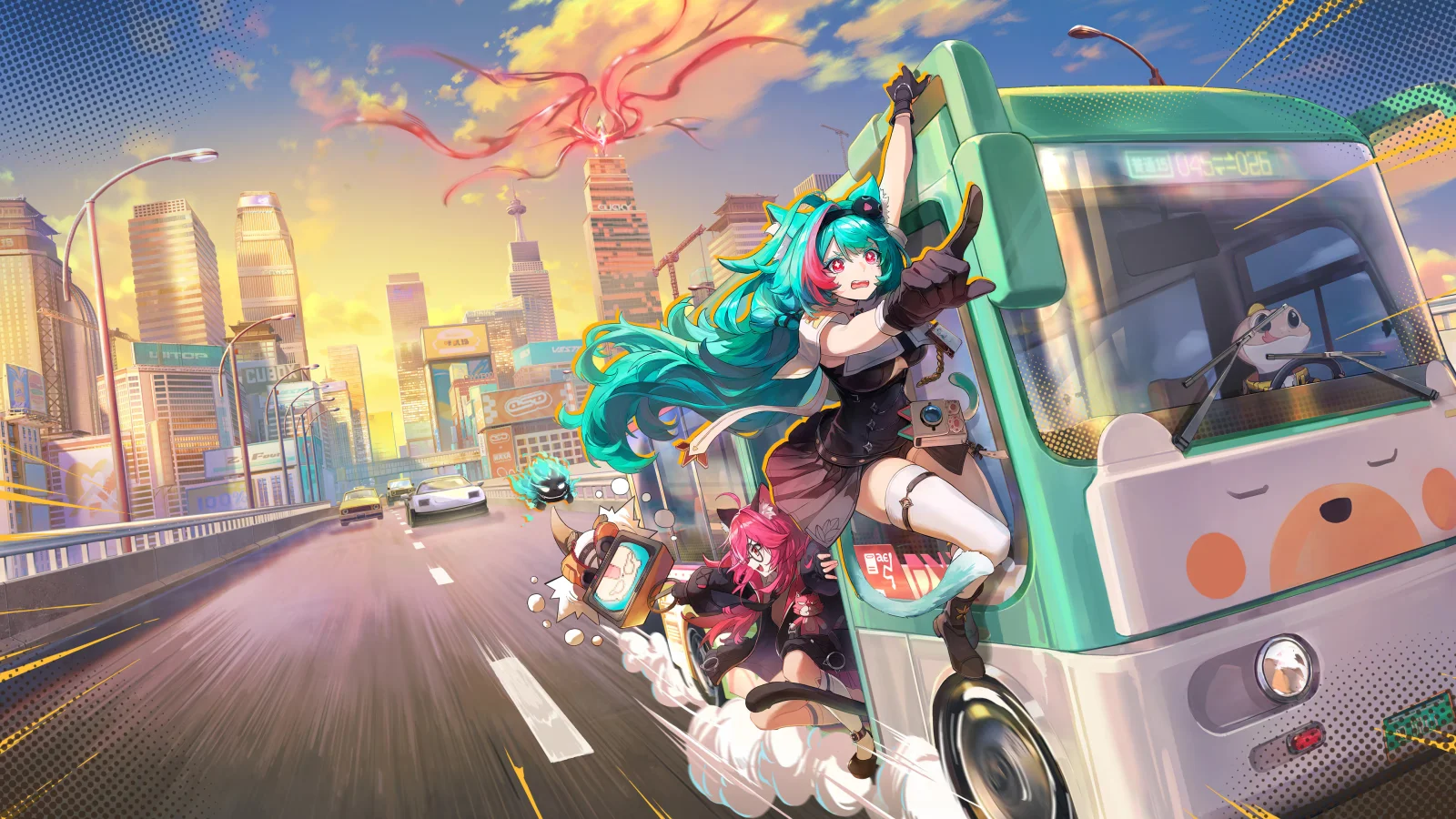
Neverness to Everness looks like a game that someone conceived during a three-day anime marathon while simultaneously playing GTA Online, Genshin Impact, and Persona. And the best part? The idea actually works. Not perfectly. Not without issues. But well enough to completely suck you into its chaotic, neon, paranormal vortex called Hethereau.
Because Hethereau is not just a “city” where the story takes place. Hethereau IS the game.
Of course, there is a main story. There are mysterious anomalies, supernatural occurrences, and a bunch of strange factions trying to give the impression that you are in the middle of an urban fantasy anime. Your character works for Eibon Antiquities, an antique shop that spends more time hunting paranormal oddities than selling old tables. As an Appraiser, you have the ability to see and hear anomalies that normal people cannot perceive, so you quickly find yourself in situations where you are no longer sure if you are exploring the city or the fever dream of some anime writer.
But honestly? After a few hours, you completely forget about the main story.
Because the game constantly throws distractions in front of you.
At one moment you are following a supernatural incident in an abandoned district, the next moment you are fishing to earn enough Fons for a new apartment, and the third you are already decorating your own apartment while the game coldly explains how you can open your own café and turn it into a profitable business.
Yes, Neverness to Everness is one of those games that wants to be a “second life”.
And it is dangerously close to succeeding.
The City Tycoon system is the best example of this. At first, it seems like a charming side activity, but it quickly becomes practically a second layer of the entire game. You buy cafés, invest in them, develop passive income, and unlock new possibilities around the city. Later come the apartments that you can decorate and use as personalized hubs for your characters.
The game constantly tries to create a feeling that Hethereau is not just a map but a place where you “live”.
And that is its greatest success.
The craziest moment? When you realize that an anime gacha JRPG has bank heists.
And not as a small two-minute mini-game. But a real gameplay loop where you enter a supernatural version of a bank, collect valuables, and try to escape before the system punishes you. It’s not as deep as GTA heists, but it gives the game a completely different identity from classic anime JRPGs.
And then comes the grind.
Of course, the grind comes.
The Fons currency becomes a huge problem after a certain level. Everything gets more expensive, the demands increase, and the game very clearly starts pushing you towards slightly repetitive activities. You will either fish for hours. Or run heists. Or both.
That’s the moment when Neverness to Everness shows its true face of the free-to-play model. The game won’t directly hit you with a “pay or leave” wall, but it will make it very clear how much it values your free time.
But the gameplay loop is good enough that the grind doesn’t immediately kill all momentum.
The combat might be the biggest surprise here. At first glance, it seems like just another “switch anime characters and watch explosions of color on the screen” system inspired by Genshin. And yes, the DNA is obvious. Elements, reactions, team synergy – it’s all there. Just under different names.
But NTE still tries to be more active.
The perfect-dodge mechanic and parry system add a dose of more aggressive pacing that forces the player to really pay attention to enemy attacks. When you execute a perfect dodge and immediately counter, the combat finally gains weight. Parry moments can be especially satisfying, especially against stronger opponents who have big attacks that they announce half an hour in advance.
The game even manages to sell the illusion of skill-based combat amidst all the anime chaos of effects and numbers flying across the screen.
Of course, we can't talk about this game without mentioning the gacha system.
Because this is still a gacha game. And it's very aware of that.
Banners are in focus. Cosmetics are everywhere. Costumes, vehicles, gliders, effects… everything screams “spend another roll.” But I must admit that their Fair summoning system at least tries to be more creative than the standard button-clicking.
Instead of the usual opening animation, the summon functions like a small board-game mechanic with dice rolling and moving across spaces. It's not revolutionary, but it at least gives a bit of personality to a system that is identical in most gacha games.
The pity system of 90 rolls is relatively fair by today's standards, but the game still knows very well how to keep you psychologically hooked. Especially when time-limited banners start throwing exclusive outfits and cosmetics that “you might never see again.”
Classic gacha manipulation. Just wrapped in very nice anime paper.
However, the greatest strength of Neverness to Everness is not the combat, nor the gacha, nor the supernatural story.
The greatest strength is the feeling of chaotic freedom.
This is a game that constantly tries to give you one more activity. One more reason to keep playing. One more “just this.” And before you realize what's happening, four hours have passed while you were decorating your apartment, fishing, and beating paranormal monsters on neon streets.
Of course, the game is not without its problems. The pacing can be slow. The grind is overly aggressive. Some activities feel like artificial content extension. And the monetization will trigger an allergic reaction in many right away. There are also minor technical hiccups, which I believe will be fixed in the coming weeks. After all, the game has just been released.
But it's hard to ignore how ambitious NTE is as a project.
Because most free-to-play games today try to copy the same recipe. Neverness to Everness at least tries to inject enough crazy ideas to feel like something of its own. And that's why it leaves a much stronger impression than anyone would expect after the first trailer.
This is not just another Genshin clone.
It's too weird for that.
And that's exactly why it could become a serious hit.