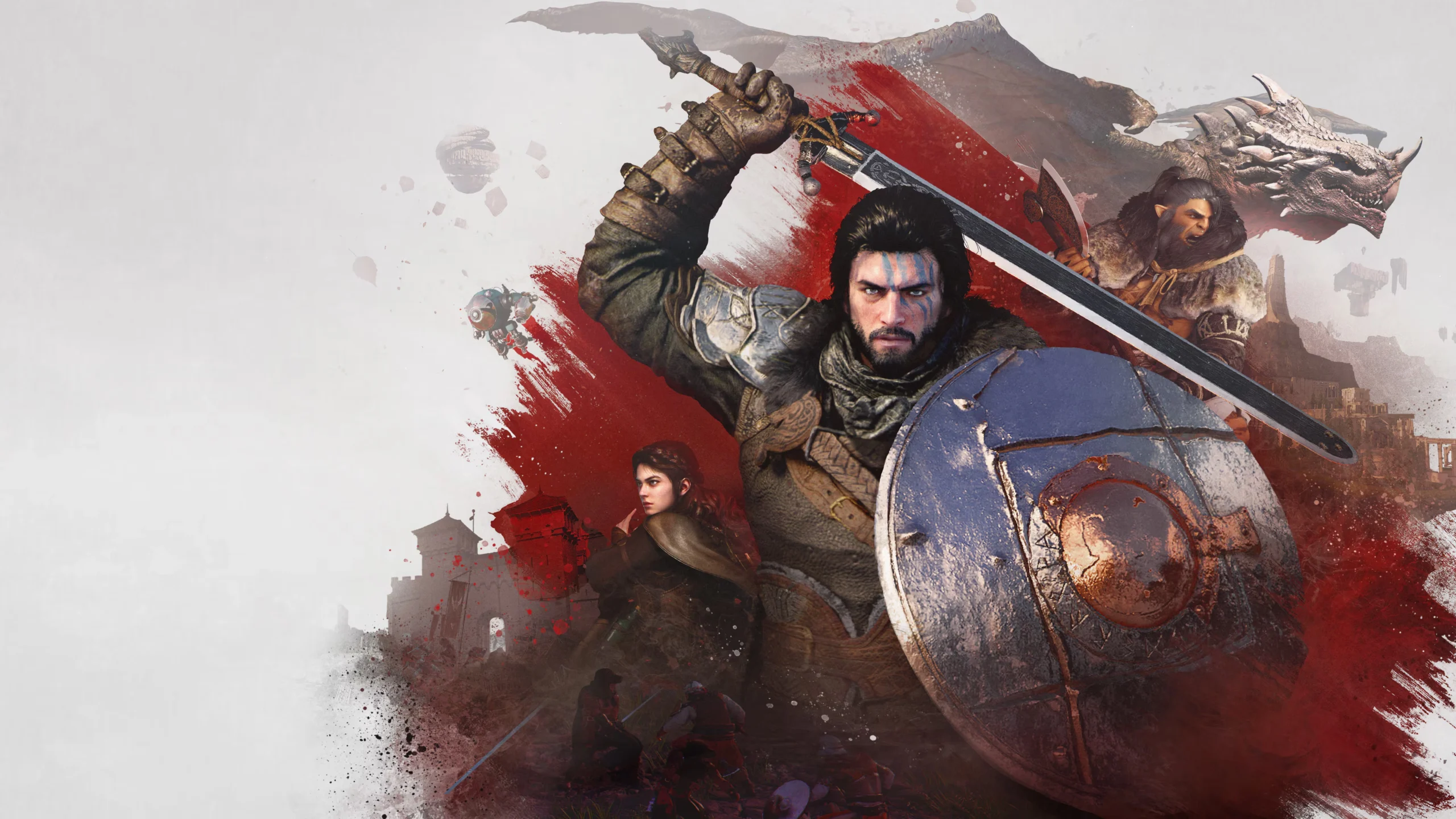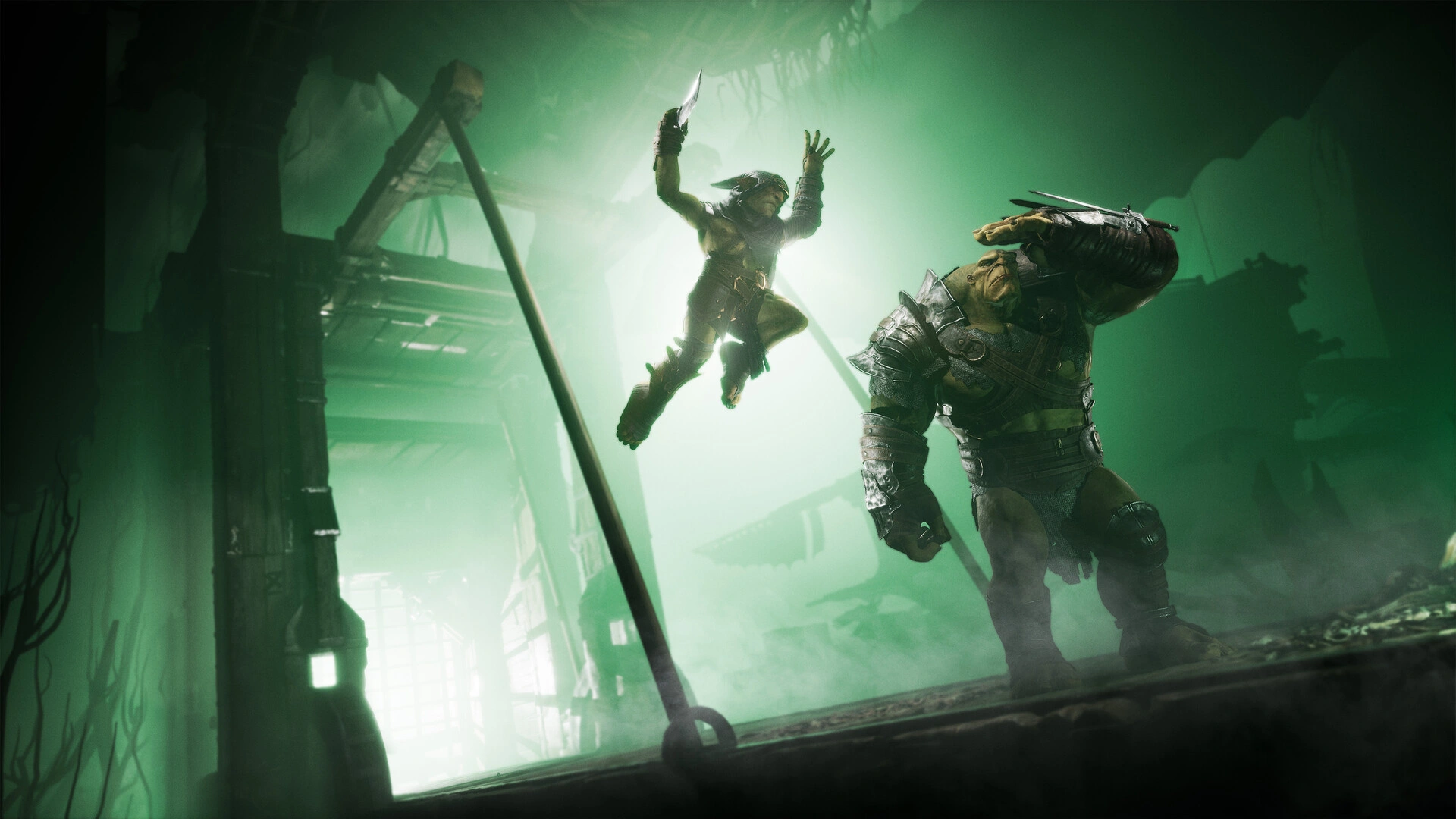
Styx: Blades of Greed is an ambitious and content-rich continuation of the series behind Cyanide Studio, which seeks to expand the well-known stealth formula to a more modern, open and technically demanding framework. It is a game that clearly shows the development ambitions of the studio, but also reveals the limits of its own performance, so the final impression is formed precisely through the constant tension between its strengths and noticeable weaknesses.
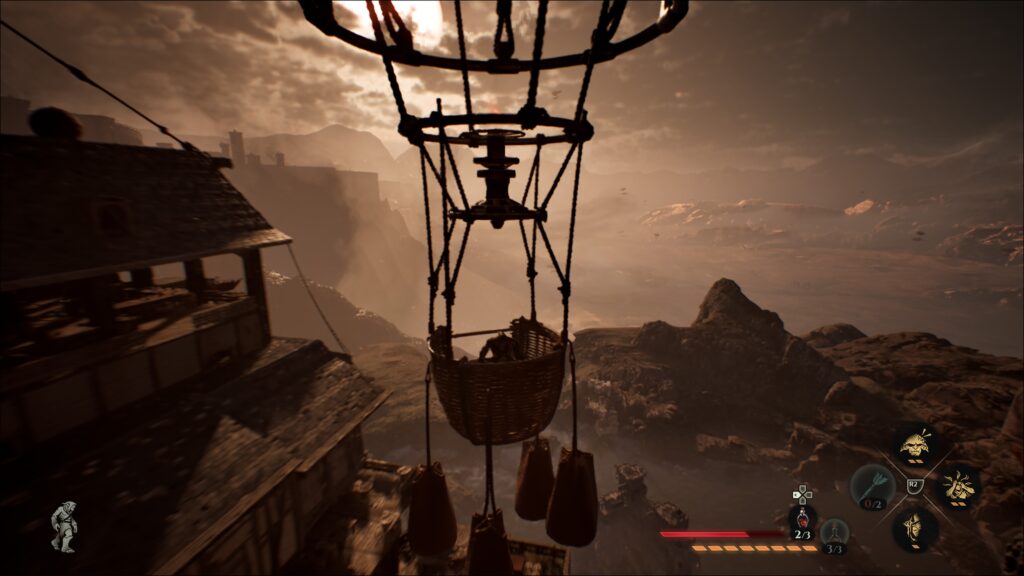
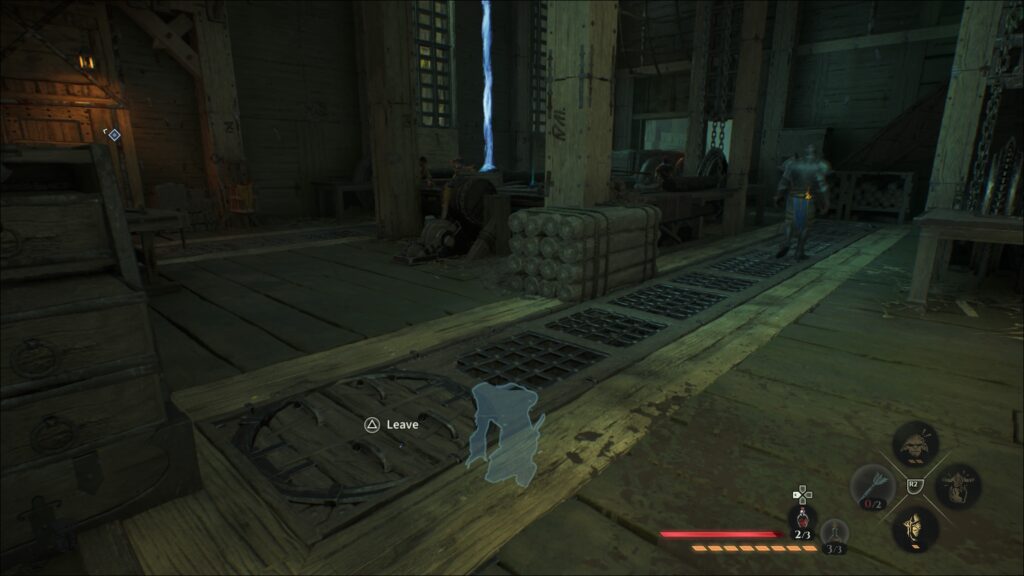
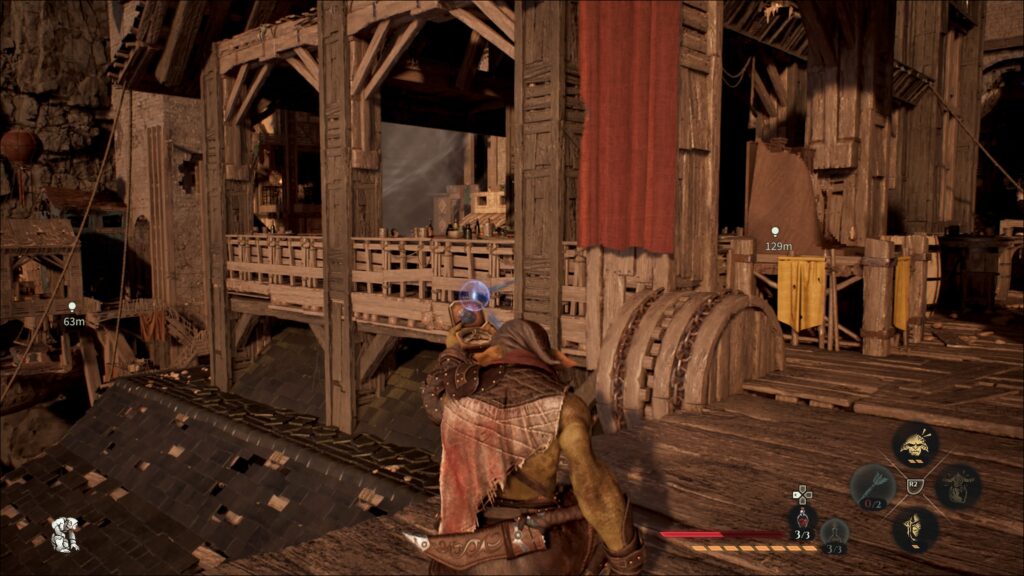
The basis of the entire experience is still stealth, but now located in semi-open zones that offer significantly greater freedom of movement and planning. The verticality of the space is one of the greatest qualities of the game as it allows for a multi-layered approach to objectives, encouraging the player to think of a route, observe enemy patterns and use the environment as a key survival tool. The gameplay at its core is smooth and intuitive; the controls are precise and the ability system is designed to reward creativity and patience. Each successful infiltration brings a strong sense of achievement, especially when the mission is completed without raising the alarm. It is in these moments that the game shows its full potential, while the combination of level design and mechanics creates the impression of a thoughtful and mature production.
However, this same width of space sometimes causes a dilution of the pace. Certain missions seem drawn out, and going back through already explored parts of the world does not always bring enough new elements to maintain the initial intensity. The freedom of access, although welcome, sometimes results in a lack of clear direction, which can confuse players who prefer a more structured course of action. Navigation through complex, multi-layered locations is not always as intuitive, so there are moments when exploration turns into unnecessary wandering.
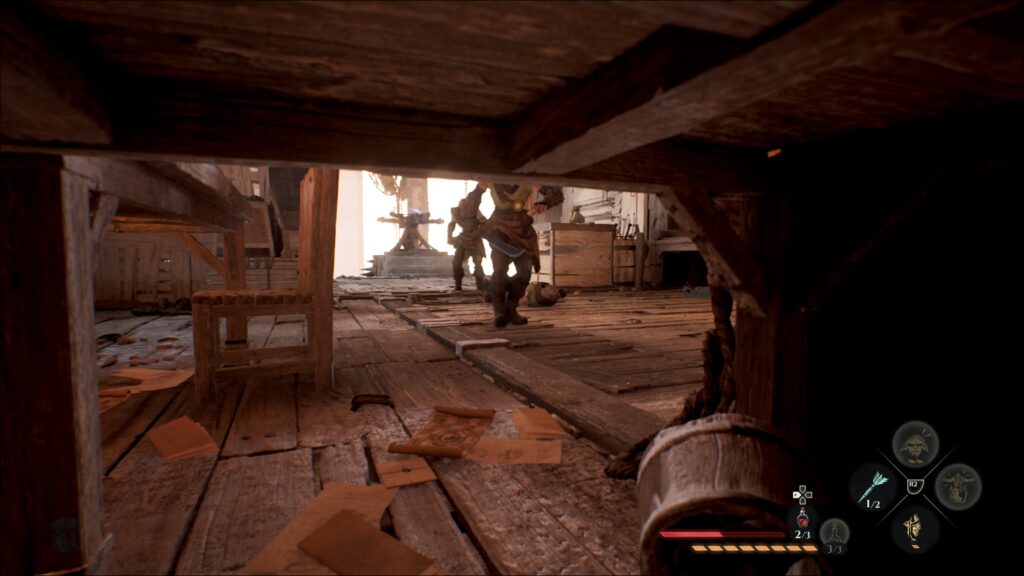
Difficulty balance is generally set fairly as the game clearly communicates that Styx is not a character for head-on confrontations. Its vulnerability forces the player to think tactically and plan carefully. The quick save system encourages experimentation and reduces the frustration of repeating large parts of the mission. However, enemy AI is not always consistent. In some situations, it reacts extremely sensitively and almost instantly detects the slightest mistake, while in other cases it shows slowness or illogical patterns of behavior. Such unevenness can create a sense of unfairness, especially when the failure is due to technical uncertainty rather than poor player judgment.
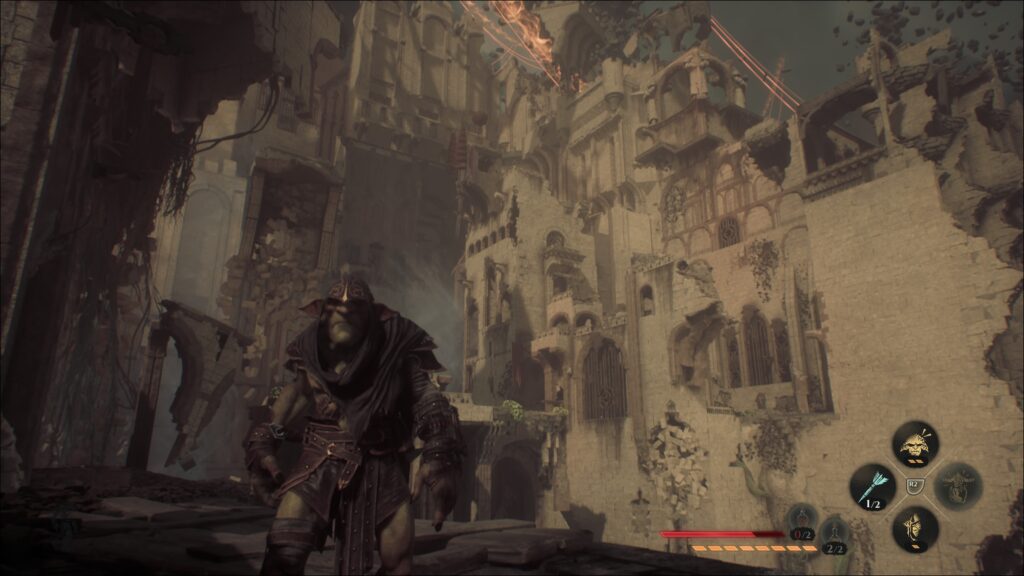
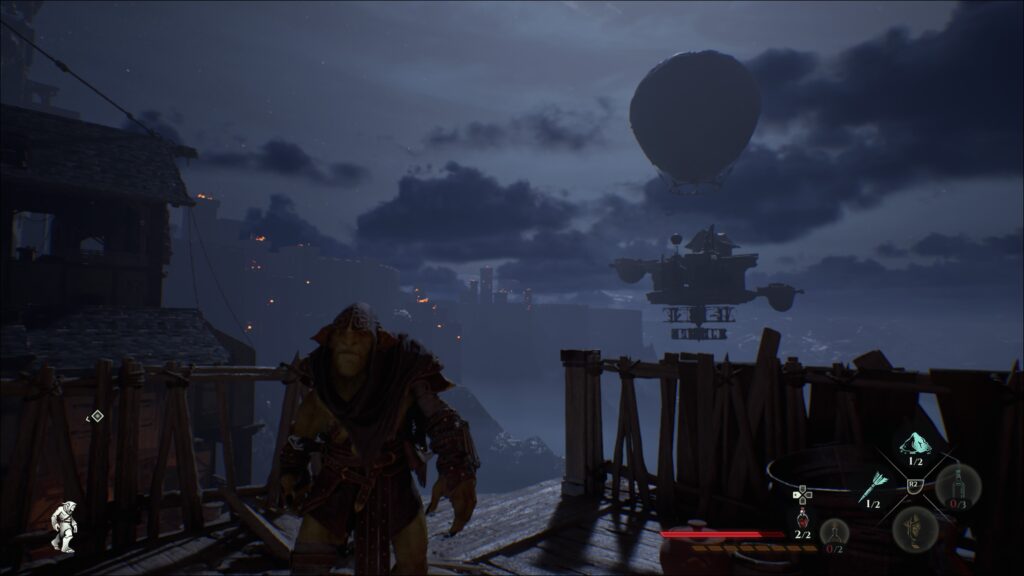
Visually, the game leaves a strong impression. The environments are detailed, rich in atmosphere and thematically diverse, from monumental fortifications to dark underground passageways. The art style successfully retains the dark fantasy aesthetic of the series, while the modern technical performance allows for a high level of detail and impressive lighting. However, the technical performance is not completely stable. Occasional drops in performance, small animation errors and imprecise collisions remind us that ambition is not always fully accompanied by optimization. In a genre that relies on system precision and reliability, such failures have a more pronounced impact than in open-ended action titles.
Narratively, the game offers an intriguing premise set in a world of political intrigue, conflicts of interest and power struggles. Styx remains true to its cynical and pragmatic character, which sets a distinctive tone for the entire adventure. The story is more ambitious than in the previous installments and tries to deepen the world through background motives and factional relations. However, the emotional power of certain moments does not always reach the level set by the premise itself. Secondary characters remain insufficiently developed, and some plots are resolved without a deeper exploration of the consequences. The world is believable and consistent, but the storytelling occasionally loses focus, which detracts from the overall narrative impression.
The audio segment correctly follows the visual identity of the game. The soundtrack discreetly emphasizes the tension and sense of danger, while the sound effects play an important functional role in the stealth mechanics. The voice acting remains consistent with the tone of the world and the character of the protagonist, although it doesn't leave a particularly strong impression. On the whole, the soundstage successfully supports the atmosphere, but does not represent an element that significantly raises the game above the genre average.
The progression system offers a solid sense of character development, but doesn't always yield equally useful upgrades. While some abilities significantly change the approach to gameplay, others remain situationally limited, creating a slight imbalance in their practical value. The possibility of different approaches to the missions encourages replayability, but the absence of significant variations in the endings and the wider outcome of the story reduces the long-term motivation for multiple crossings.
Ultimately, Styx: Blades of Greed leaves the impression of a quality, but not flawless, game. Its greatest strengths lie in elaborate level design, emphasized verticality, and a satisfying sense of tactical success, while its greatest weaknesses are visible in technical unevenness, oscillations in balance, and an insufficiently strong narrative culmination. It's a title that will provide hours of thought-out and tense gameplay for fans of the stealth genre, but at the same time it clearly shows that ambition sometimes trumps performance.
3.5/5
A copy of the PlayStation 5 version of the game was provided by distributor Colby
for review purposes