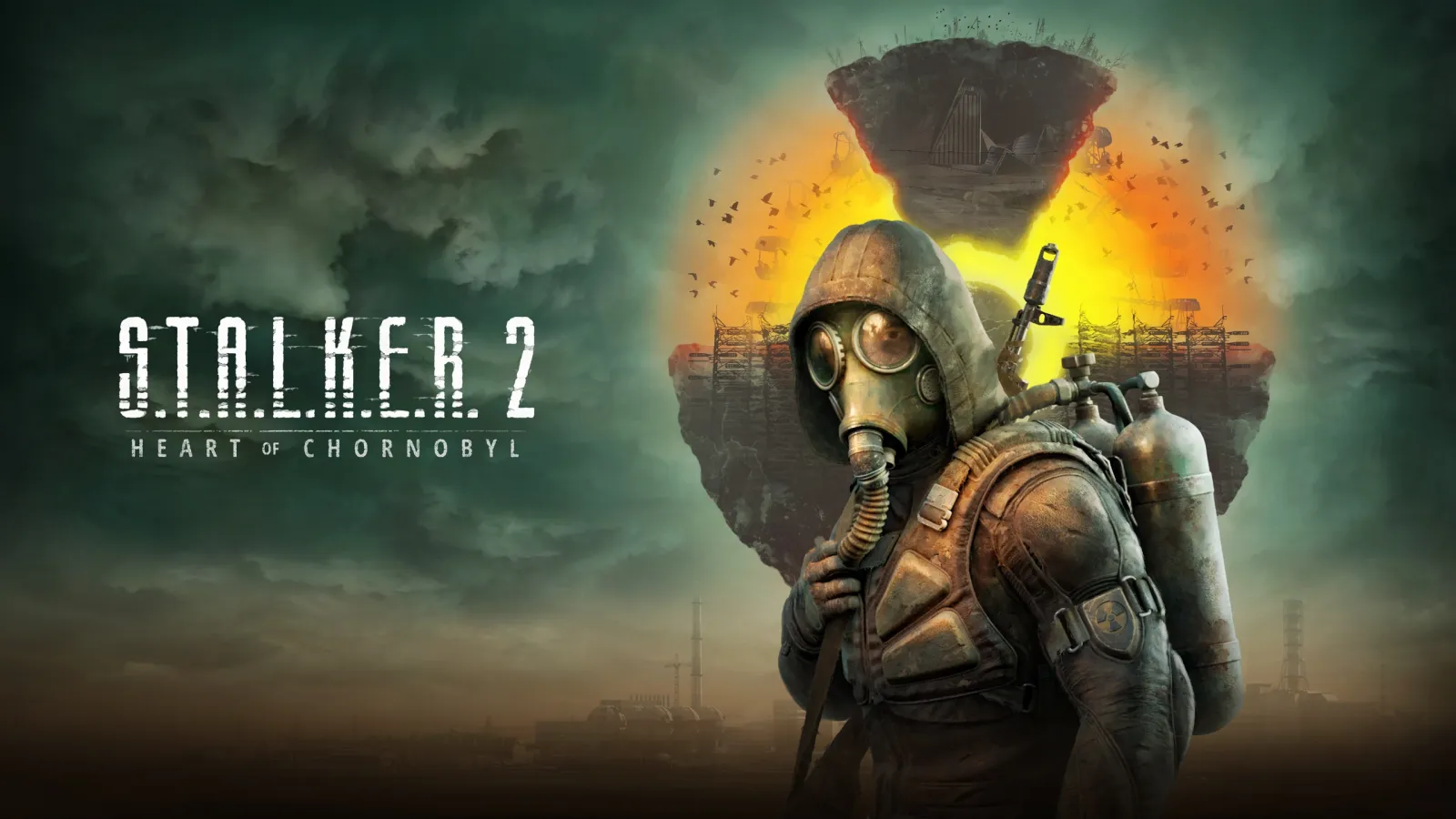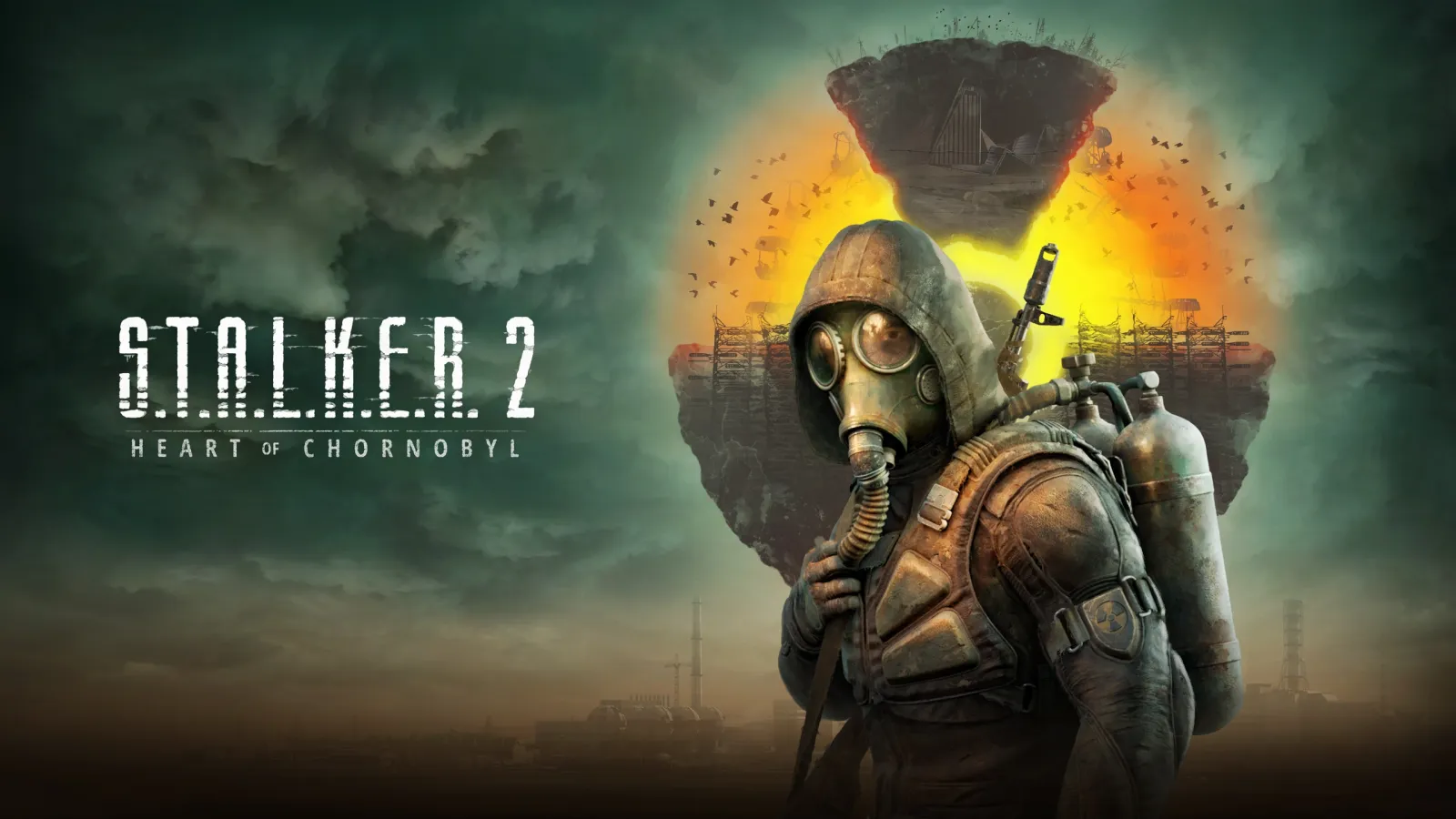
S.T.A.L.K.E.R. 2: Heart of Chornobyl
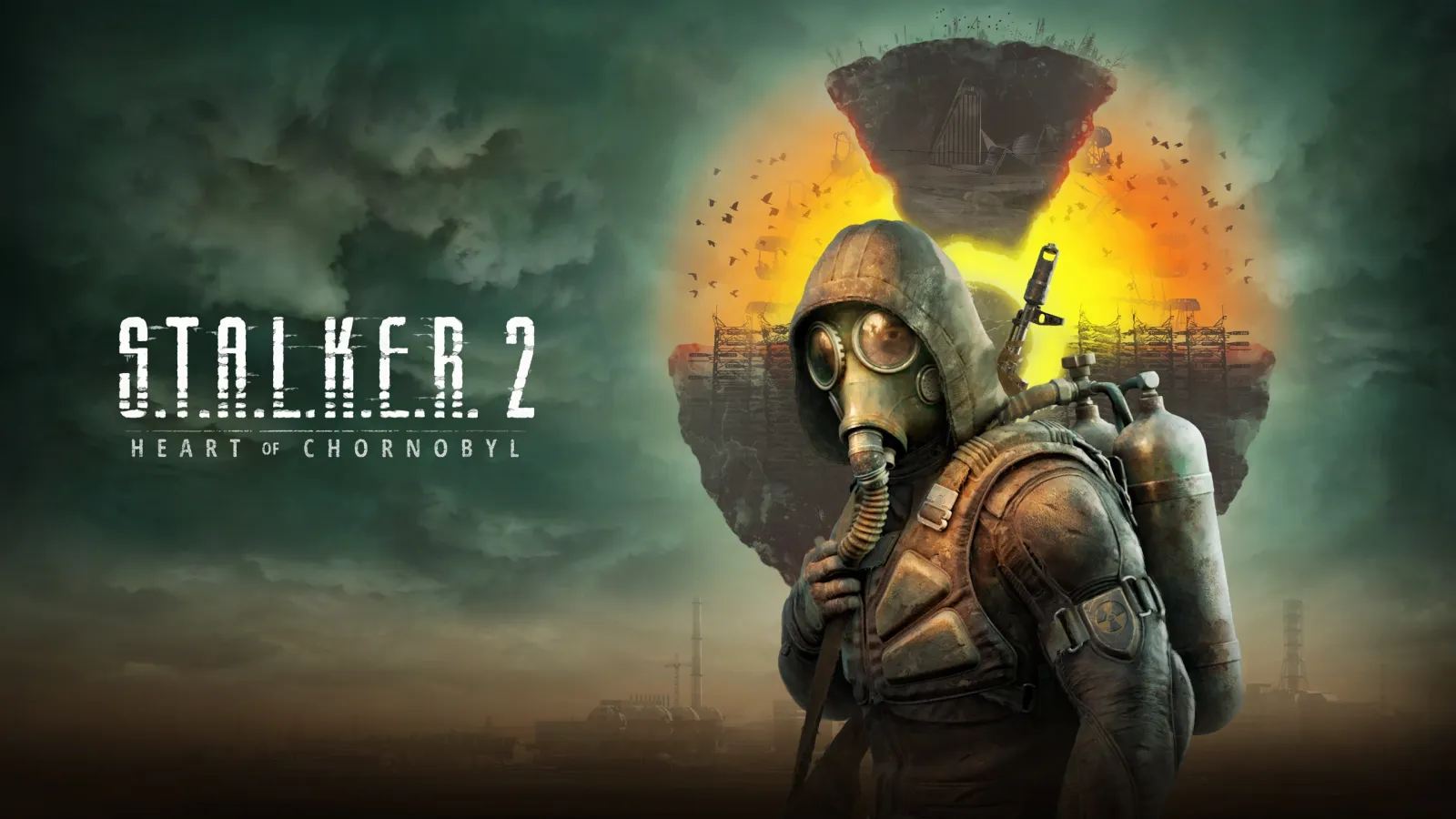
S.T.A.L.K.E.R. 2: Heart of Chornobyl je dugoočekivani nastavak serijala, kojim ukrajinski studio GSC Game World nastavlja svoju viziju mračnog, opasnog i nepredvidivog svijeta Černobilske Zone. Igra objedinjuje pucačinu iz prvog lica, elemente preživljavanja i istraživanja otvorenog svijeta, dajući igraču osjećaj da je svaki korak u Zoni rizik ali i prilika. Radnja prati Stalkera po imenu Skif, koji se vraća u Zonu nakon što je pogođen događajima koji mijenjaju njegov život. Njeg dom biva uništen eksplozijom, ostavljajući iza sebe artefakt koji neće dopustiti da sve ostane po starom. Skif kreće u Zonu kako bi otkrio istinu o napadu, povratio artefakt i saznao tko je odgovoran. No Zona nije samo devastirano područje, ona je ozbiljna prijetnja, nepredvidiva sila prepuna anomalija, mutanata i ljudi s različitim motivima. U tom kontekstu, on se susreće s frakcijama, od znanstvenika do vojski i fanatika i mora donositi teške odluke koje oblikuju njegov put. Priča ujedno istražuje teme moći, eksploatacije, etike znanosti, ali i ljudske ranjivosti. Uzoni je svaka odluka važna, a preživljavanje nije zajamčeno. S.T.A.L.K.E.R. 2: Heart of Chornobyl" za PlayStation 5 predstavlja trenutno najzreliju i tehnički najrazvijeniju verziju igre, koja je po izlasku na Sonyjevoj konzoli privukla veliku pažnju zbog impresivne atmosfere, dubokog gameplaya i upotrebe next-gen tehnologija.
Razvojni studio: GSC Game World
Izdavač: GSC Game World
Platforme: PC, Xbox Series X/S, PlayStation 5
Datum izlaska: 20. studenoga 2024. za PC i Xbox Series X/S, 20. studenoga 2025. za PlayStation 5
Platforma na kojoj je igra testirana: PlayStation 5
Početna cijena: 59,99 eura
Gameplay / mehanika
https://youtu.be/4q5ba5wqwOoS.T.A.L.K.E.R. 2 kombinira FPS mehanike s jakim survival elementima i simulacijskom strukturom Zone. Igra je vrlo “teška” u smislu menadžiranja resursa: moraš paziti na glad, zračenje, težinu inventara, stanje oružja. Inventori i resurs menadžment daju veliki osjećaj rizika i odgovornosti, što pojačava uranjanje u opasnosti zone. Mehanike anomalija je vrlo klasična za STALKER serijal: bacanje vijaka da se provjere granice anomalija, pronalaženje artefakata (koji mogu imati korisne, ali i štetne efekte) je nagrađujuće. Na PlayStation 5 verziji, performanse su prilično glatke: čak u gustim područjima sa mnogo akcije, igra pruža solidno iskustvo. Mehanika borbe je “taktična i napeta”: oružje ima “težinu”, resursi nisu beskrajni, pa su sukobi često stvar planiranja, a ne samo trčanja i pucanja. AI neprijatelja i NPC frakcije djeluju dinamično u svijetu. Igrači susreću mutante, bandite i frakcije znanstvenika ili militanata, a tu je i stalna prijetnja emisija, smrtonosnih oluja u Zoni, koje igrač mora preživjeti tako da pronađe zaklon. Ukratko, gameplay je vrlo dubok, pun slojeva i zahtjeva strpljenje, nije pucačina samo za opuštanje, nego se osjeća kao survival / immersivni FPS. Mehanika je intuitivna za igrače koji vole kompleksnije igre, “teče” dobro na PS5 (nakon patchanja). Velika prednost je što gameplay osjeća stvarnu težinu i opasnost. Veliki plus su kvalitetno osmišljeni side questovi i sloboda istraživanja koje potiču na višesatno provodjenje u igri.
Izazov / balans
Što se tiče izazova, S.T.A.L.K.E.R. 2 vrlo jasno želi biti pravedan, ali ne popušta: opasnosti su stvarne a neprijatelji i okoliš postavljaju visoke zahtjeve. Master težina donosi “prave uloge” susreti su zahtjevniji, a pogreške skuplje. S druge strane, igra ponekad pati od pomirenja dviju vizija: hardcore survival simulacije i “lakšeg” FPS-elementa, što znači da balans nije uvijek savršeno izbrušen. Težina je općenito pravedna i donosi izazov, ali balans varira.
Priča / naracija
Radnja igre prati Yevhena "Skif" Martynenka, povratnika u zonu čiji je dom pogođen anomalijom, što pokreće veliki zaplet. Postoji nekoliko frakcija (Ward, Spark, Noontide), svaka sa svojim motivacijama, što daje mogućnost različitih izbora i završetaka. Priča nije linearna “ratnička” pucačina, dosta se temelji na istraživanju, otkrivanju povijesti Zone i frakcijskih filozofija. Naracija je suptilna, često se prožima kroz okoliš i fragmente dijaloga, a ne kroz velike, klišeizirane filmske scene. Ponekad likovi i motivacije nisu dovoljno jasni, može biti prilično konfuzno pratiti frakcije, tko je tko, što želi. Neki sporedni zadaci nisu dovoljno duboki i djeluju kao “punilo”, što donekle umanjuje emocionalni utjecaj. S druge strane, likovi poput Scara, Ward zapovjednika ili “Doc-a” (vezanog uz starije igre) donose zanimljive konflikte, što pomaže priči da ima težinu i autentičnost. Priča je emocionalno složena i nosi težinu frakcijskih sukoba i osobnih dilema. Nije savršeno jasno ispričana u svakom trenutku, ali nudi dovoljno dubine i više završetaka da bude zadovoljavajuća za one koji žele istraživati.
Originalnost / svježina ideja
S.T.A.L.K.E.R. svijet je sam po sebi vrlo specifičan: post-apokaliptična zona prepun anomalija, artefakata i neprijateljskih frakcija. U 2025. ovo je još uvijek prilično jedinstven koncept u AAA igrama, pogotovo s toliko simulacijskih i survival elemenata. S.T.A.L.K.E.R. 2 je “vraćanje stare škole” i predstavlja drugačiji, starinski dizajn koji moderni open-world često izostavlja. Integracija mehanika anomalija, artefakata koji imaju različite efekte, te težina upravljanja opremom, nije novost u STALKER serijalu, ali u modernom kontekstu (UE5, velik otvoreni svijet) dobiva novi život. Također, kombinacija elemenata FPS-a, simula- cije i horora, te složene frakcijske politike, daje igri svjež osjećaj dok donosi klasično-jedinstvene koncepte. Igra unosi svježinu u modernu scenu kroz povratak starijoj filozofiji dizajna, miješajući klasične STALKER ideje s novim tehničkim i narativnim pristupima.
Simulacija / uvjerljivost svijeta
Zona je predstavljena vrlo uvjerljivo: NPC frakcije se međusobno sukobljavaju, okoliš reagira na igrača, anomalije su opasne i nepredvidive. Živopisni detalji, mijenjanje vremena, dinamičke vremenske prilike, zvukovi udaljenog oružja, sve to doprinosi da zona “živi”. A-Life sustav (sistem dinamičkog ponašanja NPC-a) je značajan dio ove uvjerljivosti: NPC-i patroliraju, imaju međusobne sukobe, reagiraju na artefakte i anomalije. Međutim, postoje neki bugovi u A-Life sustavu, teleportiranja likova, clipping tijela, što narušava iluziju živog svijeta. Također mapa je ogromna, ali dijelovi su “prazni” , neki prostori nisu dovoljno popunjeni aktivnostima, što smanjuje osjećaj stalnog “života”. Unatoč tim nedostacima, svijet se generalno osjeća većim nego samo pucački teren, istraživanje je nagrađeno, ali je i opasno, a dizajn zone donosi puno uvjerljivih elemenata preživljavanja i interakcije. Simulacija Zone je snažna i uvjerljiva u mnogim aspektima. Dizajn svijeta je dovoljno robustan da većini igrača pruži duboko i uronjeno iskustvo.
Vizualni dojam
Detalji okoliša, atmosfersko osvjetljenje, čestice, vremenski efekti su vrlo impresivni. Na otvorenim područjima Zona izgleda ogromno i živo: magla, mrtviste močvara, zapuštene konstrukcije, sve je vrlo vizualno upečatljivo. Unutrašnjosti zgrada ponekad nemaju istu razinu detalja kao eksterijeri: teksture su ponegdje “mekše”, a nekad predmeti nisu toliko visoke rezolucije kao vanjski pejzaži. Performanse na PS5 su poboljšane u odnosu na inicijalne verzije, a u modovima kvalitete / performansi igra balansira vizualnu ljepotu i fluidnost. Također, vizualne anomalije i efekti artefakata su izvedeni vrlo efektno, što doprinosi osjećaju opasnosti i čarobnosti Zone. Igra izgleda vrlo atraktivno i tehnički moćno na PlayStationu 5, iako nisu svi dijelovi svijeta podjednako detaljno izrađeni. Vizualna estetika doprinosi atmosferi Zone i čini istraživanje zadovoljavajućim.
Audio / zvuk
Zvuk u S.T.A.L.K.E.R. 2 je jedan od najjačih elemenata. Ambijentalni zvukovi, udaljeni urlik mutanata, šum zračenja, huk vjetra, doprinose vrlo napetoj atmosferi. Glasovna gluma nije savršena, ali je solidna. Muzika je suptilna, koristi se racionalno, bez pretjeranog forsiranja, što pomaže da audio ostane mračan i uronjen u tajanstvenu zonu. Ponekad dolazi do glitch-eva u audio-dijalozima, te su neki NPC dijalozi repetitivni ili zvuče “plosnato”. Audio dizajn je vrlo immersivan i atmosferski, zvukovi, glazba i reakcije kroz kontroler dizajnirani su da te stave u stalni osjećaj nelagode i opreza. Manji problemi postoje, ali ukupni dojam je vrlo jak.
Replay value i dodatni sadržaj
Replay vrijednost je prilično visoka. Igra nudi više završetaka ovisno o tvojim odabirima. Frakcijske odluke (Ward, Spark, Noontide) utječu na kraj Zone. Također, otvoreni svijet je velik i potiče istraživanje. Skriveni stash-evi, artefakti, anomalije i zadaci pružaju poticaj za ponovo igranje, side misije i eksperimentalni pristupi (manipuliranje anomalijama, taktike frakcija) donose varijaciju. Nakon određenog napretka motivacija za istraživanje može opasti, kada već imaš dobar arsenal i opremu, izlet u opasne zone može biti manje potreban. Replay vrijednost je solidna zahvaljujući frakcijskim izborima, velikom svijetu i mnogobrojnim zadacima. Nije bez mana, ali pruža dovoljne poticaje za ponovna igranja, osobito za ljubitelje STALKER stila. Što se tiče DLC-a, trenuto ga nema no najavljen je jedan za 2026 godinu.
Vrijednost za novac
Da bismo ocijenili vrijednost za novac, treba sagledati sve gore navedene aspekte. Prednosti koje doprinose visokoj vrijednosti: Veliki, atmosferski, dinamičan otvoreni svijet, puno sadržaja za istraživanje. Duboka mehanika preživljavanja, svako putovanje u zonu osjeća važno. Više završetaka,ne igraš “samo jednom i gotovo”. Audio i vizualna izvedba, stvaraju dojam visoke produkcijske vrijednosti. Ograničenja koja mogu smanjiti osjećaj vrijednosti: Tehnički bugovi (kojih i nema realno puno na ps5 verziji) mogu umanjiti užitak kod nekih igrača. Prazniji dijelovi mape ako te istraživanje manje motivira, možda nećeš iskoristiti sav potencijal. Preživljavanje nije za svakoga, mehanike upravljanja resursima, težine mogu odbiti igrače koji preferiraju brži, akcijom vođen gameplay. Sve u svemu, za igrače koji cijene atmosferu, opasnost i istraživanje. S.T.A.L.K.E.R. 2 nudi vrlo dobru vrijednost za uloženi novac. Za one koji žele samo brzu pucačinu, može djelovati prekomplicirano i ponekad frustrirajuće.
Tehnička izvedba
Na PlayStation 5, igra nudi dva glavna moda: performance mod cilja stabilnih 60 FPS pri 2K rezoluciji, dok quality mod ide do 4K, ali uz 30 FPS. PlayStation 5 Pro verzija podiže standard performansi s ciljem 4K i 60 FPS, što rezultira više nego fluidnim iskustvom i impresivnom grafikom. Optimizacija je realizirana vrlo uspješno, igra se sa stabilnim frame rateom i vrlo brzo učitava scenu, zahvaljujući brzom SSD-u konzole. Sve to doprinosi osjećaju da je Zona napokon doživjela pravu next-gen verziju. Grafika oduzima dah detaljnom prezentacijom oštećenih zgrada, pronalaženjem realističnih refleksija i volumetrijskih efekata, posebice na PlayStation 5 Pro, gdje su sjene i osvjetljenje podignuti na još višu razinu. Ponekad se mogu primijetiti stari problemi poput krutih animacija lica NPC-jeva ili zastarjelog dizajna nekih misija, ali ti nedostaci ne umanjuju ukupni vizualni dojam. Jedan od najvećih dobitaka za PlayStation 5 verziju je savršena integracija DualSense kontrolera. Haptic feedback i adaptivni okidači prenose napetost Zone na dosad neviđeni način, kao kada osjetite vibracije helikoptera dok patrolira ili kad vam kroz zvučnik u kontroleru dolazi jasan glas komunikacije pilota. Gyro aiming dodatno pomaže u preciznosti ciljanja i poboljšava kontrolu u žestokim okršajima.
Zaključak
S.T.A.L.K.E.R. 2: Heart of Chornobyl za PlayStation 5 je odličan survival FPS koji donosi najprofinjenije i tehnički najsavršenije iskustvo Zone do sada na konzolama. Zahvaljujući vrhunskoj DualSense integraciji, brzom učitavanju, te optimizaciji za PlayStation 5 i PlayStation 5 Pro, igra pruža autentičan i duboko uranjajući doživljaj. Iako su prisutni neki stari problemi poput neuglađenih animacija i povremenih AI nedostataka, atmosfera i sloboda istraživanja izvlače igru na vrh stilskog izvođenja žanra. Nije za svakoga jer zahtijeva strpljenje, no za fanove hard-core open-world horora i survival igara predstavlja must-play naslov ove godine.
Ocjena: 4.5/5
Primjerak PlayStation 5 verzije igre za potrebe osvrta ustupio razvojni studio GSC Game World