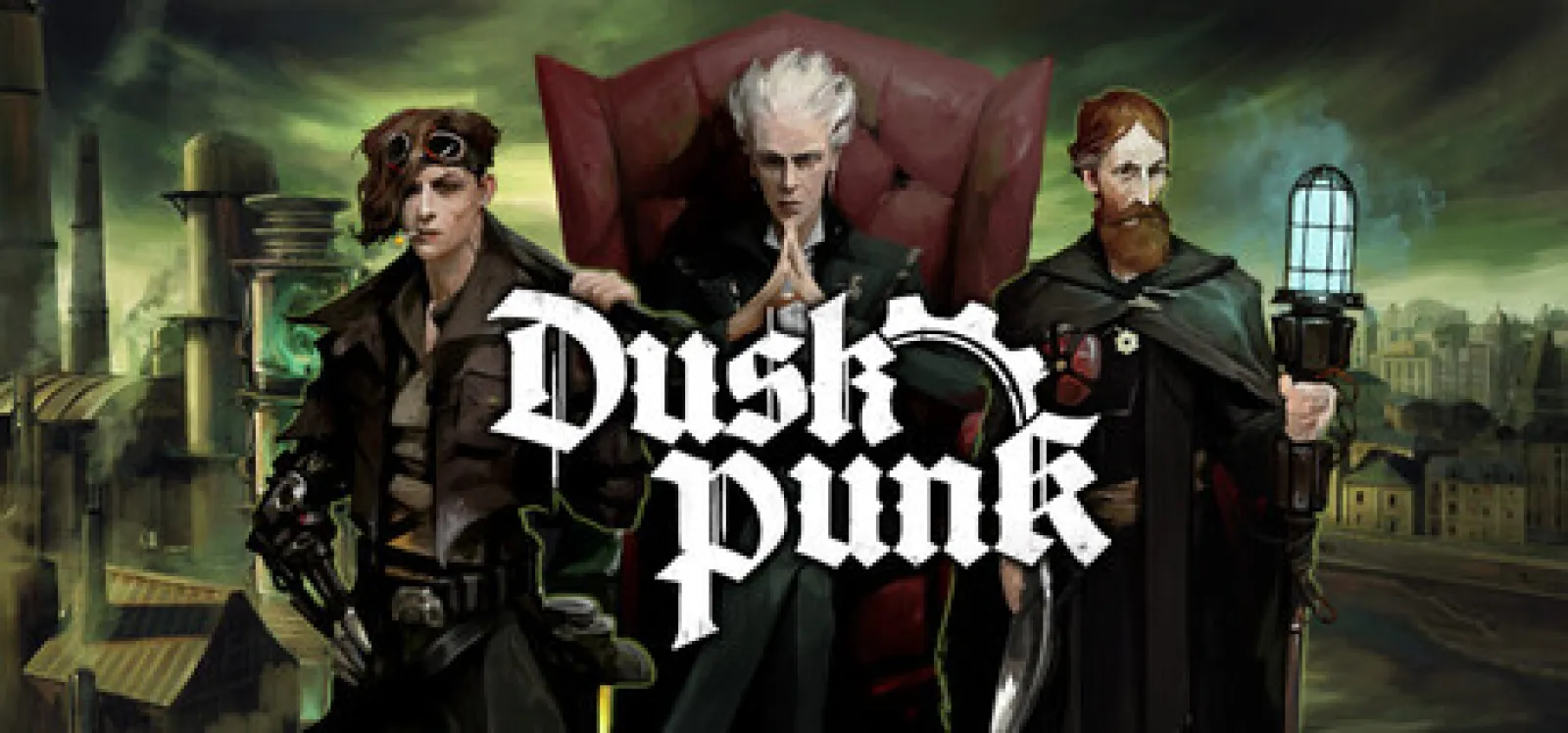
Duskpunk
Ocjena: ★★★★ Vrlo dobra
Kod nas ocjena igre nije matematika, nije zbrajanje deset različitih kategorija u neku generičku brojku. Mi gledamo dojam. Onaj osjećaj kad zatvoriš igru, sjedneš na kauč, napraviš si kavu (ili rakijicu, ne osuđujem) i pitaš se: “E, jel’ ovo imalo smisla? Jel’ me igra nekaj naučila? Jel’ me pomaknula?”
E, baš na to gledamo. Na ukupnu sliku.
A Duskpunk… Duskpunk me zbilja iznenadio… ali ugodno!
Razvojni studio: Clockwork Bird, James Paton
Izdavač: Clockwork Bird
Platforme: PC
Datum izlaska: 19. studenoga 2025.
Platforma na kojoj je igra testirana: PC
Početna cijena: 19,99 eura
Gameplay / mehanika
Moram priznati, do prije par tjedana Duskpunk mi je izgledal ko jeftina kopija Disco Elysiuma. A Disco Elysium mi je igra koja mi je doslovno promijenila pogled na svijet. Igrao sam ga u ranoj 2020., u najlošijem mentalnom razdoblju života.
Whirling in Rags tema me probola direktno u dušu, a Kim Kitsuragi mi je postao najbolji frend kojeg nikad nisam upoznao. Postavila mi je standard. Ako želiš biti narativni RPG – mjeri se s tim.
Zato sam bio skeptičan prema Duskpunku.
Previše sličnosti u prezentaciji, previše “o, vidi ovo bi moglo bit kao Disco”.
A onda sam započeo igru, i više-manje odmah dobio takav narativni šamar da sam se moral nasloniti na stolac.
Prevario sam se. Grdo sam se prevario.
Duskpunk nije kopija.
Mehanika je jednostavna, ali nikad glupa. Ne glumi nešto što nije. Ovo je igra koja ti na stol baci 2D mapu Dredgeporta, par akcija po danu i tvoju sposobnost da izvučeš najviše iz minimalizma. Upravo ta ograničenja daju poseban gušt; kao da igra kaže: “Evo ti osam koraka, a ti si idi pa probaj od toga napraviti čudo.”
I fora je jer čudo se stvarno dogodi. Kretanje kroz grad via izbor klikova i bacanja kockica u teoriji zvuči suhoparno, al u praksi osjećaj kontrole i napetosti je brutalan jer svaki potez je važan, svaki klik ima težinu, i svaka kockica koja padne krivo može te stajati i napretka i živaca.
Ta kombinacija jednostavnih pravila i visokih uloga stvara jedan gotovo tabletop ritam. Osjećaš se kao da igraš RPG kampanju u podrumu s ekipom, samo bez smrada pive i čipsa. Sustav vještina je intuitivan, ali dovoljno dubok da te tjera na specijalizaciju. Ne možeš biti sve, i ne smiješ biti sve, jer igra ti daje scenarije koje možeš rješavati na sto načina, ali ne na sve odjednom. I baš zato svaki put kad uspiješ proći neki check koji ti je bio taman na rubu mogućnosti osjetiš onu malu pobjedu, ono “o je***, uspio sam!” koje te tjera dalje. Znaš ono kad ti srce malo poskoči? E, tak.
Najbolje od svega: ništa ne zastajkuje. Tempo je taman. Dovoljno spor da upiješ atmosferu, dovoljno brz da se ne uspavaš. Jedino kaj me zna hitnuti je kad shvatim da sam cijeli dan potrošil na tri krive odluke jer sam mislio da bum bil pametan.
I baš to je znak dobre mehanike: intuitivno je, ali te ne mazi. Stalno balansira na tankoj liniji između pristupačnog i izazovnog, i rijetko koja igra tak dobro drži ravnotežu.
Duskpunk ne pokušava biti Disco Elysium, ali ga se ne srami gledati u oči. Poštuje ga, uči od njega, ali ide svojim putem. I to je mehanika vrijedna hvale.
Priča / naracija
Tu sam se najviše bojao. Doslovno bojao.
Disco Elysium mi je jedna od onih igara koje su mi došle u pravom trenutku života i zalijepile me za sebe emocionalno, kao kakva sidrena točka u ludilu 2020., i stvarno sam mislio da će Duskpunk biti samo jeftini pokušaj kopiranja tog osjećaja. I čovječe, kak sam se prevario. Grdo se prevario. Duskpunk ne pokušava biti “novi Disco”.
On ide u sasvim drugom smjeru, sirovijem, gorčem, ali nevjerojatno iskrenom. Priča te ne davi beskonačnim filozofiranjem, nego te izgrađuje kroz odluke, odnose i prostor u kojem se krećeš. Ti si nitko i ništa, samo bivši vojnik kojeg su greškom proglasili mrtvim. A onda polako, mic po mic, grad počne otkrivati svoje porijeklo, svoje rane, svoju prljavštinu i svoju ljepotu.
Najjači trenuci su oni kad shvatiš da likovi nisu karikature. Oni su jadni, slomljeni, puni bijesa i nade; svaki od njih životno uvjerljiv. Nema tu hiperprodukcije dijaloga, iako su neki fakat naporni, pogotovo s Henryem i ekipom, znaju biti dost cringe, ali generalno je okej.
Osjetiš glad, osjetiš strah, osjetiš nepravdu društva koje se raspada pred tvojim očima. A onda dođe trenutak u kojem moraš odlučiti tko si. Jesi li pobunjenik? Jesi li oportunist? Jesi li netko tko želi samo preživjeti?
Duskpunk ti ne govori što je ispravno. Daje ti svijet i kaže: “Evo, biraj.”
Priznajem, neki izbori su me malo zaboljeli više nego bi trebalo, jer sam doslovno izdao sve frendove, ali to je upravo taj osjećaj koji dobijem samo kad priča pogodi ravno u prsa.
Originalnost / svježina ideja
Priznajem, na prvu izgleda kao miks 2–3 igre koje već znaš. Ali onda shvatiš da je to krivi način razmišljanja. Duskpunk radi nešto što rijetki RPG naslovi uspijevaju, uzima tabletop jezgru i pretvara je u potpuno funkcionalnu, digitalnu naraciju, ali bez iluzije da si u 3D svijetu. Nema hodanja okolo, nema modnih ispada, nema nepotrebnih animacija. Ima karta grada. Ima sistem bacanja kockica.
Ima ograničen broj akcija. I unatoč tome, svijet se osjeća većim, diše slojevitije i življe nego mnoge igre koje se kunu da nude “punu slobodu”.
Najoriginalniji moment je način na koji kombinira resurse poput zdravlja, stresa i izdržljivosti s moralnim odlukama i izborima. Sve je povezano.
Ako si previše umoran, ne možeš voditi smislen razgovor. Ako si previše pod stresom, pucaju ti vještine. Ako ne jedeš, sve ide nizbrdo. I kad sve to spojiš s narativnim granama, Duskpunk dobije specifičan, unikatan okus koji nikad ne prelazi u suhoparni survival, a opet održava konstantni osjećaj pritiska.
Ta kombinacija mi je bila nešto novo,i, iznenađujuće, brutalno učinkovito.
Simulacija / uvjerljivost svijeta
Ovo je onaj dio gdje te igra uhvati bez da si to i primijetio. Dredgeport je fiktivan grad, ali djeluje kao stvarno mjesto. Nema generičkih ulica, nema čistih i urednih četvrti – sve je oštećeno, zbijeno, mokro, puno dima i mirisa truljenja.
Grad izgleda kao da bi mogao postojati negdje između 19. stoljeća i neke mračne steampunk WW1 atmosfere. Sve se logički veže jedno na drugo. Ljudi su umorni jer rade previše. Pobunjenici su frustrirani jer mehanizmi vlasti stalno guše promjene. Državni aparat je hladan, okrutan i funkcionalan, baš toliko da zastraši, ali ne uništi sve nade.
Svijet reagira na tebe. Tvoje odluke imaju posljedice u naraciji, ali i u načinu na koji se pojedine lokacije i likovi ponašaju. Nema ništa gore nego kad se vratiš u kvart gdje si nedavno izazvao pobunu, a ljudi te gledaju s nepovjerenjem.
Ili kad si nehotice pomogao vlasti, pa te pobunjenici počnu percipirati kao problem. Te male promjene čine simulaciju stvarnom – grad nije tu da bude kulisa, nego suigrač.
https://youtu.be/EcXl0rwyjWoVizualni dojam
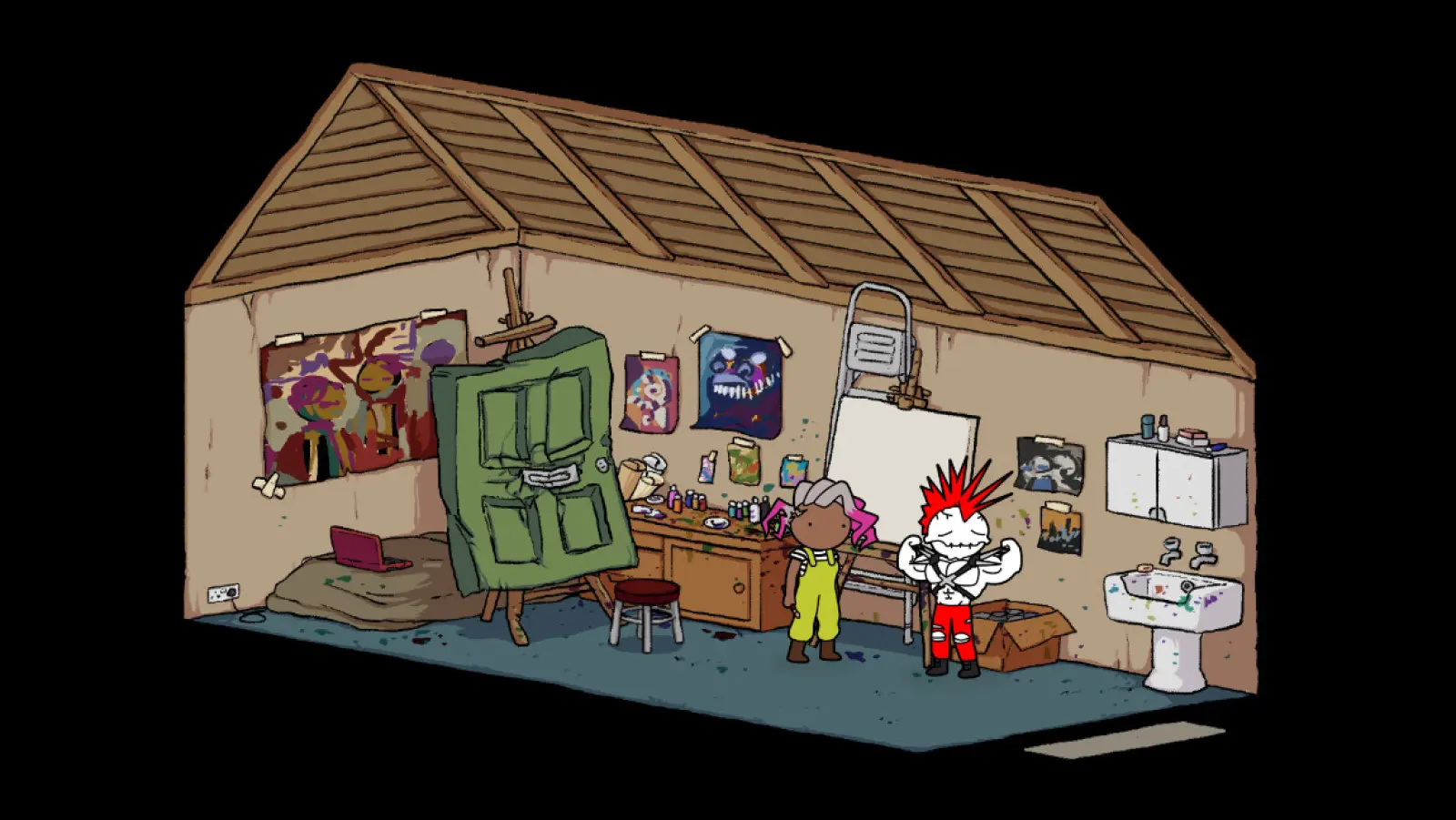
Stil je fantastičan. Doslovno fantastičan. Ne pokušava biti realističan — to bi ubilo cijelu atmosferu, nego koristi ilustrirani, pomalo grubi, pomalo melankolični dizajn koji podsjeća na evropske stripove.
Svaka lokacija izgleda kao da je ručno nacrtana, s tamnim sjenama, prljavim fasadama i sitnim detaljima koji grade dojam raspadnutog, ali očaravajućeg distopijskog grada. Nema prenapuhanih efekata, sve je odmjereno i u službi prič
Nekad mi je trebalo samo pet minuta da gledam mapu i zamišljam kako grad diše. U Duskpunku estetika nije samo “lijepa”, nego nosi emociju. Ona ti daje do znanja da si u svijetu koji je odavno izgubio boju, ali se još bori za komadić svjetla. To je umjetnost koja se ne dere, nego šapuće.
Audio / zvuk
Zvukovi u ovoj igri ne postoje da bi se dokazivali, nego da bi ti se zavukli u glavu. Muzika je pomalo tužna, depresivna, distopijska, s dozom industrijskih ritmova koji podsjećaju na to da si u gradu koji se raspada pod težinom vlastite povijesti. I onda, tu i tamo, pojavi se neka sjetna melodija koja te podsjeti da u ovom paklu ipak ima nade.
Efekti su diskretni, ali pogađaju. Koraci na mokrom kamenu, škripa starih vrata, udaljeni zvukovi strojeva… sve je tu. Atmosfera je toliko gusta da bi ju mogel rezat nožem.
Replay value i dodatni sadržaj
Ovo je igra koja te tjera da ju odigraš barem još jednom. Vjerujte mi, prošao sam ju 3 puta.
Ne zato što te sili, nego zato što znaš da bi drugi put mogao proći potpuno drugačijim putem. Kad shvatiš koliko grananja postoji, koliko odluka može promijeniti ton igre, i koliko odnosi s likovima mogu otići u neočekivanim smjerovima, jednostavno dobiješ onaj poriv: Ajd’ da probam još jednom, ali ovaj put bum malo drukčiji… možda više pobunjenik, možda više oportunist, možda bum bil dobar, možda bum bil svinja.
DLC-jevi će, po svemu sudeći, u budućnosti samo dodatno proširiti grad i mehanike, što je savršen fit za ovakav tip igre. Ako ih bude, a ja se nadam da bude.
Vrijednost za novac
Realno? Više nego pošteno. Duskpunk nudi sate i sate sadržaja, priču koja udara jače nego što očekuješ, sustav koji je dubok ali ne prenaporan, i atmosferu kakvu se rijetko viđa. Nema ispraznih dodataka, nema napuhanih obećanja. Ako voliš narativne RPG-ove, ovo ti je investicija koja se višestruko vrati.
Konačna ocjena:
★★★★ Vrlo dobra
Duskpunk je brutalan, emotivan, inteligentan i nevjerojatno dobro napisan. I što je najvažnije — iskren je. Za mene osobno, skoro pa sličan feeling kao prvi put kad sam čuo Whirling in Rags u Disco Elysiumu. Ovo je nova, svoja, fantastična priča koja se isplati igrat.
Primjerak igre za potrebe osvrta ustupio izdavač razvojni studio Clockwork Bird