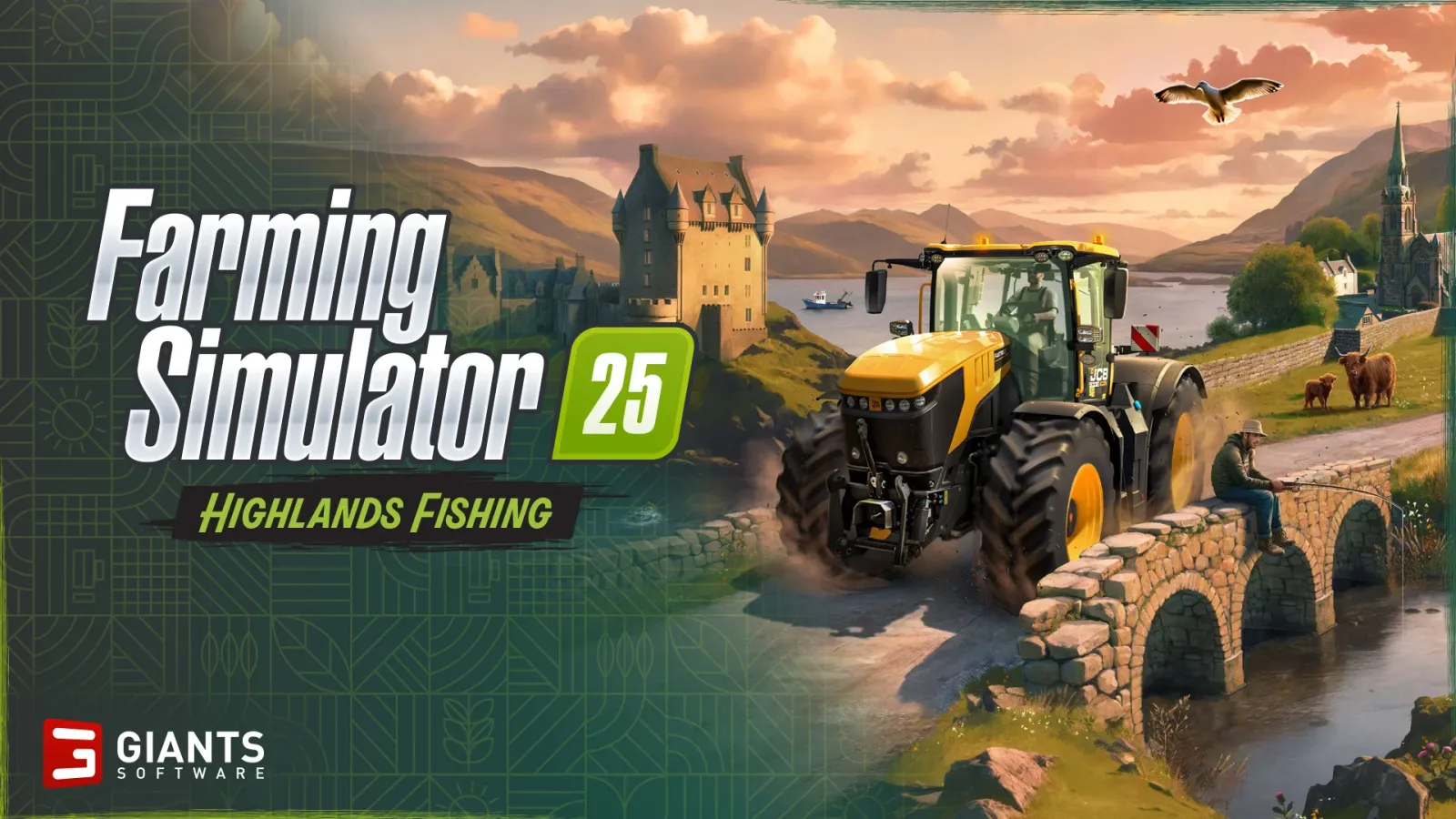
Farming Simulator 25: Highlands Fishing Edition
When I launched Farming Simulator 2025, honestly, for a moment I was scared. The screen was calm, silence, nothing was moving. I thought: “Here we go, we’re done, I killed the PS5 before I even started.”
But two seconds later… Fluidity.
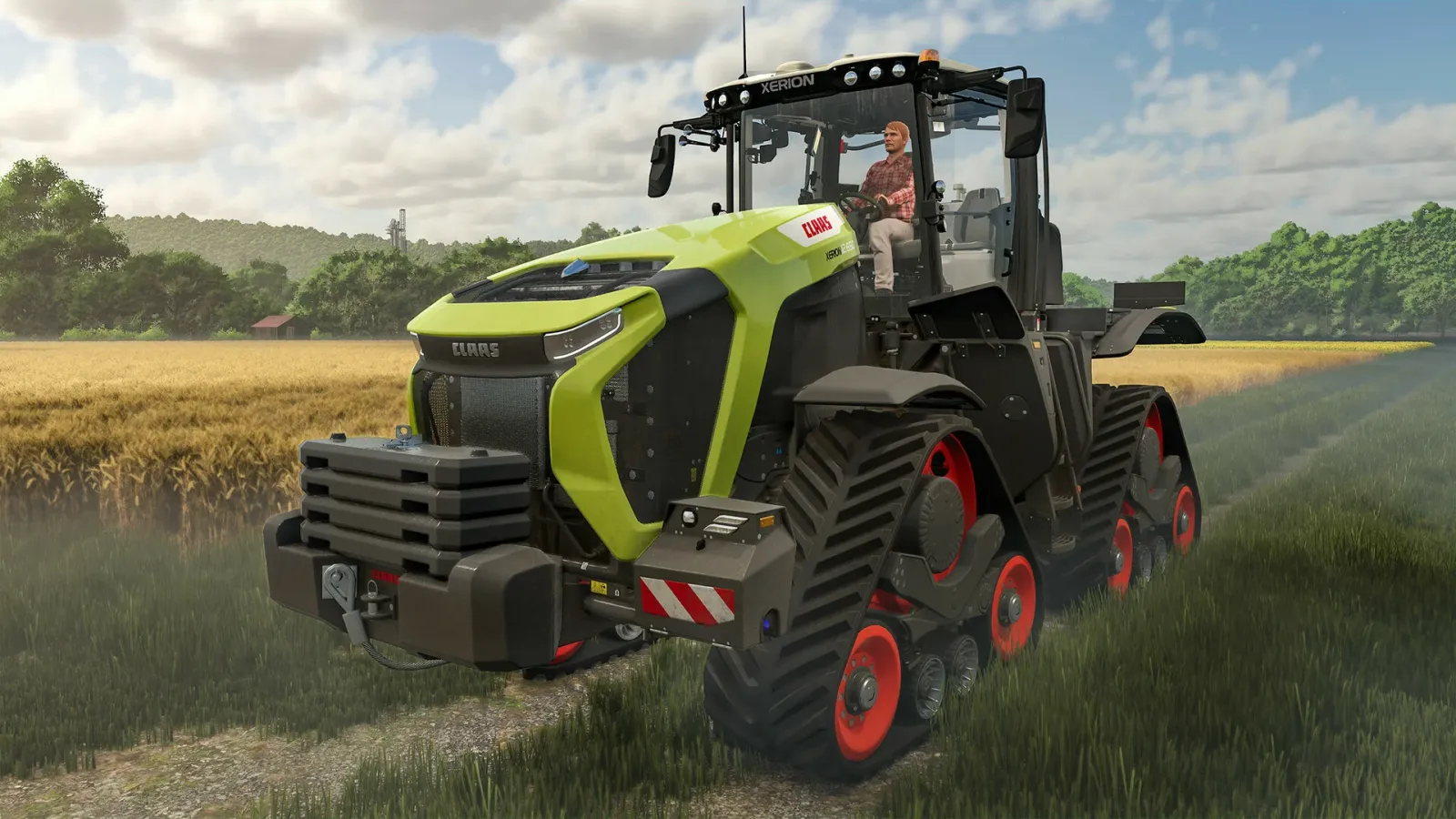
Everything started up flawlessly. Huge maps, perfect draw distance, new models, fluid gameplay, and as the cherry on top… a car that every person of good taste should drive.
Yes, ladies and gentlemen.
Škoda is finally in Farming Simulator without DLC.
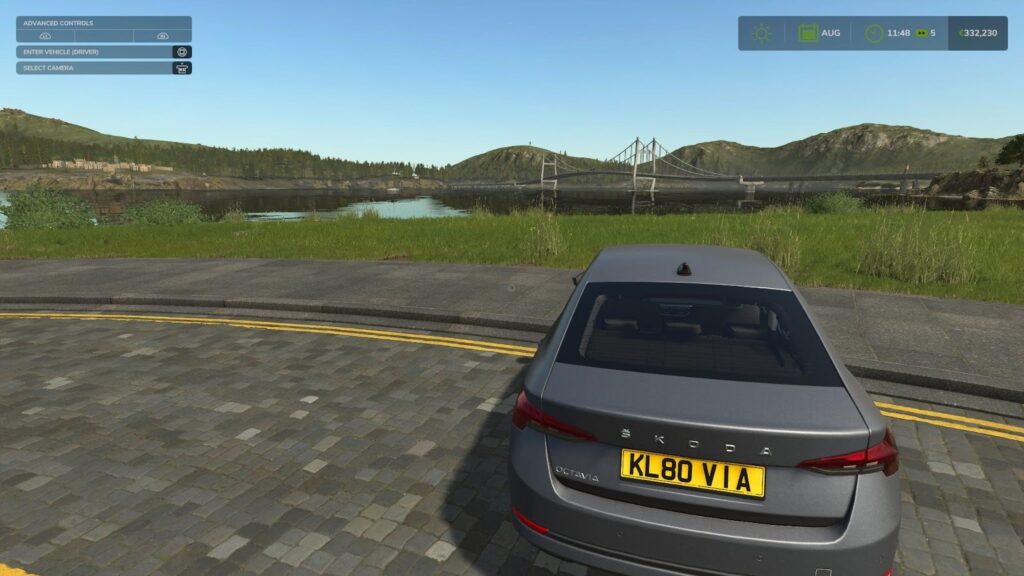
Life can sometimes be beautiful.
But let’s get to the reason this expansion exists: fishing.
But let’s get to the reason this expansion exists: fishing.
________________________________________________________________________________________
Development studio: Giants Software
Publisher: Giants Software
Platforms: PlayStation 5, Xbox Series S/X, PC
Release date: November 4, 2025.
Platform on which the game was tested: PlayStation 5
Starting price: 29.99 euros (expansion), 59.99 euros (edition that includes the base game + expansion)
____________________________________________________________________________________
Highland Fishing Expansion – What does it bring?
Highlands Fishing is not just another niche. It’s a part of the game that sits like a long-term investment, like when you first start a dairy farm and realize you’ve committed to cycles that aren’t just for today.
Fish in Farming Simulator 2025 is not just a model in the water. It’s a process where you connect nature and industry, where you look at the thermometer and clouds as seriously as the state in the silo. You can start quite modestly and romantically. In the hand tools shop, there’s a fishing rod, and it’s good for learning the rhythm.
You take it, switch to hand tools, lower the hook towards the water, and realize that the catching mechanics are nicely timed for the gamepad or keyboard. You look where you want to cast, hold the button longer for the bait to fly further, relax, and wait quietly as if you were truly on the shore.
When the indicator shows that something has bitten, you catch the rhythm by pressing at the right moment, and then with your fingers, you maintain tension and angle so it doesn’t snap. There’s not too much philosophy, but enough tact to make it relaxing.
Setting out in a sports boat to the estuary and fishing in the open sea has its charm, but the real strength of the expansion lies not in that form of recreation but in the decision to turn water into a stable source of income.
Gameplay / mechanics
Aquaculture is different from the livestock you’re used to. Cows are the rhythm of milk and feed, pigs are the logistics of fattening and selling, chickens are tokens that almost drop by themselves. Fish are a system that constantly seeks balance.
First, you choose a location. A bunch of maps is full of natural bays and river meanders, but you can’t build everywhere. The terrain needs to be accessible, the water level stable enough, and the distance to the road realistic, because you’ll be driving feed and food, transporting oxygen, and hauling the catch.
If you decide on land-based ponds, or lakes, you build fish farms with flow systems, grids, pumps, and automatic feeders. If you want a semi-open system, you use floating net cages tied to a dock. These two philosophies have different characters.
A pond is more under your control and will be closer to you if you like precise industrial composition; a net cage requires reading nature, as the sea, current, and tide dictate part of your life.
In practice, it looks like this. You arrange a plot along the coast and set up a slaughterhouse storage and a small processing plant, a cold storage with proper insulation and a generator, and a pond with separated sections. In the first section, you introduce juveniles.
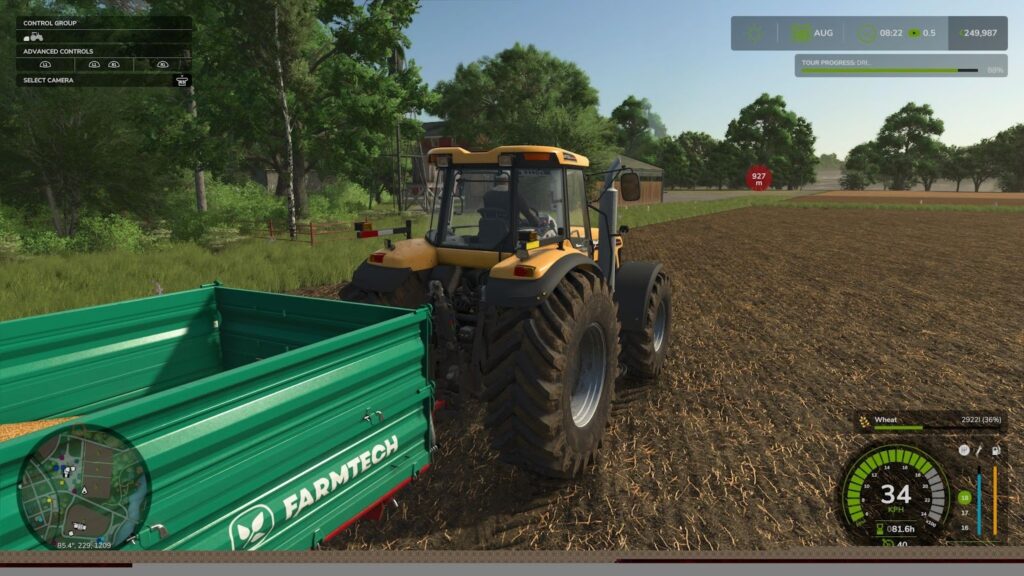
This is the first departure from land-based livestock. Soon you will realize that food is not the only key. The water must have the right temperature, and dissolved oxygen must not fall below the limit. You set up aerators that work all night when the water cools and circulation weakens. If you are on a river, you can install inlet channels and grids that increase flow and help oxygenation.
In a sea cage, nature does part of the work, but if the fish become too dense, without additional bubbles, there is no healthy growth. In the settings menu of each pond, you see the number of fish, their age, average weight, growth rate, and stress index.
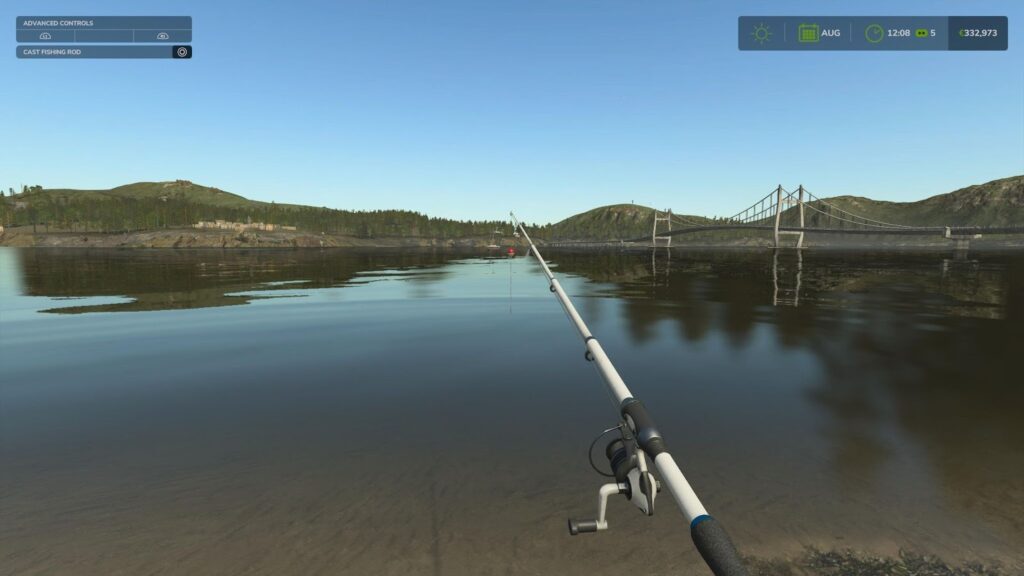
If you keep them too densely, they gain weight faster in the first days, but in the long run, they stagnate, diseases catch them more easily, and meat quality declines. These are not just numbers for the sake of numbers, but a system that teaches you patience. Too much speed and chasing weight can ultimately cost you money because the purchase pays better grades.
Fish food is not the same as a bale of hay for cows. You can buy it, but economically it pays off to tie it with the rest of the farm. Highlands is a perfect place because you have grains, oilseeds, and fish meal if you decide to go even deeper.
One of the smarter mini-industries is your own pellet mixer. You connect it to the storage and bring in wheat, corn, soybeans, and possibly protein supplements from fish waste or purchased flour, and you get pellets for different growth stages.
Juveniles eat smaller, adults larger. Through the feeding menu, you determine the dosing rhythm by hours. If you overdo it, the water gets cloudy, ammonia spikes, and the biofiltration pump has to work harder. If you feed too little, growth stops, and the cycle to sale stretches. And then we come to the truth that profit hunters are always aware of.
With fish, you are the rhythm programmer. In the morning, you check the status, during the day you let automation work, in the evening you check the weather forecast, because if a cold front is coming, you slightly adjust feeding before night and turn on the aerators to avoid a mass slaughter of fish life.
Visual and Sound Side
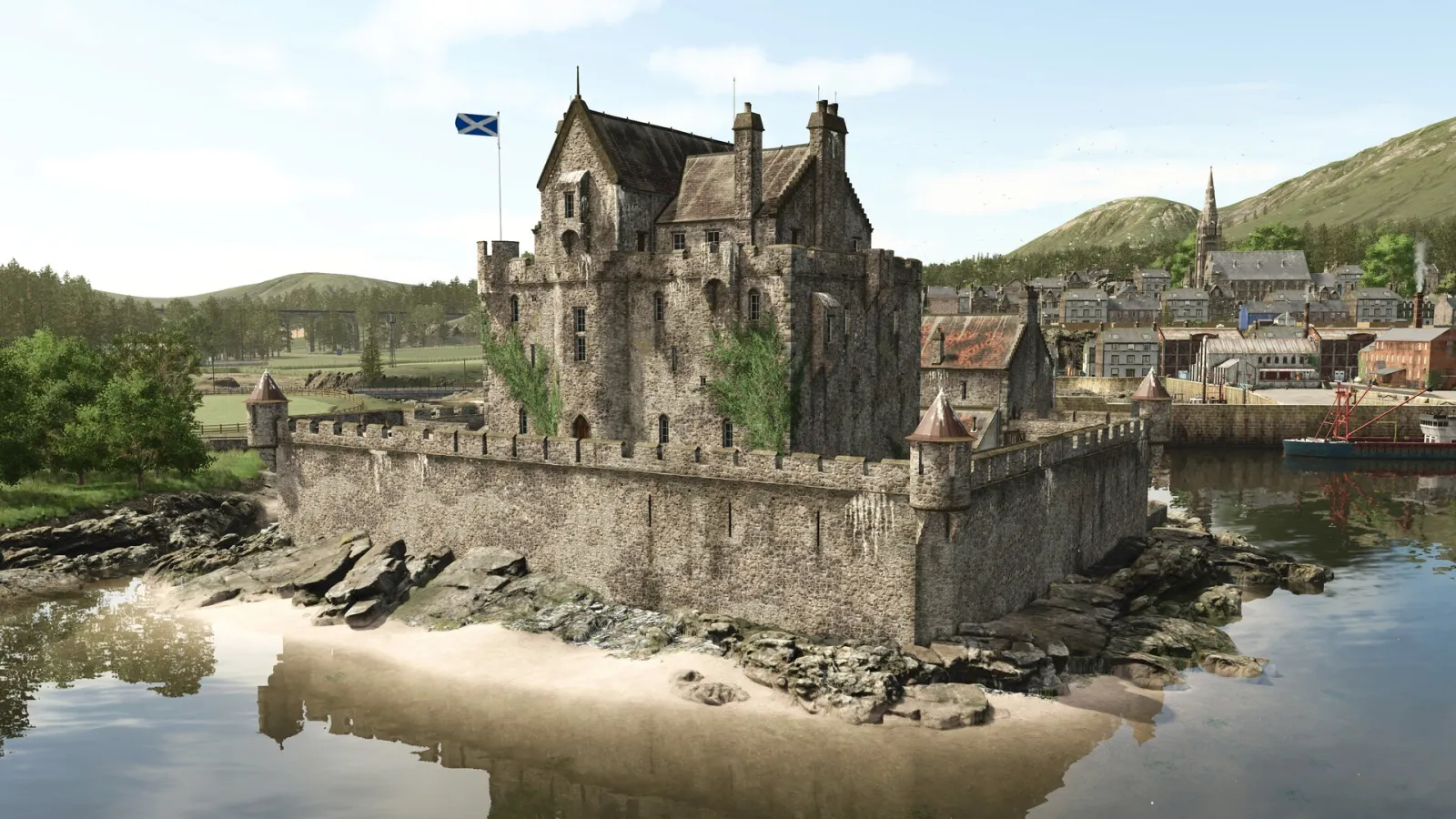
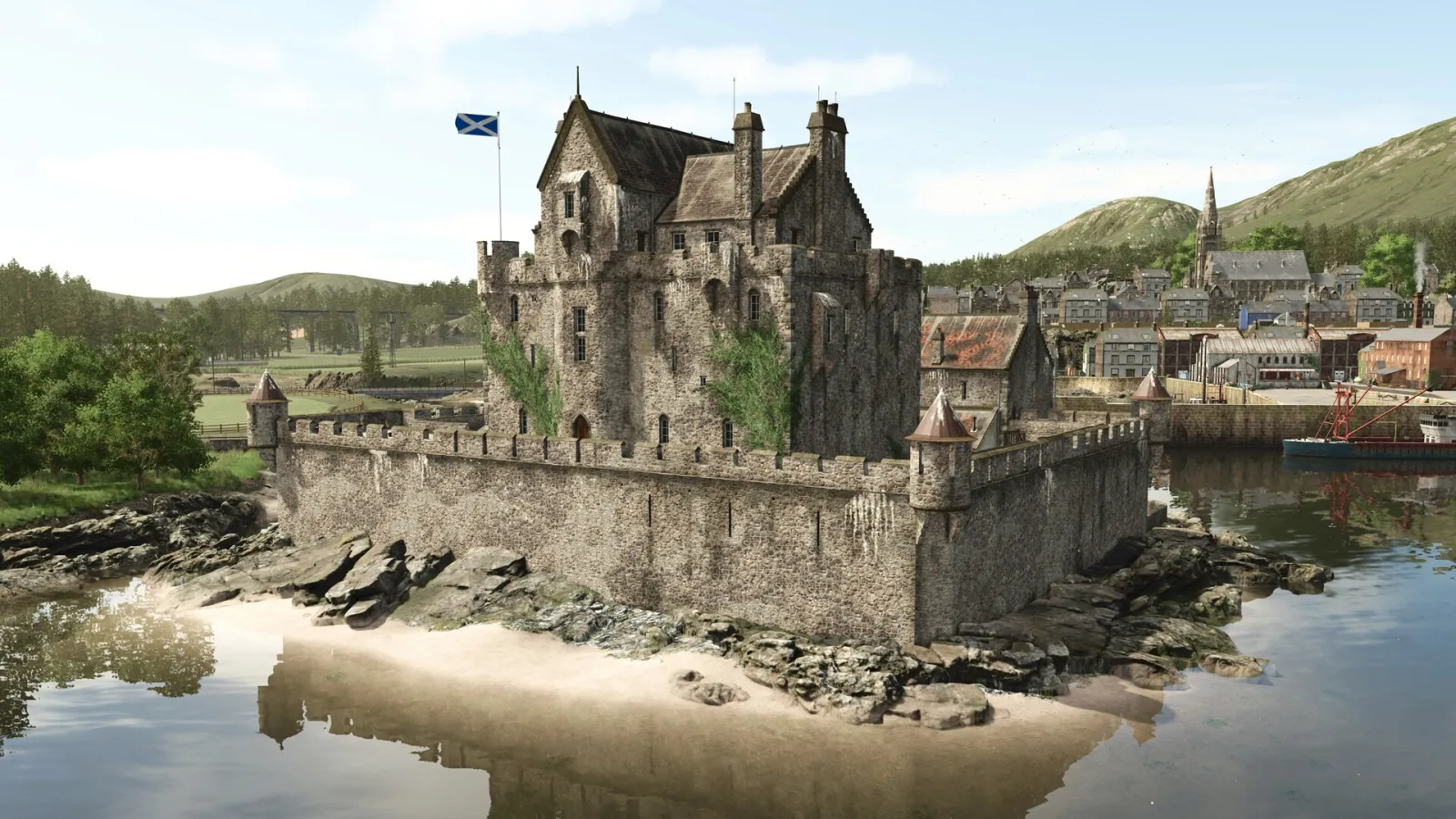
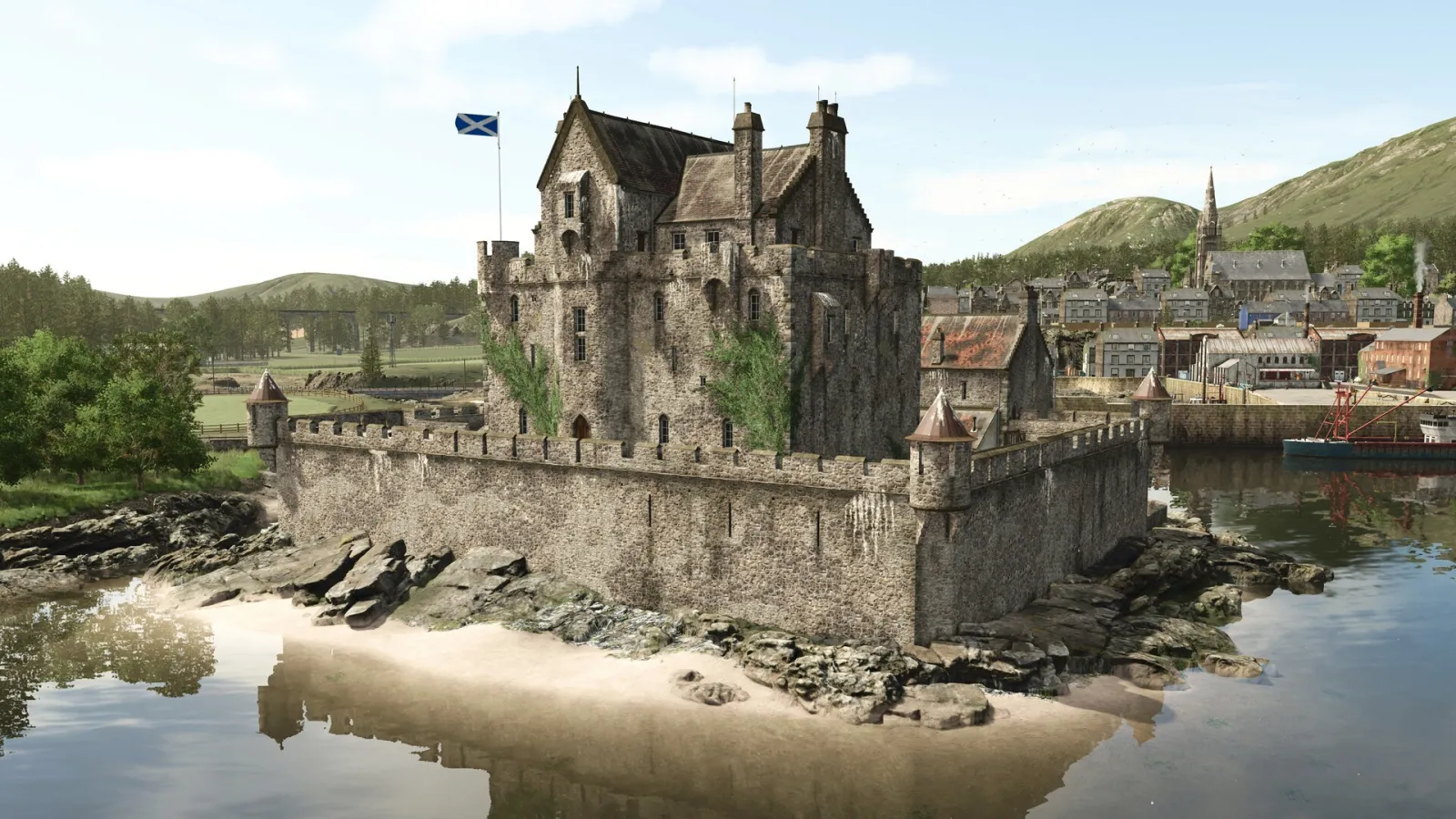
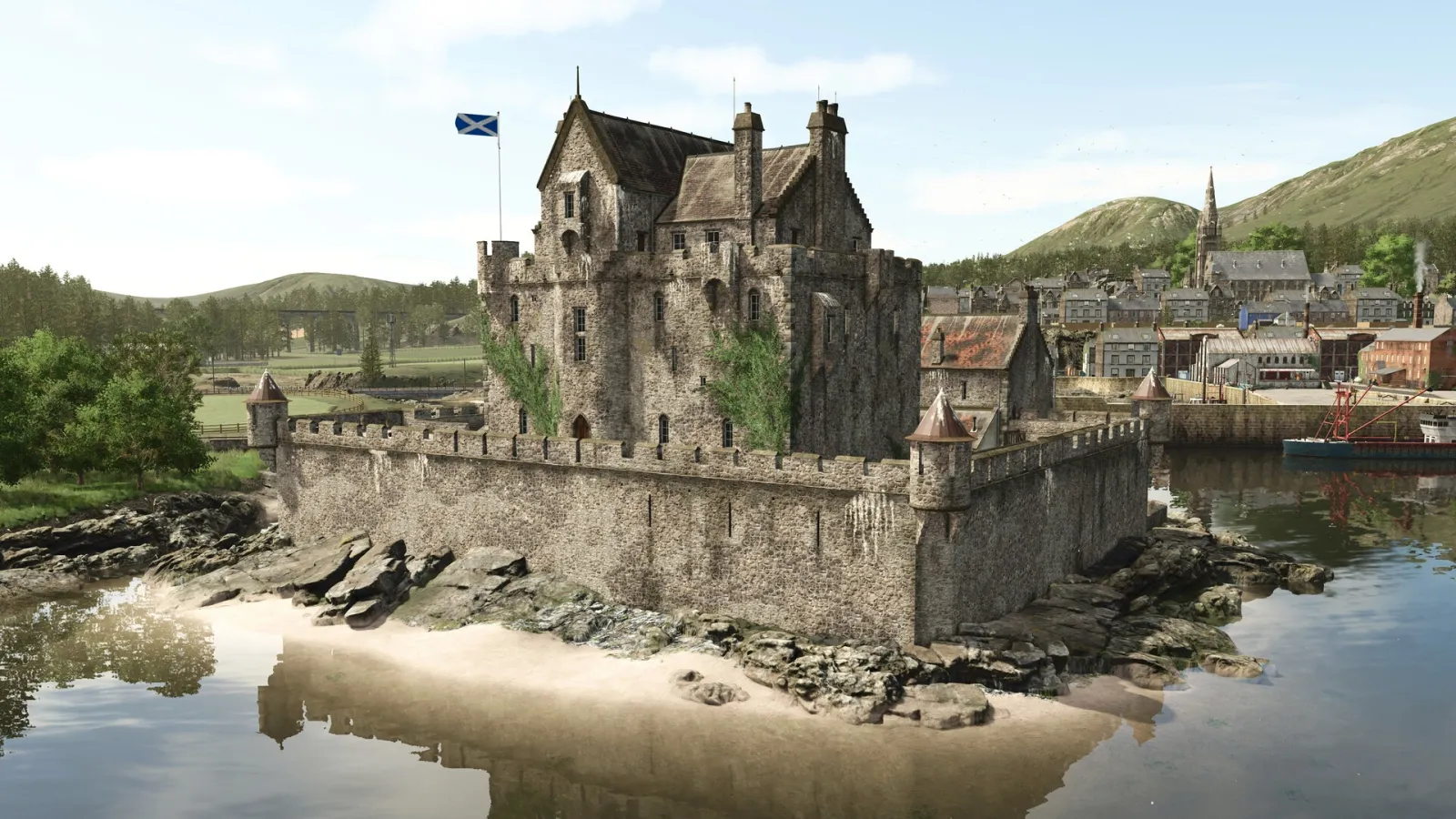
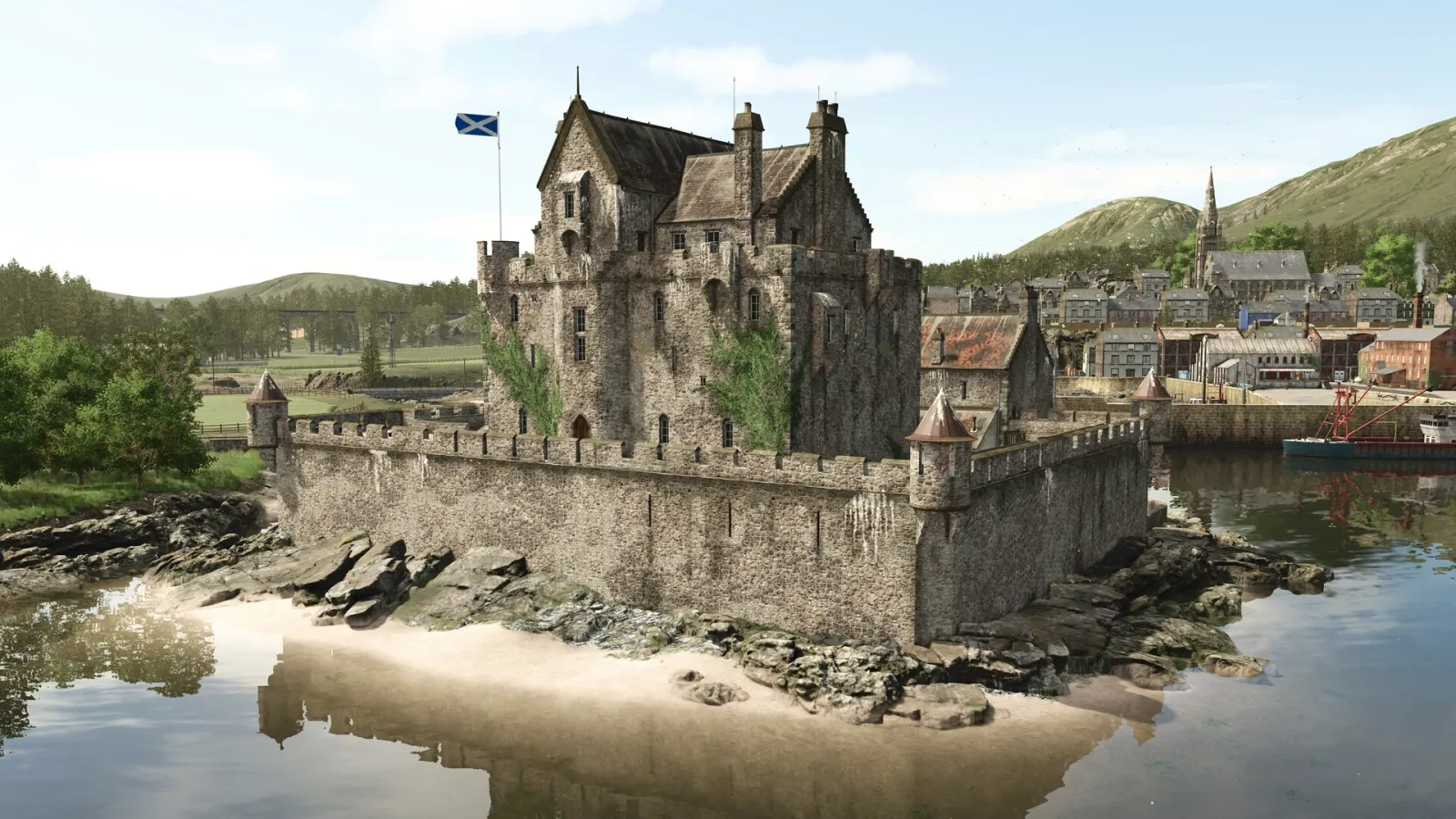
Visually, the Highlands map and water are a league of their own. The water shader is no longer an overflow that looks like glass in the wind. The edges of the foam, light refraction, reflection break, and the way shadows merge on the waves give you frames reminiscent of travel advertisements for northern regions. The night is dark without exaggeration, headlights smartly cut through the fog and do not burn the eyes.
HDR does the job, especially at dusk. When you lower the nets and drive to the cold storage, the contrast of warm interior light and cold blue outside gives a feeling that is otherwise reserved for games that primarily chase aesthetics. Here, aesthetics serve gameplay, and that is exactly what is needed.
Audio / sound
The sound is all in place. The sea is alive, the babbling of the river is not a generic loop, but changes depending on the widths and flow speed. Aerators, pumps, boiling at the edge of the pool, and the echo of footsteps to a melody that doesn't get on your nerves.
Challenge / balance
The weight balance is fair. The beginning can be a handful as you are between two worlds. Agriculture is your safe base, while fish are your appetite that requires investment and patience. If you expect a quick return, it will be too much for you.
If you build with the idea that at the end of the season the pond pays off the investment in two series, and in the meantime, your fields bring cash for current expenses, you will enjoy it. The game does not punish you harshly if you make a mistake.
If you set the feeding wrong, you won't lose everything overnight, but you will feel a drop. If you forget the aerator on a hot night, in the morning you will have a less cheerful pool. If you are far from the road and the warehouse, logistics will eat at your nerves as the freezing trailers get stuck on narrow serpentine roads.
All of these are consequences that hit, but they are meaningfully timed for you to learn from habit, not from punishment.
The stories and narratives in Farming Simulator are always more in your head and schedule than in the dialogues, but Highlands makes a fine difference here.
The map has its mood. Evening fog descends on the lake, and the lighting from the truck headlights breaks on the wrinkled asphalt as if someone carefully set the scene. If your shallow poses freeze in winter, you redefine the schedule, move healthy series to deeper cages, sell before the ice breaks, or connect warmer inflow with pumps.
These are not scripted movies, but they are small dramatic points that give rise to emotion from tactical situations. When the whole cage first enters the right mass and you bring it to the filleting plant, and the wind howls outside the window, you realize that the game has succeeded in connecting the romance of the cold north and the taboo Excel with a beautiful wedding bouquet.
Originality is, to be honest, something we would hardly expect from a simulation that has been fine-tuning the same systems for a decade. And yet, aquaculture is a novelty that is not imposed just to be different.
It requires new habits, new interdependencies, a new way of looking at the terrain. For example, for the first time in FS, I really think about fields and lawns as raw materials for an industry that is not livestock. The fish feed I grind from my own crops is the thread that connects agriculture and water.
The biofilter powered by the energy you produce from the wind on that upper slope is the thread that connects energy and food. The local purchase that pays better on Friday nights is the thread that connects the calendar and profit margin.
That is the freshness that changes the texture of gameplay. And when it changes the texture like that, you get a game that goes ahead of the competition, because it is not afraid to combine genres and expand horizons without breaking what we love.
Replay value and additional content
The replay value and additional content in the Highlands Fishing expansion are extremely strong because the fish farming system never looks the same twice. Each location, water temperature, fish species, feeding rhythm, market price, and seasonality open a different economic dynamic. If you play casually, you can fish and sell fresh fish locally.
If you aim for long-term profit, you build an industrial chain with processing, smoking, and canning. If you want complete freedom, the sandbox mode allows you to create your own conditions, rhythms, and challenges without limitations.
In addition, the Highlands map is large and diverse enough to encourage constant new building locations, new logistics routes, and new solutions. All together, it ensures that you can return to the game for months, always with a new story.
Value for Money
Value for money is always a delicate issue. Highlands Fishing is a full-fledged expansion, and if your heart doesn't race at the idea of building fish ponds, you might think it's not your cup of tea. But that's exactly why it's smart that the entire system is intertwined with the rest of the economy.
If you're a farmer who enjoys large fields, fish feed is a great niche for expansion. If you're a logistician who loves driving trucks, refrigerated transport and delivery on winding roads are your daily dose. If you're a builder who loves optimizing layouts, a pond with proper access roads, drainage channels, and service platforms is a puzzle that grows with you.
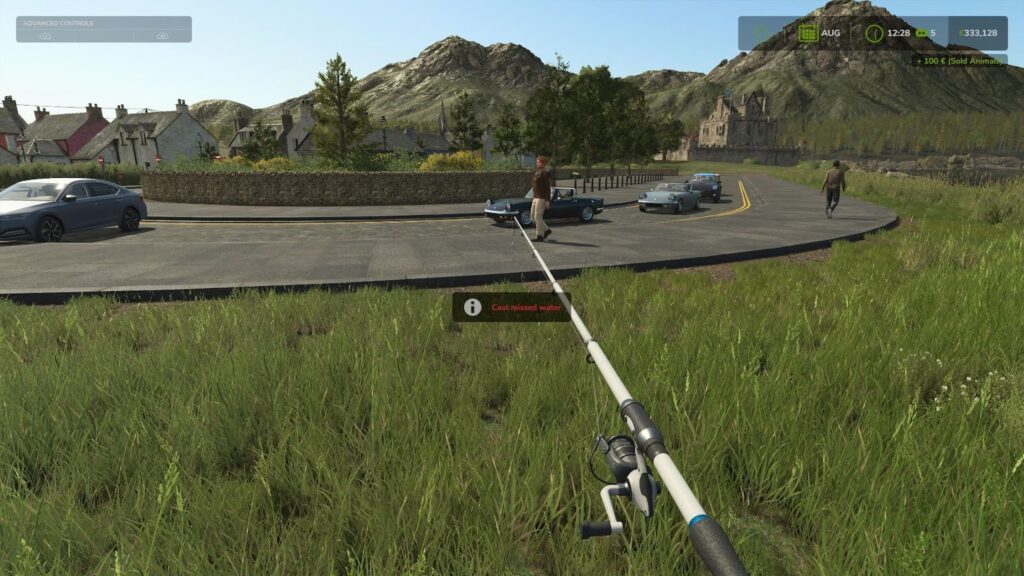
Unfortunately, not all fish can be caught.
There is no dependency on a single route, which gives meaning to investments for players who enjoy different playstyles.
The finest detail of the entire DLC is that processing fish is not just a single button. You can drive fresh fish directly to the market and get solid money, but if you build a cooperative processing plant, a range of options opens up. Filleting brings a higher price, but at the cost of losing some mass.
The finest detail of the entire DLC is that processing fish is not just a single button. You can drive fresh fish directly to the market and get solid money, but if you build a cooperative processing plant, a range of options opens up. Filleting brings a higher price, but at the cost of losing some mass.
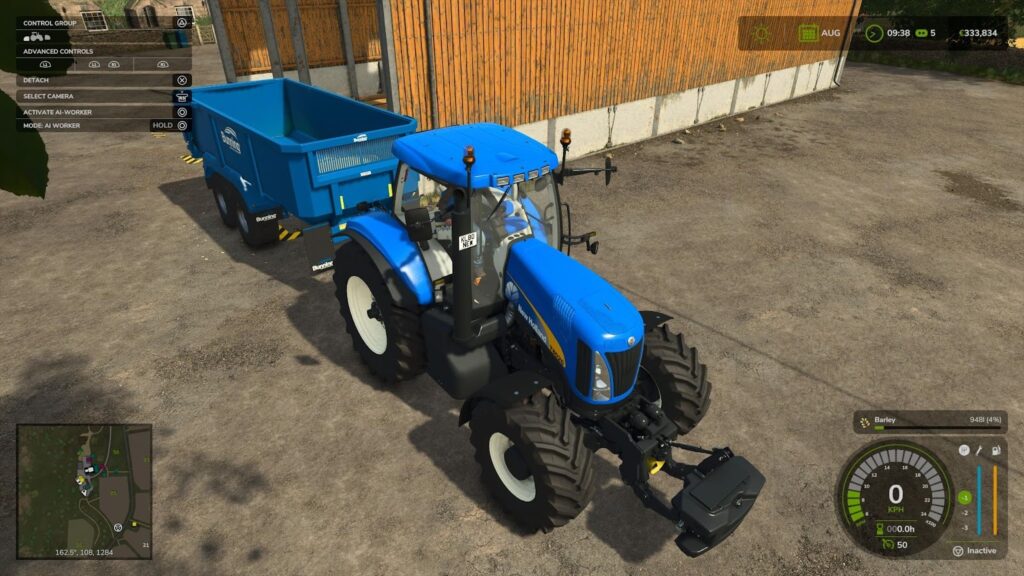
Smoking is slow, consumes wood and electricity, but opens up premium customers. Canning requires cans, oil, and sterilization, but saves you when there is no demand for fresh catch. This is where the difference from cattle and pigs lies.
With cows, you think in terms of milk and cheese through long sets, but the rhythm is predictable. With fish, the market is livelier, seasonality is more pronounced, and the processing chain serves as a buffer. If you happen to have three ponds come to the ideal weight for sale at the same time, and the price drops due to saturation, you can redirect some to smoking and canning and pull through. Highlands has ports and shops that specialize in buying at specific times and days, and if you're prepared, you can catch those windows.
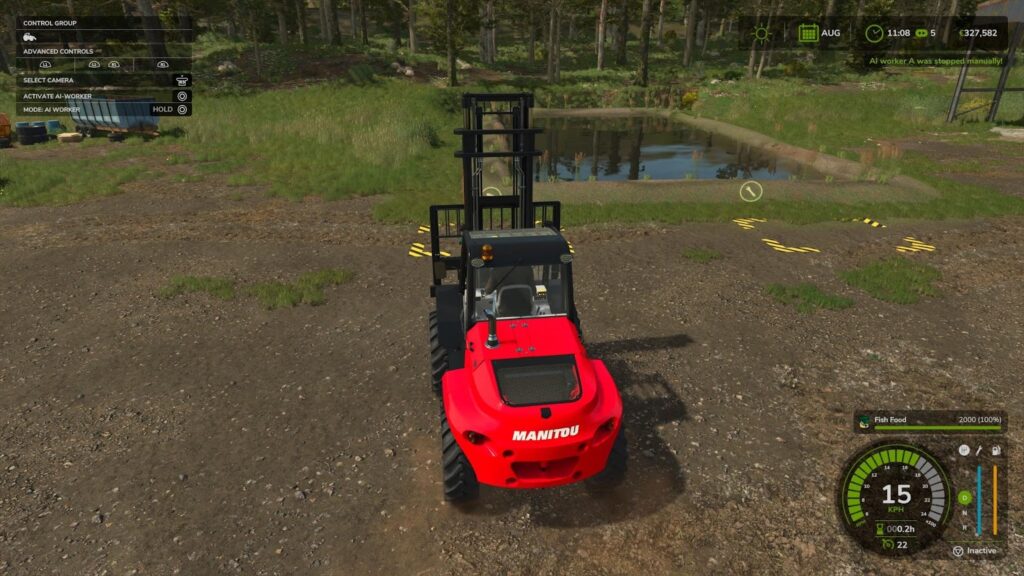
Simulation / World Convincingness
Pure third-person gameplay gets a new flavor when I stand on the dock with a fishing rod. It's still the FS rhythm, just with different music. Fishing spots are not marked; you find them by feel.
A river bend that looks deep and cold, a shady edge of a lake, sea channels where the current changes direction. When you hit the right spot, a discreet notification appears in the corner, and you know you're at a hot spot. It's not marked on the map, and the game won't hold your hand. In shallow water, it takes longer to bite. In certain seasons, you wait more patiently. If you cast further and lift the bait far enough, the bite comes quicker.
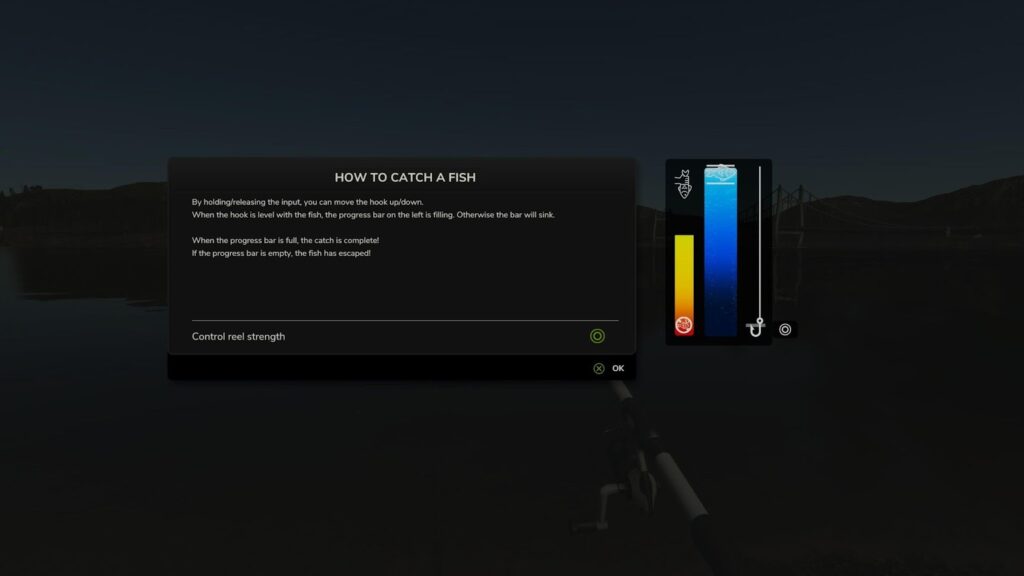
The minigame is simple, but just enough not to be faceless. You catch a few pieces, sell them locally (just click sale) or release them back because your economy relies on cages and pools, and fishing has become a ritual to start your day.
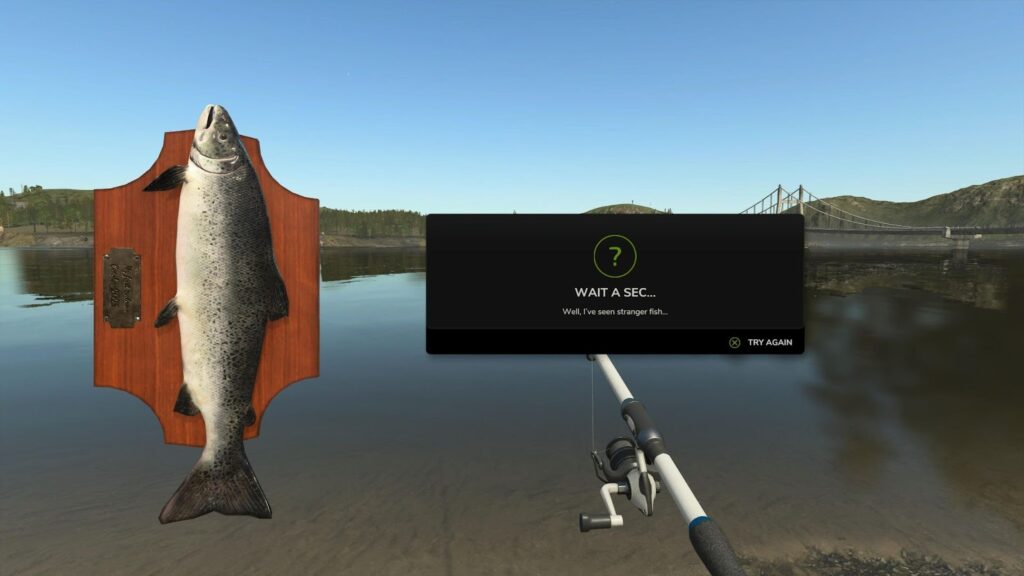
or you win such a masterpiece
If you play on a controller, the vibration at the moment of the bite lasts that half a second which is enough for you to feel the tension of the line. These are the little things that in this game are not cosmetic but character.
My conclusion
In the end, I wouldn't be me if I didn't turn the key one more time in the Škoda and admit how happy I am that in 2025 I can take out both a family car and a two-axle tractor from the same garage slot without opening my wallet for another package.
But even if that weren't there, Highlands Fishing would still stand alone as the best content in the genre currently. Because it doesn't settle for just adding a few models and three new textures, but introduces a system that lives alongside the rest of the game, changes your habits, and rewards you if you listen to the world and think one step ahead.
Farming Simulator 2025: Highlands Fishing is not just another DLC.
It is evolution.
A new layer. A new system.
A new philosophy.
And they succeeded. Completely.
And when you also sit behind the wheel of the Škoda with freshly caught trouts in the trailer…
There’s no philosophy there.
That is the peak of farming gaming.
Rating: 4/5
Game copy for review purposes provided by distributor Colby and development studio Giants Software