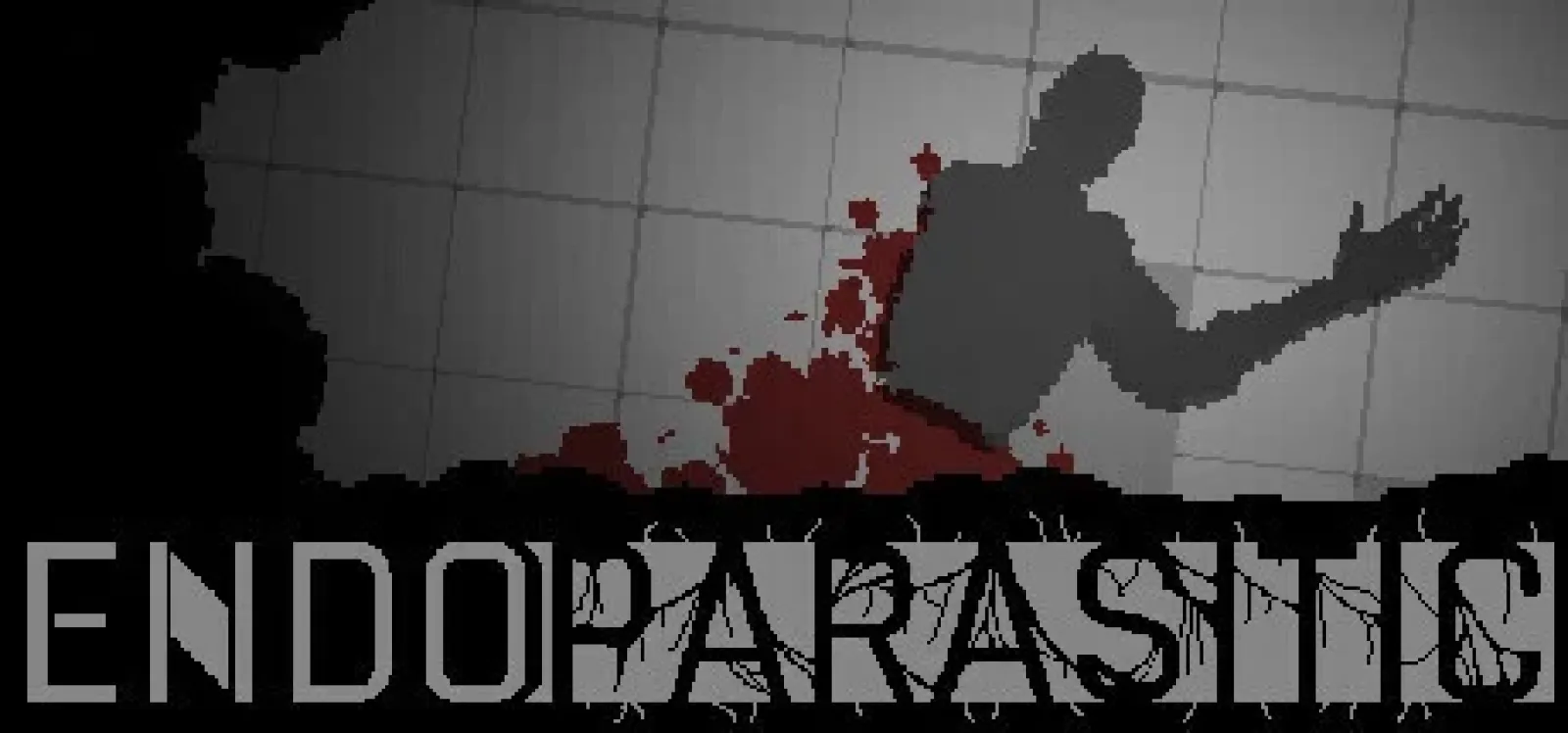
Indie games often serve as a testing ground for various experiments, trying out unusual mechanics and stories that we rarely see in AAA titles. Endoparasitic, a top-down survival horror, is no exception: it initially promises horror, vulnerability, and adrenaline, but remains a mix of great ambitions and frustrating compromises.
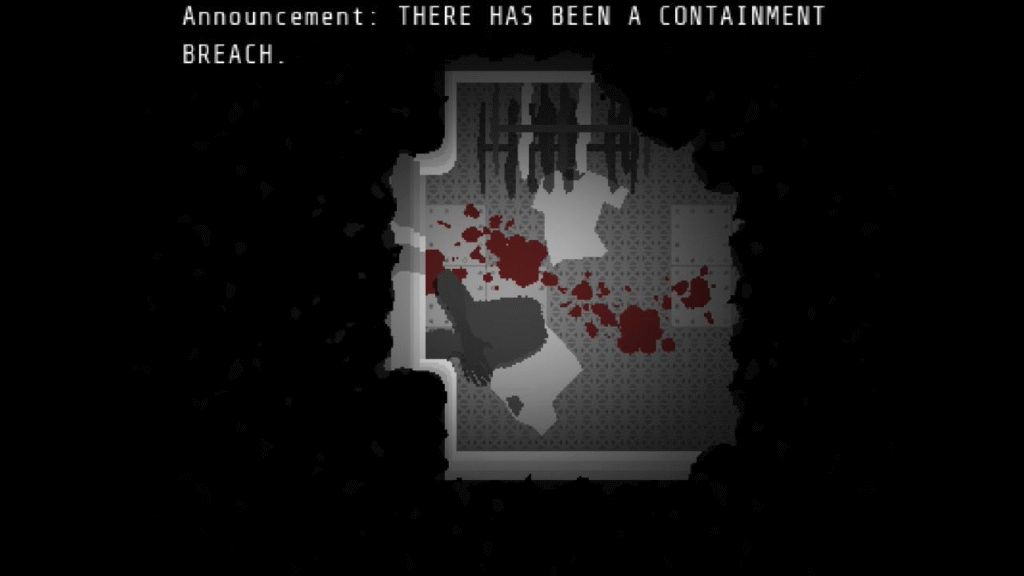
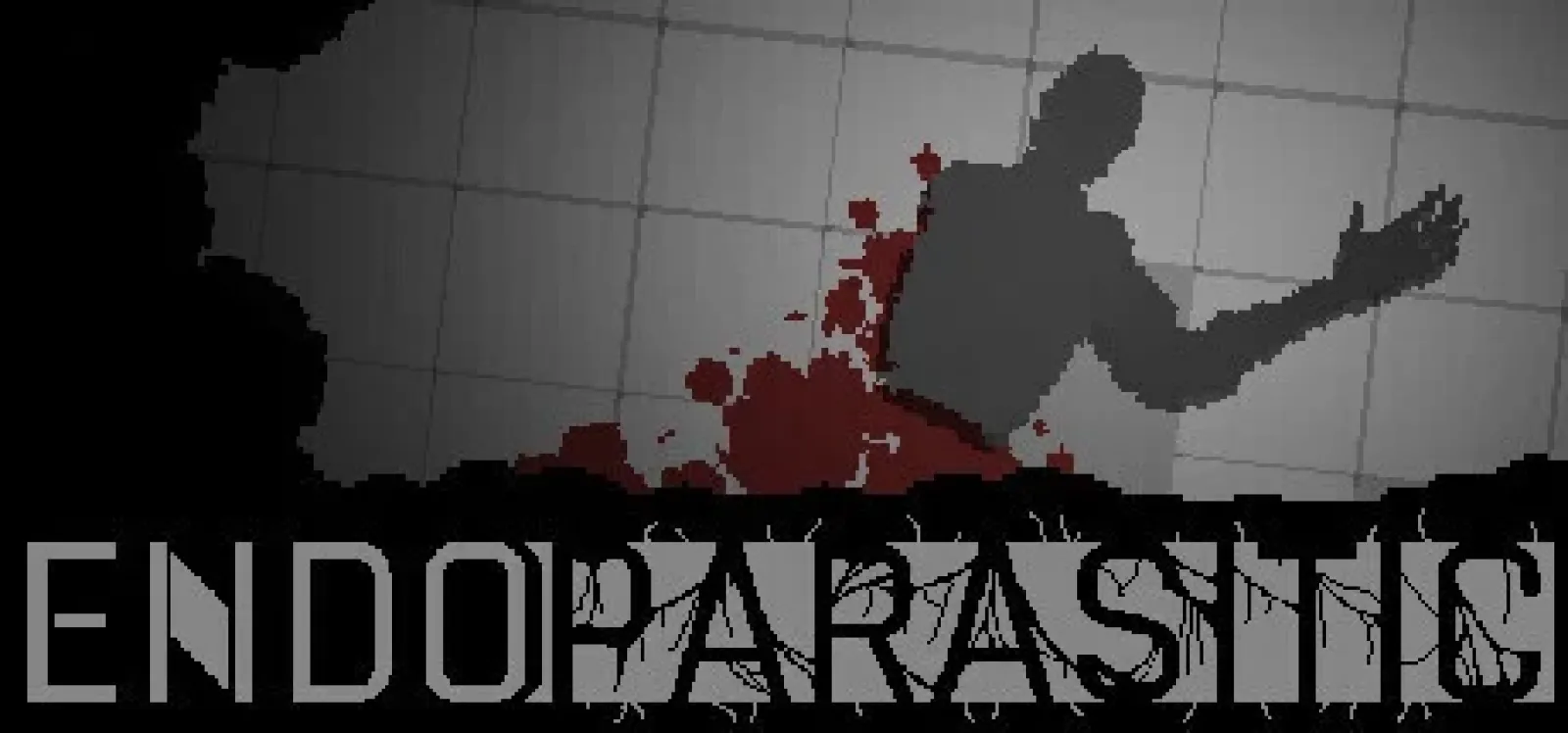
The game starts horrifically: your character's limbs are torn off, you are left with only one functional arm, and you are infected with a parasite that is slowly making its way to your brain. The only hope of successfully suppressing it are the injections you must administer while moving through the laboratory on a remote asteroid. Evacuation is underway, but Cynte, the lead scientist and the character you play as, coldly decides to press on. The experiment must be completed, at any cost.
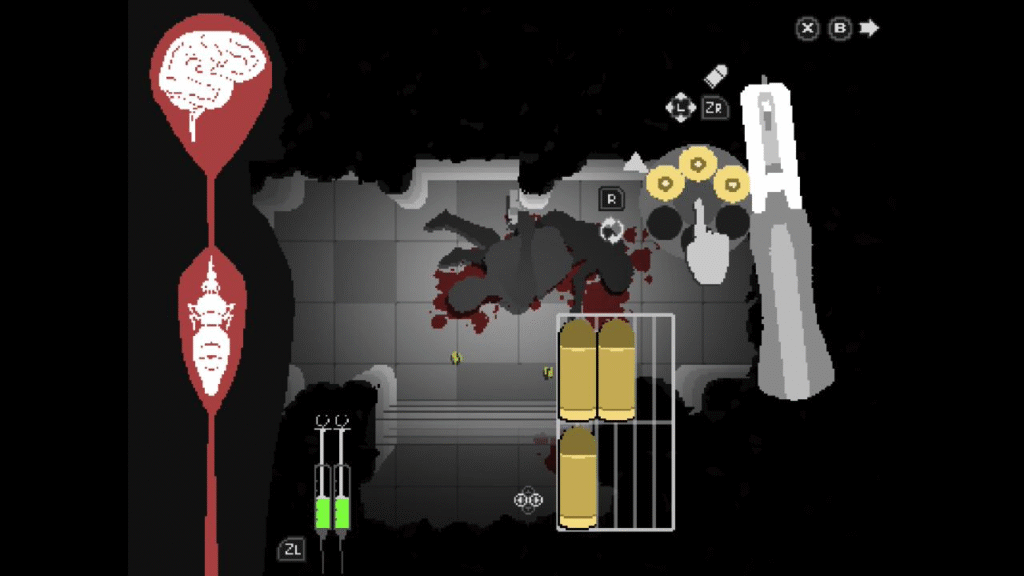
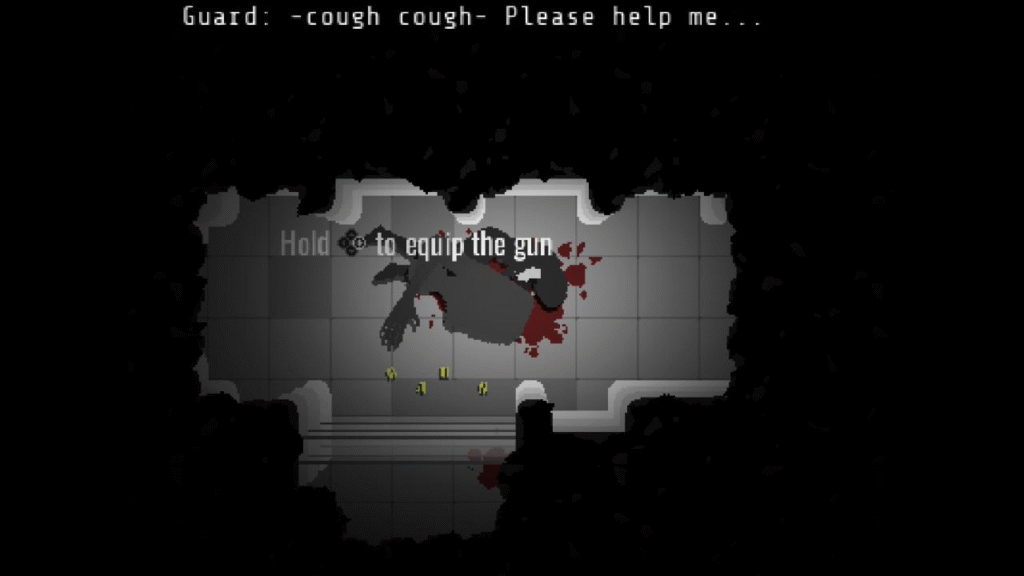
The game focuses on that feeling of helplessness: moving, shooting, and reloading weapons are all manually controlled. We move by crawling, pressing ZR, and directing the analog stick in the designated direction, which very well simulates the feeling of crawling. If you take a gun, you can no longer move. You have to reload it, shell by shell, and after shooting, eject the spent shells.
The character's health is visually represented as a parasite slowly crawling towards the brain. The game forces you into quick decisions and a constant feeling of impending doom. Add to that the fact that the parasite is constantly advancing towards your brain and you must regularly apply injections to slow it down, and you get the perfect atmosphere of chronic anxiety.
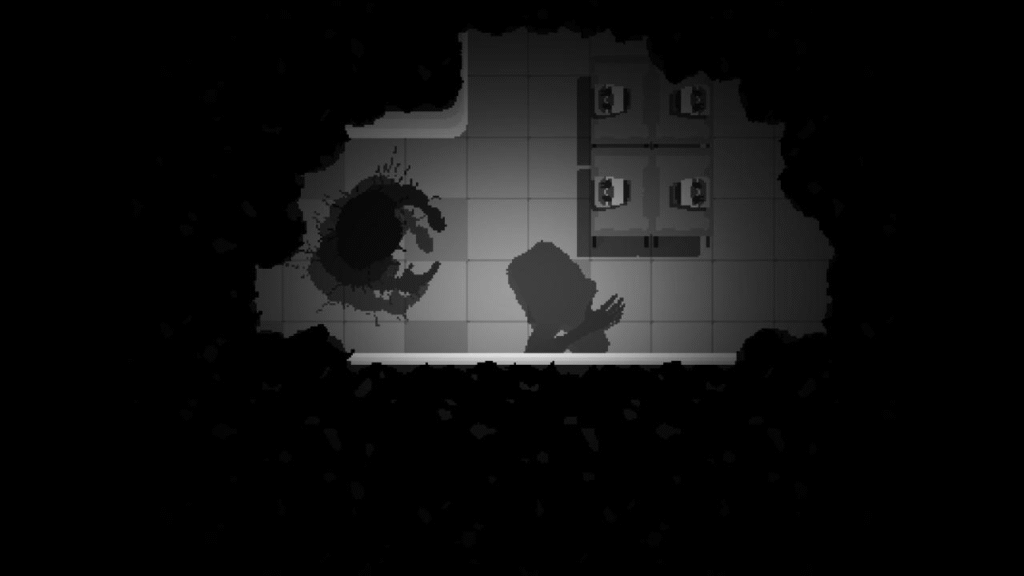
During the game, you will quickly encounter creatures that will chase you and try to tear apart the little body you have left. They do not move quickly, but compared to your crawling, the tension is constant, especially since you need to quickly escape to a safe distance, open your inventory, grab your gun, and shoot them.
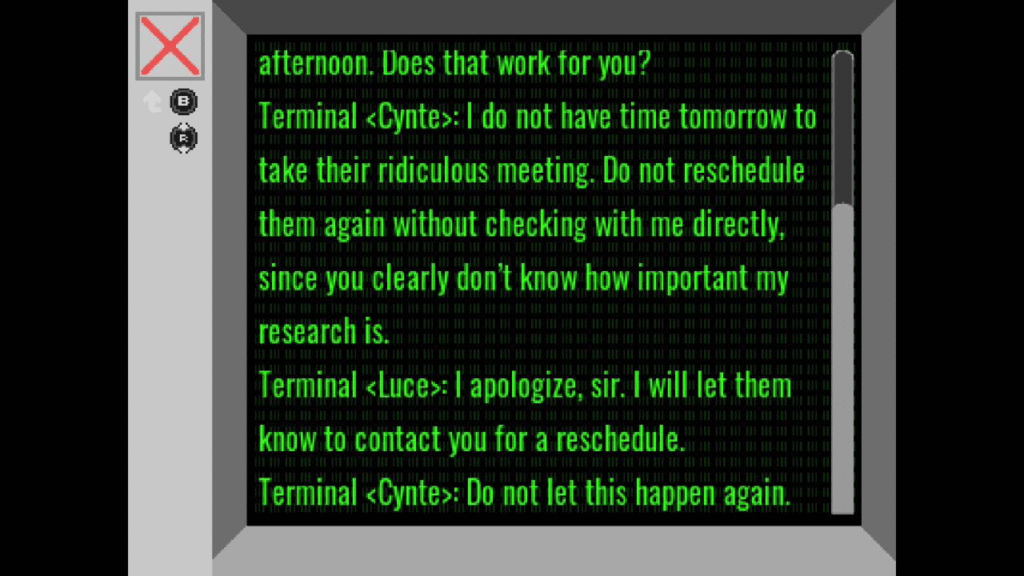
The game's narrative is told through short dialogues and text logs that you will find while exploring the laboratory. Cynte is a cold-blooded and calculating type, lacking empathy for others, highly focused solely on the success of his mission.
The black-and-white aesthetic, with red blood and minimal color accents and silhouettes, enhances the horror and gives a sense of isolation. The atmosphere is eerie, empty, and sterile. The laboratory looks as if everything has already happened, and you are the last witness. The sounds, music, and ambiance are minimalist. Good enough to support the horror tone, but they won't stick in your memory.
And now, the most important question. Is it fun? Honestly, not really for me. The mechanics are original, the sense of tension is there, but I quickly started to feel fatigue. Reloading and emptying the gun became a hassle, resource management became tedious, and I gave up. Maybe the problem is with me. Maybe I'm not cut out for this kind of game. The main character's motivation to go through all this with just one hand is admirable, but I would have given up long ago (hand, technically), which I did.
A copy of the Switch version of the game was provided for review purposes by the publisher Pineapple Works