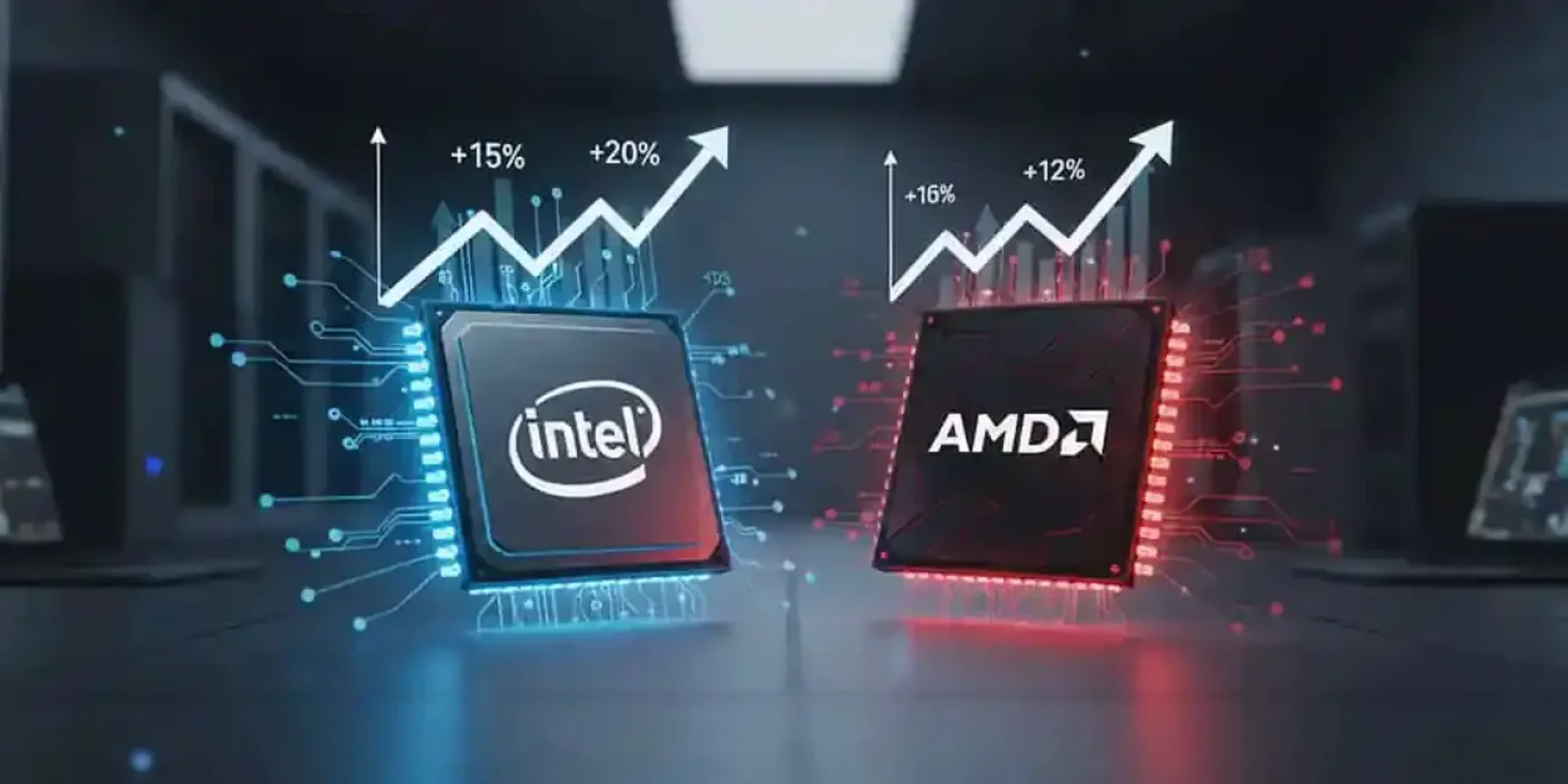
The demand for artificial intelligence is increasingly impacting the hardware market, and it seems that processors are next in line for price increases. According to new information, Intel warns that the growing need for AI “inference” tasks could further push CPU prices up in the upcoming period.
Unlike earlier phases of AI development, where GPUs dominated due to model training, the industry is now increasingly turning to “inference” tasks – that is, the actual application of AI in practice. It is precisely in this segment that CPUs play a key role, significantly increasing their importance and demand. One of the key indicators of this change is the ratio of CPUs to GPUs in data centers. Once, this ratio was about 1:8 in favor of GPUs, while today it is approaching 1:4 – and in the long term, it could even reach 1:1. This change means that significantly more processors will be needed for AI infrastructure than before.
The consequences are already visible. Intel recently raised CPU prices by about 20%, and further increases are expected if the trend continues. Analysts also note that server processors have already increased in price by up to 20%, while consumer models have seen a smaller, but noticeable rise. To meet demand, Intel is increasingly prioritizing the production of server processors (such as the Xeon line), while the consumer segment may remain in the background.
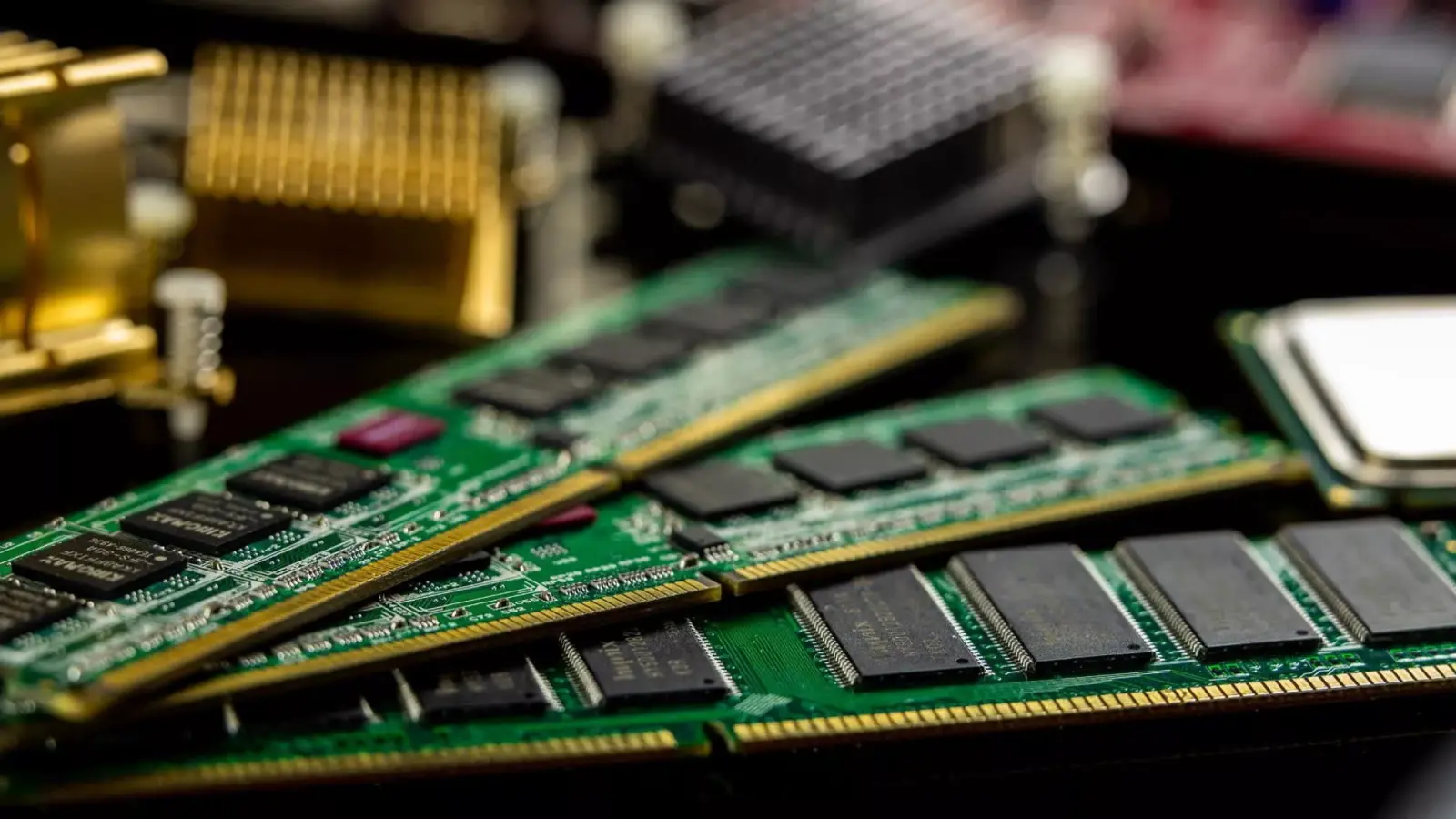
Although the biggest impact is expected to be felt by data centers and the enterprise market, there is a real possibility that price increases will spill over into the gaming and PC market. With already rising prices for RAM and SSDs due to the AI boom, the entire PC ecosystem could become significantly more expensive in the coming years. Ultimately, the AI revolution is not only affecting software and services – it is increasingly shaping the prices of the hardware we use every day.