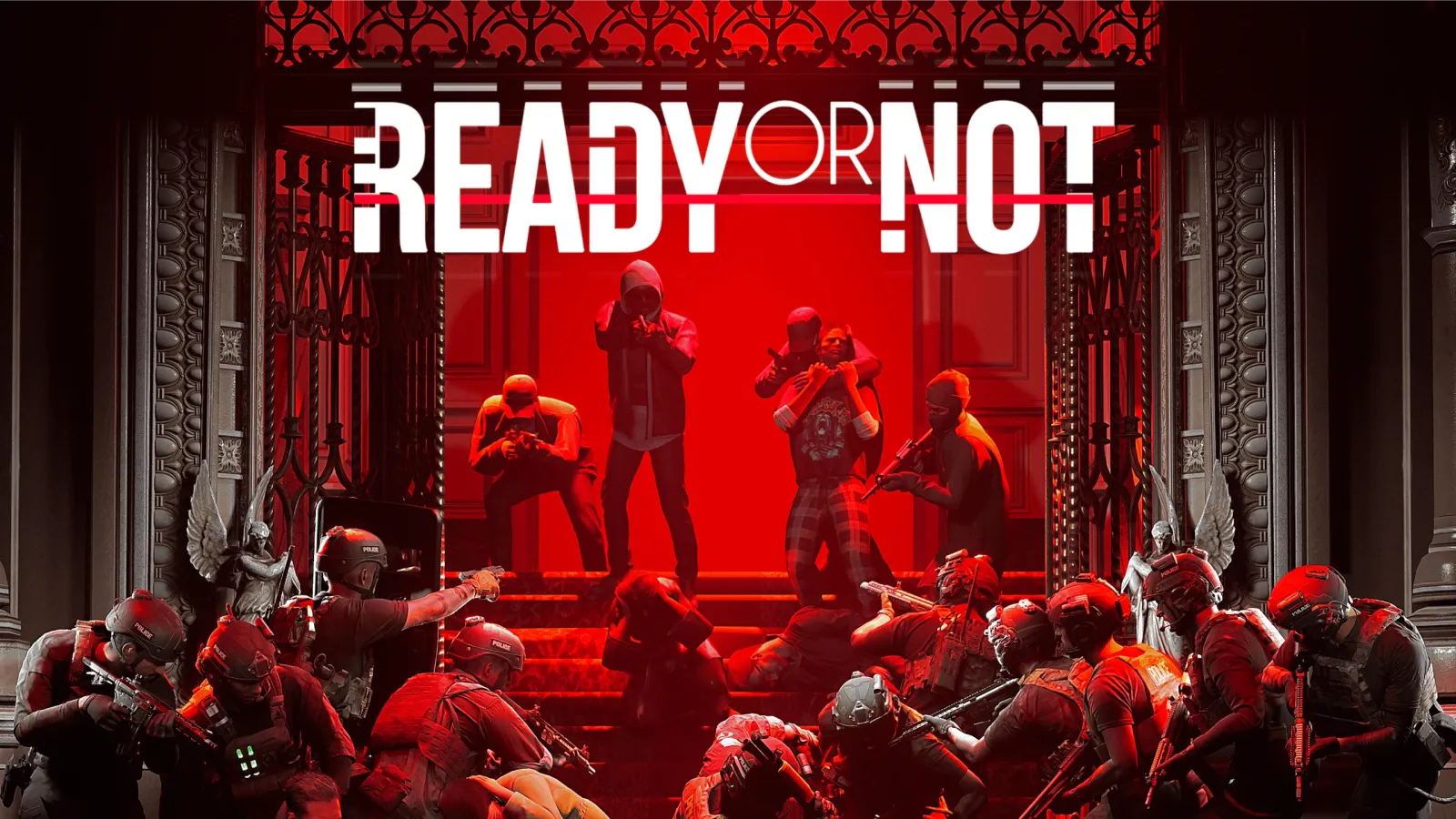
No review starts without some of my nostalgia moments, and this time it's SWAT 4, the game that got me hooked on tactical shooters from a young age. Although I played SWAT 3, it wasn't as much of a spectacle for me due to its design, but I played its demo at least 20 times.
SWAT 4 was a dark, heavy, and excellent game, a title that didn't offer the instant satisfaction that mainstream FPS games did at the time, but rather a slow and painful reward for patience and discipline. You weren't an action hero jumping through windows with a machine gun in hand, but a police officer tasked with neutralizing threats with minimal force. What fascinated me the most was that you never knew what awaited you behind the next door. The hallways were narrow, the spaces claustrophobic, and the tension was palpable. One wrong move and hostages would suffer, one hasty entry and the entire team could be wiped out.
That’s when I learned that true adrenaline doesn't come from endless action, but from moments of silence before something big happens. That feeling when you stand in front of a door, hear voices on the other side, and have to decide whether to send in a robot, throw a flashbang, or hope that “open, clear” ends without bloodshed. Those moments of tension and uncertainty are etched in my memory.
That's why Ready or Not immediately drew me in. For years, PC gamers have talked about it as the spiritual successor to SWAT, and I’ve held back from spoiling the story for myself. And thank God I didn't because this is a masterpiece, even though we've been shortchanged on console.
Atmosphere
From the first moments, Ready or Not builds an atmosphere of constant tension and uncertainty. While it’s always fun to go in guns blazing, that’s a great way to get killed in a second.
Been there, done that.
The first mission already teaches you a lesson, and you only have a few enemies in it.
Hallways are often poorly lit, shadows hang close to the walls, and enemies or hostages can be behind any door.
The game is really messed up with the briefing, as it promises you will have only one target and then surprises you unpleasantly.
When it comes to conflict, tactics and a cool head decide the outcome. You have to advance gradually, open doors with minimal exposure, use flashbangs, shields, and voice commands. Even when the action is in full swing, the game maintains a sense of realism: bullets don't pass through all materials or objects, shots must be accurately aimed, shooting blindly carries its risks, and enemy AI reacts to noise and lighting.
And believe me, something can always screw you over.
Tension often rises slowly, like the pressure in a room before a storm. The sounds are a brutal part of the atmosphere: the whisper of wind through ventilation ducts, the creaking of doors, the background buzz of civilian equipment, the nervous murmur or sigh of a hostage. Often, while you hear nothing, you actually realize that you have fallen into a trap, rather than surrounding enemies.
One of the strongest links of Ready or Not is the way the story and tone of the game seep through mission details, rather than through cut scenes. The lore is delivered subtly, through mission briefings, radio broadcasts, TV reports, or stickers that the villains religiously stick on the walls.
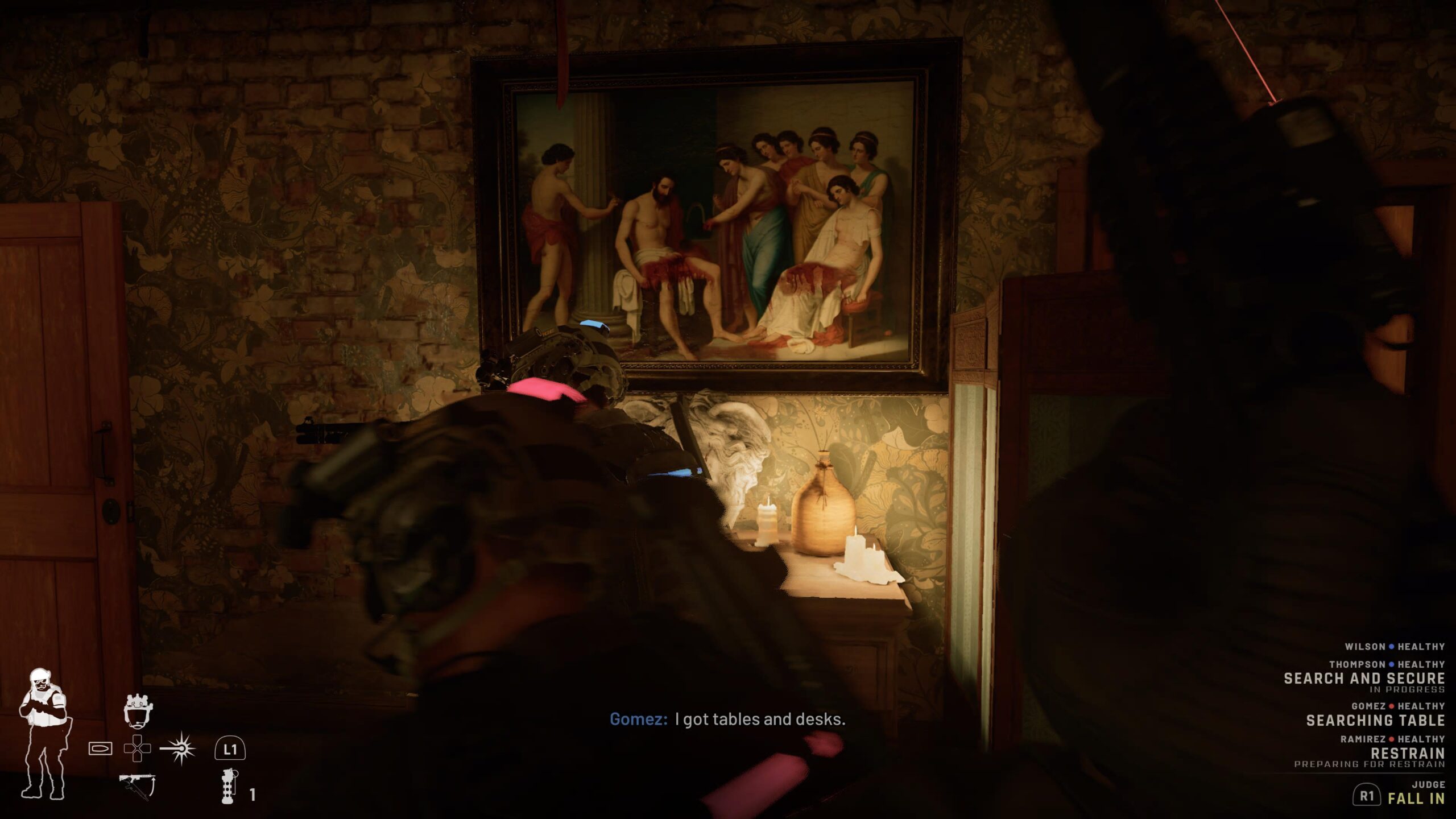
Each mission begins with a briefing where you learn some basic part of the story: criminal organizations, political pressures, internal conflicts between lawyers and local police are mentioned.
Sometimes the briefing contains notes that the operation was “taken over” from an internal source or that the local police chief/politician/president of the volunteer fire department does not want too much visibility. In later missions, you realize that there are far darker games behind this game (oh what a bad pun) and that the Judge is just a puppet in a much larger plan, which one villain tried to warn us about. Spoiler alert, if you want conspiracy behind the story, here it is.
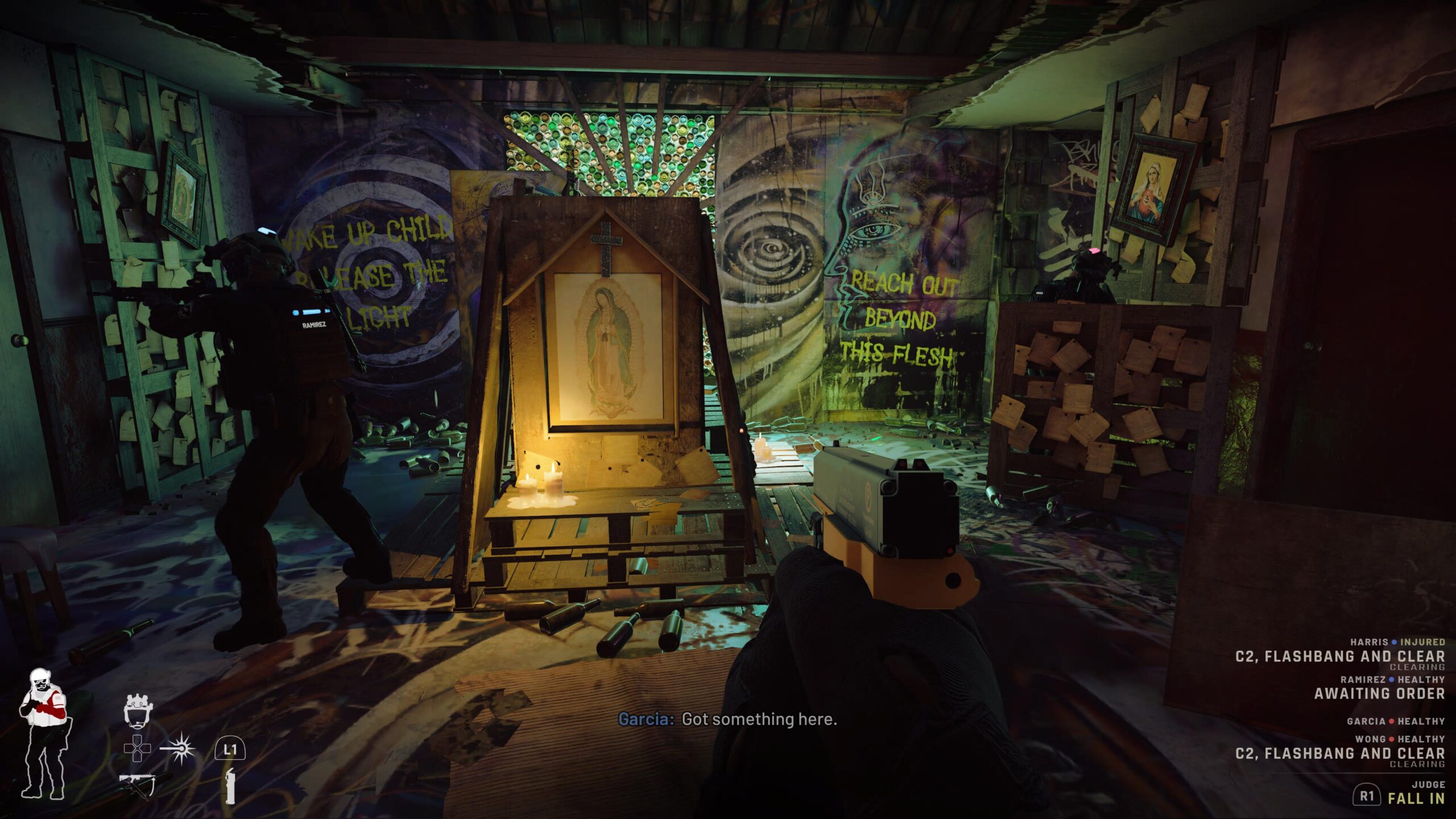
Hidden clues and non-verbal elements
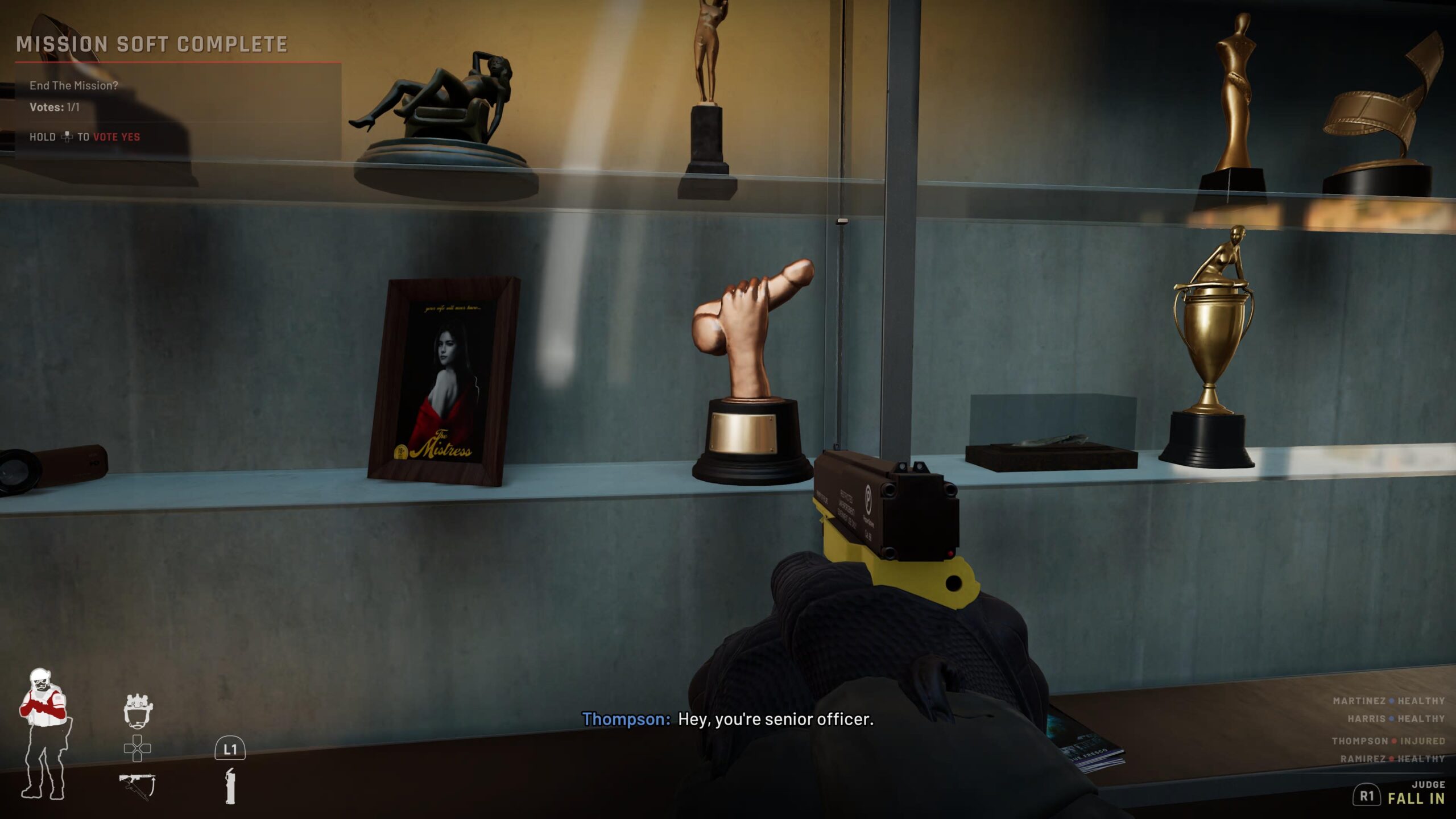
As you carry out missions, each room has its own stories — notes on the table, scattered objects, signs of violence, mobile phones, and messages that someone tried to erase. Most often, you won't notice everything on the first pass, but when you return or replay a mission, you notice a detail that whispers to you: “Here’s your context.”
For example, in a mission that looks like a routine drug raid, you find a phone with content discussing “udge and financial transfers.” Or in the case file, it states that this is one of the operations where you are expected to quietly withdraw, without much noise, as if someone does not want obvious action, but rather discreetly remove the problem. These random insights make the murky criminal world behind the game’s lines slowly surface.
Thus, from a mission that seems “ordinary,” you learn a lot about the organization behind the conflict, about power struggles, and about who might be the hostages and who is part of the criminal network. That layer of story is not primary in gameplay, but it is an essential addition that is rewarded to the attentive player.
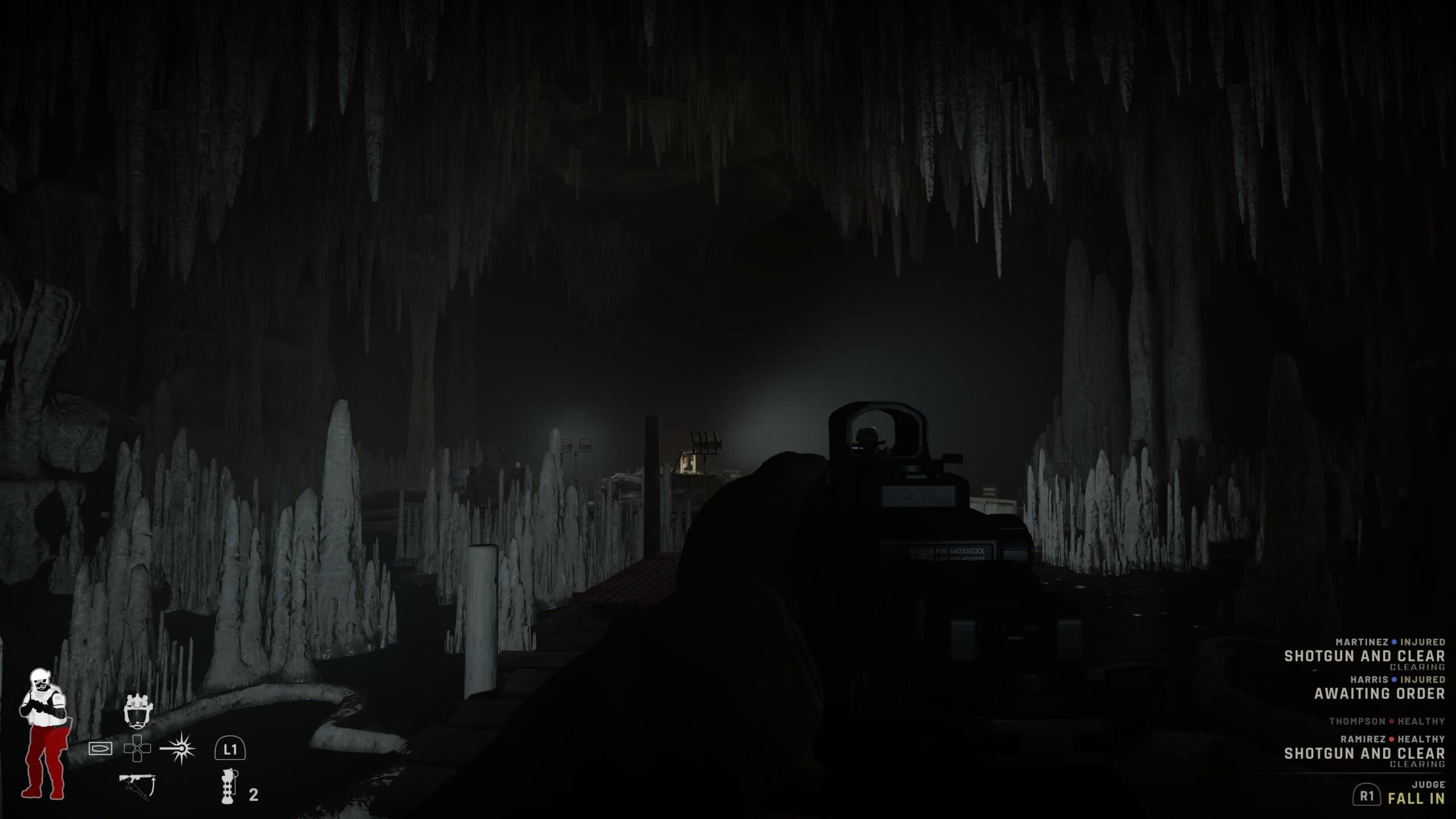
Gameplay
Each mission begins with a briefing that seemingly looks like pure bureaucracy, but actually sets the tone for the entire task. Here you learn details about the weapons the opponents have, about possible civilians, and about the area that needs to be cleared.
Based on these small pieces of information, you make decisions about equipment and tactics. Instead of randomly picking a gun and jumping into action, you have to think ahead because a wrong choice of equipment will cost you dearly later on.
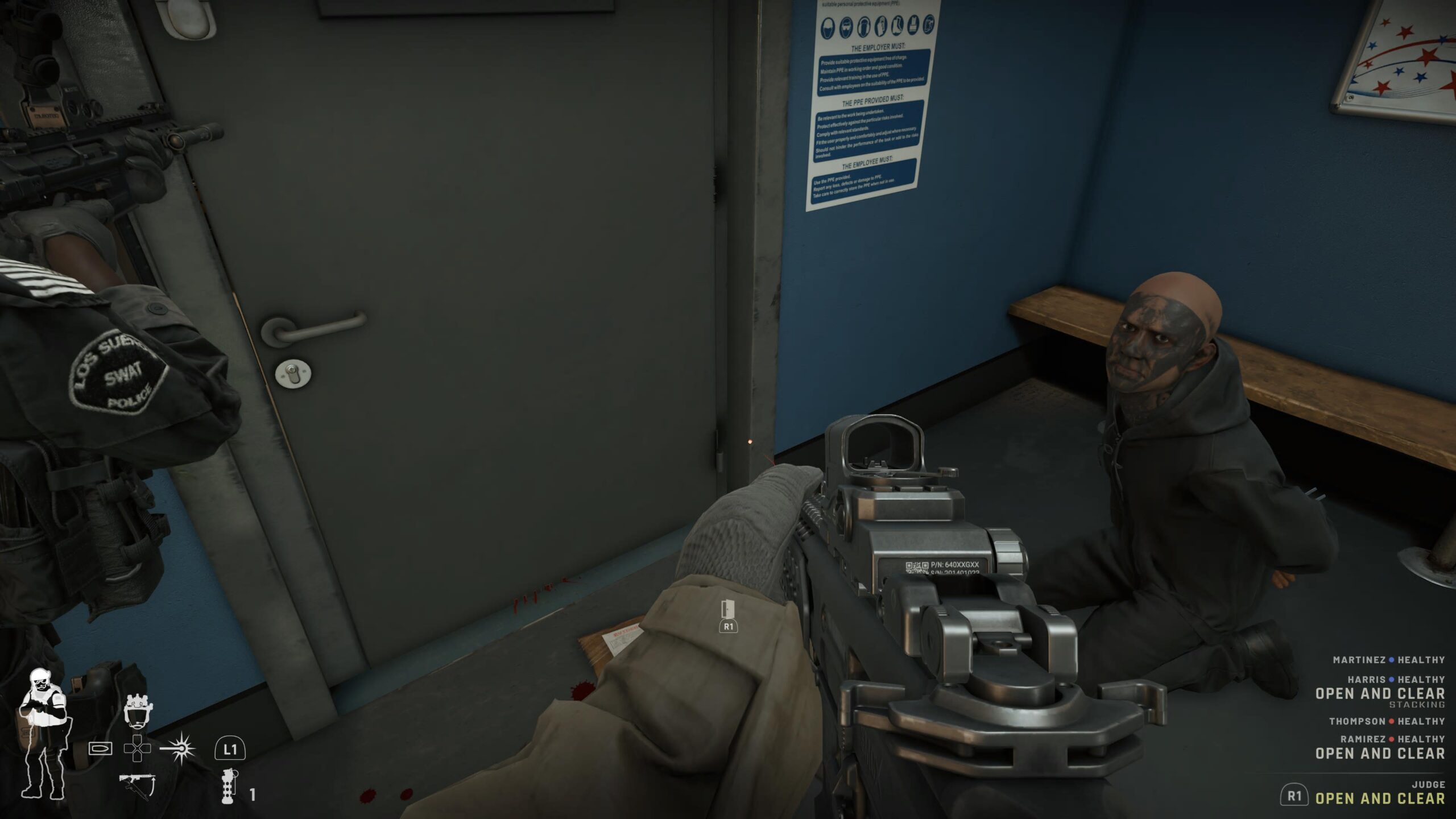
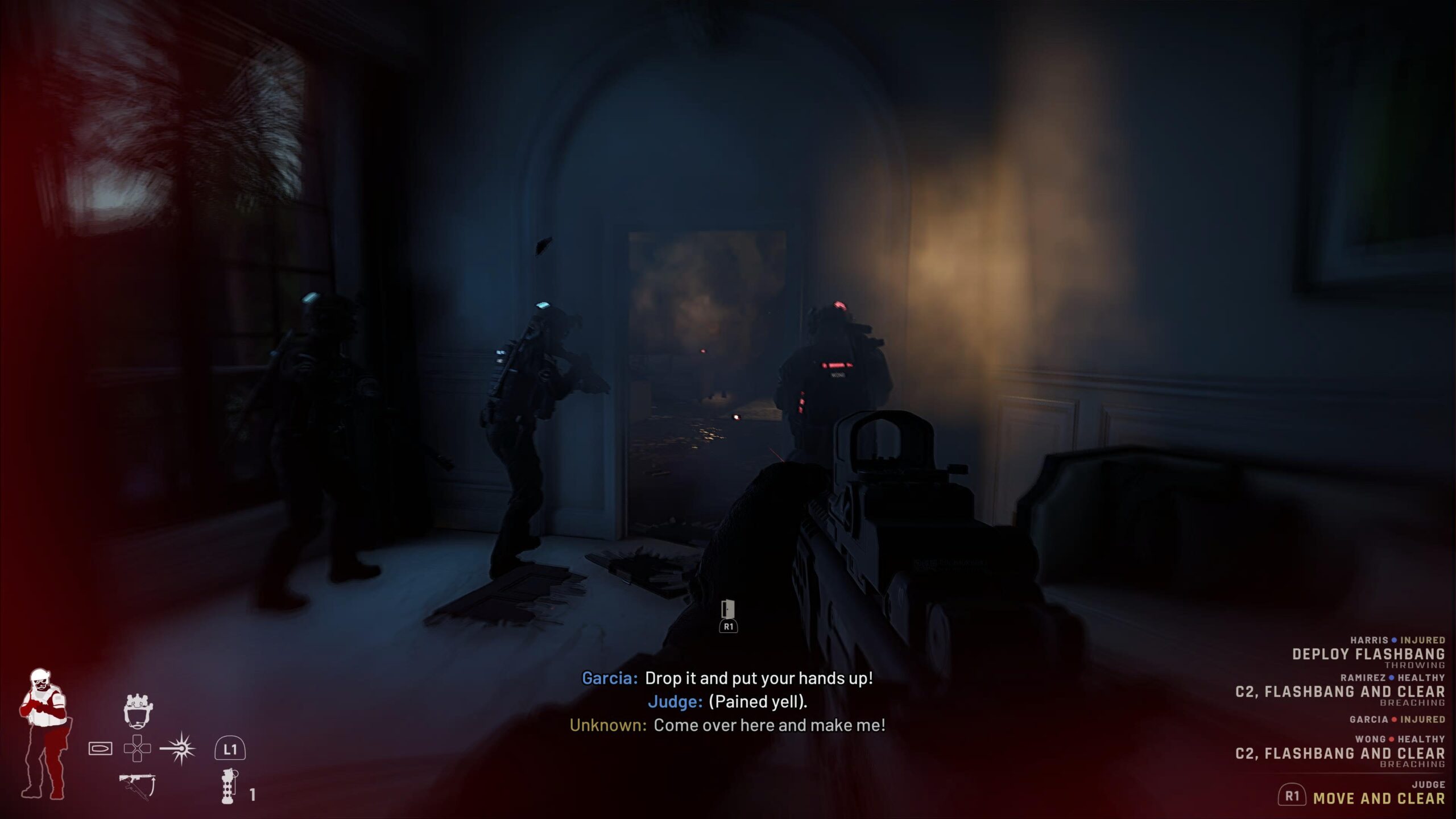
When the mission itself begins, the pace is significantly different from what is considered mainstream FPS today. There is no rushing through hallways and random shooting. Everything unfolds slowly, with an emphasis on discipline and procedure. The most important tool you have is your team. As the commander, you lead them through the space, giving them orders to position themselves by the door, to open it, to throw in a flashbang, or to apprehend a suspect. If you are late or make a mistake, no one will fix the situation for you.
Managing team members on the console is simplified compared to the PC version, but still complex enough to require planning and thought.
Weapons and equipment are a very important choice, although I found a setup that works for me in almost every mission.
Each gun has its purpose, and secondary weapons can often be more important than the primary one because you frequently need to act precisely and without excessive force.
Nelethal equipment like tasers or beanbag shotguns is often more useful than bullets because the game insists on adhering to the rules of engagement. Shooting without warning or unnecessary killing of civilians leads to penalties and loss of points. This is something that forces you to think and slows down the game, but at the same time gives it a weight that few shooters have.
Enemies and civilians behave unpredictably, making each mission unique. Opponents do not move according to set patterns; sometimes they shoot immediately, sometimes they try to escape, and often they will surrender if you surprise or intimidate them.
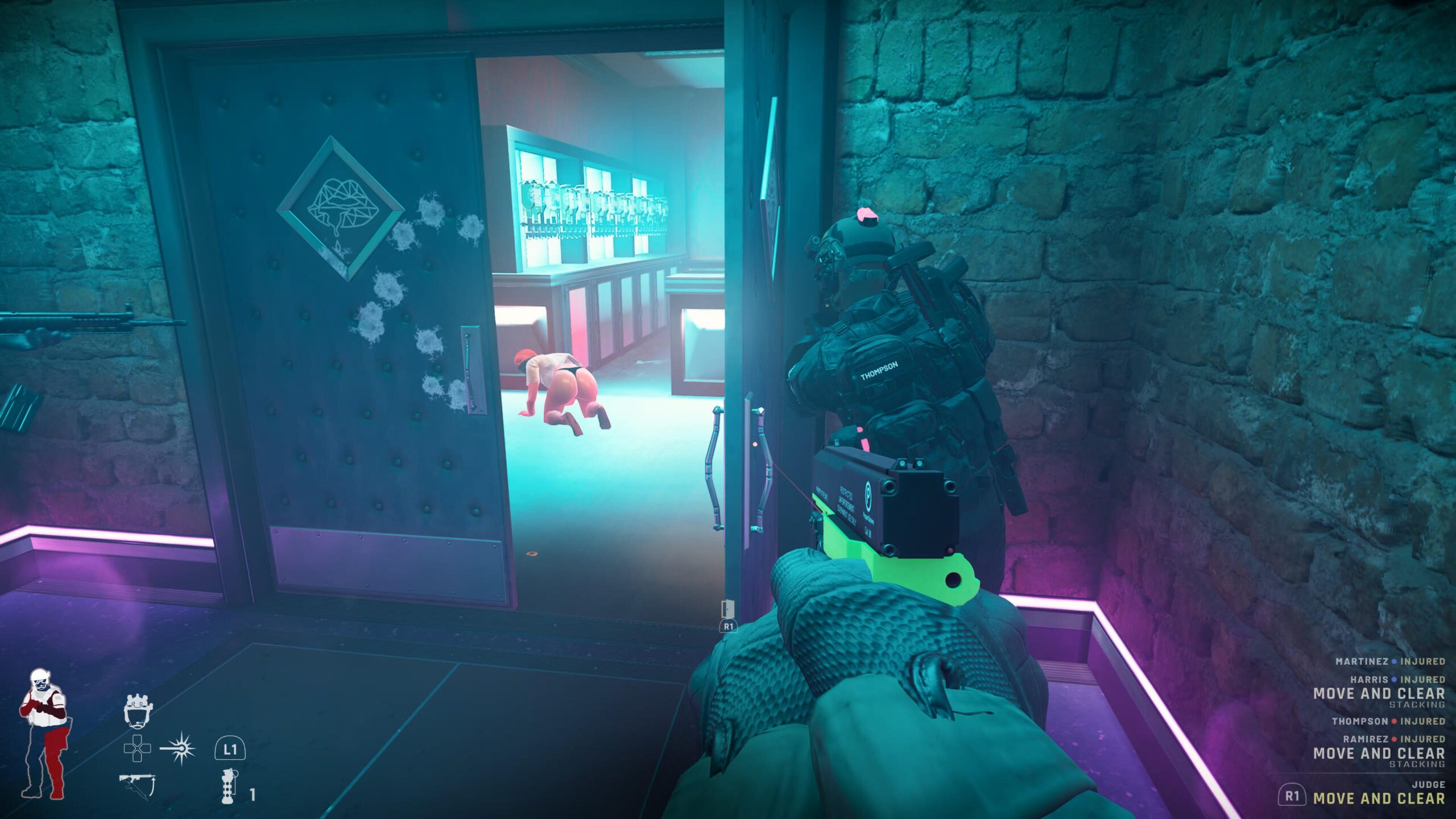
Civilians do not stand still in a corner; they run, panic, and obstruct, and they can be hit by a stray bullet if you do not react in time. This uncertainty creates constant tension because you never know whether the room you are entering will turn into a massacre or a peaceful surrender.
The game's pace is methodical and requires patience. Each room is treated as a separate threat, and every passage as a potential trap. There is no sense of security even after clearing half the building, as there is always the possibility that someone remains hidden or that a civilian will pull out a weapon and turn into a threat.
At the end of the mission, you don't just receive a rating on whether you survived, but also on how well you adhered to procedures, how effectively you neutralized threats, and how accurately you reported the situation. This constantly reminds you that you are not a soldier in war, but a police officer subject to rules and responsibilities.
Of course, you can always use my defense in case you mess up:
Playing solo offers a challenge as you rely on AI which, although solid, still requires constant micromanagement. This can be frustrating, but also rewarding when you manage to coordinate everything. On the other hand, cooperative gameplay shows its full potential.
When you play with friends and everyone takes on a specific role, the experience becomes incredibly authentic. At that point, Ready or Not transforms into a true simulation of police raids, where voice communication and real-time coordination determine the success of the mission.
Gameplay is designed to reward discipline, tactics, and a cool head, while punishing rashness and disregard for procedures. Every decision, from how to open a door to the moment you pull the trigger, carries weight. It is this combination of realism and constant tension that makes Ready or Not: Console Edition one of the truest successors to Swat 4 and a genuine tactical FPS that stands apart from everything currently dominating the market.
Final Verdict and my rant about censorship.
Ready or Not is still a fantastic game. The atmosphere, gameplay, realism, and tension make it a top-tier tactical FPS, a worthy successor to Swat 4. However, due to censorship, it lacks a layer of truth, that layer which made you feel uncomfortable after a mission, that made the game linger in your thoughts long after turning off the console.
The rating is 9/10, and that is solely due to censorship. If the content had remained completely intact, I would undoubtedly have given it a perfect ten.
If you don't want spoilers, don't read my rant any further.
The controversy surrounding censorship in Ready or Not is something you cannot avoid when talking about the game. The devs, after the initial release, decided to cut or tone down certain missions and story elements on consoles, which sparked strong reactions among players.
The reason is, of course, the sensitive theme of work related to the exploitation of minors and the broader context of criminal networks. In the PC version, that storyline was much more explicit and direct, while on consoles it underwent changes and sanitization to pass certifications and avoid media backlash.
The game originally builds its story through a series of interconnected missions. The 23Mb mission leads you through an investigation that starts seemingly innocently, with a fake swatting call, then uncovers an illegal crypto mine, and only then do hints of something much darker surface. It is these small details and hints that give weight to the investigation.
From that material, you come to Mindjot, and further find evidence leading to Brixley’s Talent Time, where hidden layers of exploitation are depicted through environmental details and side evidence. Brixley was the supplier, Mindjot the manager, Voll the one who profited. The streamer is portrayed as a user and consumer of forbidden content.
The main mission Valley of the Dolls was never actually focused on the explicit depiction of horror, but on gathering evidence that connects Voll to Mindjot and the entire operation. The shocking element you find in the basement, realizing that the character has a fetish for his own daughter, has been replaced with the character having an obsession with… PORCELAIN DOLLS?!
What.The.Fuck.
So they totally killed the mission; when I saw how it originally looked, I realized why the mission takes place on her 18th birthday.
On consoles, those missions are noticeably toned down. There are no direct visual depictions, the most intense moments have been removed, and everything has been reduced to hints and insinuations.
You can still sense what it's about, the trace of the story is still visible, but the eerie feeling that gave the game authenticity and brutal honesty is gone. Ready or Not has never been a “comfortable” game; it was designed as shock therapy that places the player in real, harrowing scenarios where there are no black-and-white solutions.
By removing those elements, the balance between raw reality and fiction has been disrupted, and that is precisely what divided the audience.
On one hand, censorship allowed the game to be released on consoles and reach a wider audience. On the other hand, fans feel that a crucial part of its identity has been removed. The greatest strength of the game has always been in forcing you to confront uncomfortable and painful themes, to feel the weight of moral decisions, to understand that the world of crime does not look like a pure action spectacle but like a claustrophobic and dirty web where victims are often the most vulnerable. When that dimension is softened, the experience loses part of its authenticity.