I have to admit, the game attracted me because the trailer reminded me indescribably of an old NES title, Solstice.
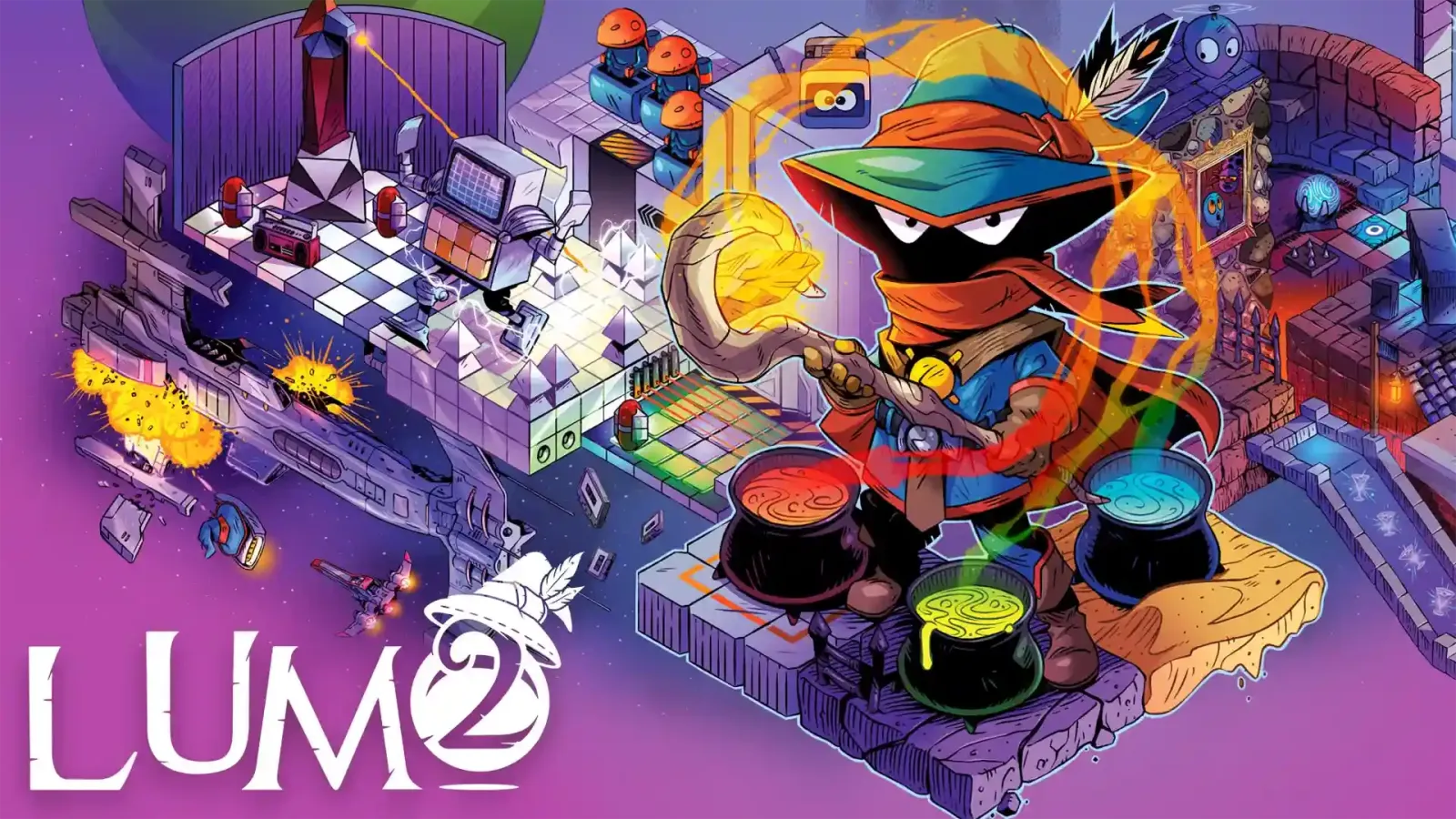
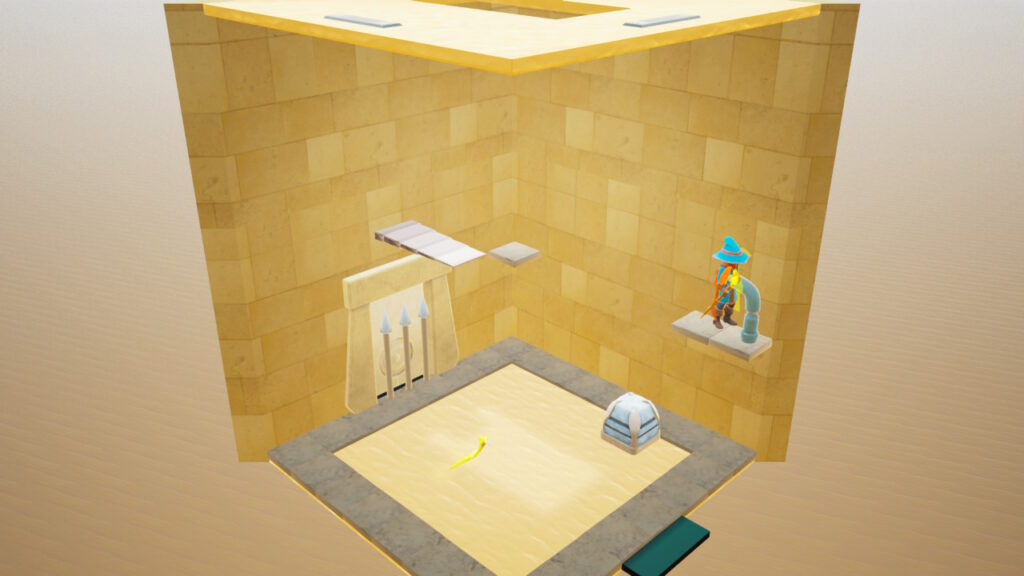
Isometric view, a wizard with a blue hat, simple gameplay and a bunch of secrets just waiting to be discovered.
Already the first room hints that there will be a lot of references to legendary classics, when you see Dizzy lying in a puddle of his own...yolk?
You go up the elevator and see that you are offered 3 portals. Only three? Is that it? Don't be afraid, it's not. Each portal takes you to a completely different environment: Spaceship, Desert and Haunted Castle. And in each of them, numerous rooms and puzzles that you have to solve in order to progress - with a note that you can go through each portal quite quickly, but the game offers a lot more than that if you want to complete it 100%. And in order to achieve this, you have to go through a hundred rooms, collect a bunch of pixelated trophies, tape recorders and rubber ducks.
There is no tutorial, no story, you have to figure out what and how yourself. However, you only have two buttons at your disposal, one for jumping and the other for activating switches, pushing boxes and everything else. You will get another one later, but more on that later.
As I said before, you'll be looking at the isometric view for most of the game, which makes accurate jumping quite difficult, at least until you get used to it.
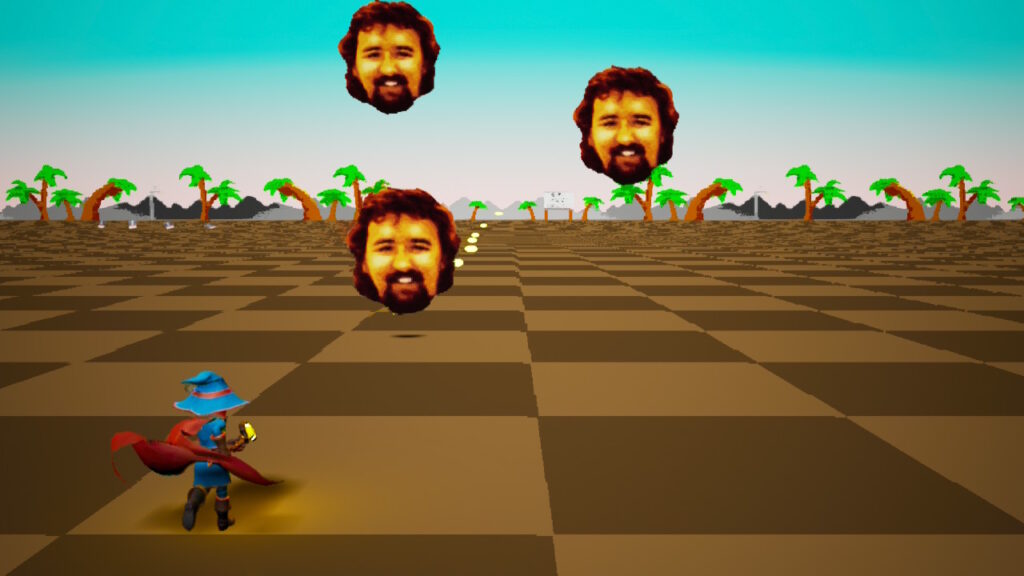
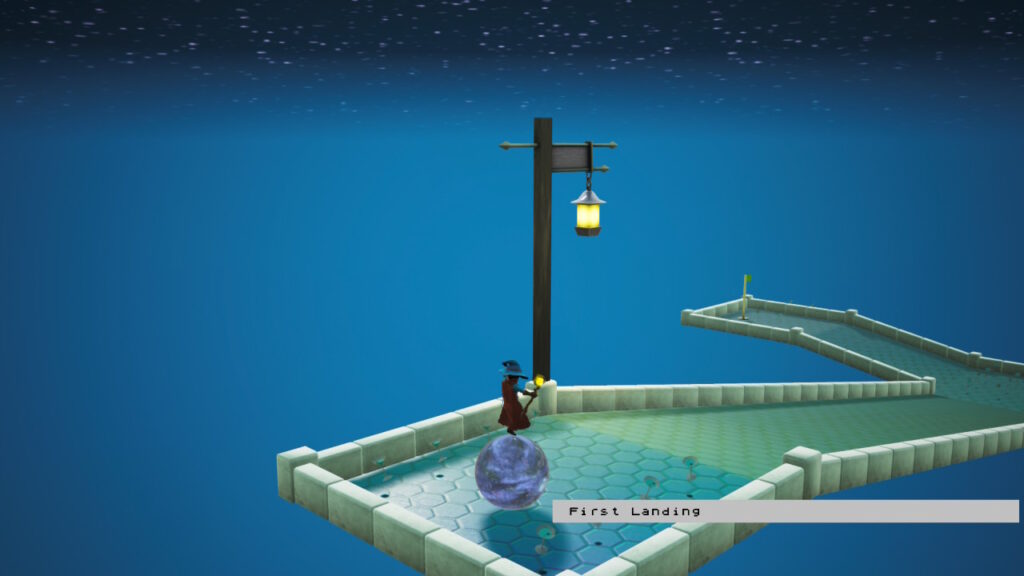
From time to time, the game will simply, without notice, transfer you to a 2D platformer or a 3D shooter, and if you belong to a slightly older generation of gamers, you will recognize all these locations and they will bring a smile to your face.
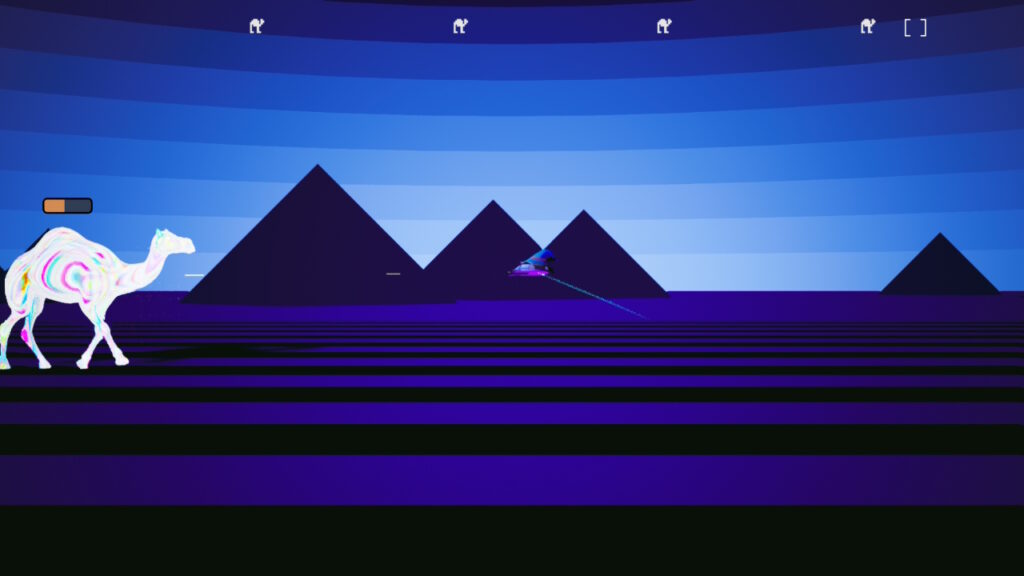
At the end of each portal there is a kind of homage to arcade games. There you will destroy the spaceship Uridium, fight against the flying heads of Kevin Toms (creator of Football manager, who shoot you, of course, with footballs), and on one level you will fight against camels from Attack of the Mutant Camels.
Each room presents a different challenge: sometimes you'll have to solve a puzzle to open a door, sometimes you'll connect wires to close a circuit, sometimes you'll jump on platforms to reach the level above. The puzzles are not too difficult, but they are very different, so you won't be able to solve them the same way. The game also keeps track of whether you have found all the items in the room, so you can know that the room is solved. Sometimes you'll need to use skills and items you get in other portals – double jump and a stick that reveals invisible platforms and doors, and camera rotation. The lack of a map makes orientation difficult, especially since some rooms have multiple levels.
If you die, and you will die countless times, you return to the beginning of the room - but you have an unlimited number of replays.
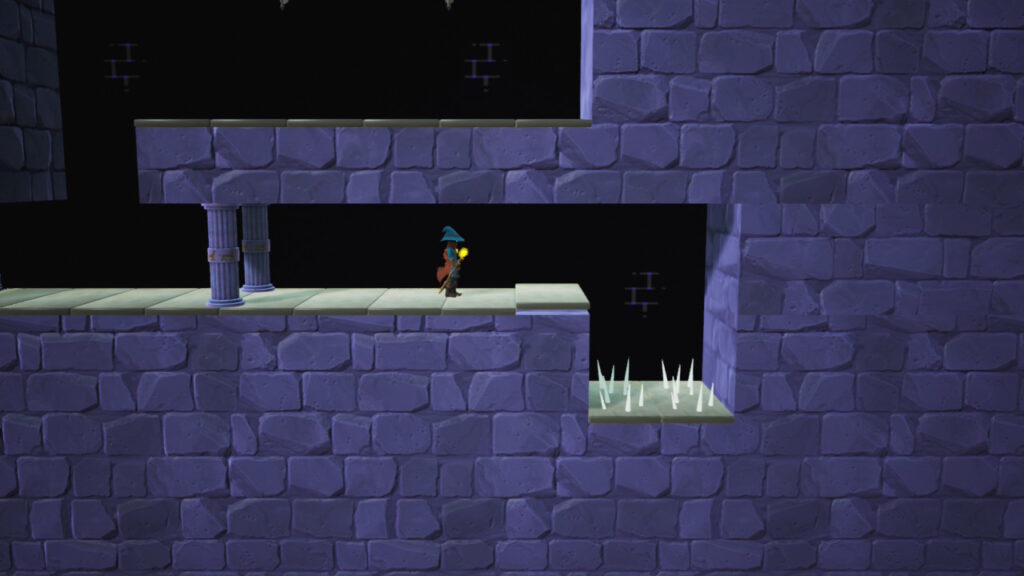
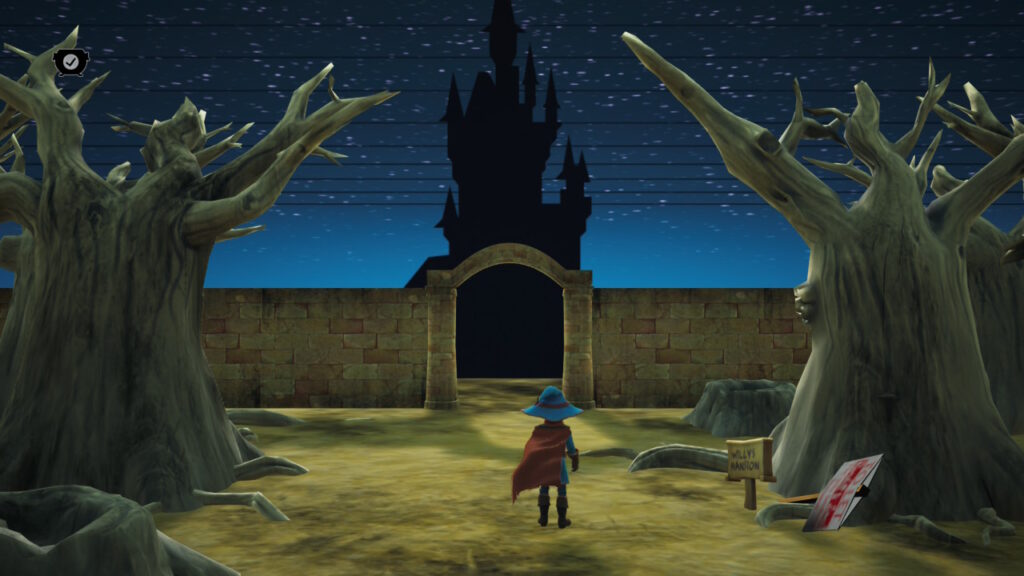
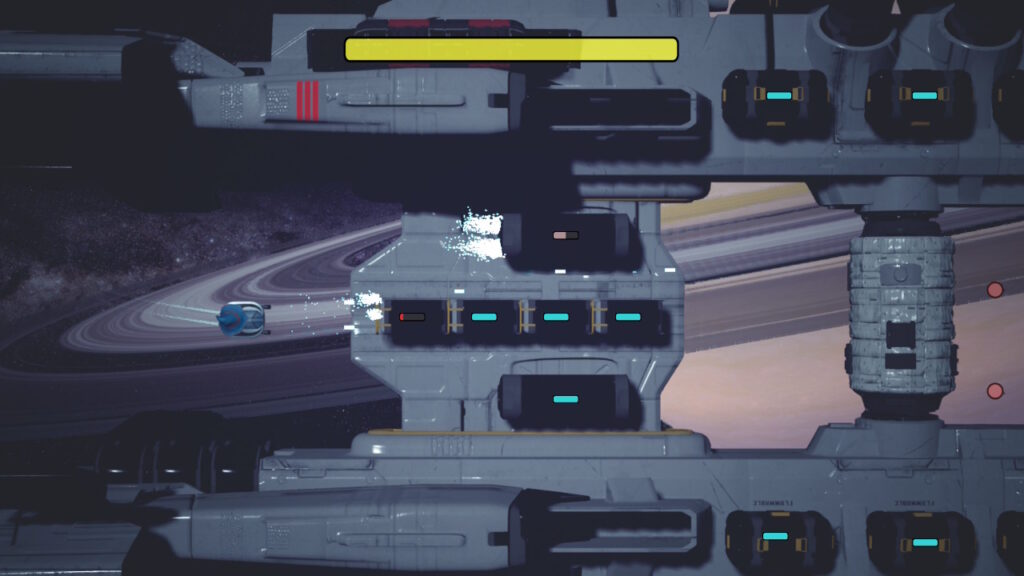
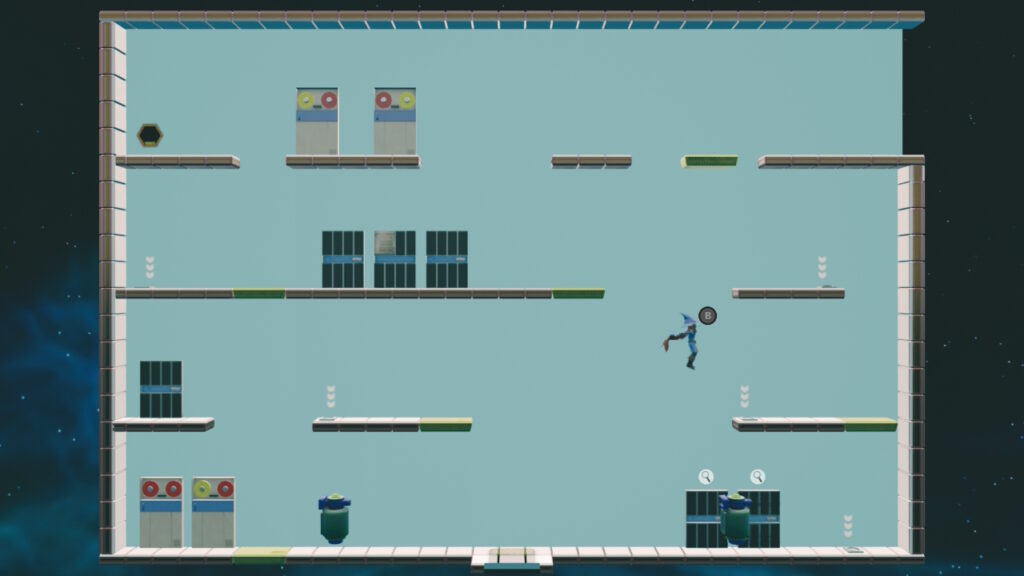
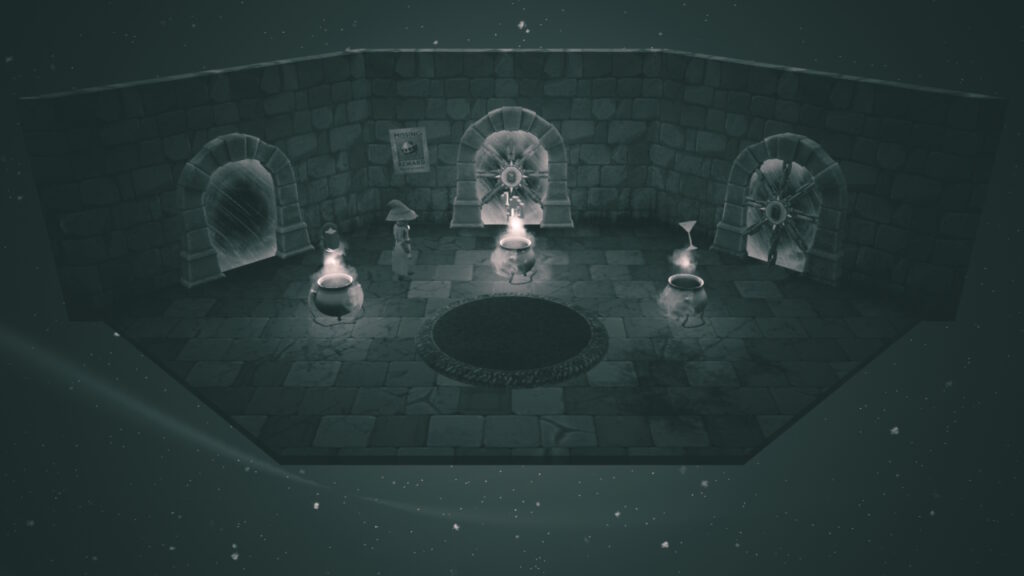
Controlling your character is unfortunately quite bad. Movement is very slow, jumps are imprecise, and the shadow, which should help you see where you're jumping, is practically invisible until it's too late. Until you unlock the ability to rotate the camera, you will be doomed to a bad camera angle that will be your worst enemy. All the jumps feel like you have a parachute, which helps when descending into the lower parts of the level, but is very annoying when you want to jump somewhere precisely. It is possible to speed up the fall, like a ground slam, but that too is rather poorly done and unresponsive. You'll often be sure you've hit the double jump button twice, but instead you'll be watching yourself slowly descend into the abyss.
The background music is a mix of retro synths, techno vibes and modern ambient sounds, all giving a nostalgic yet pleasant feel.
Graphics draws on the polished 8-bit and 16-bit generations of games, sometimes it looks superb, and at other times you see animals passing through objects as if they were not there. One mix of anything and everything, not necessarily bad.
Lumo 2 plays on the card of nostalgia and retro gaming, which, with the aging gamer population, makes sense. If you're not familiar with the older generations of games, I'm primarily referring to the 80s, because that's the period from which Lumo 2 draws its inspiration, you probably won't understand the references, and if you grew up on them, you'll enjoy exploring the rooms and waiting for which game you'll recognize next.
In any case, several hours of fun are guaranteed, and if you want to achieve 100%, you will still have to work a lot harder for it.
Sample of the game for review purposes provided by publisher Numskull Games