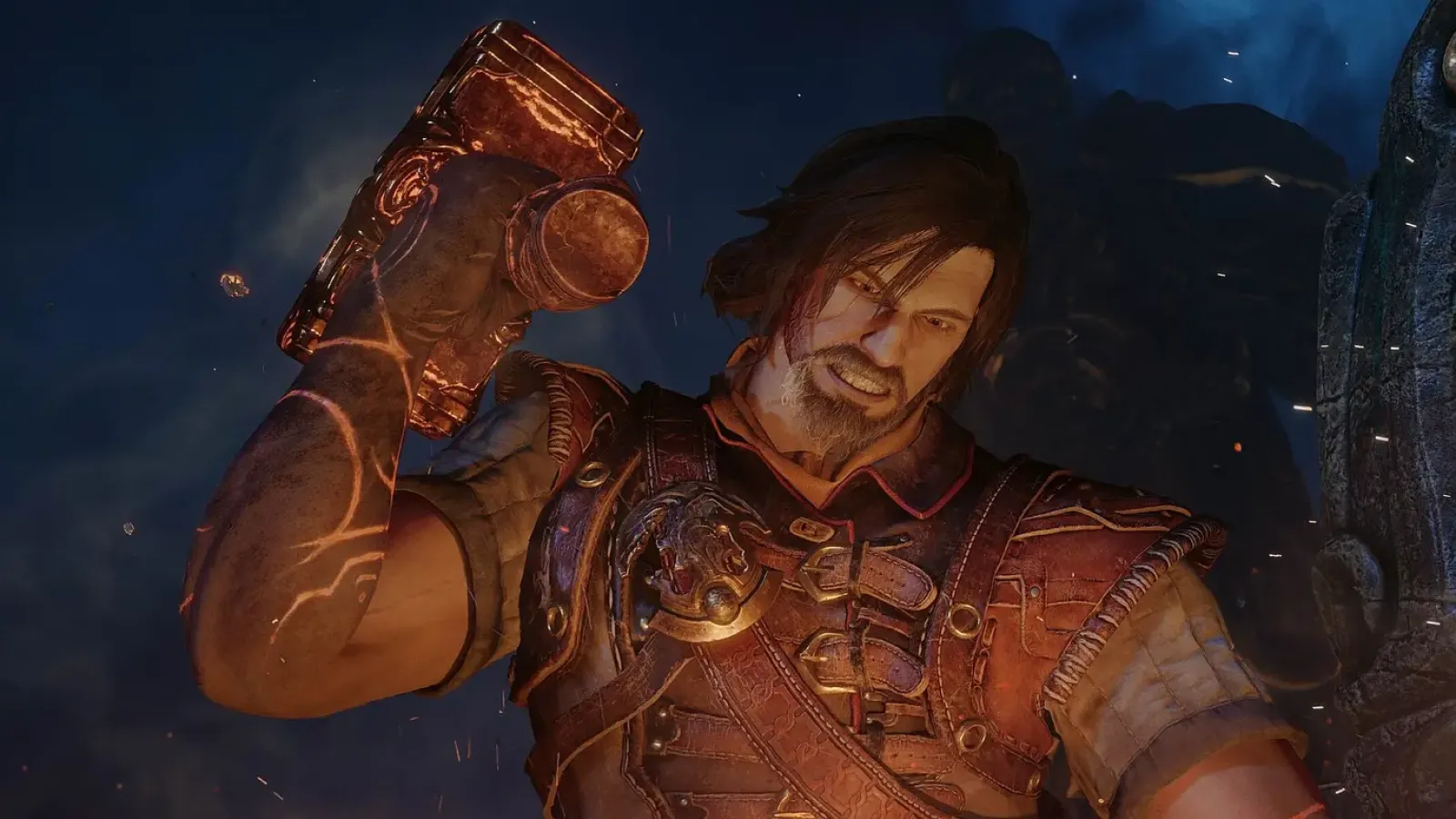
This interesting AA game is developed by MercurySteam, while the publisher is 505 Games. The game was released on May 22, 2025, and is available on PlayStation 5, Xbox Series X/S, and Windows platforms. The studio is known for titles like Scrapland, Castlevania: Lords of Shadow, and Metroid Dread – so, well-known names are behind this project.
The game is defined on paper as an action-adventure, although it doesn't feel that way to me. Perhaps that's an advantage – if it were just a classic hack & slash approach, it would quickly lose its appeal.
It is an action-adventure with RPG elements, very similar to soulslike games. And the soulslike genre is not my favorite – it's too stressful for an older gamer if they haven't previously immersed themselves in that style of play.
I must admit that the game strongly reminded me of Blade of Darkness – in the movements during combat and the attitude of the main character. It's no wonder, as I discovered after a bit of research that some of the creators of this game also worked on Blades of Darkness. It was a true nostalgic moment, as if the past had returned – perhaps a theme for a future retro review. ;)
Story
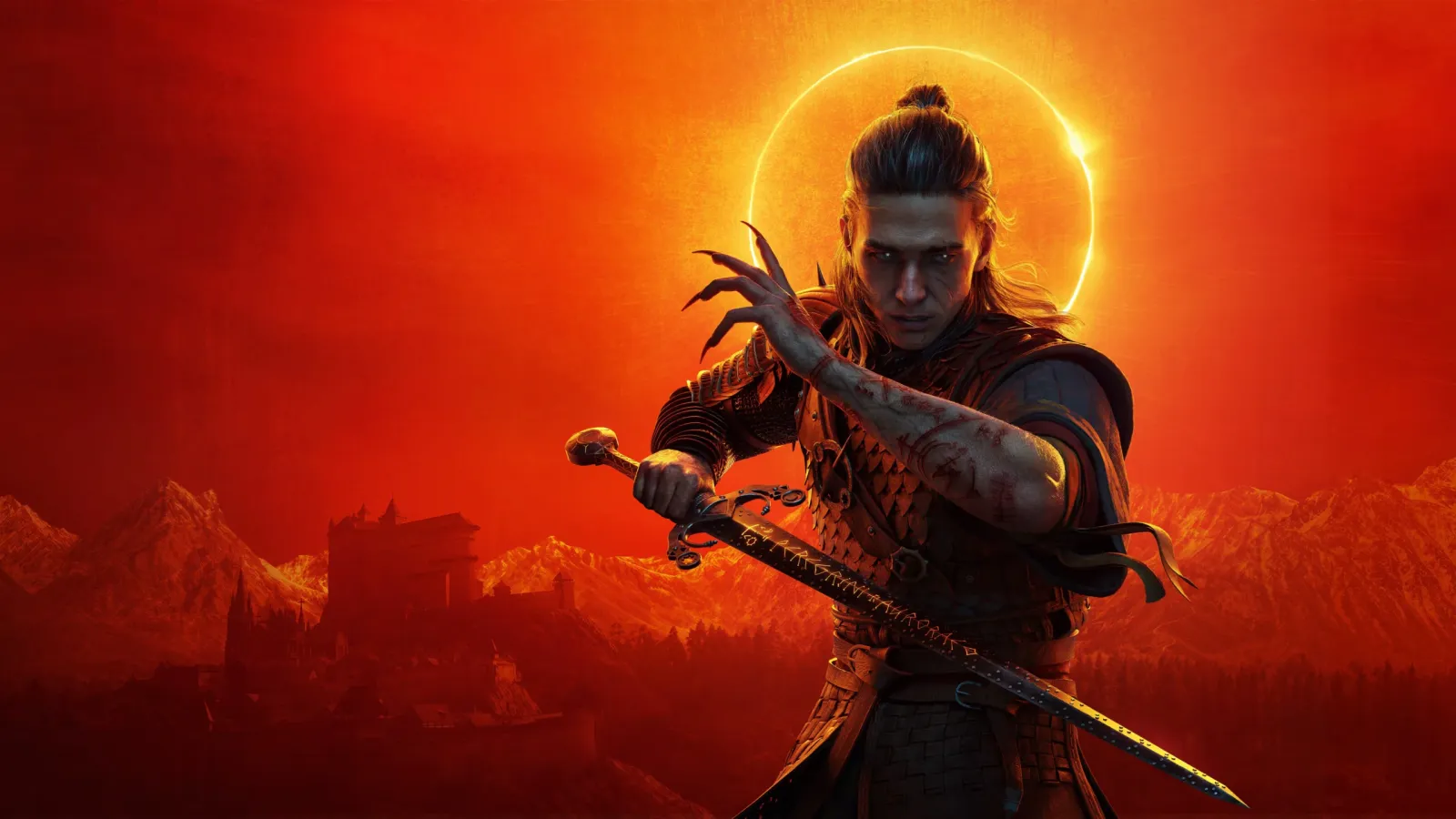
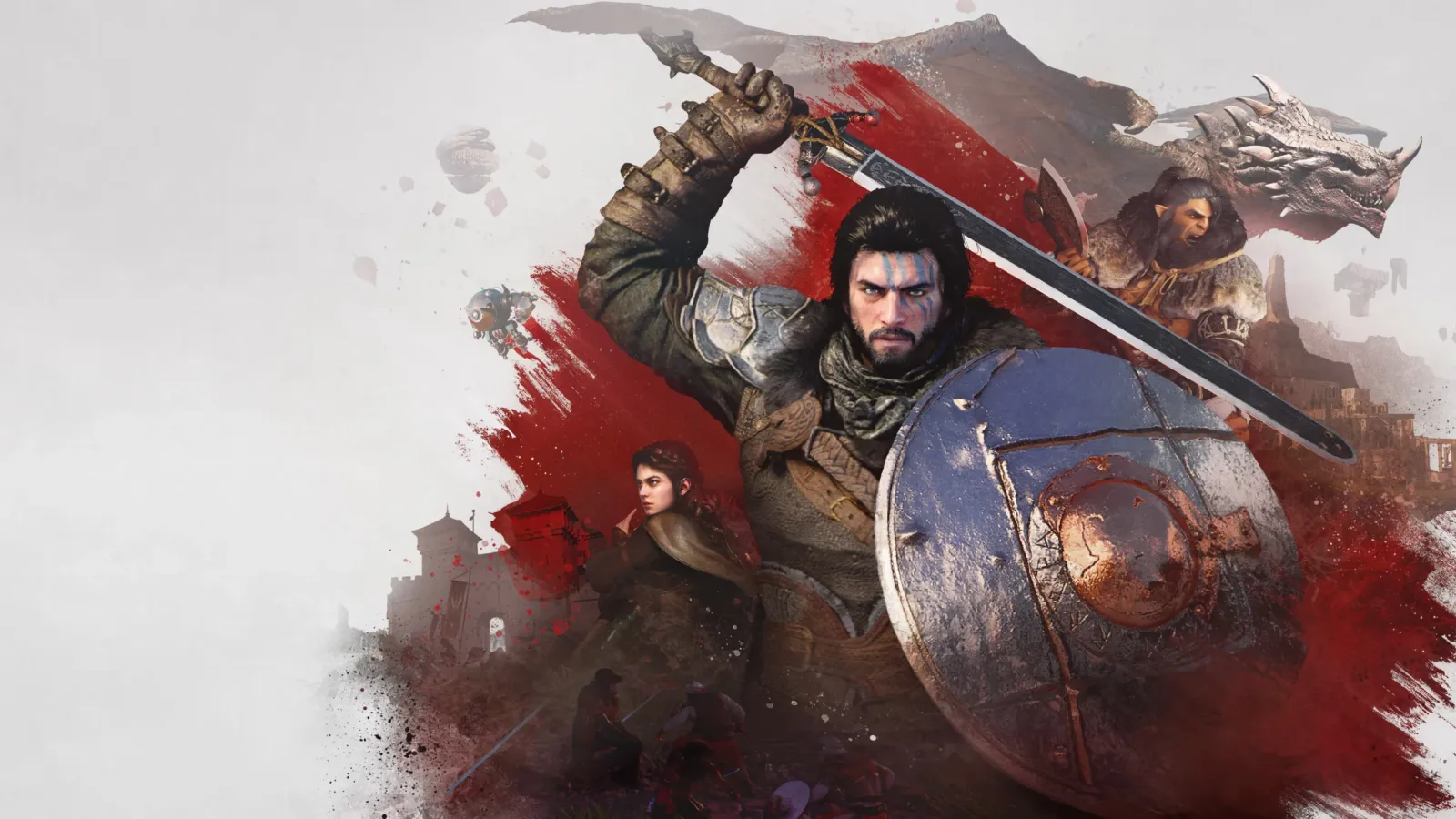
In short, the plot revolves around Queen Nerei who, after gaining immense power, casts a curse that turns all steel weapons to stone – rendering them useless against her. This is where Aran steps in, as he is the only one who can forge weapons capable of defeating the queen's army – the so-called Queen Dogs, as the game calls them.
The main goal is clear – to find a way to the royal palace and defeat the queen.
We enter the game literally from a hole – as if from some delirium or fever, we crawl out and stumble to the main protagonist, Aran De Lire. He is a hidden warrior, later also a blacksmith, who peacefully chops wood in the forest. As is usually the case, we hear screams and rush to help. A short tutorial follows that introduces us to combat – we learn to use 'slash' and 'stab', which will be useful later.
During the fight, our weapon breaks from the force of the blows, but Abbot hands us his sword to finish the conflict. Unfortunately, even though we saved the situation, Abbot dies in our arms. He tries to say something but breathes his last in blood.
His apprentice Adso joins us, and through dialogue, we learn that they were looking for us to help them fight against the growing threat. Adso then gives us the relic that Abbot intended to give him – a hammer, one of the seven hammers that shaped the world. Even Adso was not aware of its importance, which further confirms his sincerity and loyalty as a companion.
Adso becomes a key companion in the game – providing us with information about enemies and their weaknesses, helping to solve puzzles, and documenting our journey through drawings in the journal.
With this hammer, we are traveling to Forge of Gods for the first time, where we go through a challenging tutorial on weapon forging. Forging is a very interesting aspect of the game – as we progress through the story, it becomes clear that for each upcoming challenge we need new weapons or repairs of existing ones.
The first forging is a kind of mini-game – I was lucky and forged a sword with two stars. Each Forging Star symbolizes how many times you can repair a weapon before it becomes unusable.
The goal is to hit the 'white line' with the hammer, which indicates the ideal shape of the blade. You control the swing's strength and the angle of the strike, and everything happens through a system similar to a graphic equalizer.
Tip: if you hit below the line and have 4–5 attempts left, reheat the weapon – this can help with reshaping and allow for a better result.
The number of stars earned during forging determines how many times the weapon can be repaired. When it can no longer be repaired, it can be recycled for resources.
A large number of different weapons are unlocked in the game, depending on progress and the number of defeated enemies of the same type. This way, we obtain the so-called 'print' for weapons that are particularly effective against certain types of enemies.
In addition to swords, spears, hammers, daggers, sabers, great swords (Great Swords), twins (Twins)... Each category has multiple variants, such as Hyssop, WarPick, Warhammer, and others within the 'polearm' category. Most weapons are unlocked through Forge Scrolls.
Combat
Although the game offers as many as 35 different weapons, the combat system boils down to just a few basic attacks. For example, on the Xbox controller, the Y button targets the head, X the right side of the body, etc.
There are also charged attacks that deal significantly more damage. If they are lethal, a cinematic finish follows – hammering the hammer into the enemy's head. Brutal, but striking. As in every soulslike game, we have 'parry' and 'dodge', which often saves our lives. Honestly, I personally use rolling constantly – without it, I wouldn't survive. Over time, it becomes crucial to know the enemies' weaknesses, as some of them have different resistances on various parts of the body. Then the game becomes much more tactical.
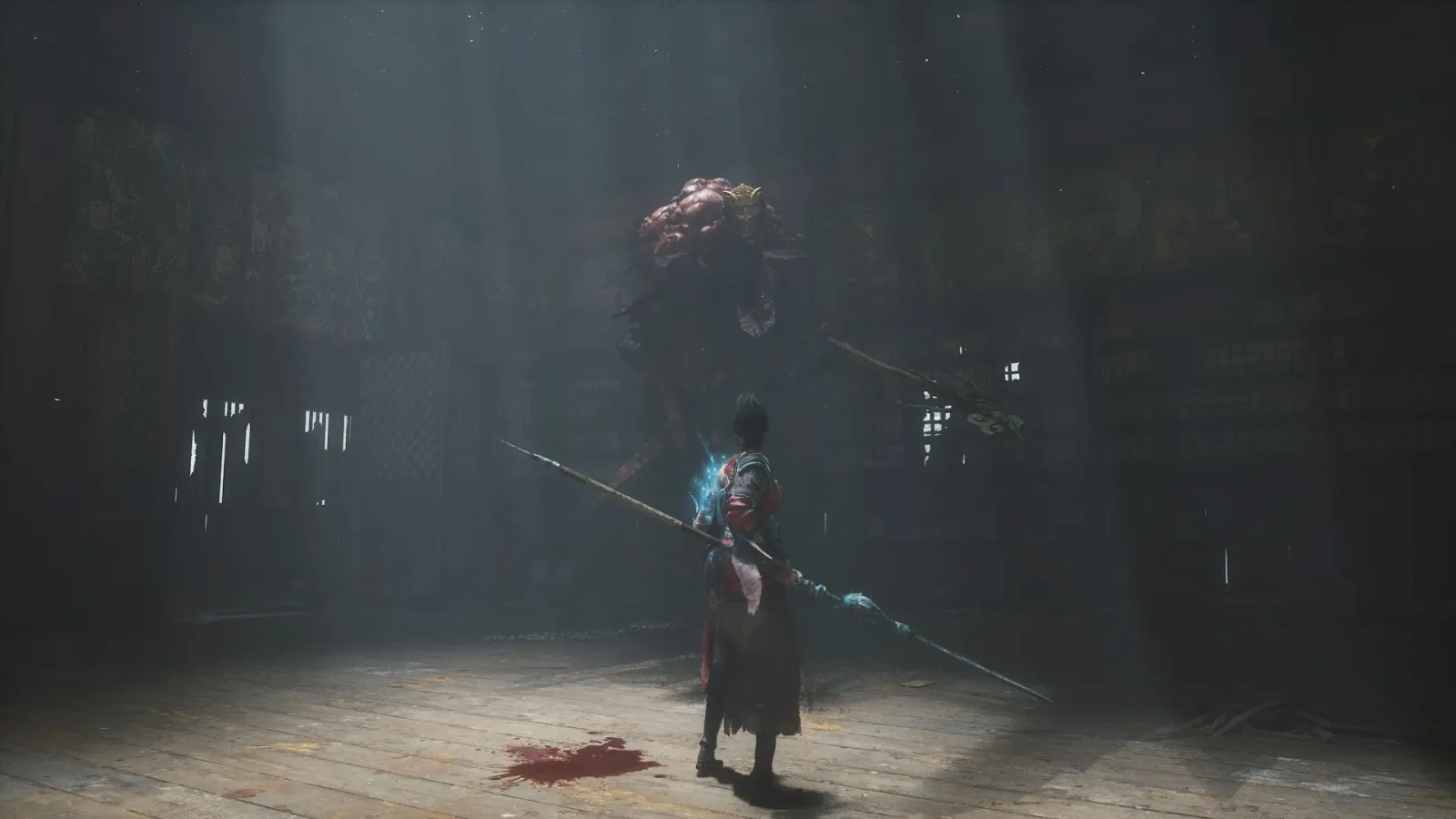
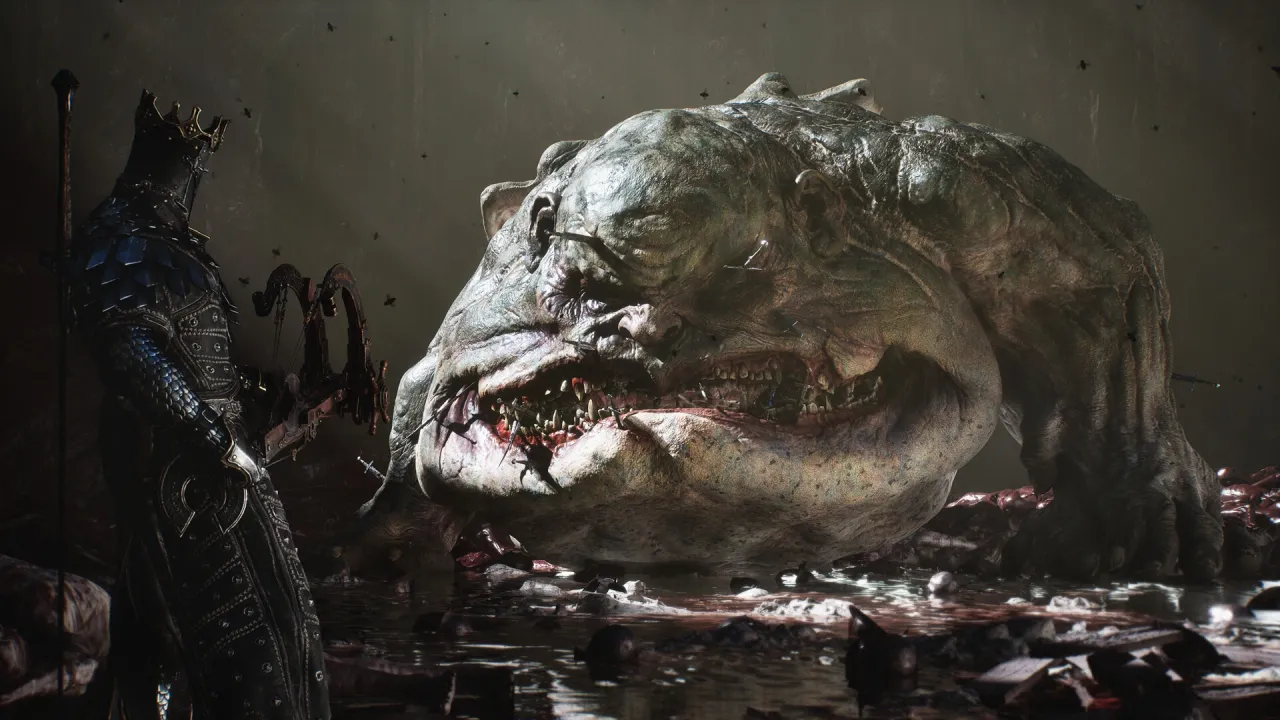
The first opponent that seriously troubled me was a Troll. When it has little health left, it becomes dazed, and then you need to quickly deal a few charge attacks. If you don't do it in time, it regenerates, and the fight starts over. It took me a few attempts to figure that out.
The anvil in the game has multiple functions – checkpoint, fast travel, access to the Forge, recycling, and resting to regain health.
If you die, you return to the last visited anvil. The weapon you were using at that time remains at the death spot. If you don't have resources for a new weapon, you are forced to take the risk and go back for it, but I don't recommend that because enemies respawn every time you rest or die. Therefore, I recommend forging at least three weapons right away – a sword, a mace, and a spear. This way, you are covered until you unlock new ones.
Enemies are very diverse, so you must adapt your combat with the appropriate weapons, which often determines whether you will survive. I think that while you are executing an attack, there is no option to interrupt that momentum to avoid a hit. Dodging is only possible after the attack finishes.
An interesting detail is the color system displayed on enemies. They wear different armor pieces, and the color indicates how effective your attack is:
Green – maximum damage
Orange – partial absorption
Red – the attack is deflected by the armor. Focus on the green parts to deal the most damage.
Graphics and visuals
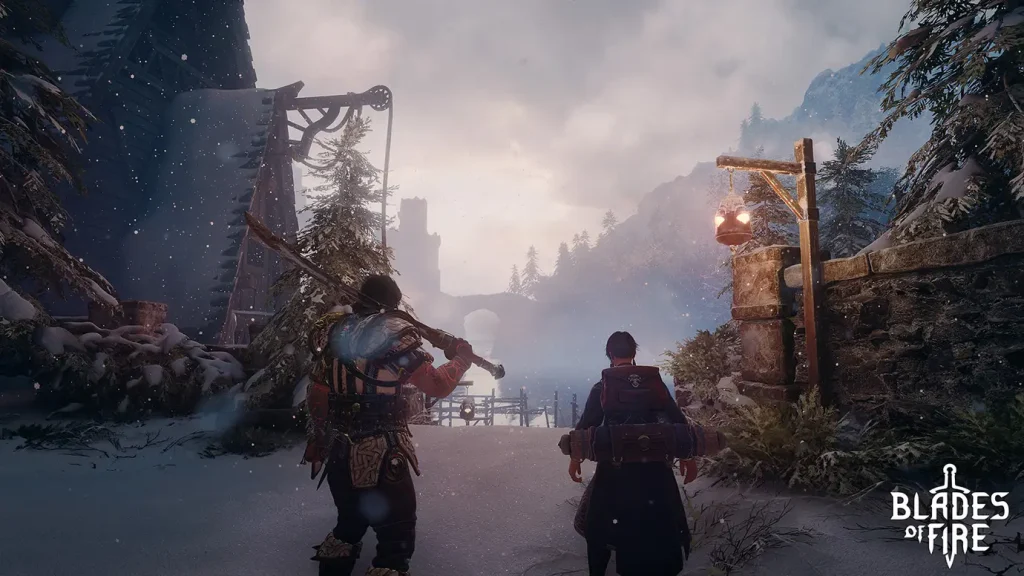
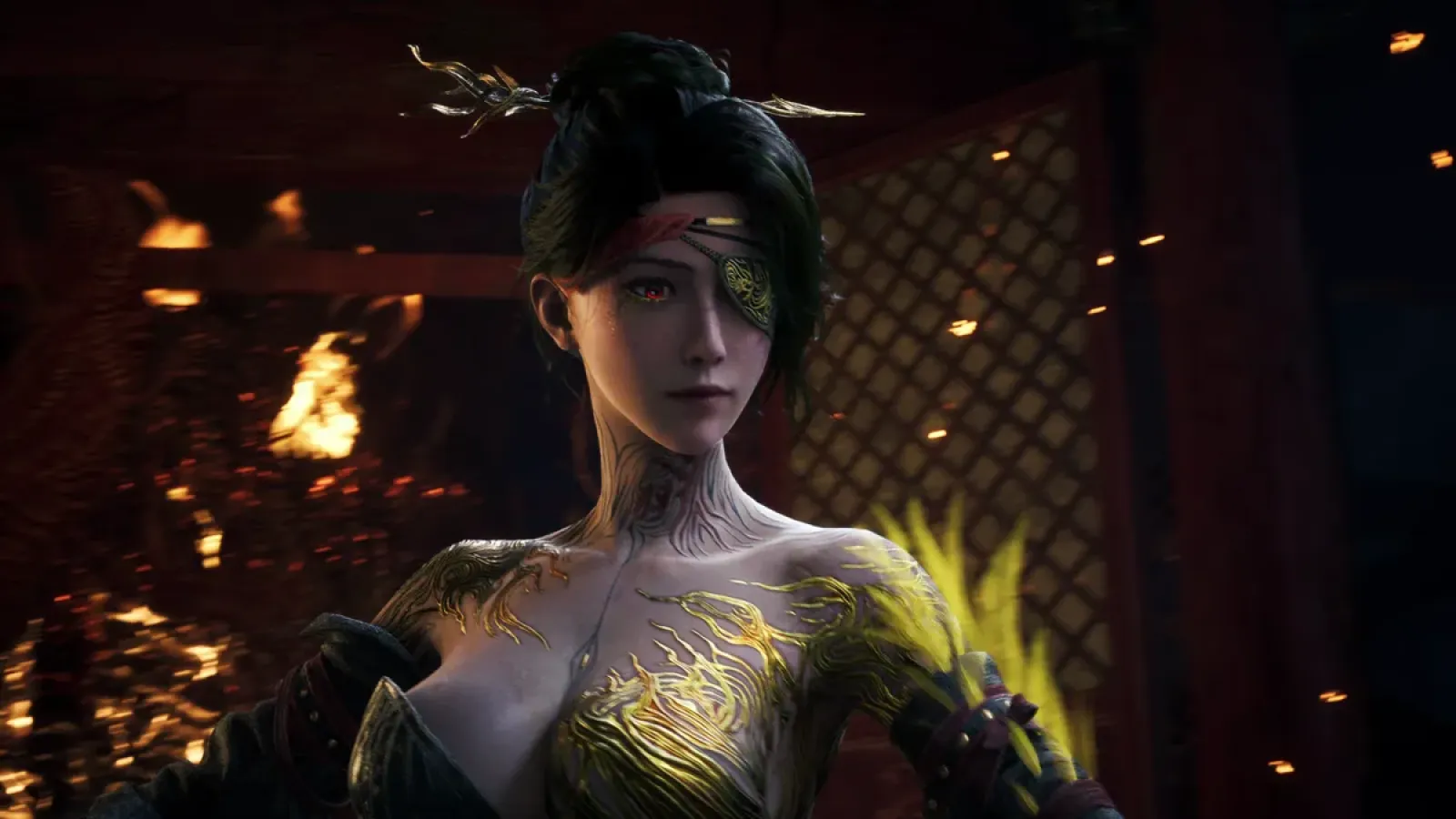
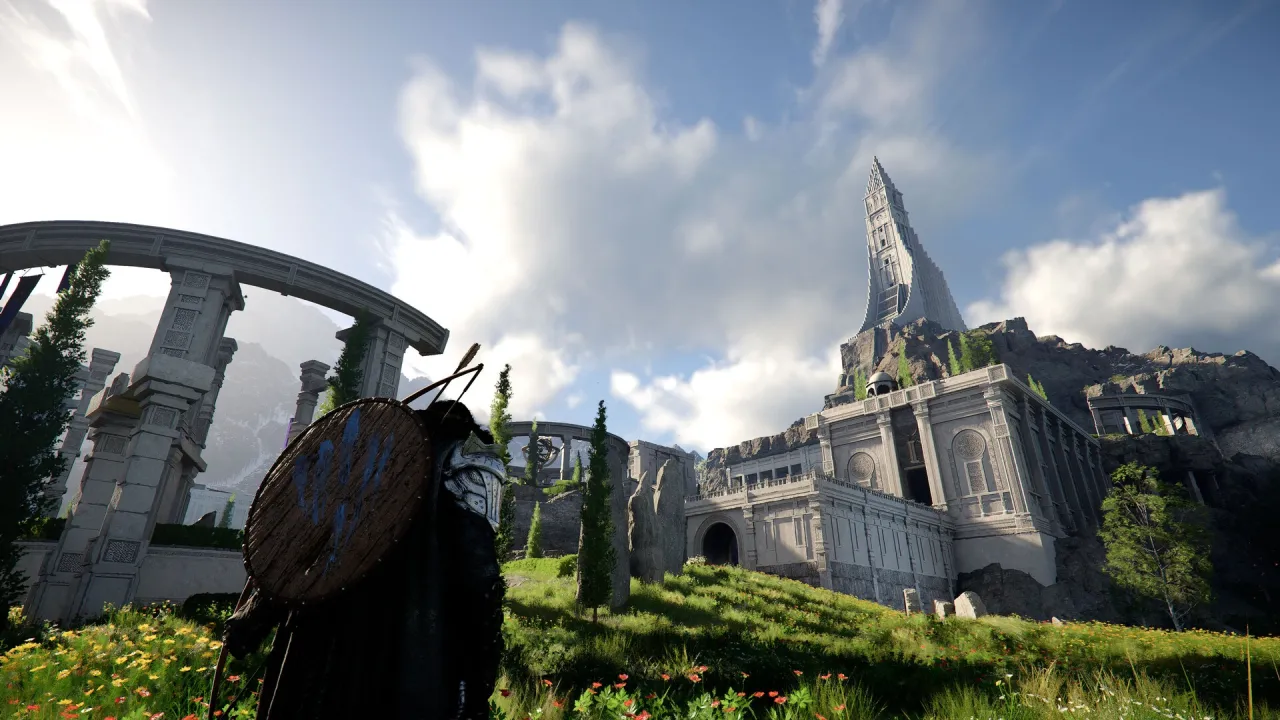
I must admit that I was surprised by the visual presentation of the game. The character models are detailed, and the landscapes are impressive – especially when you climb to higher points and look at the world around you. Considering this is an AA title made in their own engine, the result is outstanding. You can see how much effort and hours of work have been put into every detail of the game.
In terms of visuals, the game can stand alongside some AAA titles – there’s nothing to be ashamed of. It will be interesting to see what this development team will create in the future. Lighting plays a crucial role – the system is finely tuned to maintain high quality in large spaces, as well as in cramped, darker parts of the map.
Colors are not used just for aesthetics, but also for creating an emotional atmosphere. They help to raise tension, dynamics, and the overall experience. It is evident that the studio has maximized its previous experience and created something fresh and unique.
Final impression
Although this genre is not my first choice, the game slowly drew me into its world. Soulslike combat and deep RPG elements usually do not attract me, but here I found the perfect dose that suited me.
The impression is that the game mixes elements from Elden Ring, Bloodborne, and God of War – and in a good way. The biggest complaint goes to the story – it could have been deeper, with more emotional engagement. With such graphics, a stronger narrative component would elevate the game to an even higher level.
The combat animations could also be more diverse so that the fighting doesn't quickly become monotonous. All in all, a beautiful game, especially for those who are not fans of classic soulslike titles as it offers more room for strategy and preparation. I didn't notice any bugs, at least on Xbox Series X – which deserves praise.
It is clear that the game is carefully designed, with a clear vision and genre focus. The combat system and crafting mechanics give it an additional dimension. It's hard to say whether there will be a sequel, but the potential for new projects definitely exists.
PLUS:
- Excellent visual presentation
- Optimized performance (Xbox)
- Innovative combat system
- Diverse crafting and weapon upgrade options
MINUS:
- Too low weapon durability at the beginning
- Superficial story
- Poor map system
PS: the game can be tried in a demo version!
Game copy provided for review purposes by publisher 505 Games