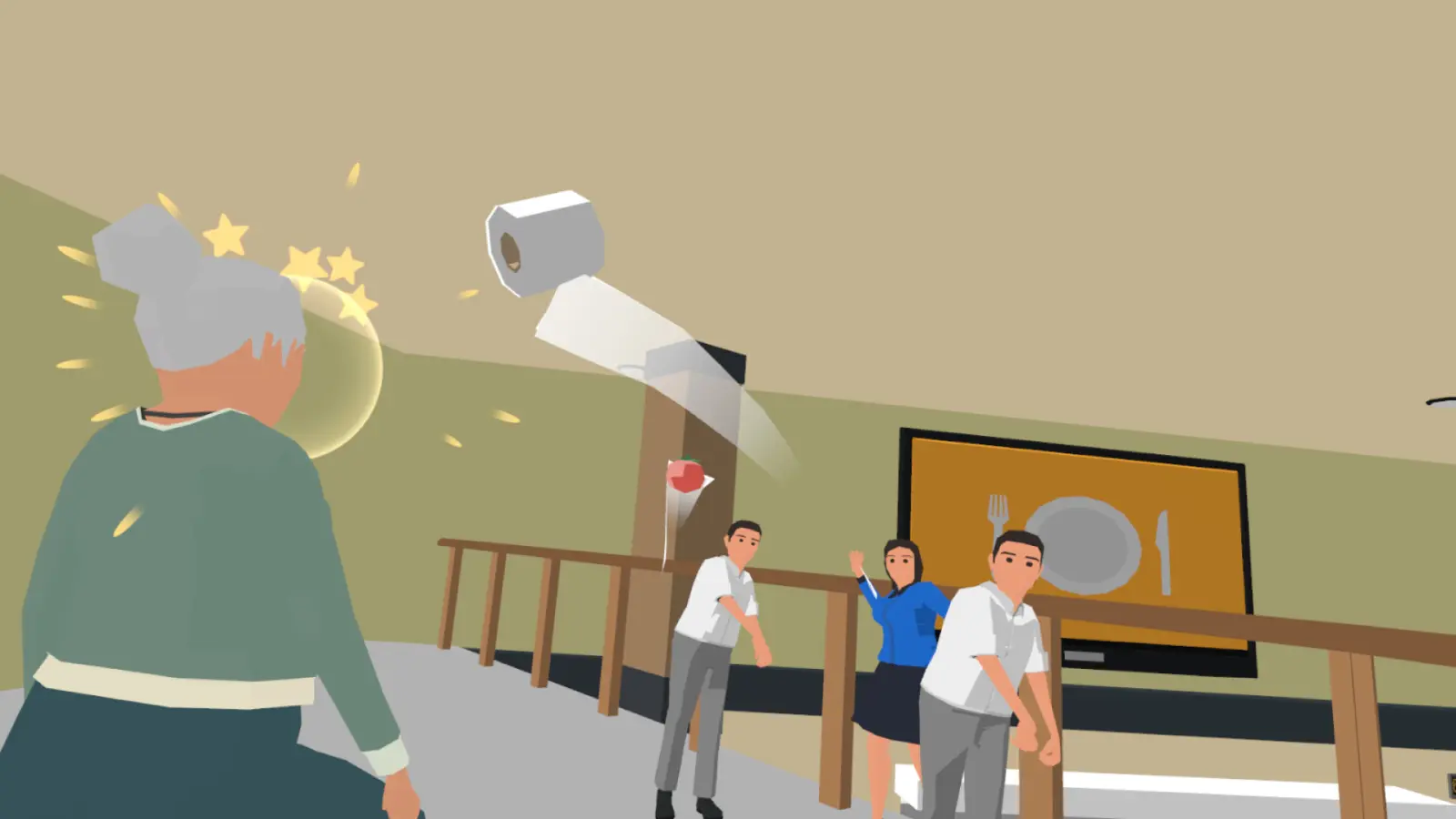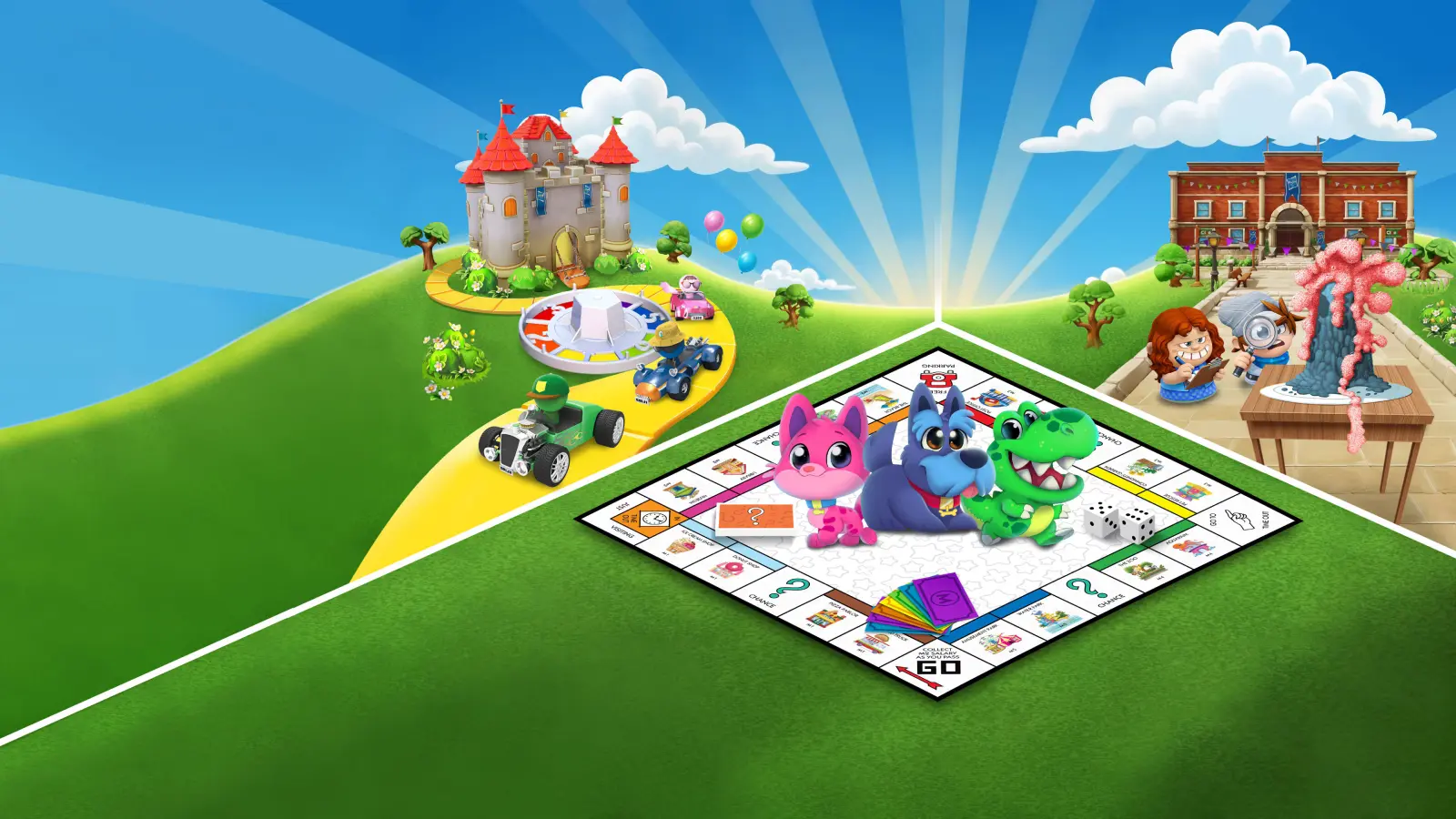
Video games, even violent ones, can positively impact learning, health, and social skills, a review of research on the benefits of playing video games published in the journal American Psychologist has shown.
So far, psychologists have mainly researched the negative effects of playing video games, related to violence, addiction, and depression. Without questioning the value of that research, Isabela Granic, Adam Lobel, and Rutger C. M. E. Engels from the Dutch Radboud University in Nijmegen wanted to provide a more balanced perspective that includes the benefits of video games.
Spatial orientation, reasoning, and memory
Although playing video games is often associated with intellectual laziness, they demonstrated in their study that such play can actually strengthen a range of cognitive abilities, such as spatial orientation, reasoning, memory, and perception. This is particularly true for shooting video games, which often contain a lot of violence. Playing such games improves players' ability to think about objects in three dimensions, equally as much as academic courses designed specifically to enhance these skills, which have been shown to be particularly important for achievements in the fields of science, technology, engineering, and mathematics. Interestingly, playing other types of video games, such as puzzles or role-playing games, does not yield such results.
The study also states that playing video games helps children develop the skills needed for problem-solving. The more young people played strategic video games, such as role-playing games, the more their school grades and problem-solving abilities improved in the following year. Creativity in children also increases through playing any type of video games, including violent games.
Practicing social skills and coping with failure
Simple games, easily accessible on the internet and quickly playable, such as Angry Birds, can improve players' mood, help them relax, and alleviate anxiety, according to the study. “If playing video games simply makes people happier, that is an important emotional benefit we need to acknowledge,” says study author Isabela Granic.
The authors also highlighted video games as an effective tool for practicing coping with failure, and this ability will help children when they face failure in real life.
Another stereotype that this research challenges is the socially isolated video game player. More than 70 percent of players play together with friends, and millions of people around the world are connected in virtual communities built around games like Farmville and World of Warcraft. In these, players must quickly make decisions about whom to trust and whom not to, collaborate with others, and lead groups of people.