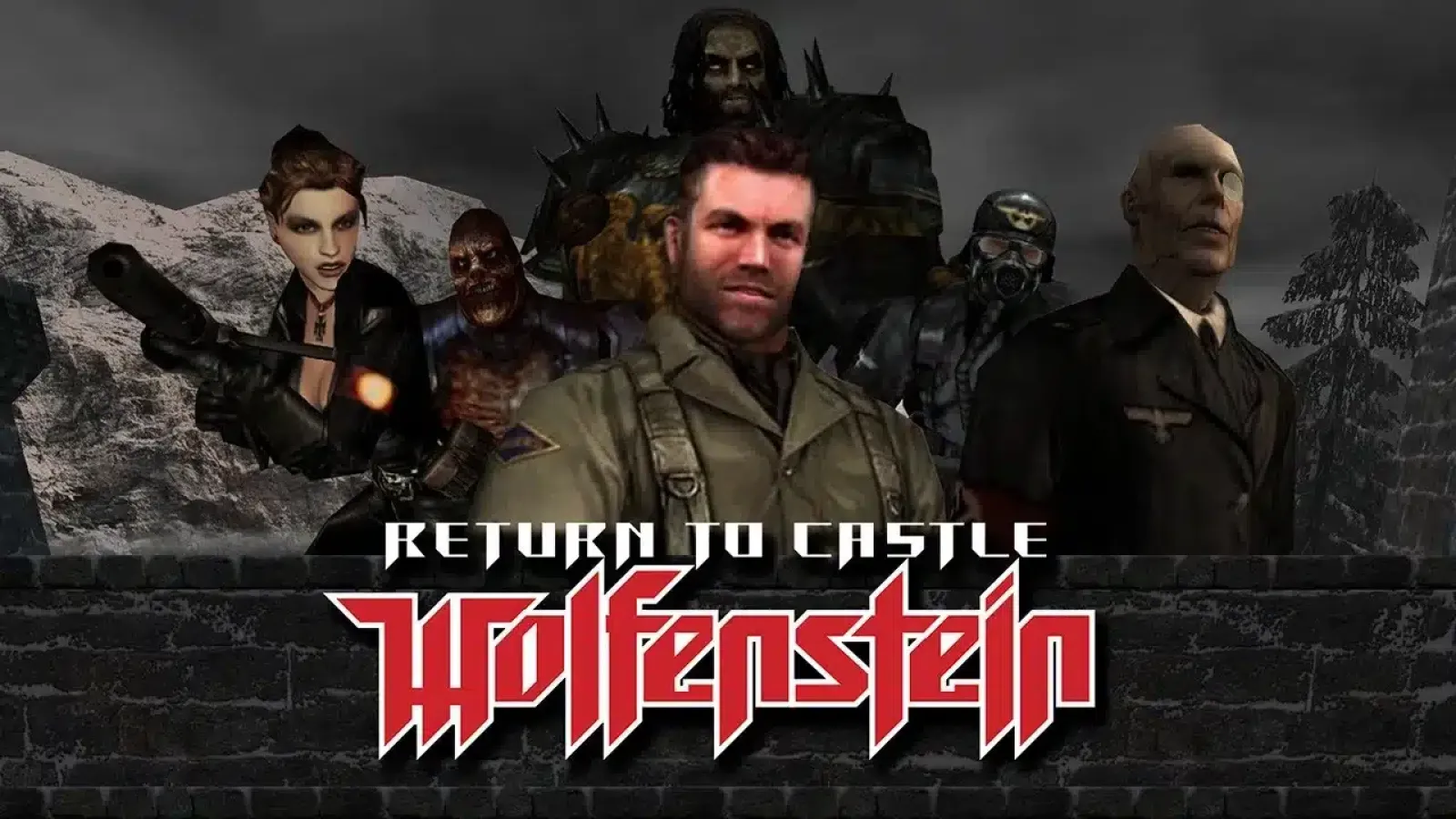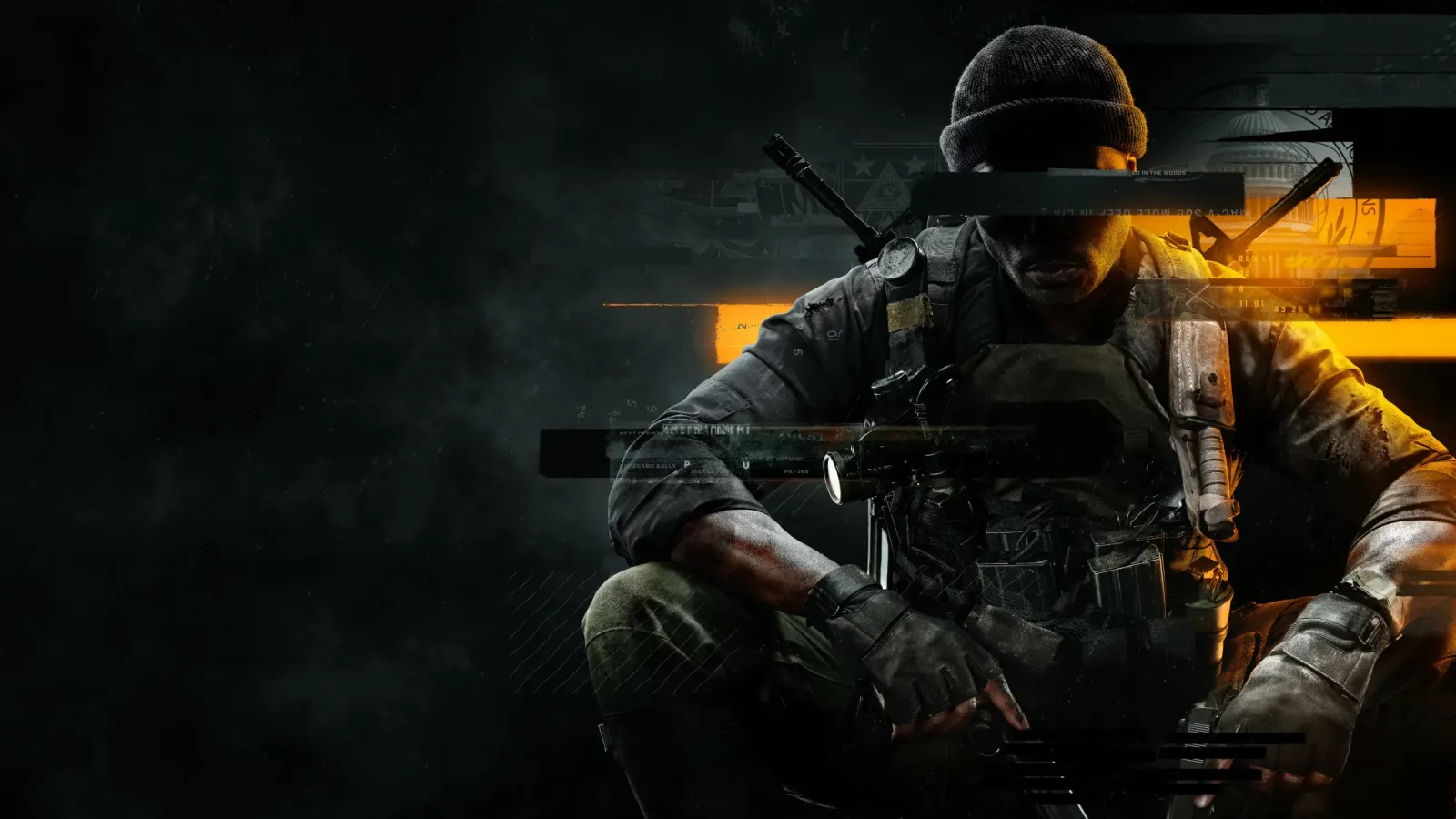
The year 2003 brought us a real surprise – the game Vietcong, a tactical first-person shooter from the Czech Republic. It was an alternative offering alongside popular titles like Medal of Honor (1999), Battlefield (2002), and Call of Duty (2003), which, interestingly, was released the same year as Vietcong.
The game was developed by Pterodon in collaboration with Illusion Softworks and published by Gathering for Microsoft Windows on March 26, 2003, in the USA. In Croatia, it was released a bit later, on April 17 of the same year.
Two years later, the first expansion titled Vietcong: Fist Alpha appeared in January 2004. That same year, the game also received ported versions for PlayStation 2 and Xbox.
The true sequel, Vietcong 2, was released in 2005, but it did not leave as strong an impression as the first part – it was considered a step backward in many ways.
Plot
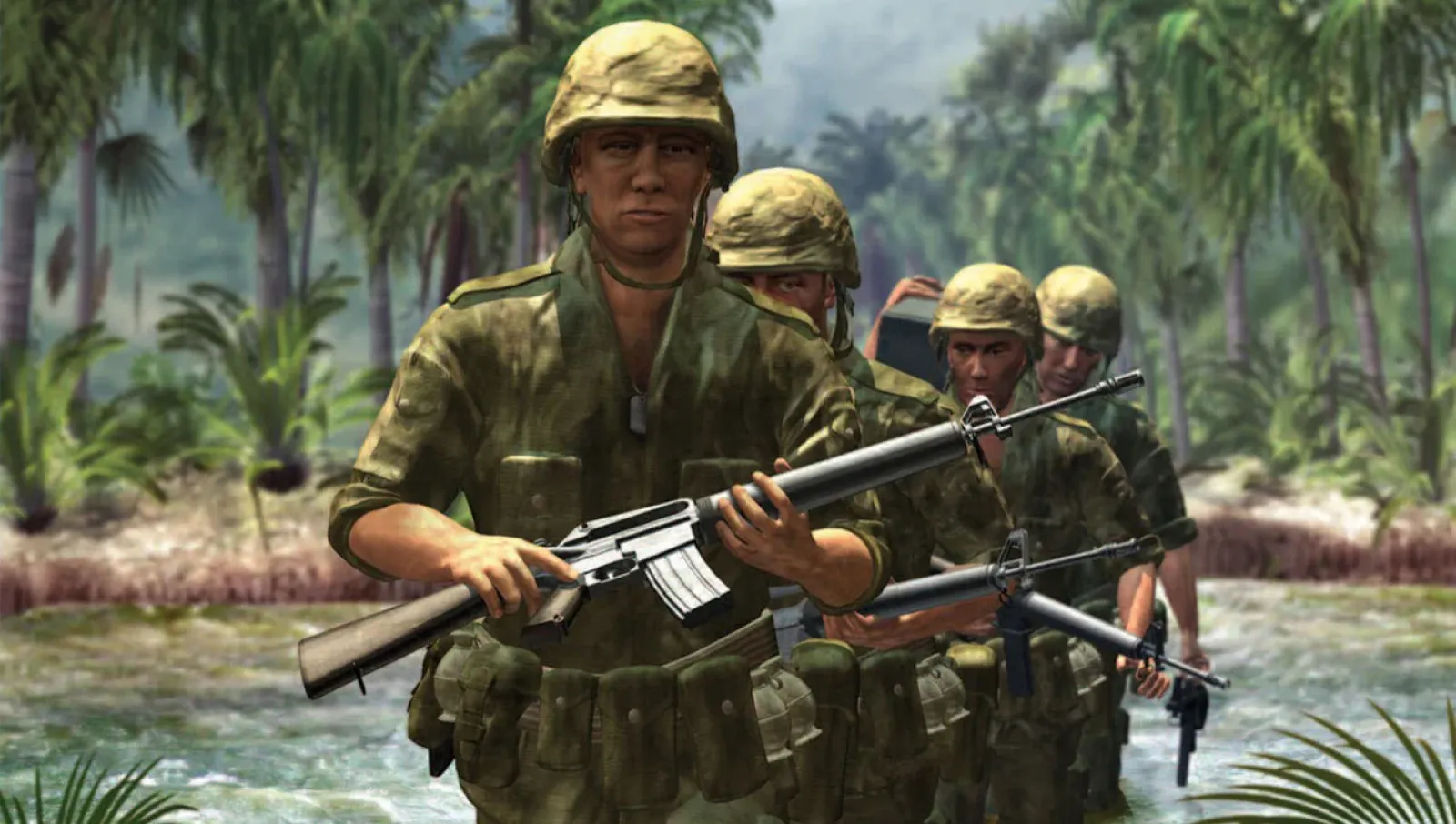
The story takes place during the Vietnam War, in 1967. The player takes on the role of First Class Sergeant Steve R. Hawkins, assigned to a camp of American special forces known as the "Green Berets," located at the strategic site Nui Pek.
Interestingly, the ground attack on Nui Pek was inspired by a real event – the attack on the special forces camp Lang Vei.
We played as part of a team where each soldier had their role: the medic healed, the machine gunner provided fire support, the engineer supplied us with ammunition, while the scout identified traps and knew how to lead us if we got lost. The most important team member was the radio operator who enabled saving progress – but of course, he often wasn't there when we needed him the most. 😊
As the game progresses, the personality of each team member becomes increasingly apparent.
Warfare with brains, not brawn
The combat style was far from today's action spectacles. While modern games increasingly resemble action movies with invincible heroes, Vietcong offered a more serious, realistic approach. The game forced us to think and strategize, rather than engage in mindless rushing and "quickscoping."
The fight unfolded more slowly, with checking every corner, bush, rock, or tree. The AI opponents, although often criticized for their slowness, actually contributed to a more authentic experience. The opponents tactically retreated, used cover, and often surprised the player. The tunnels, filled with enemies and traps, further added to the sense of tension – we felt like rats in the dark, and the occasional "jumpscares" were a real shock.
The experience was unique – no HUD, no indicators, just you and the jungle. The game clearly made it known that you were not a hero, but a soldier who must follow orders.
Multiplayer and Memories
The multiplayer was extraordinary. I remember when we first tried it – just the two of us, connected via dial-up modem. We started with military knives, swinging them across the map and laughing like kids, until the connection dropped. We would listen to the modem crackle as it tried to connect again. It was a time when downloading a 5.5 MB song took 30 minutes – to illustrate to the younger ones how different that era was.
Conclusion
Vietcong remains a special memory. Even today, we fondly mention it in conversations about the "good old gaming days." I wonder – will any game ever remind me of that period of friendship, camaraderie, and the early days of online gaming?
I believe the game has enormous potential if someone decided to create a reincarnation. It might not be as successful as today's Call of Duty titles, but it would certainly bring a refresh – a return to the dense green jungle we never forgot.