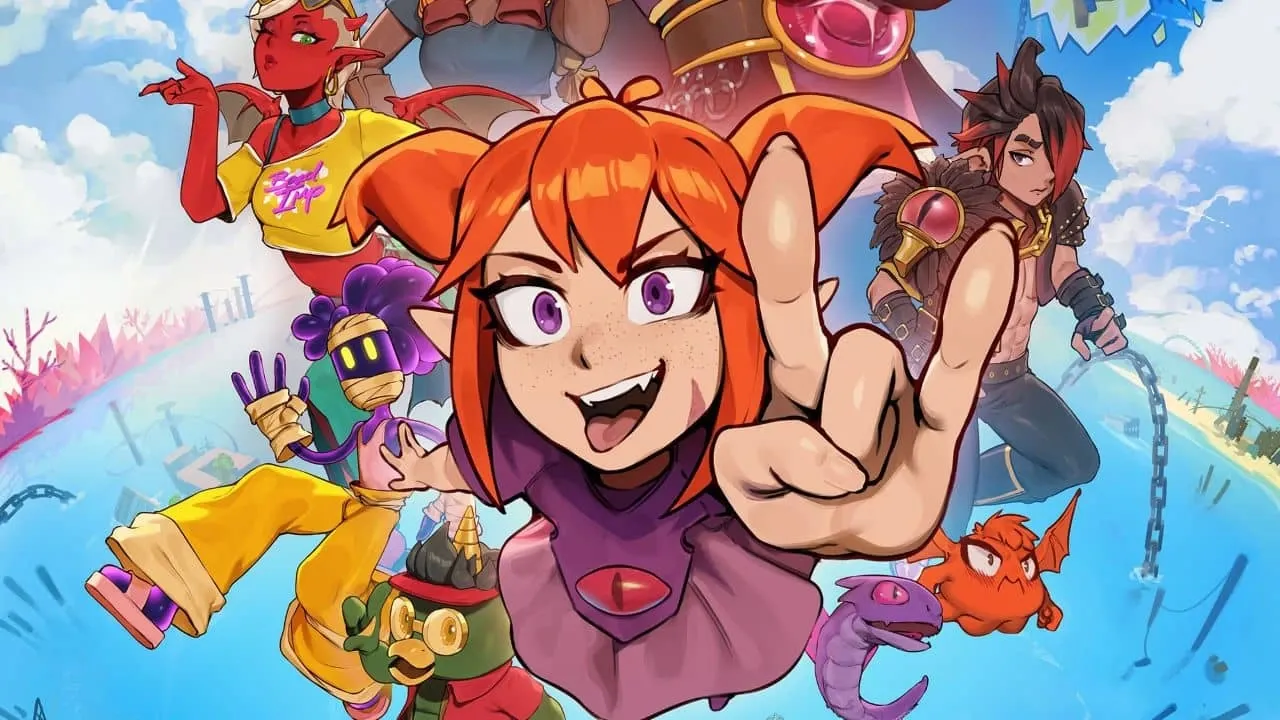
If Demon Turf was a cute and slightly chaotic platformer with a strong style, Demon Tides comes as a sequel that doesn't play it safe. Instead of just tweaking the existing formula, the game expands its ambitions and turns into an open-ended adventure that quickly draws you into its rhythm of exploration and jumping.
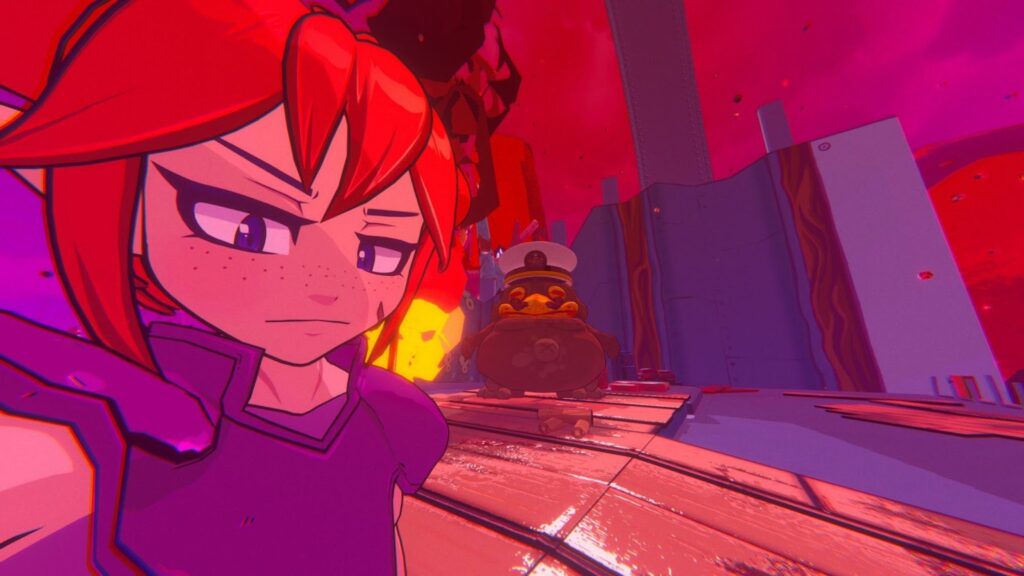
The story once again follows Beebz, a demon who has already left her mark on the underworld, but now embarks on a more personal adventure connected to her own past and family. At first, everything seems like another rebellious, slightly ironic story with modern humor, but as time passes, the characters gain more depth, and the plot shows a more serious side than you would expect from such a colorful and energetic world. It is this combination of relaxed tone and hidden emotional moments that gives the game extra weight.
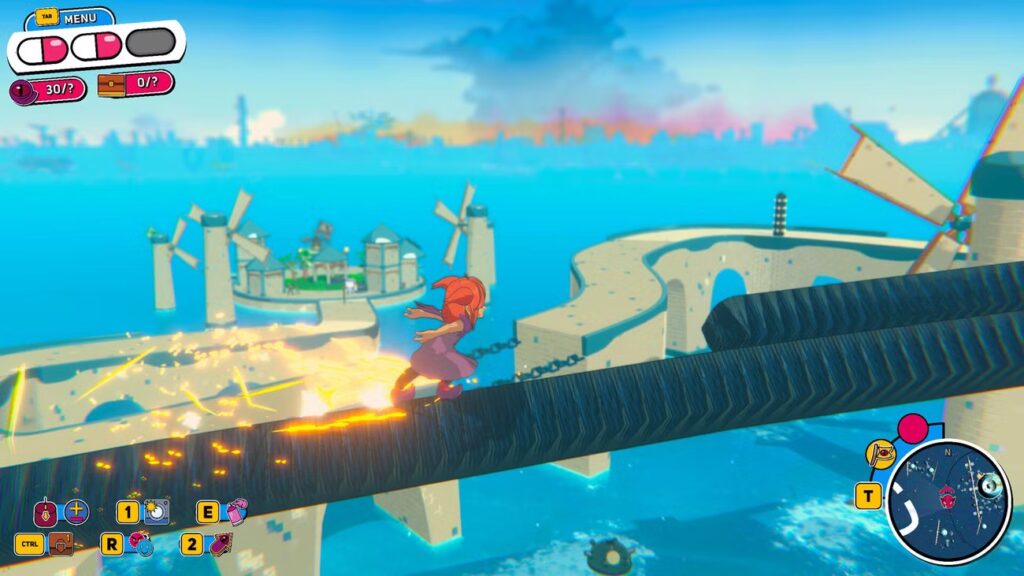
However, the core of the experience lies in the gameplay itself. Moving through the world is one of the biggest assets of the game. Beebz is extremely fluid to control, and her moveset gives off a sense of freedom and creativity. Jumping, combining moves and improvisation create that feeling of "flow" that makes you want to keep playing just a little longer. In this respect, the game can easily be compared to modern 3D platformers like Super Mario Odyssey, as it manages to capture the same sense of precision and satisfaction in movement.
Additional depth is brought by the talisman system, which allows customization of abilities. Some bring subtle changes, while others significantly change the way you play and open up new movement possibilities. This is why the game does not seem static, but constantly encourages you to experiment and adapt.
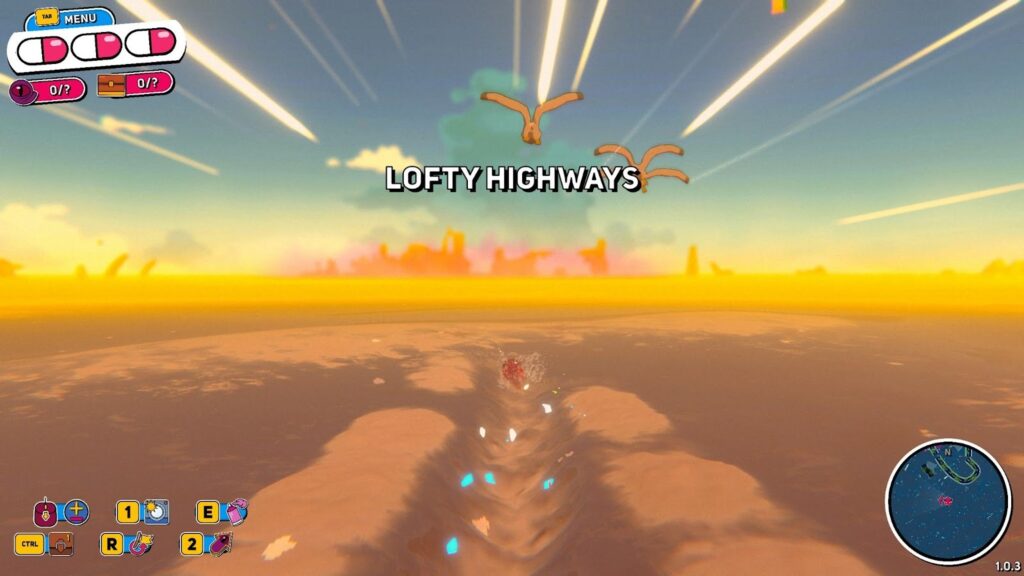
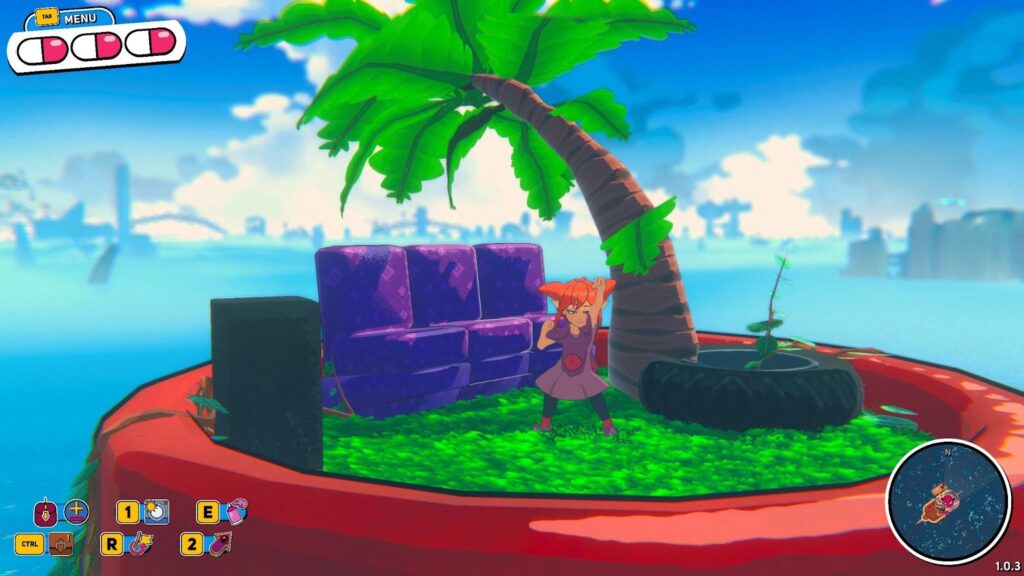
The biggest change compared to its predecessor comes through the open world. Instead of linear progression, you now explore a group of islands that function as small, self-contained challenges. Each of them brings something new, whether it's platforming sections, races or shorter tasks. What makes it work is the fact that exploration rarely feels like a waste of time, as it almost always leads to some reward or new content.
The game is not without flaws though. The camera can be unruly at awkward moments, and progression sometimes depends on collecting key items that aren't always readily available. This can slow the pace and create a bit of frustration, especially when you feel like you've earned progress that the game doesn't yet allow.
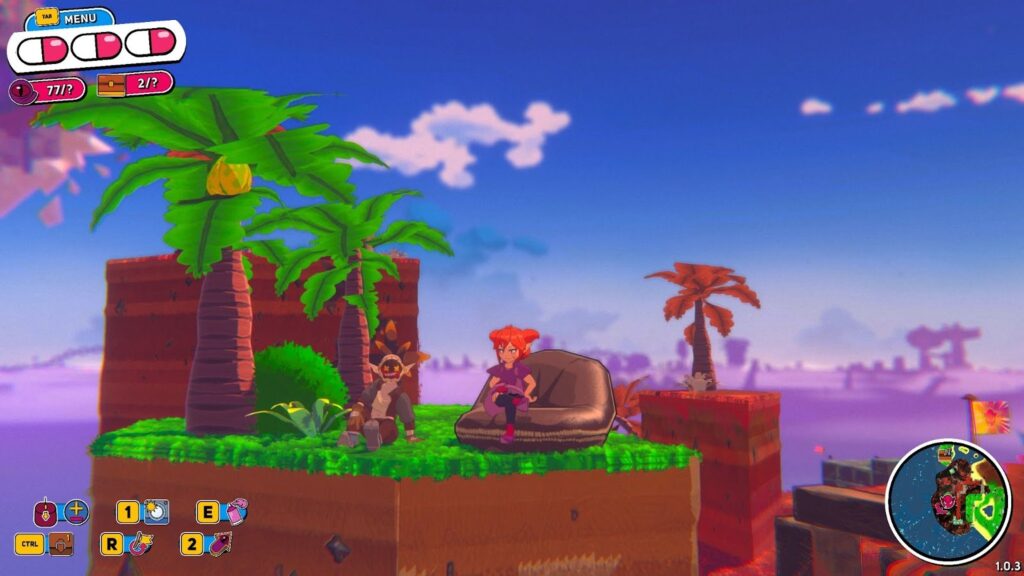
Nevertheless, Demon Tides manages to hold attention thanks to the sheer joy of playing. Its combination of freedom, creative platforming and a charming world make it an experience that is easy to return to. This isn't just a sequel that improves on its predecessor, but a game that shows how far the series can go when it's not afraid to take risks and push its boundaries.
A copy of the PC version of the game was provided by the development studio Fabraz for review purposes