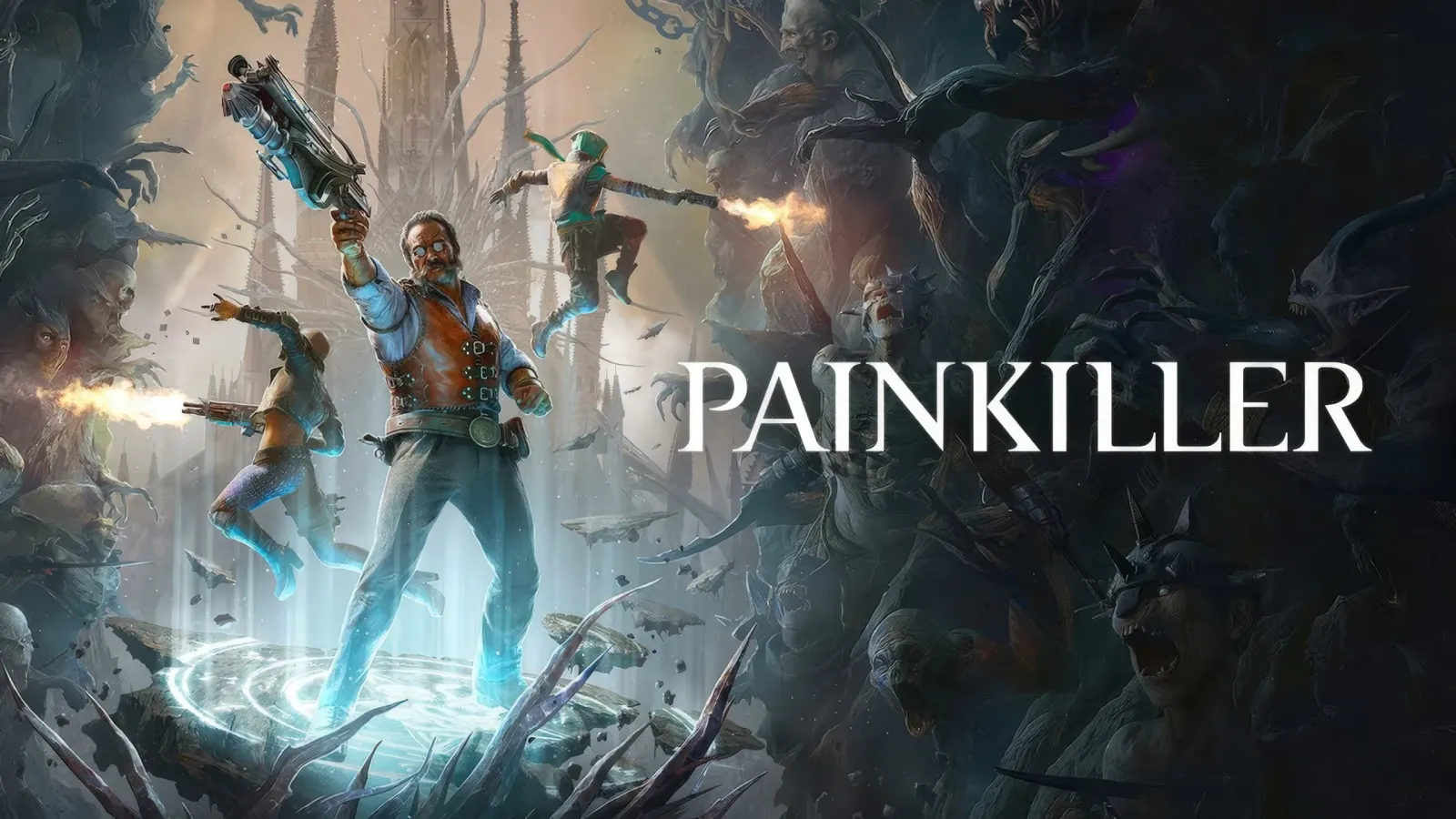
Painkiller - the return of the legendary shooter
Development studio: Anshar Studios
Publisher: 3D Realms and Saber Interactive
Platforms: PC, PlayStation 5, Xbox Series X/S
Release date: October 21, 2025.
Platform on which the game was tested: PlayStation 5
Starting price: 39.99 euros
The return of a big name, but does it have “soul”?
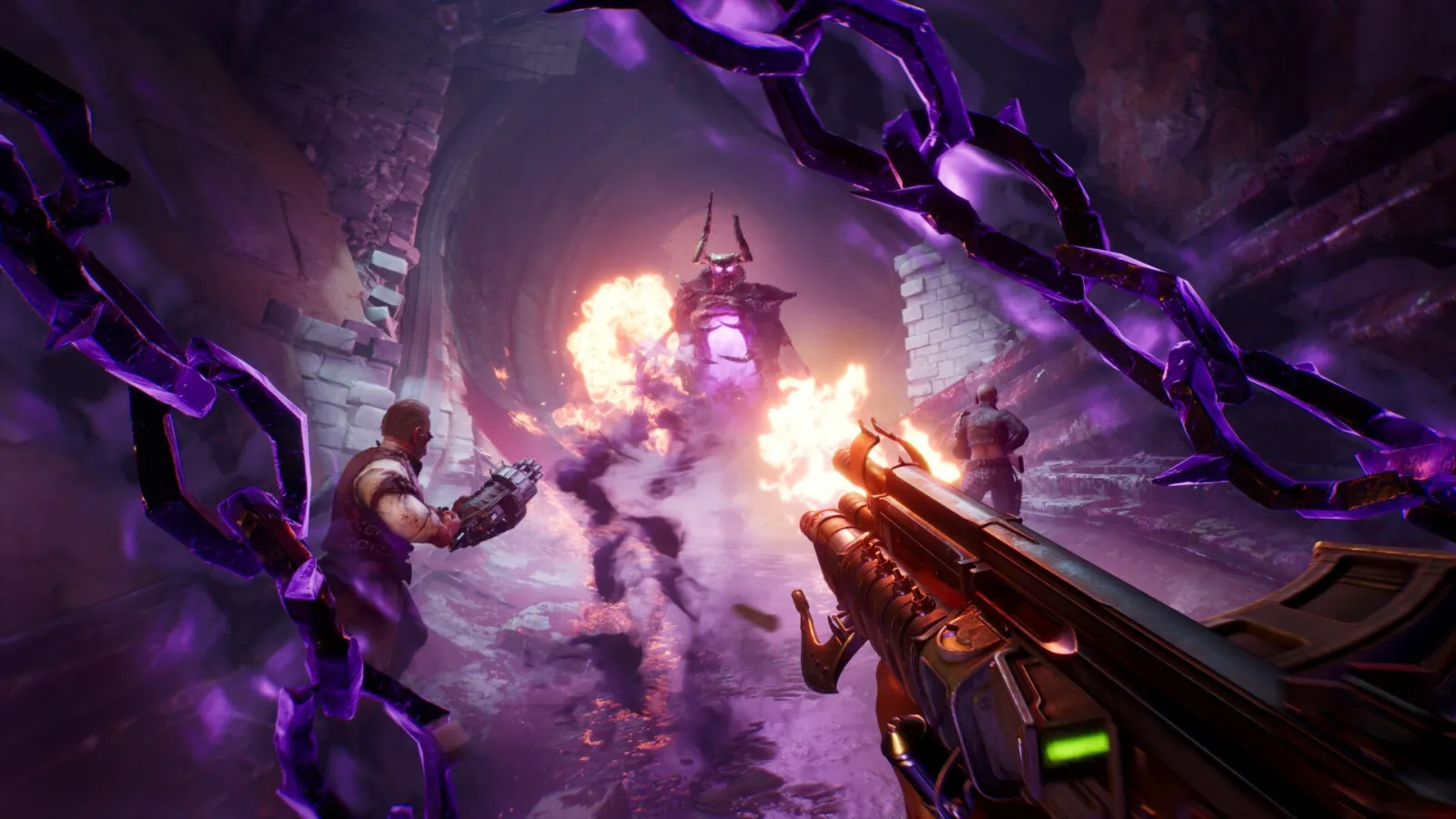
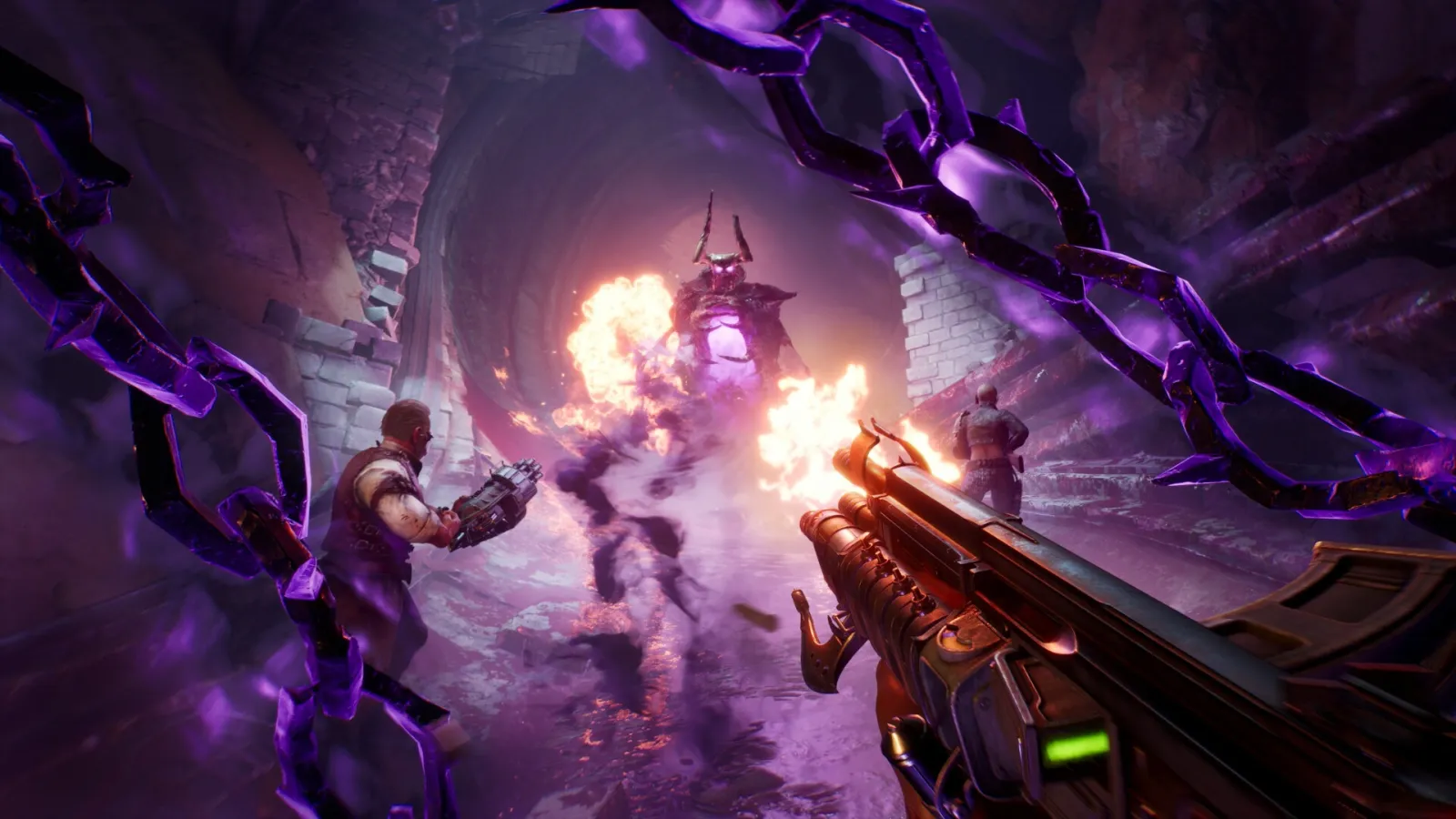
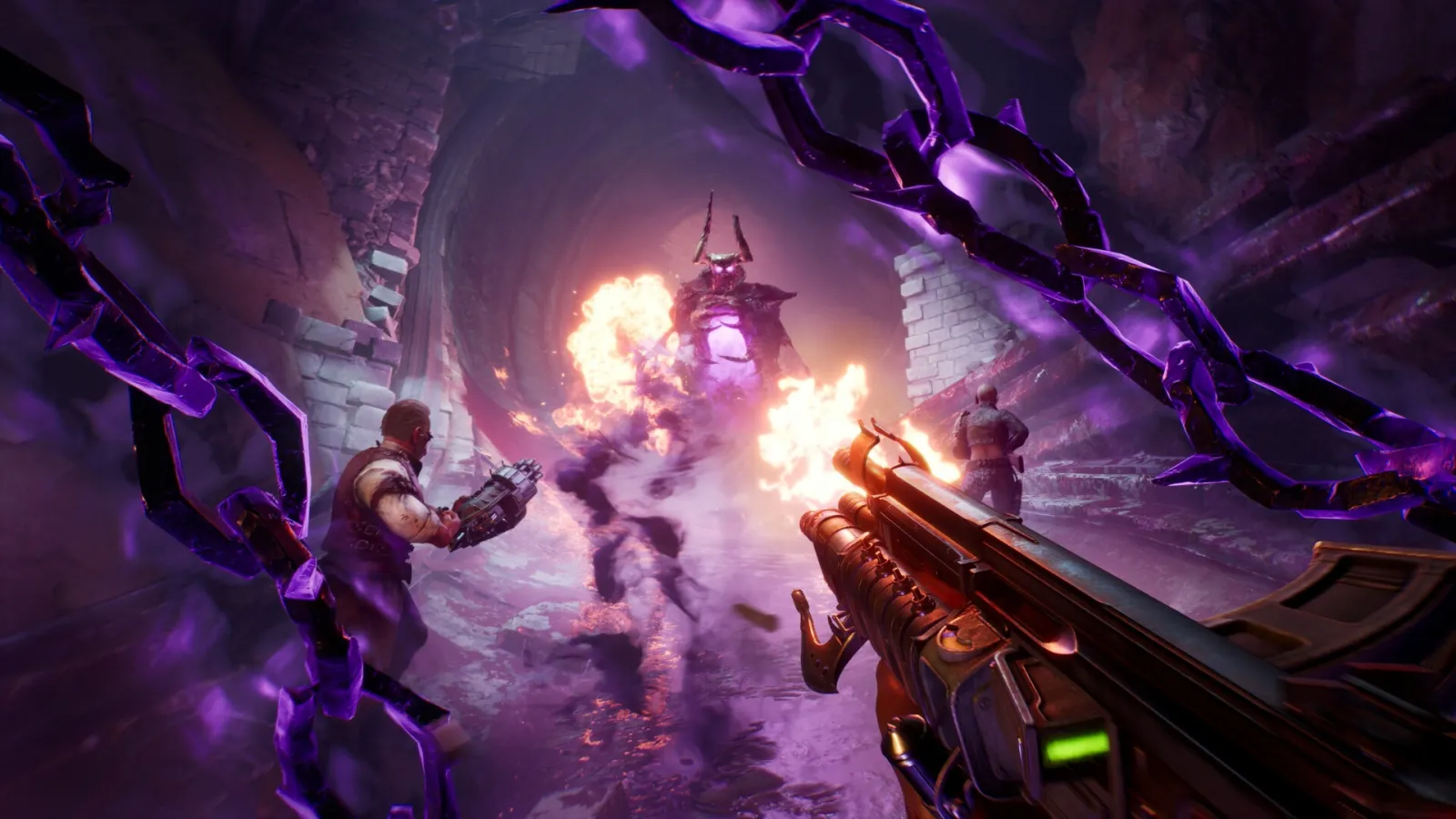
The reboot of Painkiller arrived with a clear promise: to bring back the recognizable “metallic” flair of the classic 2004 title while simultaneously pushing it into a modern co-op environment. The developer likely aimed to achieve something in the style of Helldivers II. A fun shooter, funny moments, and messing around with the team in the good old familiar style of Painkiller. In practice, we got a high-octane co-op FPS for up to three players (with full offline support) set in purgatory, featuring a campaign/procedural arenas and a familiar arsenal (including variations of the classic stakegun) along with tarot cards as a “build” system. And indeed, the technical delivery is solid. Which is not surprising, as Anshar studio produces highly polished titles. However, I notice that it lacks “that something.” Simply put, it’s hard to connect the old Painkiller and the new Painkiller. It lacks - soul.
A twist in game design
The new game structure relies on a mission co-op loop and an additional Rogue Angel mode. Rogue-like inspired, handcrafted, but randomly composed arenas. This is a conscious departure from the dark, solo fury of the old Painkiller and a move towards modern service shooters: base, rewards, upgrades. For veterans, this probably sounds familiar, but also problematic. It simply doesn’t seem like Painkiller, and the solo gameplay is - thin. The same issues that gamers reported in the preview phase - unfortunately - saw the light of day with the Day-1 release. Which shouldn’t be overly surprising, as the chances of something drastically changing from the preview phase to the release phase in an AA game would be akin to a minor miracle. After all, it is a significant development endeavor that also requires additional financial investments, which would likely mean a stronger delay in the game's release.
Gameplay: fast, loud, functional. Light.
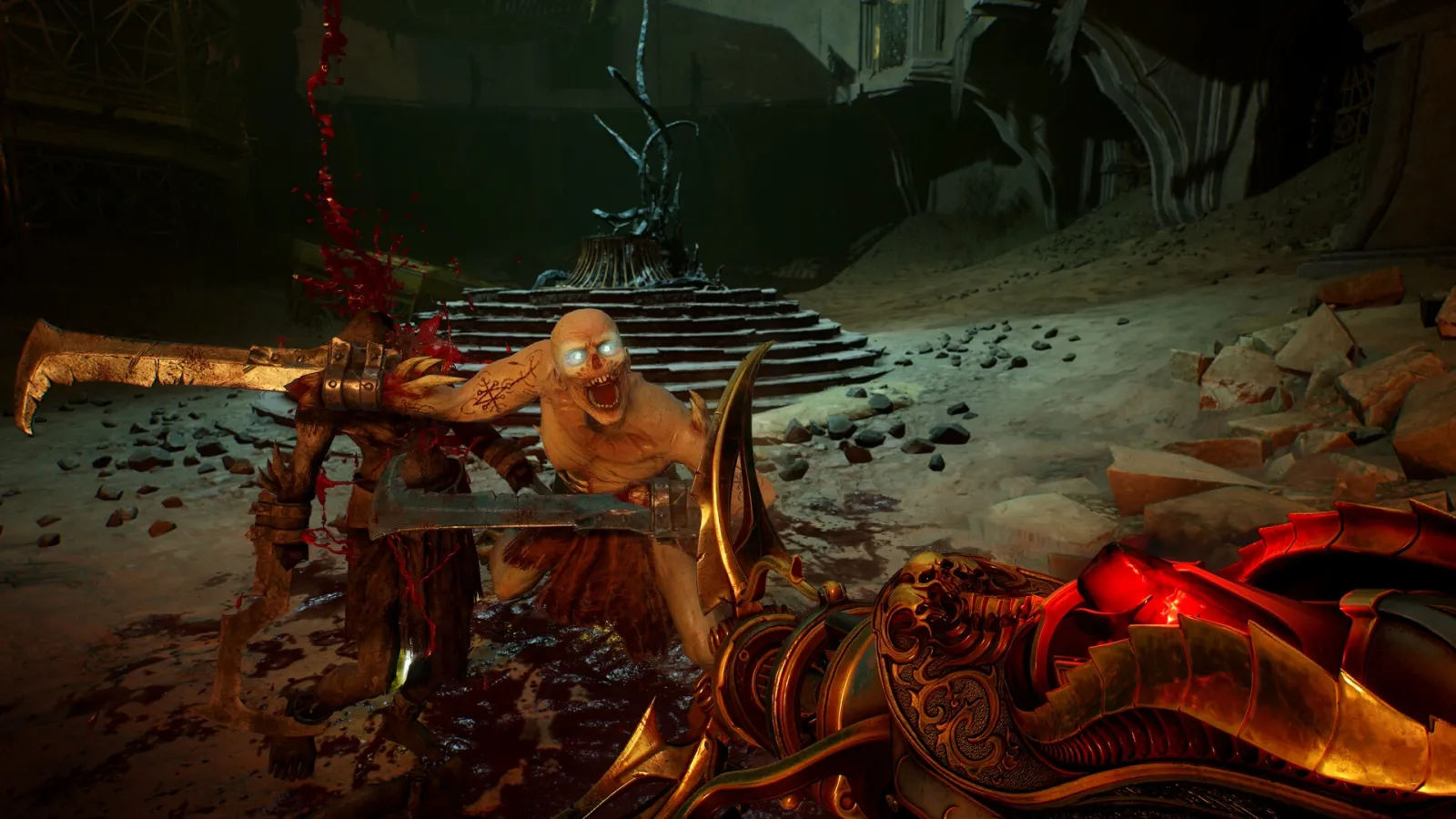
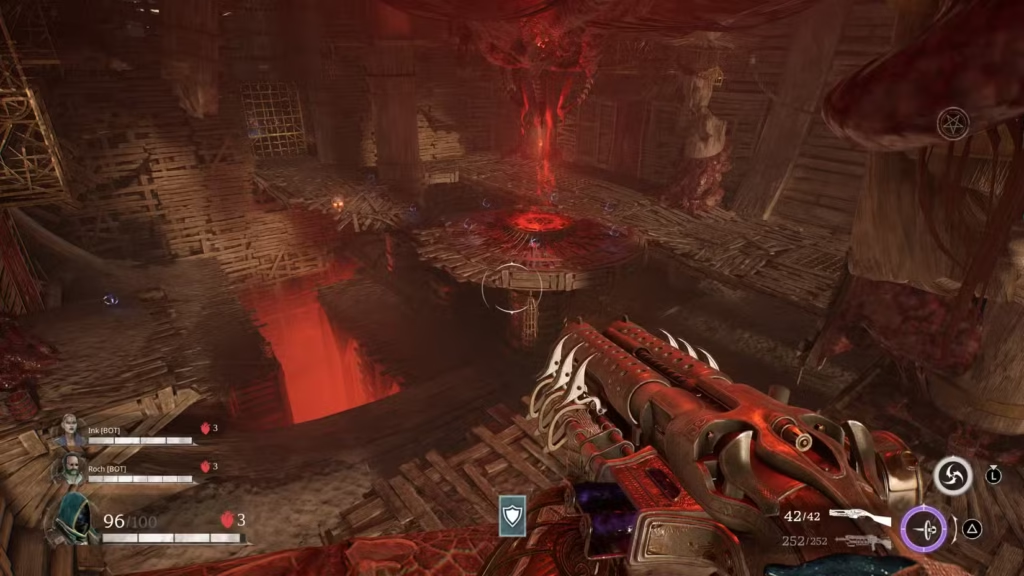
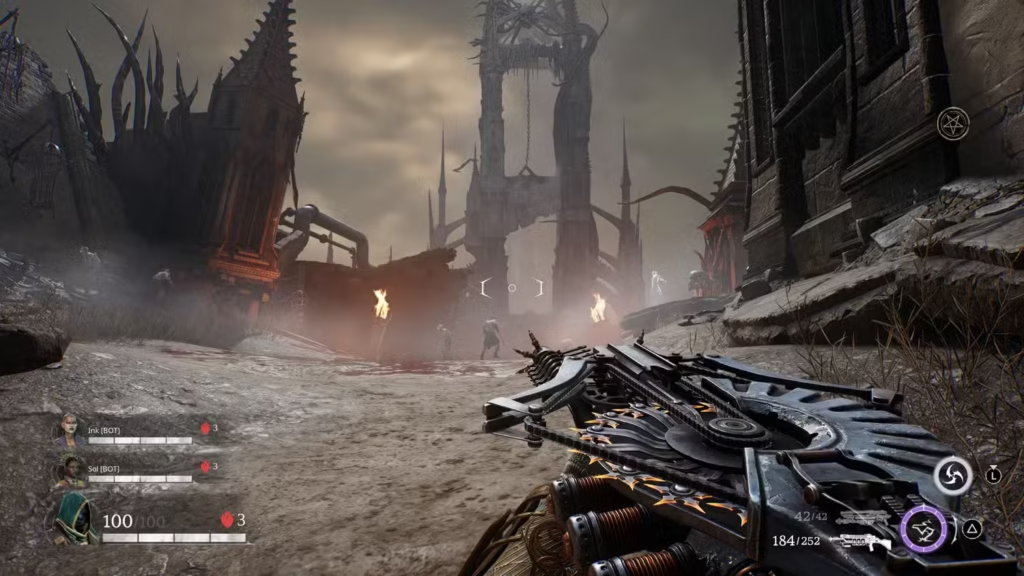
Movement is fast - jump, dash, grapple - and firepower is abundant. Combinations of primary and secondary shots, along with a mix of power-up cards, serve as a meta layer that buffs abilities and encourages team synergy. On paper, it looks good. In practice? Well… not exactly ideal. Some shots are very satisfying, while others are simply empty, lacking depth, boring. It’s not a tragedy, but it falls below the boomer-shooter expectations that the title would suggest. Critics of the game agree, mentioning “floaty” shots and a missed “muscle feeling” of the shots.
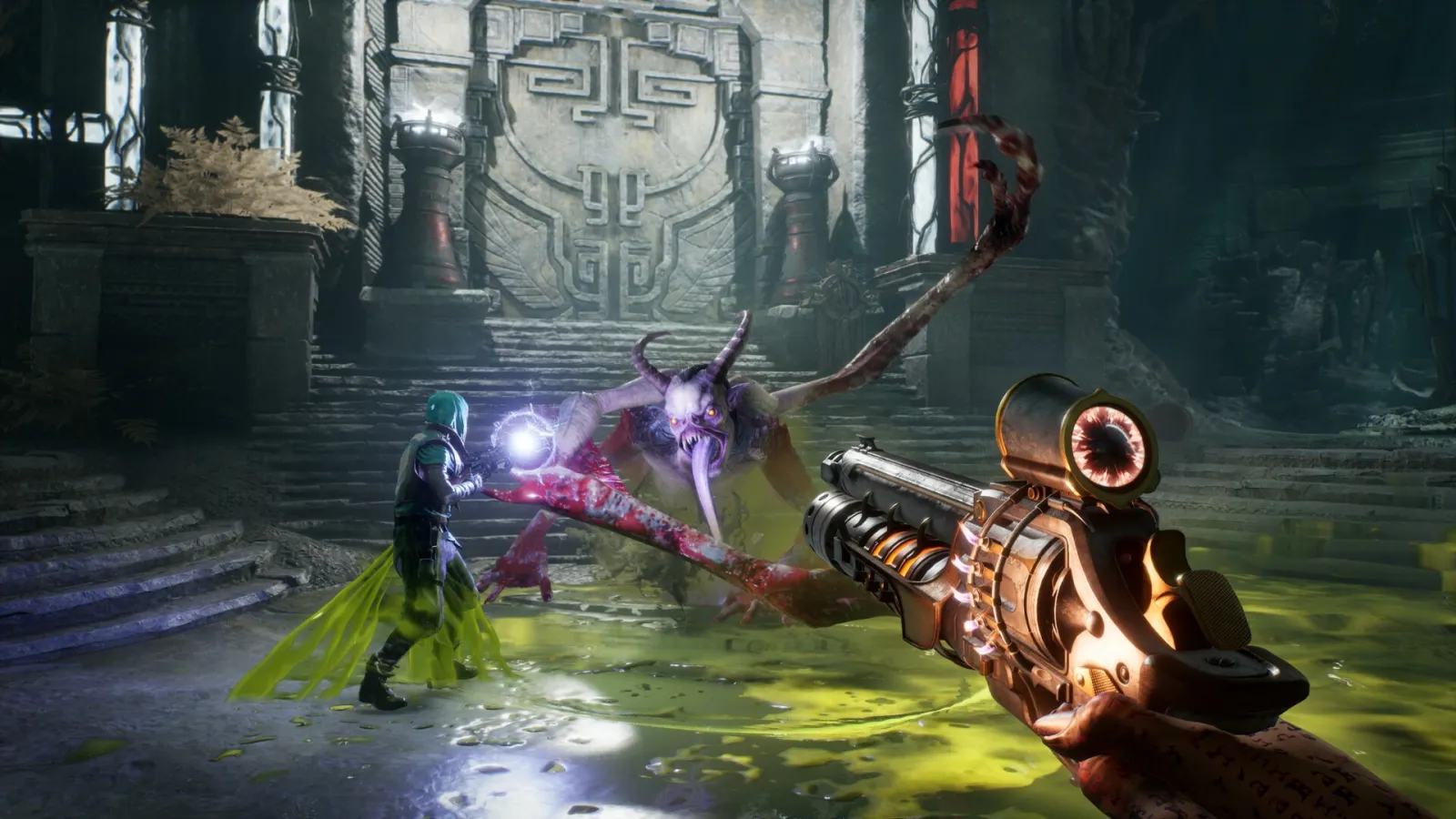
But to avoid making it seem like everything is negative, it’s not. The weapons are very imaginative, visually powerful, and when everything clicks into place (especially in a well-coordinated team), the pace can be infectious. The game is fast, fluid, energetic, and visually strong. It’s absolutely fun, once you get going.
Structure and Progression: 9 Missions, 3 Acts
The campaign consists of nine missions across three acts. On paper, it sounds like a focused dose of action, but the declining surprise curve undermines the motivation for "one more run." Progress through weapon mods and maps exists, but too often it doesn't change the gameplay style enough to encourage a longer grind. I noticed this in the steam reviews as something that frequently comes up in gamers' impressions. Tasks and targeted activities repeat, and content and unique moments rarely break the routine.
So, the guns are fantastic, the powers excellent. However, there's little concrete you can do with them. What is there - too much recycling leads to the conclusion that you can see everything the game offers in one gaming session.
Solo vs Co-op: It's Not Even a Competition
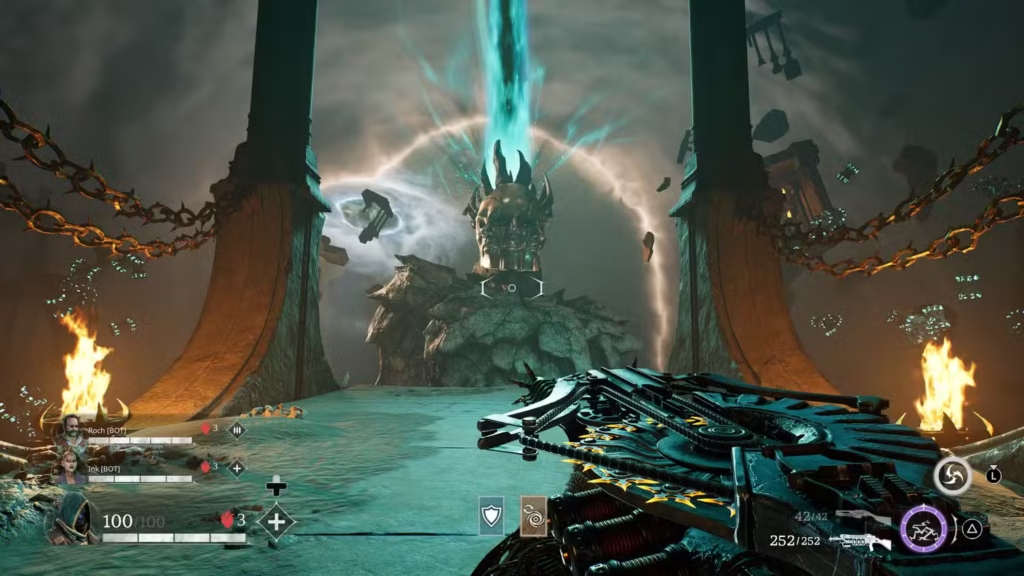
If you plan to play solo, lower your expectations. A bit more. Simply put, playing solo isn't it. There's not much to seek there. This game has a focus, and it seems to be designed for the co-op segment, and it plays to its strengths. At least it tries. In co-op mode, when the team communicates and sets good perks - the game simply comes alive. It's fun and fast. Outside of the campaign itself, Rogue Angel is somehow still there as a longevity safeguard. Rotating arenas, loot, procedural permutations. If you enjoy short co-op sessions in the style of "hop in for 30 minutes" - this is a great mode for you.
Monetization: Bang for Buck
The price for an AA co-op shooter - seems okay. If you will be playing co-op. If not, there's definitely a lack of justification for this price. Given the potential of the IP, this could have been much, much better. The game likely targets an audience it could pick up from the co-op shooter segment and found its place in the sun - but probably without a globally popular massive community that would play this game for a long time. Which raises a question over the whole issue - does this game make sense in the long term in terms of playability.
Moreover, the current score on Steam from the community is generally "mixed." So the game could definitely be better, but it's not a waste either. That sweet spot between "well, give it to me if it's on sale for 19 euros."
Where Painkiller (2025) Succeeds
Pacing and Clarity of Combat: when the team clicks, the action has a nice kinetic feel and a level of visual clarity that allows for flow without fatigue.
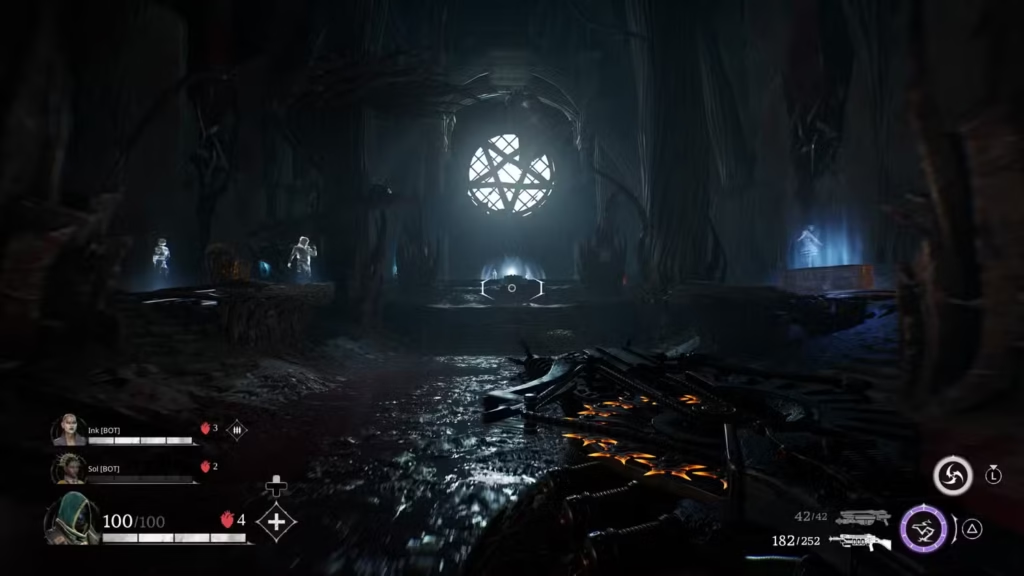
Arsenal and Stylization: imaginative weapon variants and "purgatorial" aesthetics offer enough spectacle for short co-op sessions.
Technical Presentation: fluid framerate and solid, clean graphics.
Where the Game Loses the Battle
Identity: the title carries the brand, but not the character that made the series cult; tone and humor remain generic.
Solo Experience: bots and objective design do not carry the game; solo players are left short-handed.
Progression and Goals: repetitive tasks, a modest number of missions, and non-impactful weapon modifications reduce longevity.
Verdict: recommendation with limitations
Painkiller (2025) is a competent but derivative co-op FPS. If you're looking for fast, “trigger-happy” sessions with two friends, you'll get a solid, visually appealing experience that will keep you entertained for a few evenings. If you came for the dark, solo, uncompromising Painkiller - this reboot does not deliver that kind of catharsis. At its best moments, the game delivers pure adrenaline; on average, everything in between reminds you that this is a project that embraced the trend more than its own mythology.
If you primarily play with a team, Painkiller (2025) can be a decent choice with realistic expectations and a willingness to repeat. If you want a single-player boomer-shooter with an identity, the current market offers stronger alternatives – and some players on Steam openly suggest that the “new” Painkiller is a name without an old soul. If Anshar Studios moves away from generic goals through a few larger patches, strengthens solo play, and refines the feel of the weapons, this reboot could transition from “competent” to “recommended.” Today, it’s not there yet.
Rating: 2.5/5 - “Enough for a weekend in co-op, too little to stay longer.”
Copy of the PlayStation 5 version of the game provided for review purposes by publishers 3D Realms and Saber Interactive